A Chronicle of Urban Innovation: Tate Modern’s Enduring Legacy
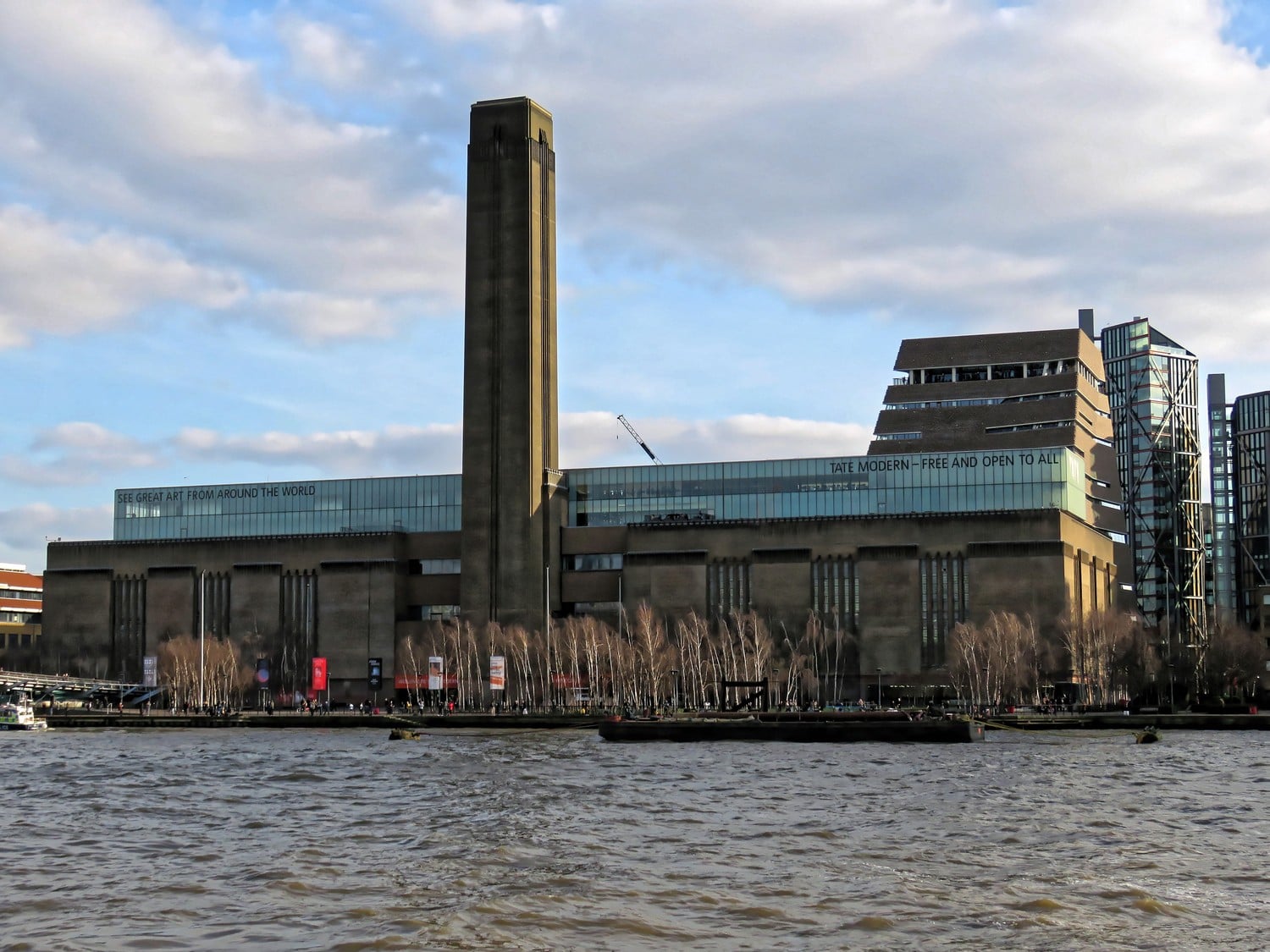
Nestled within the imposing skeleton of a former Bankside power station, Tate Modern isn't merely a gallery; it’s a bold statement – a testament to London’s relentless drive for reinvention and a vibrant heart beating with contemporary artistic expression. Completed in 2000 after fifteen long years of meticulous transformation, the building itself is an immediate spectacle, a dramatic collision between brutalist concrete and shimmering glass that dominates the Southwark skyline. Designed by the visionary duo Herzog & de Meuron, it’s more than just a structure housing art; it *becomes* part of the artwork, reflecting the city's dynamic energy and its ongoing dialogue with the past – a powerful juxtaposition of industrial heritage and artistic ambition.
The power station’s original industrial core, particularly the cavernous Turbine Hall, remains a hauntingly beautiful reminder of London’s manufacturing roots. This immense space, once filled with the roar of machinery, now serves as a dynamic stage for monumental installations, pushing the boundaries of artistic convention and challenging viewers to reconsider their perceptions. Beyond the Turbine Hall, exploring the Boiler House – originally housing the station's colossal boilers – offers a fascinating glimpse into the building’s remarkable evolution, revealing how this industrial behemoth has been meticulously repurposed to celebrate the ever-shifting landscape of modern art.
A Collection Rooted in Modernism
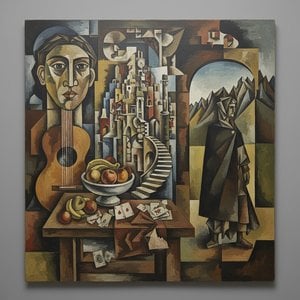
Tate Modern’s collection is deliberately focused on international modern and contemporary art created from 1900 onwards. It's a panoramic view, not a chronological survey, prioritizing works that embody innovation, experimentation, and often, a profound social commentary. You won’t find a neatly ordered timeline here; instead, the gallery presents a curated selection of iconic pieces – Picasso’s revolutionary “Les Demoiselles d’Avignon,” which shattered artistic conventions with its fragmented forms and bold perspectives; Warhol’s instantly recognizable “Campbell’s Soup Cans,” a seminal Pop Art work that elevated everyday objects to the status of high culture; and Rothko's immersive Color Field paintings, evoking a sense of quiet contemplation and spiritual resonance through their vast expanses of color. The collection extends far beyond painting and sculpture, encompassing photography, film, performance art, and digital media – reflecting the remarkably fluid nature of artistic practice in the 20th and 21st centuries.
Sparking Dialogue Through Exhibitions
What truly distinguishes Tate Modern is its commitment to consistently thought-provoking temporary exhibitions. The gallery regularly hosts major retrospectives, thematic group shows, and site-specific installations that engage directly with pressing social and political issues. These aren’t simply displays; they're invitations to dialogue and debate, prompting visitors to confront their own perspectives on the world around them. Recent highlights have explored themes of identity, climate change, and the vital role art plays in shaping our understanding of society. Memorable exhibitions like “Marina Abramović: Artist as Activist,” which showcased the Serbian performance artist’s radical explorations of the body and its relationship to the audience; “Ai Weiwei: Made in China,” a powerful critique of censorship and social control; and “Jeff Koons: Balloon Dog” – a playful yet profound meditation on consumerism – demonstrate this ongoing commitment to challenging conventions and fostering critical engagement.
A Space for the Future of Art
Tate Modern isn’t simply a repository of art; it's an active participant in shaping its future. The gallery invests heavily in research, education, and community outreach, nurturing a vibrant ecosystem of artistic creativity. The planned completion of the Southern Extension promises to further expand these spaces, providing even more opportunities for artists and audiences alike. More than just a museum, Tate Modern embodies London’s spirit of innovation, resilience, and its unwavering belief in the transformative power of art – a landmark that continues to evolve alongside the city it calls home.