Palazzo Vecchio: A Heartbeat of Florentine History
Nestled within the vibrant heart of Florence, Palazzo Vecchio isn’t just a building; it's an immersive chronicle of the city’s dramatic past and enduring artistic spirit. Originally conceived as the seat of power for the Republic of Florence in 1299, this imposing fortress-palace has witnessed centuries of political intrigue, revolutionary ideals, and the very genesis of the Renaissance – a story etched into its weathered stone walls and revealed within its magnificent halls. Today, Palazzo Vecchio continues to pulse with civic life as Florence’s city hall, seamlessly blending its historical significance with the rhythms of modern governance.
The building's immediate impact is one of formidable strength. The towering Arnolfo Tower, a sentinel guarding the Piazza della Signoria, dominates the skyline and once served as the residence for the powerful Uberti family – a testament to Florentine resilience and strategic defense. Architectural details whisper tales across time: from the robust Romanesque foundations that anchor the structure to the elegant Gothic windows added during the 15th century under Cosimo I de’ Medici. But perhaps most striking are the intricate bas-reliefs adorning the façade, vibrant scenes of Florentine mythology and civic pride – a visual declaration of the city's enduring artistic identity.
Treasures Within: A Journey Through Artistic Legacy
The Museo di Palazzo Vecchio, housed within these historic walls, offers an unparalleled journey through Florentine art history. The collection is remarkably diverse, encompassing a vast array of paintings, sculptures, and decorative arts spanning from the 14th to the 18th centuries. A particular highlight is undoubtedly the Sala dei Giganti (Hall of Giants), a space that initially held colossal marble figures – remnants of an ambitious project commissioned by Cosimo I, though sadly incomplete. These imposing statues, despite their unfinished state, evoke a profound sense of grandeur and the boundless ambition of the era.
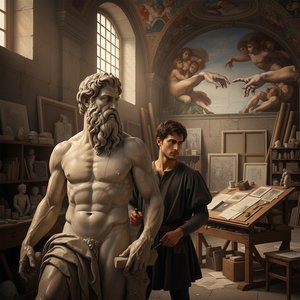
Beyond this monumental hall, visitors will discover a wealth of treasures. Early Renaissance masterpieces by Girolamo Macchietti provide a fascinating glimpse into the transitional artistic period, showcasing his biblical scenes and Roman influences. Don’t miss Bernardo Cavallino’s “Blessed Virgin & St. Cecilia,” a powerfully emotive work that exemplifies the artist's signature use of tenebrism – dramatic contrasts between light and shadow – to convey intense religious ecstasy. The museum also houses remarkable sculptures by masters like Michelangelo and Donatello, demonstrating the enduring influence of these Renaissance giants on Florentine art.
A Historical Tapestry: Palazzo Vecchio Through the Ages
Palazzo Vecchio’s story is inextricably linked to the turbulent history of Florence itself. For centuries, it served as the seat of the Signoria – the governing body of the Republic – witnessing periods of republican idealism, the rise and fall of the Medici dynasty, and ultimately, the unification of Italy. The Arnolfo Tower holds a poignant significance; it once imprisoned both Cosimo de’ Medici (the Elder) during his exile and Girolamo Savonarola, the fiery Dominican friar who briefly challenged Medici rule – symbols of power, resistance, and shifting political tides.
The building played a pivotal role during the Risorgimento – the Italian unification movement. In 1865, Palazzo Vecchio served as the provisional capital of Italy, cementing its place as a national icon, representing the aspirations for a unified and modern nation. Even today, it continues to function as Florence’s city hall, ensuring that this historic landmark remains at the heart of Florentine civic life.
Unique Features & Ongoing Exploration
The Museo di Palazzo Vecchio is far more than just a static museum; it's a space of continuous discovery. The museum regularly hosts temporary exhibitions exploring various facets of Florentine art and history, offering fresh perspectives on its permanent collection. A particularly captivating feature is the “Gallery of Statues,” which houses an extraordinary assemblage of marble sculptures – many originally intended for the exterior of the palace itself. Furthermore, the museum’s commitment to inclusivity is evident in its "Inclusive Palazzo Vecchio" initiative, designed to remove physical and cognitive barriers to cultural participation, ensuring that everyone can experience the richness and significance of this remarkable landmark.
A visit to Palazzo Vecchio isn't merely a sightseeing excursion; it’s an immersion into the soul of Florence – a journey through time, art, and political power. It is a place where history breathes, artistry flourishes, and the spirit of the Renaissance continues to resonate within its ancient walls.