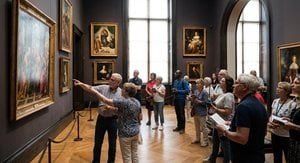
A Tapestry of Centuries: Unveiling the Bayerische Staatsgemäldesammlungen
Nestled within the vibrant heart of Munich, the Bayerische Staatsgemäldesammlungen – the Bavarian State Painting Collections – transcend the simple role of a mere art repository. They stand as a living chronicle, meticulously woven across seven centuries of European artistic evolution, offering an immersive journey through time. This isn’t just a collection; it's a vibrant narrative, revealing not only individual masterpieces but also the shifting sensibilities and groundbreaking innovations that have fundamentally shaped our visual world. Stepping into their hallowed halls is akin to embarking on a profound dialogue with art history itself – a testament to Bavaria’s enduring commitment to safeguarding its artistic heritage.
The story of these remarkable collections began in 1799 with the establishment of the *Centralgemäldegaleriedirektion*, initially conceived as a carefully curated space for the royal family's private art holdings. Over time, this evolved into the multifaceted institution we know today – a constellation of four distinct galleries, each reflecting its unique era and architectural philosophy. The Alte Pinakothek, designed by the esteemed Leo von Klenze in a grand neoclassical style, immediately evokes a sense of stately reverence; within its walls, the echoes of Old Masters resonate with the grandeur of a bygone era—a time defined by profound religious devotion and the patronage of aristocratic families. The Neue Pinakothek, constructed in 1857, presents a fascinating synthesis of classical architectural elements harmoniously intertwined with the burgeoning influences of emerging modern aesthetics, hinting at the revolutionary shifts taking place within 19th-century art. A striking contrast emerges with the Pinakothek der Moderne, a bold and postmodern edifice characterized by its strikingly cubic forms and expansive glass facade – a deliberate statement mirroring the spirit of the avant-garde movements housed within. Finally, Museum Brandhorst captivates with its vibrant façade composed entirely of ceramic tiles, an energetic expression perfectly suited to its focus on Pop Art, Minimalism, and Conceptual Art. These buildings themselves are integral components of the artistic experience, each contributing a unique atmosphere and perspective that elevates the viewing journey.
A Royal Legacy Forged in Patronage
The collection’s origins are inextricably linked to Bavaria's rich royal lineage. The Alte Pinakothek, established under Charles Theodore, marked a pivotal moment – the birth of a public institution dedicated to preserving and showcasing artistic treasures for all to appreciate. Subsequent additions, including the Neue Pinakothek in 1857 and the Pinakothek der Moderne in 1989, reflected not only an expanding collection but also a deepening understanding of art’s role within society—a recognition that its value extended far beyond mere personal possession. The museum's history is interwoven with Bavaria’s own narrative – a compelling story of patronage, cultural ambition, and a steadfast commitment to fostering artistic expression. Initially, Bavarian rulers amassed significant artworks for their private enjoyment; however, over time, these treasures transitioned into a public resource—a deliberate shift reflecting a broader societal understanding of art's profound significance.
This dedication extends beyond simple preservation; the Bayerische Staatsgemäldesammlungen has demonstrated an unwavering commitment to ethical responsibility. Notably, the museum has actively engaged in meticulous provenance research, diligently identifying and returning artworks unjustly acquired during the tumultuous era of Nazi Germany—a powerful testament to historical accountability and a profound demonstration of responsible stewardship. This ongoing work underscores that art history is not merely a chronicle of artistic brilliance but rather a complex narrative shaped by societal injustices, demanding transparency and a continuous striving towards a more equitable future for all.
Architectural Echoes & A Digital Gateway
The architectural design of each gallery isn’t simply functional; it's an integral part of the overall artistic experience. The Alte Pinakothek, with its soaring ceilings and classically proportioned spaces, immediately transports visitors to a world dominated by Old Masters—a realm of meticulous detail and profound symbolism. The Neue Pinakothek harmoniously blends classical architectural elements with the burgeoning influences of 19th-century modernism, reflecting the intellectual ferment of that transformative period. The Pinakothek der Moderne’s bold, geometric forms challenge conventional notions of museum architecture, mirroring the radical artistic movements it houses—a deliberate statement of innovation and dynamism. And Museum Brandhorst's façade, a vibrant tapestry of ceramic tiles, is an energetic expression perfectly suited to its focus on Pop Art and Conceptual Art – a visual embodiment of playful experimentation.
Each gallery has been carefully designed to enhance viewing, prioritizing ample space for contemplation and a thoughtfully arranged presentation of artworks. The integration of natural light, strategic use of color palettes, and meticulous attention to detail create an atmosphere that is both stimulating and serene—encouraging deep engagement with the art on display. Recognizing the importance of accessibility in the 21st century, the Bayerische Staatsgemäldesammlungen has embraced digital innovation. Their online collection offers a remarkable resource for art enthusiasts worldwide, providing detailed information about over 25,000 works of art—including high-resolution images, historical context, and scholarly essays. This initiative democratizes access to artistic treasures, allowing researchers, students, and casual viewers alike to explore the museum’s holdings at their own pace.
A Dynamic Experience: Exhibitions & Beyond
Beyond its permanent collections, the Bayerische Staatsgemäldesammlungen consistently provides a dynamic and engaging experience for visitors of all backgrounds. The museum regularly hosts special exhibitions that delve into specific themes or artistic movements—offering fresh perspectives on familiar masterpieces and introducing audiences to contemporary installations. From temporary displays showcasing cutting-edge conceptual art to meticulously curated retrospectives dedicated to influential artists, the museum remains a vibrant hub of artistic exploration. Whether you’re a seasoned art historian or simply seeking an enriching cultural experience, the Bayerische Staatsgemäldesammlungen promises a journey through centuries of artistic brilliance.