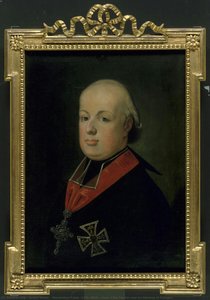
The Life and Art of Armin Sarter
Armin Sarter was a distinguished German painter whose creative journey was deeply rooted in the prestigious traditions of the Düsseldorf School. Born in Bonn, Sarter emerged as a versatile talent, mastering various genres including genre painting, landscape, and animal painting. His artistic formation was marked by rigorous academic training, beginning with his studies at the Kunstakademie Düsseldorf between 1854 and 1856. During these formative years, he learned under the guidance of esteemed masters such as Josef Wintergerst, Karl Ferdinand Sohn, Heinrich Mücke, and Rudolf Wiegmann. His education reached a pinnacle under the mentorship of Christian Köhler, who specifically trained him in the demanding discipline of history painting.
Seeking to expand his artistic horizons beyond the borders of Germany, Sarter embarked on significant studies in München and Paris. These travels allowed him to absorb diverse European influences, enriching his technical repertoire and contributing to the depth of his work. His time in Munich, where he was a member of the Kunstverein as early as 1857, provided him with a vital connection to the broader German art scene, while his exposure to the French art world likely refined his sensitivity to light and atmosphere.
Artistic Style and Legacy
Sarter's oeuvre is characterized by a remarkable technical brilliance and an ability to navigate between different artistic modes. While he was highly skilled in the meticulous rendering of historical portraiture—capturing the weight of imperial authority and religious significance through detailed textures and rich colors—his heart also resided in the natural world. His work as a landscape and animal painter demonstrates a profound connection to the environment, often reflecting an academic precision paired with a subtle mastery of light.
Throughout his career, Sarter remained closely tied to Düsseldorf, where he lived and worked, contributing to the enduring legacy of this influential artistic circle. His ability to blend the formal requirements of academic portraiture with the atmospheric qualities found in landscape painting suggests an artist of great breadth. By capturing both the grandeur of historical figures and the quiet beauty of nature, Armin Sarter secured his place as a significant figure within the nineteenth-century German art tradition.
Kérdések és válaszok
Hol találhatók Armin Sarter alkotásai színpaletta szerint csoportosítva?
Armin Sarter művei színek szerinti csoportosítással is böngészhetők a művész Színpaletták alapján oldalán.
Létezik-e teljes lista Armin Sarter műveiről?
Armin Sarter minden alkotása megtekinthető a ez a weboldal oldalán, az alkotó Összes műalkotás oldalán keresztül.
Van-e kronológiai ismertetés Armin Sarter életművének?
Armin Sarter munkásságának időrendi áttekintése a művész Krónika oldalán érhető el, ahol az alkotások fejezetről fejezetre, a készítés sorrendjében követhetők egymást.