


 Megosztás
 Megosztás
 Részletek
 Útmutató

 Letöltés
 Hasonló darabok
 Diavetítés
 Statisztika
Mask
 Wood
Wood- Sculpture
- Contemporary Art
 1985
1985- Modern
 4.0 x 30.0 cm
 Lee Ungno Múzeum
 Tovább olvasom
Az ezen az oldalon megjelenített műalkotások szerzői jogi védelem alatt állnak, ami azt jelenti, hogy törvényileg nem készíthetünk és nem adhatunk el belőlük pontos másolatokat. Ez a védelem olyan nemzetközi megállapodások alapján érvényesül, mint például a Berni Egyezmény és a nemzeti törvények által, beleértve azokat is, amelyeket meghatározott Az USA szerzői jogi törvénye – 17. cím.
Mint tiszteletes és törvényes alternatívát, olyan egyedi, kézzel festett alkotásokat kínálunk, amelyek az eredetiből merítnek inspirációt. Tapasztalt és professzionális művészeink alaposan tanulmányozzák az eredeti stílusát, hangulatát és művészeti esszenciáját, hogy egy olyan új, egyedi alkotást hozzunk létre, amely ugyanazt az érzést kelti – miközben önálló, eredeti alkotásként létezik.
Ez a módszer teljes mértékben megfelel a szerzői jogi szabályozásnak, mivel nem tartalmazza a védett műalkotás másolását vagy duplikálását. Ehelyett ez egy kreatív újinterpretáció – egy új festmény, amely az eredetivel való összefüggései miatt hatással van rá, de nem az az.
Kézzel készített olajfestmény reprodukció
Kézzel festett olajvastú vászon, az Ön által választott méretben és keretben, művészeink készítik meglévőre. ( Váltás nyomtatványra Áttérés digitális képre)




































Válasszon előre meghatározott méreteink közül, amelyek megfelelnek a műalkotás eredeti arányainak.

Ön megadhat saját méreteket egy adott kerethez vagy térhez igazításhoz. Ha a kiválasztott méret nem egyezik az eredeti kép arányával, akkor a műalkotást levágjuk, vagy további kézzel festett elemekkel meghosszabbítjuk a festményt. A gyártás megkezdése előtt küldünk Önnek egy digitális előnézetet jóváhagyásra.
Kérjük, vegye figyelembe, hogy a képernyőn megjelenő előnézet nem tükrözi a tényleges vágást vagy kiterjesztést. Csak az előnézet fog pontosan mutatni a végső kompozíciót.
Bár egyedi méretek állnak rendelkezésre, javasoljuk, hogy válasszon egy méretet az előre meghatározott listából az eredeti arányok megőrzése érdekében.
A rendelést követően a ArtsDot.com csapata e-mailt küld az ügyfélnek az instrukciókért, és biztosít egy előnézeti képet (mockup).
Világszerte elérhető szállítás () 3-4 hét alatt a szokásos 5 hét helyett. (11 október). A minőség nem kérdőjelezhető.

Ingyenes globális expressz szállítás

Prémium minőségű len vászon

Teljes körű szállítási biztosítás

Vámvisszatérítési Garancia

Tökéletes színarányosság garancia

100 napos visszaküldési garancia (csak gyártási hibás termékek esetén)

100% pénzvisszatérítési garancia

Több darab vásárlásakor kedvezmény
 Az üvegkeretes opció csak 110 cm alatti méretben érhető el

Mask
Reprodukciós technika
Reprodukció méretei
-


Összesített ár
Ft 82592
The Soul Within the Wood: A Glimpse into Yi Eungro’s Mask
In the quiet intimacy of Mask, we encounter a profound dialogue between form and raw material. Created in 1985, this evocative sculpture serves as a hauntingly beautiful testament to the late-career explorations of the master Korean-French artist, Yi Eungro. While much of his legacy is anchored in the fluid grace of ink wash landscapes and the delicate precision of traditional Korean motifs, this piece reveals a more visceral, tactile dimension of his creative spirit. The work presents a face carved with an almost primal intensity, where the grain of the wood meets the deliberate, distorted contours of a human expression. It is a piece that does not merely sit in a space; it commands it, inviting the viewer to peer into the very essence of identity and the masks we wear in the theater of existence.
The technique employed here speaks to a mastery of texture and volume. The artist has manipulated the medium to create a striking interplay of light and shadow, particularly within the hollowed recesses of the eyes and the jagged, rhythmic placement of the teeth. There is a deliberate roughness to the surface that honors the organic nature of the wood, yet the anatomical distortions suggest a sophisticated understanding of movement and emotion. This sculptural approach allows the piece to transcend the two-dimensional plane, offering a physical presence that feels both ancient and strikingly modern. For the discerning collector or interior designer, such a work offers a centerpiece of immense character, providing a grounding, earthy element that pairs exquisitely with contemporary minimalist settings or more traditional, curated galleries.
Beyond its physical attributes, Mask carries a heavy symbolic weight. The concept of the mask is universal—a symbol of protection, deception, and the multifaceted nature of the human psyche. By rendering this face with such raw, unpolished features, Yi Eungro strips away the veneer of social artifice to reveal something more fundamental and perhaps more unsettling. The visible teeth and the asymmetrical gaze evoke a sense of primal vulnerability, reminding us of the wilder, untamed aspects of our shared humanity. It is an artwork that resonates on an emotional level, stirring feelings of curiosity, introspection, and even a touch of melancholy.
Integrating a high-quality reproduction of this masterpiece into a collection allows for the preservation of this profound emotional experience within a domestic or professional environment. Whether placed under soft gallery lighting to highlight its carved depths or positioned as a focal point in a study, Mask serves as a constant source of inspiration. It is more than a mere object; it is a window into the historical intersection of Korean tradition and French modernism, captured through the hands of an artist who spent his life bridging two worlds to find a singular, universal truth.
Gyakran Ismételt Kérdések
Milyen érzelmet közvetít a „Mask”, Yi Eungro alkotása?
A "Mask" egy Mysterious érzetet kelt. Az érzelmi hangulat azt az impressziót írja le, amelyet a mű közvetít.
Ki a "Mask" alkotója?
A "Mask" alkotója Yi Eungro. A mű Yi Eungro nevére van katalógusozva.
Milyen közös tulajdonságokat oszt meg a "Mask" Yi Eungro további alkotásaival?
Yi Eungro munkásságán belül a "Mask" a Contemporary Art stílus képét képviseli, a korean-french abstract art, modernized ink painting style, sculptural exploration, late career experimentation témakörével összefüggésben.
Mikor készült a "Mask", és mely művészeti irányba tartozik?
A „Mask”, Yi Eungro alkotása alkotás 1985-ból származik, és a Contemporary Art stílushoz tartozik.
Milyen hangulatot áraszt a "Mask"?
„Mask”, Yi Eungro alkotása művészeti alkotásának összhangulata Mystical. Ez az érzet írja le a mű általános atmoszféráját.
Melyik évben készült a „Mask”, Yi Eungro alkotása?
A „Mask”, Yi Eungro alkotása alkotása 1985-ben készült.
Hány éves volt Yi Eungro, amikor megalkotta a "Mask" című alkotást?
Amikor a "Mask" alkotása 1985-ben készült, Yi Eungro – aki 1904-ben született – 81 éves volt.
Hasonló műalkotások


A művész életrajza
**korai életút és képzés**
lee ungno, más néven is yi eungro, egy koreai születésű francia festő és grafikusi művész volt, akit 1904-ben Szöulban születtek Dél-Koreában. Korai éveit a hongseong botong hakyo (홍성보통학교, 홍城초등학교, 洪城普通學校) rövid időszaka jellemezte, amely után 1920 óta yeomjae song tae-hoe alatt szentelte magát a festészet tanulásának.**művészeti karrier Koreában és Japánban**
lee ungno művészeti pályája 1922-ben indult meg komoly harcú, amikor áttelepült Szöulba, ahol tanítványként csatlakozott a híres kalligrafus-festő-fotós haegang kim gyu-jin mesterhez. Elsősorban a „haegang stílusban” tanult meg festeni a négy nemes분을 (four gentlemen). Kiemelkedő alkotása, a bambusz tusfestménye, a mukjuk (묵죽, 墨竹, tus bambusz), díjat nyert a 3. é jährleg rendezett joseon művészeti kiállításon. Lee ungno egymás után aratott sikereket a joseon művészeti kiállításokon a koloniál kor folyamán, azonban mélyen hisz abban, hogy a keleti tusfestőknek modernizálniuk kell stílusukat. Az 1930-as évek elején lee olyan tusfestményes tájképeket kezdett alkotni, amelyek az új, modern keleti tusfestészeti stílusok és a nyugati festészet naturalisztikus ábrázolásmódjai hatására jöttek létre.**nemzetközi elismeret és későbbi évek**
miután az 1920-as és 1930-as évek között Koreában a hagyományos tusfestészetben jártasodott, Japánban fokozatosan kísérletezni kezdett a nyugati festéstechnikai módszerekkel. Az 1950-es évekből származó alkotásai a keleti médium és ecsettek kreatív összefonódását mutatják be a nyugati perspektívával és formákkal. Lee ungno 1958-ban Franciaországba költözött, ahol teljesen megalakította helyét absztrakt művészként. Leginkább a franciaországi tartózkodása alatt kifejlesztett tus- és papírkollázs sorozatairól, az absztrakt betűkről és a tömegfestményeiről ismert.- tekintse meg yi eungro műalkotásait az ArtsDot-on: [https://ArtsDot.com/@/yi-eungott](https://ArtsDot.com/@/yi-eungro)
- fedezze fel a musée national jean-jacques henner múzeumot, amely hatalmas művészeti gyűjteményt őriz, beleértve a keleti stílusokból inspirált darabokat is: [https://ArtsDot.com/@@/a@d3cew9-il-museo-musee-national-jean-jacques-henner-di-parigi-francia](https://ArtsDot.com/@@/a@d3cew9-il-museo-musee-national-jean-jacques-henner-di-parigi-francia)
- ismerkedjen meg tovább az ilkhanid művészeti mozgalommal, amely szintén ötvözi a keleti és nyugati hatásokat: /hu/art/show/art-dd3cq2m-hu/
- [https://ArtsDot.com/@/yi-eungro](https://ArtsDot.com/@/yi-eungro)
- [https://en.wikipedia.org/wiki/yi_eungro](https://en.wikipedia.org/wiki/yi_eungro)

Yi Eungro
1904 - 1989 , Dél-Korea
Gyors információk
- Artistic Movement Or Style: Keleti és nyugati expresszionizmus
- Artists Or Movements Influenced By This Artist: ['Haegang stílus']
- Artists Who Influenced This Artist: ['Yeomjae Song Tae-hoe']
- Date Of Birth: 1904. január 12.
- Date Of Death: 1989. január 10.
- Full Name: Yi Eungro (Lee Ungno)
- Nationality: Koreai-francia
- Notable Artworks: ['Kompozíció']
- Place Of Birth: Szöul, Dél-Korea
Kapcsolódó cikkek

Beyond Reality: The Raw Emotion and Distorted Beauty of Expressionist Landscapes
Explore the profound emotional depth of Expressionist landscapes. From Munch to Kirchner, discover how bold colors and distorted forms redefine reality through art history's most evocative masterpieces.

Albrecht Dürer 25 Mesterműve: A Reneszánsz Zsenialitása – Vászonképek és Nyomatok a ArtsDot-on
Fedezze fel Albrecht Dürer 25 legpárásabb műalkotását! A német reneszánsz zsenijének festményei, gravírozásai és ikonikus képei – vászonképeken és nyomatokon. Művészeti dekoráció otthonába a ArtsDot-on. Explore the full collection online!

Francis Bacon legkiemelkedőbb művei: 25 lenyűgöző alkotás a modern művészetben | ArtsDot.com
Fedezze fel Francis Bacon 25 legkiemelkedőbb művét! Ismerje meg a modern művészet ikonikus festőjének sötét, érzelmes világát. Vászonképek, portrék és absztrakt alkotások – inspiráció otthonába. ArtsDot.com: múzeumi minőségű reprodukciók és exkluzív dekorációk online.

Amedeo Modigliani 25 Mesterműve: Lélek és Forma a Vásznon – ArtsDot.com
Fedezze fel Amedeo Modigliani 25 legikonikusabb művét! Mélyreható történetek, elemzések és a modern művészet remeklői. Portrék, aktok, expresszionizmus – inspiráló festmények otthonába. ArtsDot.com: minőségi reprodukciók és dekoráció.
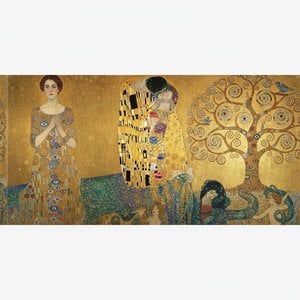
Gustav Klimt 25 Mesterműve: A Szecesszió Aranykora – Vászonképek és Dekorációk
Fedezze fel Gustav Klimt 25 legpazarabb művészeti alkotását! A szecesszió aranykora, ikonikus portrék és szerelmesek története. Vászonképek, reprodukciók és inspiráció otthonába – ArtsDot.com.

