
- Főoldal

- Olajfestmény reprodukció
- william walls
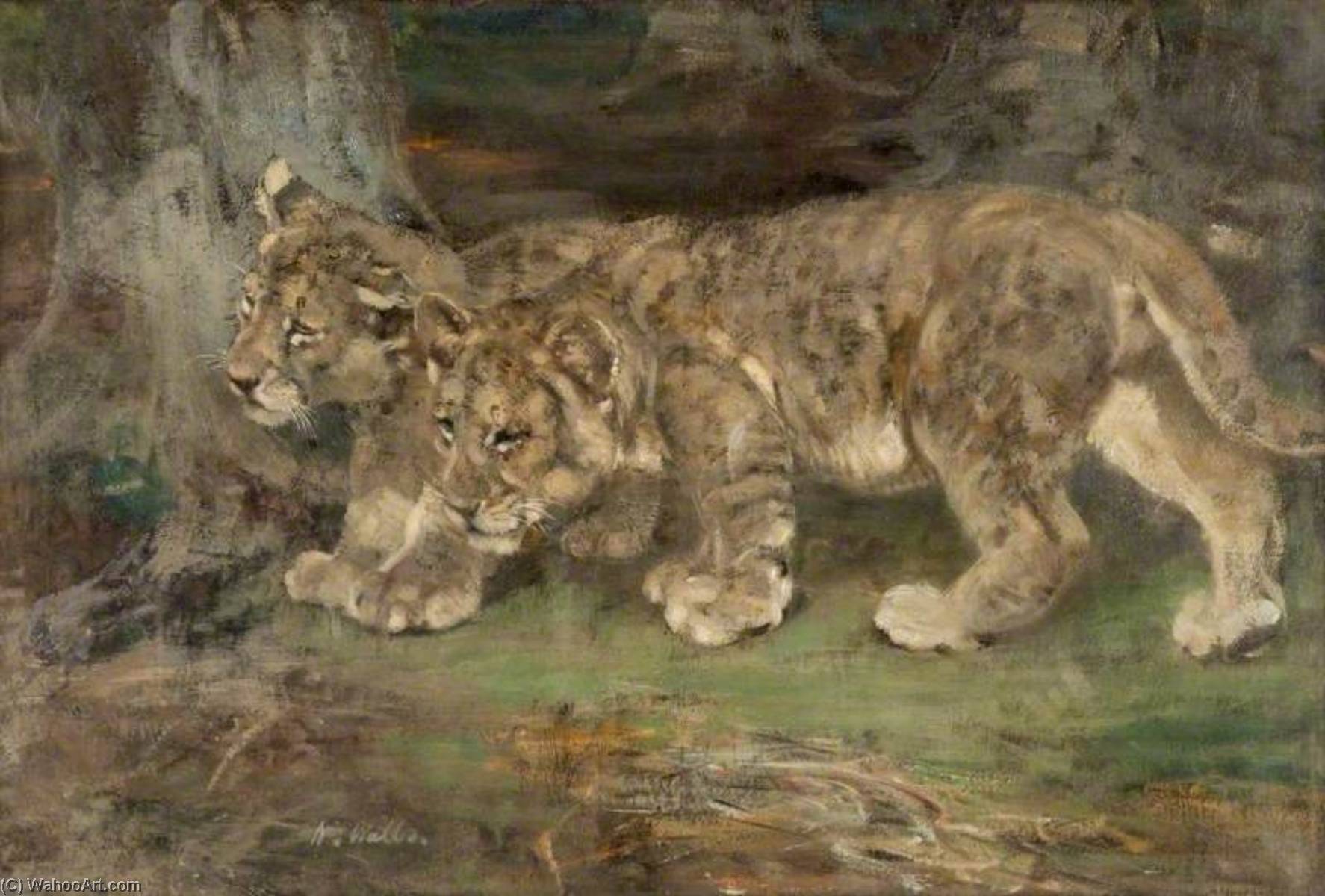
- Lion Cubs, Suspicion
 Nyomat vásárlása Kép letöltése
 Megosztás
 Megosztás
 Details
 Kedvencekhez ad

 Letöltés
 Hasonló alkotások
 X-Ray
X-Ray
 Diavetítés
Lion Cubs, Suspicion
 Impressionism
 1923
1923 65.0 x 97.0 cm
Kézzel készített olajfestmény reprodukció
Kézzel festett olajvastú vászon, az Ön által választott méretben és keretben, művészeink készítik meglévőre.




































 Olvasson tovább
Válasszon előre meghatározott méreteink közül, amelyek megfelelnek a műalkotás eredeti arányainak.

Ön megadhat saját méreteket egy adott kerethez vagy térhez igazításhoz. Ha a kiválasztott méret nem egyezik az eredeti kép arányával, akkor a műalkotást levágjuk, vagy további kézzel festett elemekkel meghosszabbítjuk a festményt. A gyártás megkezdése előtt küldünk Önnek egy digitális előnézetet jóváhagyásra.
Kérjük, vegye figyelembe, hogy a képernyőn megjelenő előnézet nem tükrözi a tényleges vágást vagy kiterjesztést. Csak az előnézet fog pontosan mutatni a végső kompozíciót.
Bár egyedi méretek állnak rendelkezésre, javasoljuk, hogy válasszon egy méretet az előre meghatározott listából az eredeti arányok megőrzése érdekében.
A rendelést követően a ArtsDot.com csapata e-mailt küld az ügyfélnek az instrukciókért, és biztosít egy előnézeti képet (mockup).
Világszerte elérhető szállítás () 3-4 hét alatt a szokásos 5 hét helyett. (1 július). A minőség nem kérdőjelezhető.

Ingyenes globális expressz szállítás

Prémium minőségű len vászon

Teljes szállítási biztosítás

Vámvisszatérítési Garancia

Tökéletes színpontosság garancia

60 napos visszaküldési lehetőség (csak gyártási hibák esetén)

100%-os pénzvisszatérítési garancia

Kedvezmény több termény esetén
 Az üvegkeretes opció csak 110 cm alatti méretben érhető el

Lion Cubs, Suspicion
Reprodukciós technika
A reprodukció mérete
-


Összesített ár
-
A műalkotás leírása
Artistic Style and Technique
William Walls' artistic style is characterized by his attention to detail and ability to capture the subtleties of animal behavior. In "Lion Cubs, Suspicion", the lioness is depicted standing on one paw, while the other paw is placed on the ground, conveying a sense of caution and protectiveness towards her cubs. The cubs themselves are positioned behind their mother, looking out at something off-camera, adding to the sense of tension and curiosity in the scene. Key Features of the painting include:- The use of warm, earthy tones to create a sense of naturalism and authenticity
- The delicate rendering of the lioness's fur and the cubs' playful expressions
- The subtle suggestion of movement and energy in the scene, despite the stillness of the subjects
Comparison with Other Works
William Walls' "Lion Cubs, Suspicion" can be compared to other notable works of wildlife art, such as Jean Léon Gérôme's "Lioness and Her Cubs", which is also available on ArtsDot.com. Another notable work by William Walls is "Leopardess with Cubs", which can be found on ArtsDot.com.For art enthusiasts and collectors, "Lion Cubs, Suspicion" is a rare and captivating piece that offers a unique glimpse into the world of wildlife art. As a handmade oil painting reproduction, it can be appreciated for its beauty, detail, and emotional resonance, making it a valuable addition to any art collection. Visit ArtsDot.com to learn more about this stunning painting and other notable works of art.
Hasonló műalkotások


A művész életrajza
William Walls: A Visionary of Scottish Wildlife and Light
Born in Dunfermline, Scotland, in 1860, William Walls emerged as a significant figure in late 19th-century British art, primarily celebrated for his evocative depictions of wildlife, particularly lions and other animals, alongside stunning landscapes. His artistic journey was marked by formal training at the School of Art and Design and the Royal Scottish Academy, followed by invaluable experience studying under renowned artists in Antwerp, Belgium – a pivotal period that profoundly shaped his distinctive style. Walls’ work transcends mere representation; it's imbued with a palpable sense of atmosphere, capturing not just the appearance of subjects but also their essence and the emotional resonance of the natural world.
Early influences included the meticulous realism championed by artists like Albert Mayer in Antwerp, alongside a growing appreciation for the expressive qualities of color. This combination proved instrumental in developing Walls’ signature approach – characterized by rich, layered brushstrokes, luminous palettes, and an uncanny ability to convey both the physicality and the spirit of his subjects. He was particularly drawn to zoos, meticulously observing animals in their enclosures, translating this direct experience into captivating paintings that revealed a deep understanding of animal behavior and psychology.
A Life Dedicated to Art and Observation
Walls’ career unfolded against the backdrop of rapid industrialization and social change in Scotland. He established himself as a respected artist, exhibiting his work extensively throughout Britain – at prestigious venues such as the Royal Academy, the Royal Scottish Academy, and the Glasgow Institute of Fine Arts. Beyond painting, Walls was also an accomplished teacher at Edinburgh College of Art, nurturing a new generation of artists and sharing his profound knowledge of technique and observation. His influence extended beyond the studio; he served as a judge for the Edinburgh Photographic Society Open Exhibition on two occasions, demonstrating his keen eye for visual detail and composition.
His personal life was equally notable. He married Sarah Cole in 1847, and they had three children. He later remarried to Lady Anne Finch, and then Lady Anne Harcourt. Walls’ dedication to his craft extended beyond the artistic realm; he was a committed member of the community, actively involved in civic affairs and contributing significantly to the development of Glasgow.
The Language of Wildlife: Technique and Symbolism
Walls' technique is immediately recognizable – characterized by bold, confident brushstrokes that create a sense of movement and vitality. He employed a layering approach, building up color gradually to achieve depth and luminosity. His use of light is particularly noteworthy; he masterfully captured the interplay of shadows and highlights, imbuing his paintings with an almost ethereal quality. The lion cubs depicted in works like “Lion Cubs, Suspicion” are not simply rendered animals; they possess a palpable sense of curiosity, playfulness, and vulnerability – qualities that resonate deeply with viewers.
Beyond the technical mastery, Walls’ art is rich in symbolism. The choice of subjects—wild animals often depicted in intimate settings—suggests a contemplation on themes of nature, instinct, and the relationship between humanity and the natural world. His landscapes frequently evoke a sense of solitude and introspection, inviting viewers to contemplate the beauty and power of the Scottish Highlands.
Legacy and Enduring Appeal
William Walls’ work continues to captivate audiences today, demonstrating his enduring appeal as an artist who successfully captured the essence of both wildlife and landscape. His paintings are held in numerous public collections and private hands, testament to their artistic merit and historical significance. He remains a pivotal figure in Scottish art history, representing a bridge between academic training and a deeply personal artistic vision. The evocative power of his work—its ability to transport viewers to the heart of the natural world—ensures that William Walls’ legacy will continue to inspire and delight for generations to come.

william walls
1860 - 1942
Rövid tények
- Artistic Movement Or Style: Landscape & Animal Painting
- Artists Or Movements Influenced By This Artist: ['Edinburgh Zoo']
- Artists Who Influenced This Artist:
- E. A. Hornel
- William Stewart MacGeorge
- Date Of Birth: 1860
- Date Of Death: 1942
- Full Name: William Walls
- Nationality: Scottish
- Notable Artworks:
- Kintail
- Lion Cubs, Suspicion
- Cave Dwellers at Play
- Place Of Birth: Dunfermline, Scotland
Kapcsolódó cikkek

Utazási Emlékek Vásznon: A Nyaralási Fotók Életre Kelése Olajfestményként
Alakítsa kedvenc nyaralási fotóit időtálló olajfestményekké! Professzionális festőművészek, egyedi stílusok és prémium minőség. Személyre szabott műalkotások a ArtsDot-tól – örök emlékek otthonába!


From Imagination to Canvas: Commissioning Bespoke Fantasy Art with Traditional Oil Painting Techniques
Commission breathtaking bespoke fantasy art with skilled oil painters. Explore techniques, artist selection & preservation tips. Invest in a unique masterpiece today!

R.A. Benjamin Williams: Victorian Genre Painting & Social Commentary
Explore the captivating world of Benjamin Williams Leader's Victorian genre paintings. Discover his mastery of naturalism, social commentary & lasting influence on British art. Expert insights at ArtsDot.

René Magritte 25 Mesterműve: A Szürrealizmus Rejtélyei Vászonra – ArtsDot
Fedezze fel René Magritte 25 legikonikusabb művét! A szürrealizmus rejtélyes világába kalauzoljuk – festmények, történetek és inspiráció otthon dekorációjához. Prémium minőségű reprodukciók a ArtsDot-on. Explore the full collection online!
A művészettörténet 10 legikonikusabb olajfestménye – ArtsDot.com
Fedezze fel a művészettörténet 10 legikonikusabb olajfestményét! Leonardo da Vinci, Van Gogh és Rembrandt remekművei – történetükkel, technikájukkal. Múzeumi minőségű reprodukciók otthonába a ArtsDot.com-on! Explore the full collection online.

