


 Előnézet
 Megosztás
 Megosztás
 Részletek
 Útmutató

 Letöltés
 Hasonló darabok
 X-ray felvétel
 Diavetítés
 Statisztika
Victory


 Tovább olvasom
Giclée / Műnyomat
Múzeumi minőségű giclée vagy vászonnyomat, gyors gyártással és rugalmas finomítási lehetőségekkel. ( Kézzel festett másolat vásárlása Áttérés digitális képre)




P118B $10

P118H $10

P118W $10

P438Z $10

P508JH $12

P508YH $12

P805H $10

P805Z $10

P919BZ $10

P919G $10

P919XJ $10

P959ZH $10

P968JZ $12

W106C $8

W218G $10

W218JH $8

W218Y $10

W307PJ $10

W316G $10

W316PJ $8

W316Y $10

W398PJ $8

W4111J $10

W500HY $15

W500JH $15

W692G $12

W849H $8

W940BG $15

W953PJ $8




Válasszon előre meghatározott méreteink közül, amelyek megfelelnek a műalkotás eredeti arányainak.

Megadhat saját méreteket is egy konkrét kerethez vagy helyszínhez igazítva. Amennyiben a kiválasztott méret nem egyezik az eredeti kép arányokkal, a műalkotást le fogjuk vágni, vagy kiegészítjük a képet tükrözött vagy egyszínű szélekkel. A gyártás megkezdése előtt egy digitális tervezetet küldünk jóváhagyásra.
Kérjük, vegye figyelembe, hogy a képernyőn látható előnézet nem tükrözi a tényleges levágást vagy kiegészítést. Csak a tervezet mutatja pontosan a végső kompozíciót.
Bár az egyedi méretek is elérhetőek, az eredeti arányok megőrzése érdekében azt javasoljuk, hogy válasszon a előre meghatározott listából származó méretet.
Világszerte történő kiszállítás területére mindössze 2 hét alatt, a szokásos 4-5 hét helyett. (24 szeptember)

Ingyenes globális expressz szállítás

Prémium minőségű len vászon

Teljes körű szállítási biztosítás

Vámvisszatérítési Garancia

Tökéletes színarányosság garancia

100 napos visszaküldési garancia (csak gyártási hibás termékek esetén)

100% pénzvisszatérítési garancia

Több darab vásárlásakor kedvezmény
 Az üvegkeretes opció csak 110 cm alatti méretben érhető el

Victory
Giclée / Műnyomat
Reprodukció méretei
-


Összesített ár
$ 62
Victory: A Knight’s Triumph – An Exploration of Richards' Masterpiece
William Trost Richards’ “Victory,” painted in 1870 and currently residing within the esteemed Detroit Institute of Arts, is more than just a landscape; it’s a meticulously crafted tableau of chivalry, movement, and an almost palpable sense of triumph. This oil on canvas transcends mere representation, offering a glimpse into the artist's profound understanding of light, composition, and the evocative power of Romanticism blended with a remarkable realism. The painting immediately draws the viewer in with its warm, inviting palette dominated by a fiery orange sky – a dramatic backdrop that suggests both impending action and the glorious aftermath of a hard-won victory. Richards wasn't interested in simply depicting a scene; he sought to capture an *experience*, imbuing his work with a spirit of dynamism and emotional resonance.
At the heart of “Victory” stands a knight, mounted on a magnificent steed that seems poised for immediate flight. The detail invested in the armor is astonishing – each scale, rivet, and decorative element rendered with painstaking precision. The artist’s skill isn't merely technical; it’s evident in the way the light catches the metal, creating an interplay of highlights and shadows that lends a breathtaking sense of texture and volume. Notice how Richards subtly suggests movement through the horse’s musculature and flowing mane – a testament to his ability to convey kinetic energy on canvas. The two birds soaring above, seemingly unconcerned with the drama unfolding below, add a touch of unexpected realism and perhaps even a hint of symbolic commentary.
A Synthesis of Realism and Romanticism
William Trost Richards distinguished himself within the American art scene by rejecting the overly dramatic and idealized styles prevalent in the Hudson River School. Instead, he embraced a rigorous approach to observation, meticulously documenting nature as he perceived it. This commitment to realism is evident in the accurate depiction of the horse’s anatomy, the detailed rendering of the landscape elements, and the subtle nuances of light and shadow. However, Richards wasn't simply a literal recorder; he infused his work with Romantic sensibilities – a sense of grandeur, emotion, and spiritual significance. The knight’s posture, the dramatic sky, and the overall composition all contribute to an atmosphere of heroic intensity.
The choice of orange as the dominant color is particularly noteworthy. It's not merely a decorative element; it evokes feelings of warmth, energy, and passion – aligning perfectly with the theme of victory. The intricate designs on the knight’s armor also hold symbolic weight. These patterns likely represent heraldry, signifying lineage, honor, and allegiance. They are a visual shorthand for the values associated with chivalry and nobility, reinforcing the painting's central narrative.
Historical Context and Artistic Significance
“Victory” was created during a period of significant social and political change in America. The late 19th century witnessed rapid industrialization, urbanization, and westward expansion – events that profoundly impacted American art. Richards’ work reflects this evolving landscape, capturing the spirit of an era defined by both progress and uncertainty. He stands as a bridge between the more traditional Hudson River School and the emerging Pre-Raphaelite movement, incorporating elements of both while forging his own distinctive style.
Richards' meticulous approach to detail, combined with his ability to capture the essence of light and atmosphere, established him as one of the most respected landscape painters of his time. “Victory” is a prime example of his artistic prowess – a testament to his dedication, skill, and profound understanding of the natural world. It’s a painting that invites contemplation, sparking questions about heroism, honor, and the enduring power of human spirit.
Experience "Victory" Through a Hand-Painted Reproduction
ArtsDot offers exquisite, hand-painted reproductions of William Trost Richards' “Victory,” meticulously crafted to capture every nuance and detail of the original masterpiece. Unlike digital prints, our reproductions are created by skilled artists using traditional oil painting techniques, ensuring unparalleled quality and authenticity. Each reproduction is a unique work of art, imbued with the same emotional depth and visual impact as the original.
Whether you’re an art collector, interior designer, or simply someone seeking to bring beauty into your home, a ArtsDot “Victory” reproduction is a stunning addition to any collection. Explore our selection of sizes and framing options at /en/art/show/art-8ye78j-en/ and discover the timeless allure of this iconic American painting.
Hasonló műalkotások


A művész életrajza
A Meticulous Vision of Nature: The Life and Art of William Trost Richards
William Trost Richards, born in Philadelphia on November 14, 1833, occupies a unique position within the pantheon of American landscape painters. He wasn’t driven by the dramatic flourishes or romanticized ideals that characterized many of his contemporaries within the Hudson River School; instead, Richards pursued an almost scientific fidelity to nature, rendering scenes with a precision and detail that bordered on photographic realism. His early life provided a foundation for this distinctive approach. While formally educated at Central High School in Philadelphia, it was his apprenticeship between 1850 and 1855 with the German artist Paul Weber, combined with work as a designer of ornamental metalwork, that instilled within him a dedication to meticulous craftsmanship and observation. This blend of artistic training and practical skill would become the hallmark of his mature style. He wasn’t simply painting what he *felt* about nature; he was painstakingly documenting what he *saw*.From European Influences to American Shores
Richards's artistic journey took him to Europe in 1853, alongside fellow painters William Stanley Haseltine and Alexander Lawrie. This period proved formative, exposing him to the Düsseldorf School of painting—renowned for its detailed landscapes. The Düsseldorf School’s emphasis on meticulous observation, tonal modeling, and a focus on capturing atmospheric effects profoundly influenced Richards's approach to landscape painting. Upon his return to America, Richards began forging a path distinctly his own. He exhibited at the Pennsylvania Academy of Fine Arts from 1852 until 1905, gaining recognition within the Philadelphia art community. His first major public exhibition came in 1858 with a show organized by Albert Bierstadt in New Bedford, Massachusetts, aligning him, albeit loosely, with the Hudson River School tradition. However, even then, his work stood apart. While others sought to capture the sublime grandeur of nature, Richards focused on its intricate details—the texture of rocks, the play of light on water, the delicate structure of foliage. He was particularly drawn to the detailed studies of geological formations and plant life that were characteristic of German landscape painting.The White Mountains and Coastal Reveries
Perhaps Richards is best known for his watercolor views of the White Mountains of New Hampshire. These works, created during summers spent on the East Coast following his European sojourn, are remarkable for their almost clinical accuracy. He didn’t attempt to impose a romantic narrative onto the landscape; he simply presented it as it was—a complex interplay of geological formations, vegetation, and atmospheric conditions. Richards meticulously documented every ridge, every boulder, every patch of moss, striving for an unparalleled level of realism. Many of these watercolors now reside in the collection of the Metropolitan Museum of Art, testament to their enduring artistic merit and demonstrating his mastery of capturing subtle tonal variations and textures. Later in his career, Richards shifted his focus almost exclusively to coastal scenes, particularly along the shores of New Jersey, Maine, and Rhode Island. These paintings reveal a deep fascination with the ocean’s rhythms—the relentless crashing of waves, the shifting patterns of light on the water's surface, the subtle gradations of color in the sky. He built a house in Jamestown, Rhode Island, in 1881, where he lived and worked until his death, fully immersed in the maritime world that became his primary subject matter. These coastal works are characterized by their dynamic compositions and masterful rendering of light and water.A Legacy of Precision and Observation
William Trost Richards passed away on November 8, 1905, in Newport, Rhode Island, leaving behind a body of work that continues to captivate viewers with its meticulous detail and unwavering commitment to realism. His influence can be seen in the works of later artists who embraced a more objective approach to landscape painting. He rejected the romanticism often associated with the Hudson River School, prioritizing factual accuracy and a profound understanding of natural forms. Richards’s paintings are held in numerous prestigious museums across the United States, including the National Gallery, the Saint Louis Art Museum, and the Smithsonian American Art Museum, ensuring that his legacy will endure for generations to come. His daughter, Anna Richards Brewster, also followed in his footsteps as a painter, further extending the family’s artistic contribution. His rejection of romanticism, his insistence on factual accuracy, and his masterful technique set him apart as a unique voice within American art history. *He wasn't interested in creating idealized visions of nature; he wanted to capture its essence with uncompromising honesty.*Exploring Further
- Discover more of Richards’s work at online art databases like ArtsDot.com.
- Delve deeper into his life and career through resources such as Wikipedia and the Smithsonian Archives of American Art.
- Explore works by artists influenced by Richards, such as Enrique Arrigoni and his daughter Anna Richards Brewster.

William Trost Richards
1833 - 1905 , Egyesült Államok
Gyors információk
- Artistic Movement Or Style: Hudson River School
- Artists Or Movements Influenced By This Artist: ['Anna Richards Brewster']
- Artists Who Influenced This Artist:
- Paul Weber
- Albert Bierstadt
- Date Of Birth: November 14, 1833
- Date Of Death: November 8, 1905
- Full Name: William Trost Richards
- Nationality: Amerikai
- Notable Artworks:
- Lago Avernus
- Woodland Landscape
- Place Of Birth: Philadelphia, USA
Kapcsolódó cikkek

Evocations of Place: A Historical Journey Through Landscape Art
Explore the rich history of landscape art with ArtsDot. Discover renowned artists, movements like Impressionism & Romanticism, and expert guidance for collecting timeless pieces. Find your perfect serene escape today!

Evocations of Place: A Historical Journey Through Landscape Art
Explore the rich history of landscape art with ArtsDot. Discover renowned artists, movements like Impressionism & tonalism, and expert guidance for collecting timeless pieces. Find your perfect serene escape today!

A Romantikus Tájképfestészet 10 Legikonikusabb Műalkotása – ArtsDot.com
Fedezze fel a romantikus tájképfestészet 10 legikonikusabb műalkotását! Caspar David Friedrich, J.M.W. Turner és más mesterek festményeinek története – inspiráló olajfestmények otthonába. ArtsDot.com: múzeumi minőségű reprodukciók és egyedi dekorációk online.

John Constable 25 Mesterműve: A Természet Lényege Vászonon – ArtsDot.com
Fedezze fel John Constable 25 legszebb művészeti alkotását! Ismerje meg a romantika ikonikus tájképeit, Dedham Vale szépségét és a természet lenyűgöző ábrázolásait. Vászonkép reprodukcióinkkal eleganciát csempészhet otthonába – ArtsDot.com
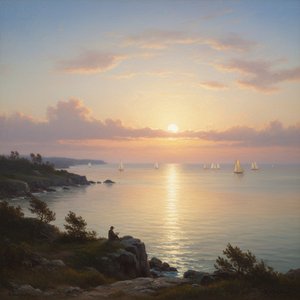
William Trost Richards: Luminism, Spirituality & the American Landscape Tradition
Explore the captivating landscapes of William Trost Richards, a master of Luminism associated with both the Hudson River School & American Pre-Raphaelite movements. Discover his spiritual connection to nature and lasting influence on American art.