


A kép az Ön választásai alapján készült: , .
A gyűjtemény leírása
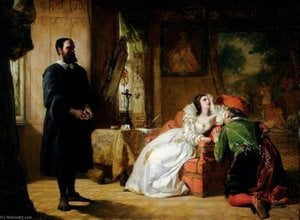
Experience Victorian life through 'The Invalid' by William Powell Frith! This captivating oil painting portrays a family gathering with poignant detail and masterful storytelling.
 Összes részlet megjelenítése
A művész életrajza
"Hungarian Meta Description": "William Powell Frith egykori brit festő, aki a viktorián korszak életét ábrázolta részletesen és realista módon. A 'Derby Day' és 'Railway Station' című alkotásai világsühmek, melyek a kor társadalmi 모습을 tükrözik."
Kézzel készített olajfestmény reprodukció
Kézzel festett olajvastú vászon, az Ön által választott méretben és keretben, művészeink készítik meglévőre. ( Váltás nyomtatványra Áttérés digitális képre)
Több információ erről a festményről
 Megtekintés
 Küldés
 Megosztás
 Részletek
 Útmutató

 Letöltés
 Hasonló darabok
 X-ray felvétel
 Diavetítés
 Kérdések és válaszok
 Statisztika
Rendelje meg festményét négy egyszerű lépésben
Ne siessen! Bármely választ módosítható; az rendelési összesítőben megjelenő ár minden egyes döntésre reagál.
1 Az első lépés négyből
Melyik méretet szeretné?
Ezek a méretek megőrzik az eredeti festmény arányait. A rajz bemutatja a választott méretet egy falon, egy kétszáz centiméteres kanapé felett.
Vagy adja meg a saját méreteit
Válasszon előre meghatározott méreteink közül, amelyek megfelelnek a műalkotás eredeti arányainak.

Írja be a kívánt szélességet és magasságot, hogy illeszkedjen a keretéhez vagy a falához. Mivel ez kézzel festett alkotás, egy eltérő formájú méret esetén a művész akár festhet is valamivel többet a kép körül, vagy korolathat is belőle — az Ön döntésének megfelelően. A festés megkezdése előtt küldünk egy digitális tervezetet jóváhagyásra. Az oldalon látható kép nem tartalmazza a végeredményt — csak a tervezet mutatja meg a valódi eredményt.
2 A négy lépésből a második
Hogyan kívánja előkészíteni: feltekercselve, vászonra feszítve vagy keretezve?
Az alábbi árak az első lépésben választott méretre vonatkoznak.
Válaszd ki a feszített vászon széleit
Válassza ki a keretet

Fehér Ft1

Elmosódott szélek Ft1

Kiterjesztett Ft1

P118B Ft10

P118H Ft10

P118W Ft10

P438Z Ft10

P508JH Ft12

P508YH Ft12

P805H Ft10

P805Z Ft10

P919BZ Ft10

P919G Ft10

P919XJ Ft10

P959ZH Ft10

P968JZ Ft12

W106C Ft8

W218G Ft10

W218JH Ft8

W218Y Ft10

W307PJ Ft10

W316G Ft10

W316PJ Ft8

W316Y Ft10

W398PJ Ft8

W4111J Ft10

W500HY Ft15

W500JH Ft15

W692G Ft12

W849H Ft8

W940BG Ft15

W953PJ Ft8

H24-GOLD Ft30

H24-SILVER Ft30

H36-GOLD Ft45

H36-SILVER Ft45
Keretezett
Keretprofil: . A kerettel együtt vett teljes méret: .
3 A négy lépésből a harmadik
Szeretne változtatni valamit a festményen?
A legtöbb ember nemet mond erre. Mivel minden festmény kézzel készül, művészünk képes az Ön igényei szerint is átalakítani azt.
A megrendelést követően a ArtsDot.com csapat e-mailt küld a vásárlónak az instrukciókkal, és biztosítja a tervezeti előnézetet
4 A négy lépés közül a negyedik
Néhány felületfinisz
Mindegyik opcionális. A már kiválasztott válaszok nem jelentnek plusz költséget.
Ki festette?
Világszerte elérhető szállítás () 3-4 hét alatt a szokásos 5 hét helyett. (8 november). A minőség nem kérdőjelezhető.
Egy felirat, mint egy múzeumban?
A gravírozott bronztábla részletei
This elegant plaque features the artist's name and the title of the artwork, finely engraved for a timeless presentation.
It is made from bronze with a refined, elegant finish. The text is precisely laser-engraved for a sharp and permanent result. Measuring 9x2 cm, the plaque is compact yet easy to read. It's built to be durable and scratch-resistant, offering a professional, museum-quality look. Mounting is simple thanks to the included adhesive backing.
Átlátszó akril tábla részletei
The plaque includes essential engraved details such as the artist's name, the title of the artwork, the date it was created, the type of media used-like oil on canvas or watercolor-a brief description of the piece, and a QR code that links to the complete artwork information.
It is crafted from clear acrylic, offering a sleek, modern appearance. The text is UV-engraved in black to ensure strong visual contrast. With a size of 10x15 cm, it ensures optimal readability. It comes equipped with two metal hooks for secure wall mounting. The plaque is designed to be weather-resistant, making it suitable for various environments, and it includes interactive features that work seamlessly with smartphone scanning.
Fekete akril tábla részletei
This elegant plaque includes engraved information such as the artist's name, the title of the artwork, the date it was created, the type of media used (like oil on canvas or watercolor), a short description of the artwork, and a QR code for quick access to more information.
The plaque itself is made from refined black acrylic with a premium finish. The text is laser-engraved in white for high contrast and readability. Its size is 10x15 cm, designed to be easy to read. It comes with two metal hooks for professional mounting. The design is sleek and fits any interior style. It is also weather-resistant and durable, with built-in digital integration for mobile compatibility.
Egy védőréteg?
Mikor lenne szüksége rá?
✓ Ellenőrizés és rendelés
Az Ön által megrendelt festmény

The Invalid
Reprodukciós technika
Reprodukció mérete
-

Kiváló mesterművész
Nagyobb részletesség, finomság és bővített gyártási idő
-

Reprodukció keretezése
-
-
A bármely oldalsó méretét túlszálaló 105 cm (kb. 41 hüvelyk) meghaladó műalkotások vagy reprodukciók esetében a keret összeszerelhető készletként, szétszerelve kerül szállításra. Ez a módszer biztosítja a biztonságos szállítást, és megakadályozza a szállítás során fellépő sérüléseket.
Szakmész összeszerelést igényel – ez nem DIY (önösszeszerelhető) termék.
A készletet egy tapasztalt keretező szakembernek kell összeszerelnie és a vásznat feszítenie kell, fa ragasztó (nem tartalmazza a csomag), vásznfeszítő fogó és szorítók használatával, amelyek a ragasztó száradásáig a keretrészeket egymáshoz vuôngjba tartják. A helytelen összeszerelés vagy a nem egyenletes vásznfeszítés maradandó károsíthatja a műalkotást, és ez nem része a garanciánknak.
 A bármely oldalsó méretét túlszálaló 105 cm (kb. 41 hüvelyk) meghaladó műalkotások vagy reprodukciók esetében a keret összeszerelhető készletként, szétszerelve kerül szállításra. Ez a módszer biztosítja a biztonságos szállítást, és megakadályozza a szállítás során fellépő sérüléseket.
A készlet tartalmazza az összes tömörfa rudat, pontosan méretre vágva.
A mellékelt csavarokkal, valamint a sarokszerekhez szükséges faütő ragasztóval kell összeszerelnie (ez nem tartalmazható a csomagban), így a keretrendezőnek külön kell beszereznie.
A csomag nem tartalmazza a szükséges professzionális eszközöket: egy vászonfeszítőt és klipseket a rácsok vízszintes tartásához a ragasztó megszáradásáig.
Fontos:
A sarokcsatlakozásokhoz fánylagra van szükség, a keretrudakat szorítókapcsokkal kell rögzíteni, amíg a rag teljesen meg nem szárad, a kész keretre feszített vászonhoz pedig vászonfeszítő fogat szükséges. Ezek egyike sem található meg a készletben. Kérjük, rendelés előtt győződjön meg róla, hogy rendelkezik tapasztalt keretező szakemberrel.

Névtábla
-
-

Védőréteg (Lakk)
Fényes lakk (intenzívabb színek, védelem a fény és a nedvesség hatása ellen)
-

Műalkotásom egyedi igényre szabása
Példák a módosíthatóságra: az arc kicserélése az ügyfél fotójára; háziállat hozzáadása (pl. macska helyett kutya); rejtett üzenet elhelyezése a háttérben; a háttér tájainak vagy elemeinek megváltoztatása.
-

Sürgős
Világszerte szóló szállítás () mindössze 3-4 hét alatt, a szokásos 5 hét helyett. (8 november). A minőség nem kérdőjelezhető.
-
Express szállítás
Világszerte elérhető szállítás területre 5 héten belül. (15 november).
A szállítás díja tartalmazza
Összesített ár
Ft 85768
Az üvegkeretes opció csak 110 cm alatti méretben érhető el
Minden rendelés mellé tartalmazva
- Ingyenes globális expressz szállítás
- Prémium minőségű len vászon
- Teljes körű szállítási biztosítás
- Vámvisszatérítési Garancia
- Hiteles színarányosság garancia
- 100 napos visszaküldési lehetőség (csak hibás termékek esetén)
- 100% pénzvisszatérítési garancia
- Több darab vásárlásakor kedvezmény


A Tender Glimpse into Victorian Intimacy
In the quiet corners of late nineteenth-century England, domestic life was often defined by a delicate balance of social propriety and deep-seated familial devotion. William Powell Frith’s 1890 masterpiece, "The Invalid," serves as a profound window into this era, capturing a moment that is simultaneously heavy with the weight of illness and lightened by the warmth of human connection. The painting presents a domestic tableau where a family gathers around a woman resting in bed, creating an atmosphere that feels less like a formal portrait and more like a stolen glance into a private, sacred space. Through his masterful use of color and composition, Frith invites us to witness the quiet strength found in companionship during times of vulnerability.
The scene is bathed in a comforting, golden glow, achieved through a palette dominated by rich reds, oranges, and yellows. This warmth does more than just illuminate the room; it acts as an emotional embrace, softening the somber reality of the subject matter. As we gaze upon the canvas, our eyes are drawn to the meticulous details that ground the scene in a tangible reality: the steady, silent presence of a grandfather clock on the wall, a vase brimming with fresh flowers that offers a flicker of life amidst the stillness, and scattered books that hint at the intellectual lives of those present. Every element is placed with intention, contributing to a narrative of caregiving and quiet endurance.
Mastery of Narrative and Technique
Frith was renowned for his ability to construct panoramic narratives, and even within this intimate domestic setting, his skill in storytelling is palpable. Drawing significant inspiration from the celebrated Sir David Wilkie, Frith eschews grand, theatrical gestures in favor of a more nuanced realism. He does not merely record a scene; he constructs an unfolding drama where the unspoken anxieties and affections of the characters are felt by the viewer. The positioning of the figures—particularly the man seated vigilantly beside the bed—underscores the Victorian ideal of duty and support, making the painting a poignant study of the bonds that hold a family together.
For the discerning collector or interior designer, "The Invalid" offers much more than mere decoration. It is a piece of historical storytelling that brings a sense of depth and soul to any space. The painting’s ability to evoke empathy makes it an ideal centerpiece for rooms designed for reflection and conversation. Whether placed in a traditional study or a contemporary living area, the work provides a sophisticated touch of nostalgia, reminding us of the timelessness of love and the enduring importance of presence in the face of adversity.
Kérdések és válaszok
Milyen domináns alapszín jellemzi „The Invalid”, William Powell Frith alkotása alkotást?
A „The Invalid” egy Golden Yellow Range tónus felé hajlik.
Mely korszakban készült a „The Invalid”, William Powell Frith alkotása?
A "The Invalid" a 19th Century korszak alkotása.
Mit ábrázol a "The Invalid", és milyen hangulatot áraszt?
A "The Invalid" című alkotás family life, domestic scene, victorian era, interior painting, observation, detail, warm colors témákat ábrázol, hangulata pedig Calm.
Hasonló műalkotások


William Powell Frith
1819 - 1909, Egyesült Királyföld
A művész életrajza
Early Life and Artistic Beginnings
William Powell Frith’s journey into the world of art began in a surprisingly modest setting – Aldfield, a small village nestled near Ripon in North Yorkshire. Born on January 9, 1819, he was the son of a hotelier, a profession that initially steered his path towards an auctioneer's career. However, fate, and perhaps a discerning father, recognized a deeper artistic talent within him, recognizing a potential far beyond the realm of bidding and sales. This early encouragement proved pivotal, setting in motion a trajectory that would ultimately lead to him becoming one of the most celebrated painters of his era.
Frith’s formative years were spent honing his skills at Sass's Academy in London, a prestigious institution renowned for its rigorous training and emphasis on traditional techniques. It was here that he immersed himself in the study of anatomy, perspective, and composition – the fundamental building blocks of any successful artist. Later, he further refined his abilities at the Royal Academy Schools, absorbing the lessons of established masters and developing his own distinctive style.
Initially, Frith’s artistic focus leaned towards portraiture and literary subjects, capturing the likenesses of prominent figures and illustrating beloved works of literature like those by Shakespeare and Scott. These early endeavors provided a valuable foundation, allowing him to develop his technical proficiency and cultivate an appreciation for detail – qualities that would later become hallmarks of his celebrated genre paintings.
The Clique and Influences
Frith’s artistic development was inextricably linked to the influential group known as “The Clique,” a coterie of artists who gathered in London during the mid-19th century. This exclusive circle, comprised of figures such as Richard Dadd, Augustus Egg, and Henry O’Neil, fostered a spirit of experimentation and collaboration, pushing the boundaries of artistic expression. Membership in The Clique provided Frith with access to invaluable insights, shared techniques, and a stimulating environment for creative growth.
Significantly, Frith was profoundly influenced by Sir David Wilkie, a celebrated painter known for his masterful depictions of domestic scenes. Wilkie’s ability to capture the nuances of everyday life – the interactions, emotions, and social dynamics within ordinary settings – served as a guiding inspiration for Frith. He particularly admired Wilkie's approach to portraying crowds, meticulously rendering each individual with remarkable detail and capturing the energy and movement of the scene.
Furthermore, Frith’s work demonstrates an awareness of contemporary photographic techniques, notably those pioneered by Robert Howlett. He skillfully utilized photographs as reference material, employing them to achieve a heightened level of realism and accuracy in his paintings – particularly evident in works like The Derby Day, where the sheer number of figures requires incredible precision.
Masterpieces: Capturing Victorian Life
Frith’s artistic career blossomed during the height of the Victorian era, a period characterized by rapid social and technological change. He seized upon this opportunity to document the vibrant tapestry of London life, creating a series of iconic paintings that offer unparalleled glimpses into the customs, fashions, and social interactions of the time. His most celebrated works include Ramsgate Sands (1854), a lively depiction of seaside revelry; The Derby Day (1858), a meticulously rendered panorama of Epsom Downs Racecourse teeming with elegantly dressed spectators; and The Railway Station (1862), a detailed portrayal of Paddington Station’s bustling activity.
Among his most poignant works is The Sleeping Model (1853), presented as his Diploma work at the Royal Academy. This painting, which explores the stark contrast between wealth and poverty, remains a powerful commentary on Victorian society. Similarly, The Crossing Sweeper (1858) powerfully illustrates the inequalities of the era, depicting a wealthy gentleman’s indifference to the plight of a street sweeper.
Later Years and Legacy
William Powell Frith lived a remarkably long life, witnessing significant transformations in the art world during the Victorian period. He continued to paint prolifically until his death on November 2, 1909, at the age of 90. Throughout his career, he maintained a strong sense of tradition and expressed reservations about the emerging trends of modern art.
Frith’s legacy extends far beyond his individual achievements. His paintings provide invaluable historical documentation of Victorian society, capturing its social dynamics, fashion, leisure activities, and prevailing attitudes. His meticulous attention to detail and masterful rendering of crowds set a new standard for genre painting in Britain, elevating it to a respected art form. Today, Frith’s works are exhibited worldwide, offering viewers a captivating window into the sights and sounds of 19th-century London – a testament to his enduring artistic vision.


Kapcsolódó cikkek

The Gaze of a Changing World: Victorian Realism & Modern Life
Explore the captivating world of Victorian Realism! Discover genre painting's rise, social commentary in art, & masters like Fedotov and Wilkie. Expert analysis & high-quality reproductions at ArtsDot.

George Goodwin Kilburne: Capturing Victorian Sentimentality Through Genre Painting
Explore the evocative Victorian paintings of George Goodwin Kilburne. Discover his detailed scenes of domestic life, masterful use of light, and lasting impact on British genre painting. Learn more at ArtsDot.

Robert Lillie: A Study in Victorian Genre Painting and Domestic Narrative
Explore the captivating Victorian genre paintings of Robert Lillie (1867-1949). Discover his serene Scottish landscapes and intimate domestic scenes, reflecting a unique artistic vision. Learn about his life, style & legacy.