
- Főoldal

- Digitális kép
- William James Glackens
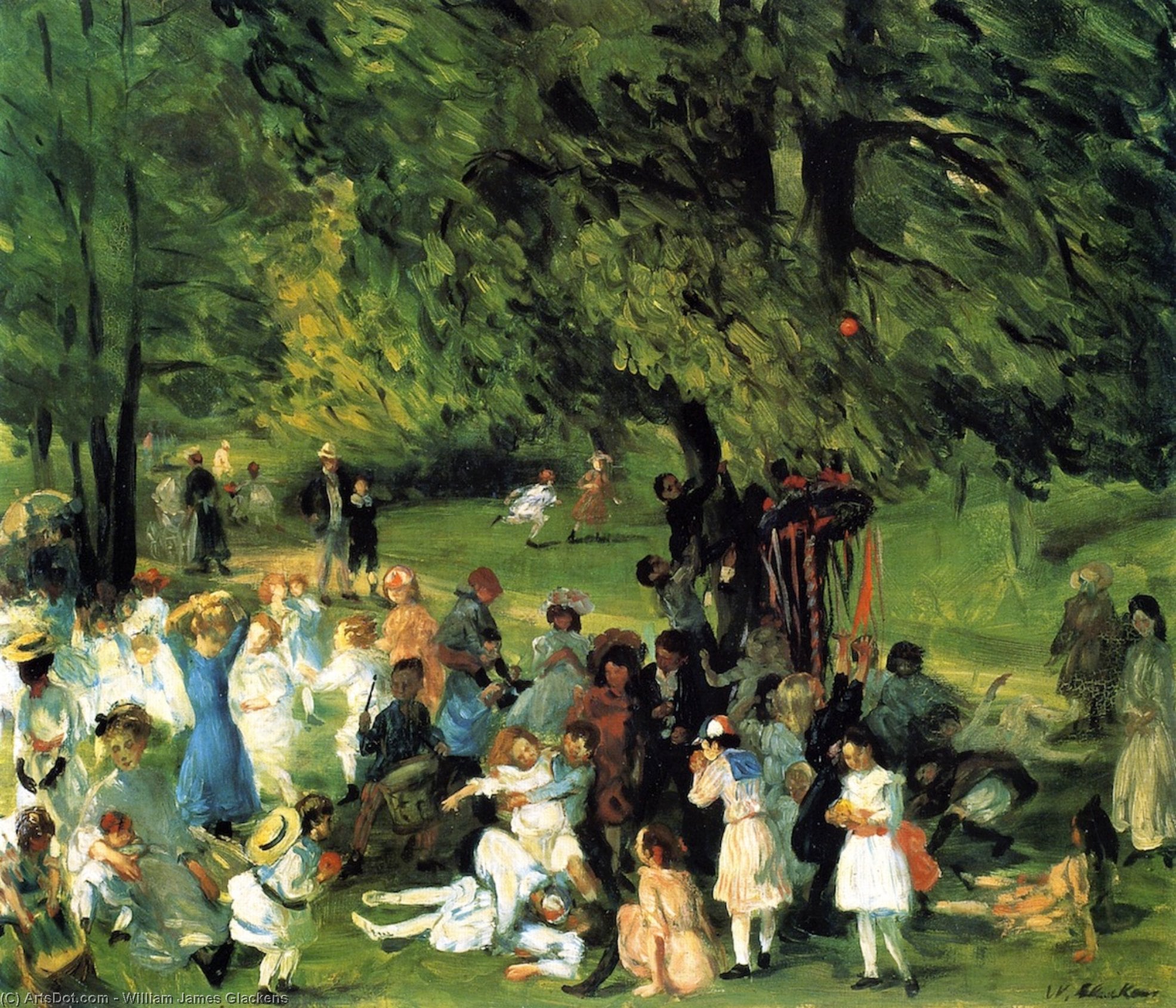
- May Day in Central Park
 Nyomat vásárlása Készíttetnék festményként
 Megosztás
 Megosztás
 Details
 Kedvencekhez ad

 Letöltés
 Hasonló alkotások
 X-Ray
X-Ray
 Diavetítés
May Day in Central Park


Vásároljon egy nagy felbontású, javított digitális képet, amely sokkal jobb minőségű, mint az online előnézet.
Minden fájlt szakembereink a legmodernebb eszközök és precíz, kézi retusálás segítségével készítenek el aprólékosan. Gondoskodunk arról, hogy minden kép kivételes tisztasággal, pontos színhelyességgel és részletgazdag finomsággal rendelkezzen.
A végleges fájl 72 órán belül e-mailben megérkezik, professzionális, szerkesztői és nyomtatási környezetbe optimalizálva az azonnali használathoz. Ez ugyanaz a minőség, amelyben a legmeghatározóbb tervezőstúdiók, kiadók és galériák is megbízhatnak.
 Olvasson tovább
Digitális alkotás
Töltsön le nagy felbontású fájlt személyes kiállításokhoz, nyomtatáshoz és kreatív projektekhez.
Minden digitális kép rendeléséhez tartozó extrák
Szakértői digitális kézbesítés, garantáltan
Amikor a ArtsDot.com weboldalt választja, nem csupán egy képet kap – professzionálisan felmagasított digitális műalkotást kap, amely precizitással készült, és amelyet megelégsedési gwarancia tesz biztoslássá. Az alábbiakban automatikusan minden benne 】

Gyors e-mail teslimítés
A nagy felbontású digitális képmásolatát a megrendelést követő 72 órán belül e-mailben elküldjük Önnek – azonnal használható formátumban.

MI-alapú digitális feldolgozású fájl
Műve professzionális módon kerül optimalizálásra fejlett mesterséges intelligencia eszközök és manuális szerkesztés segítségével, biztosítva a maximális részletességet, tisztaságot és színpontosságot.

Örök életű ingyenes újradelivery
Véletlenül törölted vagy elvesztetted a fájlodat? Ne aggódj – bármikor ingyenesen újra megküldjük neked.

Nincs importköltség – soha
Élvezze műalkotásait azonnal, vám, illeték vagy szállítási költség nélkül – a digitális letöltések mindig adamentesek.

Színpontosság Garancia
Professzionális eszközök és színkezelés segítségével garantáljuk, hogy digitális képe a lehető legpontosabban tükrözze az eredeti színeket.

60 napos elégedettségi garancia
Ha nemມີ elégedett a digitális képpel, 60 napon belül átmunkáljuk azt, vagy 100% visszatérítjük az amountot – kérdés nélkül.

100% Pénzvisszatérítési garancia
Nem érheted el a teljes elégedettséget? 60 napon belül teljes visszatérítést kapsz a digitális fájlod megérkezése után – kérdés बिना.

Tömegrendelési kedvezmények
Vásároljon 3 képet, spóroljon 10%-et - Vásároljon 5-öt, spóroljon 15%-et - Vásároljon 10+ képet, spóroljon 20%-at. Kiváló kreatív projektekhez, galériákhoz és ügynökségekhez.
A gyűjtemény leírása
A Vibrant Snapshot of Urban Life: William James Glackens’ “May Day in Central Park”
William James Glackens' "May Day in Central Park," painted in 1905, isn’t merely a depiction of a park scene; it’s a vibrant portal into the heart of early 20th-century New York City. Captured during the height of the Ashcan School movement, this oil on canvas offers a raw and unvarnished glimpse of everyday life – a bustling celebration unfolding amidst the verdant backdrop of Central Park. Glackens, a key figure in this revolutionary artistic circle, eschewed the idealized portrayals favored by academic art, instead choosing to document the gritty realities of urban existence with an honesty that resonated deeply with his contemporaries and continues to captivate viewers today.
The painting immediately draws the eye into a scene brimming with energy. A diverse crowd – men in suits, women in fashionable dresses, children playing – are engaged in various activities: picnicking beneath towering trees, chatting animatedly, and simply enjoying the sunshine. The composition is masterfully balanced, guiding the viewer’s gaze through the lively tableau. Notice the careful placement of details—an apple resting on a blanket, a handbag casually draped over a chair—these small touches ground the scene in a palpable sense of realism, reminding us that this isn't a staged spectacle but an authentic moment captured by Glackens’ discerning eye.
The Ashcan School and its Rejection of Tradition
To fully appreciate “May Day in Central Park,” it’s crucial to understand the context of the Ashcan School. Emerging in the late 19th and early 20th centuries, this movement represented a deliberate break from the established norms of American art. Artists like Glackens, Robert Henri, and John Sloan rejected the polished surfaces and mythological subjects favored by the National Academy of Design, instead focusing on depicting the lives of ordinary people in their urban environments. Glackens’ work embodies this ethos—he doesn't shy away from portraying the less glamorous aspects of city life, capturing its energy, its chaos, and its inherent beauty with a bold and unapologetic style.
His technique reflects this commitment to realism. Glackens employs a distinctive palette dominated by dark hues – deep greens, browns, and blues—contrasted sharply with the vibrant pinks, creams, and whites of the figures. This creates a dynamic visual effect, emphasizing the movement and vitality of the scene. His brushwork is loose and expressive, conveying a sense of immediacy and capturing the fleeting moments of urban life. The impasto technique – applying paint thickly to the canvas – adds textural richness and depth, further enhancing the painting’s visceral impact.
Symbolism and Emotional Resonance
Beyond its realistic depiction of a park gathering, “May Day in Central Park” carries deeper symbolic weight. May Day itself represents renewal, celebration, and the arrival of summer – themes powerfully conveyed through the painting's joyful atmosphere. The figures engaged in various activities—picnicking, playing, conversing—suggest a sense of community and shared experience. The presence of the trees, bathed in dappled sunlight, evokes feelings of tranquility and connection to nature, offering a welcome respite from the hustle and bustle of city life.
Glackens’ masterful use of light and color contributes significantly to the painting's emotional resonance. The warm hues create a sense of warmth and vitality, drawing the viewer into the scene and inviting them to share in the joy of the moment. The composition is carefully balanced, ensuring that all elements contribute to the overall feeling of optimism and celebration. “May Day in Central Park” isn’t just a painting; it's an invitation to step back in time and experience the vibrant spirit of early 20th-century New York City.
Bringing History Home: Reproductions Available
Today, reproductions of "May Day in Central Park" are available through ArtsDot.com, offering art lovers the opportunity to own a piece of this iconic American masterpiece. These meticulously crafted reproductions capture the essence of Glackens’ original work, allowing you to bring the energy and beauty of Central Park into your home or office. For further insights into William James Glackens and the Ashcan School, we encourage you to explore resources like Wikipedia and WikiArt.
Hasonló műalkotások


Művész életrajza
William James Glackens: A Pioneer of the Ashcan School
William James Glackens, a name synonymous with gritty realism and vibrant urban life in early 20th-century America, was more than just an artist; he was a documentarian of his time. Born in Philadelphia in 1870, his artistic journey began not within the hallowed halls of formal academies, but amidst the bustling streets and working-class neighborhoods that would become the very subject of his paintings. Glackens’ early years were marked by an innate talent for drawing, nurtured through self-study and a keen observation of the world around him – a foundation that would prove crucial to his later success as a leading figure in the Ashcan School movement.Early Influences and Artistic Training
Glackens' artistic development was profoundly shaped by several key influences. He initially attended the Pennsylvania Academy of the Fine Arts, where he studied under Thomas Anshutz, a renowned realist painter known for his meticulous depictions of everyday life. However, Glackens’ approach diverged from the more traditional academic style favored at the academy. Simultaneously, he found himself immersed in the world of newspaper illustration, working for publications like *The Philadelphia Record* and *The Philadelphia Press*. This experience proved invaluable, honing his skills in capturing fleeting moments and conveying a sense of immediacy – qualities that would later define his artistic vision. It was during this period that Glackens began to develop his distinctive style, characterized by bold brushstrokes, dark palettes, and an unflinching portrayal of the realities of urban existence.The Ashcan School and Urban Realism
Glackens’ most significant contribution to American art lies in his association with the Ashcan School. This movement, emerging around the turn of the 20th century, rejected the idealized subjects and polished techniques of academic painting, instead focusing on depicting contemporary life – often the less glamorous aspects – in a raw and honest manner. Artists like Robert Henri championed this approach, encouraging their followers to paint what they saw, where they saw it: the crowded streets, the bustling markets, the smoky bars, and the diverse faces of New York City and Philadelphia. Glackens embraced this ethos wholeheartedly, producing a prolific body of work that captured the energy, vitality, and sometimes-rough edges of urban America. His paintings weren’t romanticized fantasies; they were snapshots of real life, imbued with a sense of immediacy and authenticity.Notable Works and Artistic Evolution
Glackens' oeuvre is rich in memorable images, each reflecting his unique artistic vision. *Hammerstein’s Roof Garden* (1901) stands as a particularly significant work, capturing the vibrant atmosphere of a popular rooftop entertainment venue – a microcosm of urban life during a period of rapid social and technological change. His series depicting Coney Island, such as “Papa, Carry Me—Take Me Up in Your Arms,” offers glimpses into the leisure activities and social dynamics of working-class communities. Later in his career, Glackens’ style evolved, influenced by the Impressionist painter Pierre Auguste Renoir. He shifted towards brighter colors and softer brushstrokes, while continuing to explore themes of urban life and everyday experiences. His masterpiece, “The Shoppers,” exemplifies this transition, retaining a sense of realism while embracing a more luminous palette.Legacy and Historical Significance
William James Glackens’ legacy extends far beyond his individual paintings. He played a crucial role in shaping the course of American art by challenging conventional artistic norms and paving the way for future generations of realist painters. His work helped to elevate the status of urban life as a subject worthy of serious artistic attention, contributing significantly to the development of modern American painting. Furthermore, Glackens’ collaboration with Albert C. Barnes in acquiring European paintings for the Barnes Foundation enriched the collection and solidified its place as a cornerstone of American art history. Glackens' work continues to resonate today, offering a valuable window into the social and cultural landscape of early 20th-century America – a testament to his enduring artistic vision and his profound impact on the development of modern American painting.
William James Glackens
1870 - 1938 , Egyesült Államok
Rövid tények
- Artistic Movement Or Style: Ashcan School
- Artists Or Movements Influenced By This Artist: ['Pierre Auguste Renoir']
- Artists Who Influenced This Artist: ['Thomas Anshutz']
- Date Of Birth: Philadelphia, ÜSÁ (1870)
- Date Of Death: Westport, CT (1938)
- Full Name: William James Glackens
- Nationality: Amerikai
- Notable Artworks:
- A Nagy Ördög és Az Éjszaka Ruhával Megölt Nő
- Az Égi Üdvözítő
- Place Of Birth: Philadelphia

