

 Megtekintés
 Küldés
 Megosztás
 Részletek
 Útmutató

 Letöltés
 Hasonló darabok
 X-ray felvétel
 Diavetítés
 Q&A
Q&A Statisztika
Cagnes

- 58.0 x 71.0 cm


 Összes részlet megjelenítése
Az ezen az oldalon megjelenített műalkotások szerzői jogi védelem alatt állnak, ami azt jelenti, hogy törvényileg nem készíthetünk és nem adhatunk el belőlük pontos másolatokat. Ez a védelem olyan nemzetközi megállapodások alapján érvényesül, mint például a Berni Egyezmény és a nemzeti jogszabályok által, beleértve azokat is, amelyeket meghatározott Az USA szerzői jogi törvénye – 17. cím.
Ez a módszer teljes mértékben megfelel a szerzői jogi szabályozásnak, mivel nem tartalmazza a védett műalkotás másolását vagy duplikálását. Ehelyett ez egy kreatív újinterpretáció – egy új festmény, amely az eredetivel való összefüggései miatt hatással van rá, de nem az az.
Giclée / Műnyomat
Múzeumi minőségű giclée vagy vászonnyomat, gyors gyártással és rugalmas finomítási lehetőségekkel. ( Kézzel festett másolat rendelése Áttérés digitális képre)




P118B Ft10

P118H Ft10

P118W Ft10

P438Z Ft10

P508JH Ft12

P508YH Ft12

P805H Ft10

P805Z Ft10

P919BZ Ft10

P919G Ft10

P919XJ Ft10

P959ZH Ft10

P968JZ Ft12

W106C Ft8

W218G Ft10

W218JH Ft8

W218Y Ft10

W307PJ Ft10

W316G Ft10

W316PJ Ft8

W316Y Ft10

W398PJ Ft8

W4111J Ft10

W500HY Ft15

W500JH Ft15

W692G Ft12

W849H Ft8

W940BG Ft15

W953PJ Ft8




Válasszon előre meghatározott méreteink közül, amelyek megfelelnek a műalkotás eredeti arányainak.

Írja be a keretének vagy a falának megfelelő szélességet és magasságot. A nyomatot csak le lehet vágni, soha nem tehető nagyobbá, mint az eredeti kép, így egy eltérő alakú méretnél a kép egy része elveszik. Mielőtt bármit kinyatintanánk, küldünk egy digitális próbamodellt jóváhagyásra. Az oldalon látható kép nem tartalmazza a valós levágást — ezt csak a próbamodell mutatja meg.
Világszerte történő kiszállítás területére mindössze 2 hét alatt, a szokásos 4-5 hét helyett. (2 november)

Ingyenes globális expressz szállítás

Prémium minőségű len vászon

Teljes körű szállítási biztosítás

Vámvisszatérítési Garancia

Hiteles színarányosság garancia

100 napos visszaküldési lehetőség (csak hibás termékek esetén)

100% pénzvisszatérítési garancia

Több darab vásárlásakor kedvezmény
 Az üvegkeretes opció csak 110 cm alatti méretben érhető el

Cagnes
Giclée / Műnyomat
Reprodukció mérete
-


Összesített ár
Ft 20304
A Window into the Soul of Cagnes
In his 1929 masterpiece, Cagnes, William H. Johnson invites the viewer to step into a world where time seems to both stand still and slowly dissolve. This evocative oil on canvas captures a poignant moment in the French landscape, presenting a scene that is as much about memory as it is about physical space. The painting depicts a mountainous terrain punctuated by structures that bear the heavy weight of history; some houses stand firm, while others appear to be crumbling under the gentle but relentless pressure of the passing years. Through his masterful use of light and form, Johnson transforms a simple street scene into a profound meditation on the impermanence of human existence and the enduring strength of the natural world.
The composition is a delicate dance between the architectural and the organic. In the foreground, trees frame the view, their presence grounding the viewer in the earthiness of the setting. As the eye wanders toward the background, the buildings emerge from the landscape, their weathered facades telling stories of lives lived and eras passed. A solitary figure stands near the center of the canvas, a quiet observer caught in the rhythm of daily life. This person serves as an emotional anchor, providing a sense of scale and a human connection to the vast, decaying beauty surrounding them. The presence of this figure invites us to contemplate our own place within the grand, unfolding narrative of history.
The Fusion of Modernism and Folk Tradition
What makes Cagnes particularly captivating for collectors and enthusiasts is Johnson’s unique ability to blend the avant-garde with the ancestral. During this period of his career, Johnson was experimenting with a style that bridged the gap between European modernism and the soulful simplicity of folk art. The technique employed here utilizes bold, deliberate strokes that define the shapes of the mountains and dwellings without sacrificing the textured, tactile quality of the oil medium. There is a rhythmic quality to the way the colors are applied, creating a visual melody that resonates with the vibrancy of the French countryside while maintaining a certain structural discipline.
For the interior designer, this piece offers a sophisticated layer of depth and narrative. The palette—a blend of earthy tones and atmospheric light—allows it to serve as a focal point in a room that values character and historical resonance. Whether placed in a contemporary gallery-style setting or a more traditional, curated space, the painting brings an air of contemplative elegance. It is not merely a decoration; it is a conversation piece that prompts reflection on the beauty found in decay and the resilience of spirit that Johnson so famously championed throughout his illustrious career.
A Legacy of Resilience
To understand Cagnes, one must understand the hand that held the brush. As a pivotal figure of the Harlem Renaissance, William H. Johnson infused his work with a profound sense of identity and spiritual depth. Even when painting European landscapes, his visual language remained deeply connected to themes of perseverance and the interconnectedness of all living things. The crumbling houses in this work are not merely symbols of loss, but rather markers of a cycle—a reminder that from the old, new life and new stories inevitably emerge.
Owning a high-quality reproduction of this work allows one to possess a fragment of this historical dialogue. It is an opportunity to surround oneself with art that does more than please the eye; it challenges the heart. For those seeking to curate a collection defined by emotional intelligence and artistic significance, Cagnes stands as a testament to the enduring power of vision, making it an invaluable addition to any serious collection of American modernism.
Kérdések és válaszok
Milyen helyet foglal el a művészettörténelemben a "Cagnes"?
Történelmileg a "Cagnes" a szélesebb körű Modern korszak Modernism alkotása.
Melyik szín tűnik ki leginkább a(z) "Cagnes" alkotásból?
A(z) Celadon (#c1b8ab) a(z) „Cagnes”, William H. Johnson alkotása domináns színe.
Mikor készült a(z) „Cagnes”, William H. Johnson alkotása?
A "Cagnes" 1929-ban készült. Ez az időpont meghatározó jelentőséggel bír William H. Johnson pályájában és az adott korszak kontextusában is.
Hasonló műalkotások


A művész életrajza
William H. Johnson élete és művészete: A Harlem Reneszánsz hangja
William Henry Johnson (1901–1970) az amerikai művészettörténet egyik legkiemelkedőbb alakja, különösen a vibráló Harlem Reneszánsz kontextusában. Dél-Karolinában, Florence városában született, és művészi útja a Jim Crow Amerika komplexitásai között kezdődött, ami mélyen formálta világnézetét és egyedi vizuális nyelvét – a modern absztrakció és a gyökérzett népi hagyományok keverékét, amely máig rezonál. Johnson korai évei mély kapcsolatot ápoltak az afro-amerikai kultúrával és spiritualitással. Befogadta a gospelt, a generációk által továbbadott történetmesélési hagyományokat és a Yoruba vallás ikonográfiáját, amelyek művészi folyamatának szerves részévé váltak. Ez a szájhagyományban gyökerező alap átfordult vásznakra, tele szimbolikus képekkel – lelkekkel, állatokkal és geometriai mintázatokkal –, amelyek a küzdelem, a kitartás és a spirituális transzcendencia narratíváit közvetítették. Művészi fejlődése kontinenseken űződött, Európától Mexikóig, ahol különböző médiumokban csiszolta képességeit, beleértve az olajfestéket, az akvarellt és a kollázst. Technikákat ölelt fel, mint például az impasto – vastag pigmentrétegek felvitele –, hogy tapintható textúrát és érzelmi intenzitást kölcsönözzön festményeinek. Ez a megközelítés tükrözte az expresszionizmus szenvedélyes kifejezését, Johnson azonban egyedi esztétikát tartott fenn személyes örökségében gyökerezve.Művészeti stílus és témák
Johnson munkásságát a tárgyak lenyűgöző sokszínűsége jellemzi – portrék, amelyek az afro-amerikai egyének méltóságát és ellenállóképességét rögzítik, tájképek, amelyek Dél-Karolina vidéki szépségét ábrázolják, és fantasztikus látomások, amelyek a mitológia és a spiritualitás témáit vizsgálják. Fontos művei közé tartozik „A Fekete Krisztus” (1938), egy monumentális vászon, amely Yoruba szimbolizmussal áthatott, erőteljesen közvetítve a hitet és az együttérzést; "A Nagy Szellem" (1964), amely Johnson sámánisztikus képeinek felfedezését testesíti meg, valamint „Fekete Fiú” (1937), egy megható ábrázolás a fiatalok ártatlanságáról, amely szembenéz a nehézségekkel. Johnson festményeire jellemző az egyszerűsített formák használata, élénk színek és erőteljes kontrasztok alkalmazása. Stílusát gyakran a népművészethez kötik, de nem szabad elfelejteni modernista gyökereit sem. A művei nem csupán vizuális ábrázolások, hanem mélyen szimbolikus történetek, amelyek az afro-amerikai tapasztalatok komplexitását és gazdagságát tükrözik.Hatások és fejlődés
Johnson művészetére számos tényező hatott. Az európai utazásai során megismerkedett a modernizmus különböző áramlataival, beleértül az expresszionizmussal és a kubizmussal. Mexikóban pedig a népművészet és a falmuralizmus inspirálta őt. Fontos szerepet játszott John Wollaston portréfestő műveinek tanulmányozása is, amelynek hatása látható Johnson korai portréin. Az 1930-as években Johnson stílusa egyre inkább a népi hagyományok felé fordult. Ez az időszak a "Sötét Színpadi" sorozatával jellemezhető, amely afro-amerikai életképeket ábrázol egyszerűsített formákban és élénk színekben. A második világháború után Johnson művészete egyre absztraktabbá vált, de megmaradt a szimbolizmus és az érzelmi intenzitás jellemzője.Örökség és jelentőség
William H. Johnson öröksége messze túlmutat művészi teljesítményein. Szerepe kiemelkedő volt az afro-amerikai művészet népszerűsítésében, valamint a fiatal művészek mentorálásában. Művei ma a világ legjelentősebb múzeumaiban találhatók, beleértve a Smithsonian American Art Museumot és a Hampton University Museumban is, bizonyítva tartós művészi érdemeit és történelmi jelentőségét a Harlem Reneszánsz elkötelezettségének jelképeként a fekete élet őszinte és méltó ábrázolásában.Gyors tények
- Művészeti mozgalom vagy stílus: Harlem Reneszánsz; Expresszionizmus
- Az ezen a művészen hatott művészek és mozgások: Expresszionizmus
- A művész által befolyásolt művészek: John Wollaston
- Születési dátum: 1901
- Teljes név: William Henry Johnson
- Nemzetiség: Amerikai
- Figyelemre méltó műalkotások: Sir William Johnson Medálokat mutat be..., William Johnson Fox
- Születési hely: Florence, Egyesült Államok

William H. Johnson
1901 - 1970 , Egyesült Államok
Rövid információk
- Artistic Movement Or Style: Harlem Renaissance; Expresszionizmus
- Artists Or Movements Influenced By This Artist: ['Expresszionizmus']
- Artists Who Influenced This Artist: ['John Wollaston']
- Date Of Birth: 1901
- Date Of Death: 1970
- Full Name: William Henry Johnson
- Nationality: Amerikai
- Notable Artworks:
- The Black Christ
- The Great Spirit
- Place Of Birth (City And Country): Florence, USA
Kapcsolódó cikkek
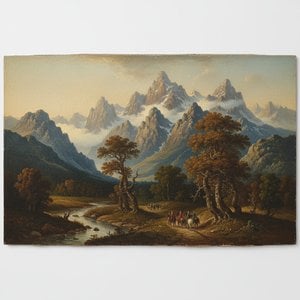
Majestic Peaks on Canvas: A Historical & Artistic Exploration of Mountains in Fine Art
Explore the history of mountain painting! Discover Romantic masterpieces & key artists like Dahl & Calame. Learn about the Sublime & Picturesque aesthetics and find your perfect artwork at ArtsDot.

Echoes of Tradition: Exploring the Enduring Legacy of Folk Art Movements
Explore the rich history of folk art movements worldwide! Discover definitions, notable artists, and the enduring legacy of this captivating tradition. Expert insights & high-quality reproductions at ArtsDot.

A kortárs utcai művészet felemelkedése: vandalizmustól a látomásig
Fedezze fel az utcai művészet lenyűgöző világát! Ismerje meg a graffiti gyökereitől kezdve Banksy alkotásait és a kortárs utcaművészet legújabb trendjeit. Művészettörténeti áttekintés és inspiráció.

Edward Hicks’ ‘Peaceable Kingdom’: American Folk Art & the Shaping of a National Identity
Explore the profound symbolism & historical context of Edward Hicks’ ‘Peaceable Kingdom.’ Discover how this iconic American folk art masterpiece reflects Quaker values and shaped a nation's identity. Learn more at ArtsDot.

Beyond Graffiti: Exploring the Evolution & Cultural Impact of Street Art for Collectors
Explore the evolution of street art from rebellious origins to a respected fine art form. Discover key artists like Banksy & learn how to collect urban art with confidence. Expert insights for discerning investors.