


 Előnézet
 Megosztás
 Megosztás
 Részletek

 Letöltés
 Hasonló alkotások
 X-ray felvétel
 Diavetítés
Jesus Commanding Matthew

 Tovább olvasom
Kézzel készített olajfestmény reprodukció
Kézzel festett olajvastú vászon, az Ön által választott méretben és keretben, művészeink készítik meglévőre. ( Nyomat vásárlása Kép vásárlása)




































Válasszon előre meghatározott méreteink közül, amelyek megfelelnek a műalkotás eredeti arányainak.

Ön megadhat saját méreteket egy adott kerethez vagy térhez igazításhoz. Ha a kiválasztott méret nem egyezik az eredeti kép arányával, akkor a műalkotást levágjuk, vagy további kézzel festett elemekkel meghosszabbítjuk a festményt. A gyártás megkezdése előtt küldünk Önnek egy digitális előnézetet jóváhagyásra.
Kérjük, vegye figyelembe, hogy a képernyőn megjelenő előnézet nem tükrözi a tényleges vágást vagy kiterjesztést. Csak az előnézet fog pontosan mutatni a végső kompozíciót.
Bár egyedi méretek állnak rendelkezésre, javasoljuk, hogy válasszon egy méretet az előre meghatározott listából az eredeti arányok megőrzése érdekében.
A rendelést követően a ArtsDot.com csapata e-mailt küld az ügyfélnek az instrukciókért, és biztosít egy előnézeti képet (mockup).
Világszerte elérhető szállítás () 3-4 hét alatt a szokásos 5 hét helyett. (12 augusztus). A minőség nem kérdőjelezhető.

Ingyenes globális expressz szállítás

Prémium minőségű len vászon

Teljes szállítási biztosítás

Vámvisszatérítési Garancia

Tökéletes színpontosság garancia

60 napos visszaküldési lehetőség (csak gyártási hibák esetén)

100%-os pénzvisszatérítési garancia

Kedvezmény több termény esetén
 Az üvegkeretes opció csak 110 cm alatti méretben érhető el

Jesus Commanding Matthew
Reprodukciós technika
A reprodukció mérete
-


Összesített ár
$ 463
Hasonló műalkotások


A művész életrajza
William Brassey Hole: Life & Art
William Brassey Hole’s life was a testament to artistic passion and unwavering dedication to capturing the spirit of Scotland. Born in Salisbury, England, in 1846, his early years were shadowed by profound loss – the untimely death of his father, Richard Hole, during the devastating cholera epidemic of 1849. This tragedy spurred his family’s relocation to Edinburgh, where he embarked on a formative education at Edinburgh Academy and subsequently pursued a civil engineering apprenticeship reluctantly, driven by an innate yearning for artistic expression.Early Life and Education
- Born: Salisbury, United Kingdom (1846)
- Died: 1917
- William Brassey Hole’s early life was marked by tragedy. His father, a doctor named Richard Hole, died in the cholera epidemic of 1849 when William was only three years old.
- Following his father's death, the family relocated to Edinburgh, Scotland.
- He received his education at Edinburgh Academy and then served a five-year apprenticeship as a civil engineer – a path he pursued reluctantly, harboring a strong desire to be an artist.
Artistic Development & Influences
- Early Travels: In 1869, Hole embarked on a six-month sketching tour of Italy, beginning in Genoa. This journey proved pivotal in solidifying his artistic ambitions.
- Key Influence: In Rome, he met Keeley Halswelle, who provided invaluable practical advice and critical feedback that encouraged him to pursue painting professionally.
- Upon returning to Edinburgh, Hole attended the School of Design and subsequently gained admission to the life school of the Royal Scottish Academy in 1873.
- He was elected an associate of the academy in 1878 and later became a full member (RSA).
- Hole also joined the Royal Society of Painters-Etchers (RE) in 1885, having already become a member of the Royal Scottish Watercolour Society (RSW) in 1884.
Artistic Style and Themes
- Specialization: Hole specialized in painting industrial scenes, historical events, and biblical narratives.
- Scottish Focus: Despite being English by birth, he devoted much of his energy to depicting Scottish national subjects and purposes.
- Notable Themes: His work often explored themes of industry, history, faith, and the lives of ordinary people, particularly fishermen on the west coast of Scotland.
- He was a master etcher, with critics praising his ability to translate color and handling into this medium.
Major Works & Achievements
- Key Paintings: Some of his principal paintings include “End of the '45” (1879), “Prince Charlie’s Parliament” (1882), “If thou hadst known” (1885), and “The Canterbury Pilgrims” (1889).
- West Coast Series: His paintings of fishermen, such as "The Night’s Catch" and "The Fill of the Two Boats," were highly acclaimed.
- Frieze for Scottish National Portrait Gallery (1898): He painted a processional frieze depicting over 150 figures from Scotland's past, considered a significant achievement in mural decoration.
- Biblical Illustrations: Around 1900, he traveled to Palestine to study backgrounds for biblical paintings, resulting in 80 watercolors used as illustrations in his book “The Life of Jesus of Nazareth.”
- He also provided historical paintings for Edinburgh City Chambers and ecclesiastical decorations for other buildings.
- Illustrator: Hole illustrated works by Robert Louis Stevenson, J.M. Barrie, and Robert Burns.
Historical Significance & Legacy
- William Brassey Hole’s work provides valuable insights into 19th-century Scottish life, industry, and religious beliefs.
- Blending Genres: He successfully blended historical accuracy with artistic sensitivity, creating compelling narratives in his paintings.
- Etching Mastery: His etchings remained highly regarded for their technical skill and expressive quality.
- Hole’s contributions to Scottish art and culture are recognized through his works displayed in prominent institutions and collections.

William Brassey Hole
1846 - 1917 , Egyesült Királyság
Rövid tények
- Artistic Movement Or Style:
- Industrial Art
- Historical Painting
- Artists Who Influenced This Artist: ['Keeley Halswelle']
- Date Of Birth: 1846
- Date Of Death: 1917
- Full Name: William Brassey Hole
- Nationality: Britannia
- Notable Artworks:
- End of the '45
- Prince Charlie's Parliament
- If thou hadst known
- The Canterbury Pilgrims
- Place Of Birth: Salisbury, United Kingdom
Kapcsolódó cikkek

William Brassey Hole: A Victorian Master of Narrative Watercolour & Scottish Life
Explore the captivating paintings of William Brassey Hole, a Victorian master renowned for his dramatic biblical scenes, Scottish landscapes & industrial life. Discover his technique and lasting legacy.

From Imagination to Canvas: Commissioning Bespoke Fantasy Art with Traditional Oil Painting Techniques
Commission breathtaking bespoke fantasy art with skilled oil painters. Explore techniques, artist selection & preservation tips. Invest in a unique masterpiece today!

John Frederick Lewis: Orientalism, Detail & Genre Painting in 19th-Century British Art
Explore the captivating Orientalist paintings of John Frederick Lewis! Discover his mastery of detail, genre scenes & influence on 19th-century British art. Learn about his life, techniques & legacy at ArtsDot.
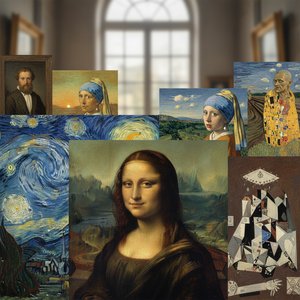
A művészettörténet 10 legikonikusabb olajfestménye – ArtsDot.com
Fedezze fel a művészettörténet 10 legikonikusabb olajfestményét! Leonardo da Vinci, Van Gogh és Rembrandt remekművei – történetükkel, technikájukkal. Múzeumi minőségű reprodukciók otthonába a ArtsDot.com-on! Explore the full collection online.

Echoes of Revolution & Romanticism: Navigating 19th-Century Art Styles
Explore the diverse world of 19th-century art! From Realism's rebellion to Impressionism’s light and beyond, discover key movements, artists & collecting tips. Expert insights for classic enthusiasts.

