
- Főoldal

- Olajfestmény reprodukció
- Théo van Rysselberghe
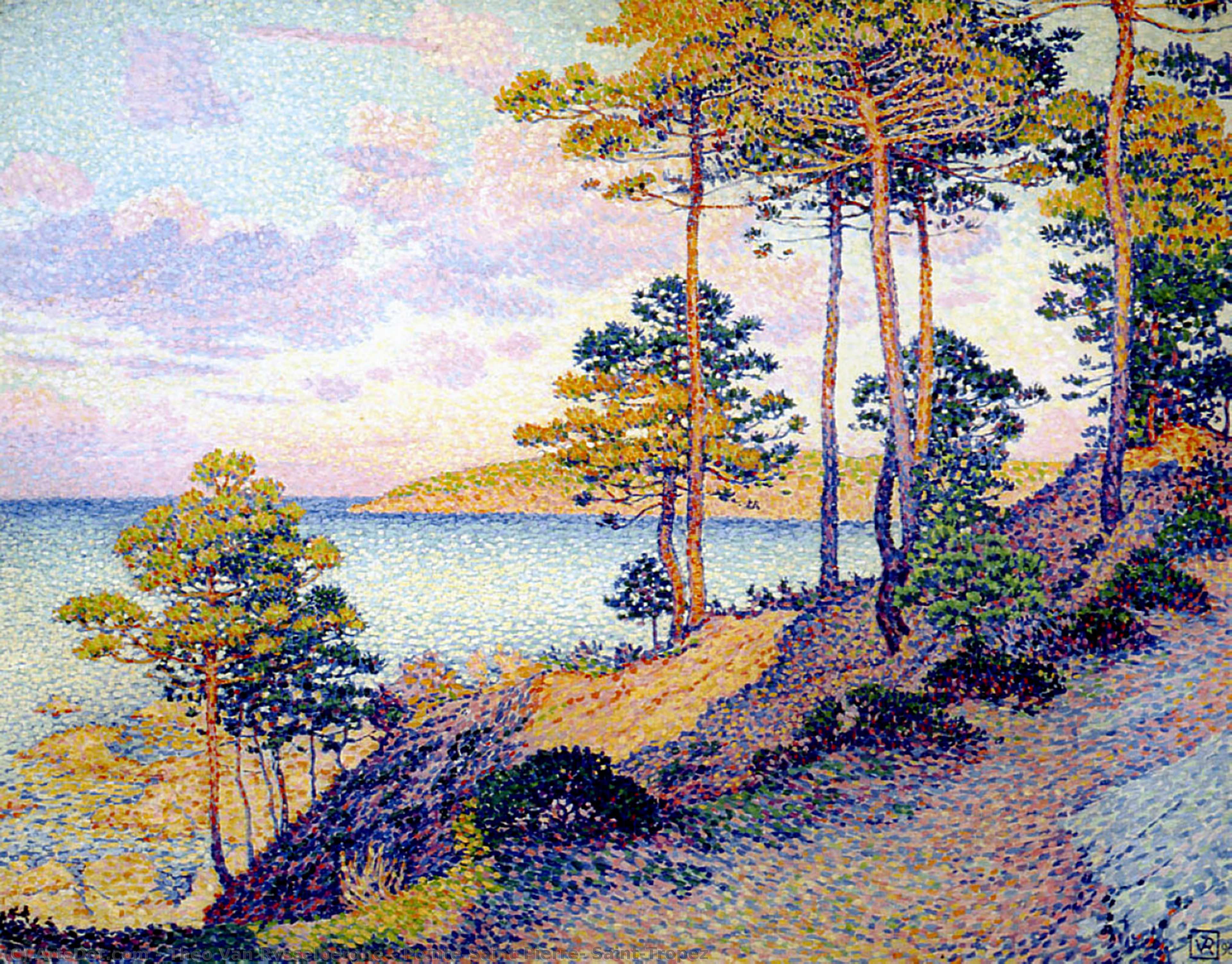
- Pointe-Saint-Pierre, Saint-Tropez
 Nyomat vásárlása Kép letöltése
 Megosztás
 Megosztás
 Details
 Kedvencekhez ad

 Letöltés
 Hasonló alkotások
 X-Ray
X-Ray
 Diavetítés
Pointe-Saint-Pierre, Saint-Tropez
 Oil On Canvas
- WallArt
- Neo-Impressionism
 1896
1896- 19th Century
 78.0 x 98.0 cm
Kézzel készített olajfestmény reprodukció
Kézzel festett olajvastú vászon, az Ön által választott méretben és keretben, művészeink készítik meglévőre.




P118B $10

P118H $10

P118W $10

P438Z $10

P508JH $12

P508YH $12

P805H $10

P805Z $10

P919BZ $10

P919G $10

P919XJ $10

P959ZH $10

P968JZ $12

W106C $8

W218G $10

W218JH $8

W218Y $10

W307PJ $10

W316G $10

W316PJ $8

W316Y $10

W398PJ $8

W4111J $10

W500HY $15

W500JH $15

W692G $12

W849H $8

W940BG $15

W953PJ $8




 Olvasson tovább
Válasszon előre meghatározott méreteink közül, amelyek megfelelnek a műalkotás eredeti arányainak.

Ön megadhat saját méreteket egy adott kerethez vagy térhez igazításhoz. Ha a kiválasztott méret nem egyezik az eredeti kép arányával, akkor a műalkotást levágjuk, vagy további kézzel festett elemekkel meghosszabbítjuk a festményt. A gyártás megkezdése előtt küldünk Önnek egy digitális előnézetet jóváhagyásra.
Kérjük, vegye figyelembe, hogy a képernyőn megjelenő előnézet nem tükrözi a tényleges vágást vagy kiterjesztést. Csak az előnézet fog pontosan mutatni a végső kompozíciót.
Bár egyedi méretek állnak rendelkezésre, javasoljuk, hogy válasszon egy méretet az előre meghatározott listából az eredeti arányok megőrzése érdekében.
A rendelést követően a ArtsDot.com csapata e-mailt küld az ügyfélnek az instrukciókért, és biztosít egy előnézeti képet (mockup).
Világszerte elérhető szállítás () 3-4 hét alatt a szokásos 5 hét helyett. (1 július). A minőség nem kérdőjelezhető.

Ingyenes globális expressz szállítás

Prémium minőségű len vászon

Teljes szállítási biztosítás

Vámvisszatérítési Garancia

Tökéletes színpontosság garancia

60 napos visszaküldési lehetőség (csak gyártási hibák esetén)

100%-os pénzvisszatérítési garancia

Kedvezmény több termény esetén
 Az üvegkeretes opció csak 110 cm alatti méretben érhető el

Pointe-Saint-Pierre, Saint-Tropez
Reprodukciós technika
A reprodukció mérete
-


Összesített ár
-
A műalkotás leírása
Theo Van Rysselberghe’s *Pointe-Saint-Pierre, Saint-Tropez*: A Symphony of Light and Coastal Serenity
Theo Van Rysselberghe's 1896 painting, *Pointe-Saint-Pierre, Saint-Tropez*, is more than just a depiction of the French Riviera; it’s a meticulously crafted meditation on light, color, and the tranquil beauty of the Mediterranean coast. Executed in the Neo-Impressionist style, this work—measuring 78 x 98 cm—captures a moment of serene contemplation within a landscape that would later become synonymous with glamour and artistic inspiration. The painting’s enduring appeal lies not just in its picturesque subject matter but also in Van Rysselberghe's masterful manipulation of color and his innovative application of the pointillist technique, creating an immersive experience for the viewer.
- Subject Matter: A coastal scene dominated by a pine-studded shoreline, a calm sea reflecting the azure sky, and distant mountains providing a dramatic backdrop.
- Style: Neo-Impressionism – characterized by its emphasis on scientific color theory and the use of small, distinct dots of pure color to create an optical mixture.
- Size: 78 x 98 cm – A substantial canvas that allows for a detailed rendering of the landscape.
The Painter’s Vision: Van Rysselberghe and the Neo-Impressionist Movement
Born in Ghent, Belgium, in 1862, Théo van Rysselberghe was a key figure in the burgeoning Neo-Impressionist movement. Influenced by artists like Georges Seurat and Paul Signac, he sought to move beyond the fleeting impressions of Impressionism towards a more systematic approach to color. Van Rysselberghe’s training at the Académie Royale des Beaux-Arts in Brussels provided him with a solid foundation in traditional techniques, but it was his engagement with Neo-Impressionist principles that truly shaped his artistic vision. His work reflects a deep understanding of optics and a desire to capture the precise effects of light on color – a pursuit evident in the delicate layering of hues within *Pointe-Saint-Pierre, Saint-Tropez*. The painting’s composition subtly echoes the influence of Maximilien Luce and Henri Lebasque, both contemporaries who similarly explored the coastal landscapes of Provence.
Decoding the Technique: Pointillism and the Illusion of Depth
The most striking aspect of *Pointe-Saint-Pierre, Saint-Tropez* is Van Rysselberghe’s masterful use of pointillism. Rather than blending colors on the canvas, he applied tiny dots of pure color – predominantly blues, greens, and yellows – side by side. This technique, when viewed from a distance, creates an optical illusion of blended color, producing a vibrant and luminous effect. The artist's meticulous attention to detail is evident in the precise placement of each dot, contributing to the painting’s overall depth and atmospheric perspective. The texture created by these small dots adds a tactile quality to the image, inviting the viewer to appreciate the labor involved in its creation.
Symbolism and Emotional Impact: A Moment of Tranquility
Beyond its technical brilliance, *Pointe-Saint-Pierre, Saint-Tropez* evokes a profound sense of tranquility. The scene’s muted palette, combined with the gentle curves of the shoreline and the distant mountains, creates an atmosphere of peace and serenity. The presence of figures on the beach—small yet significant—adds a human element to the landscape, suggesting a moment of leisure and connection with nature. The painting's enduring appeal lies in its ability to transport the viewer to this idyllic coastal setting, offering a respite from the complexities of modern life. It’s a testament to Van Rysselberghe’s skill in capturing not just a visual scene but also an emotional state – one of quiet contemplation and appreciation for the beauty of the natural world.
Hasonló műalkotások


A művész életrajza
A Pioneer of Light: The Life and Art of Théo van Rysselberghe
Théophile “Théo” van Rysselberghe, born in Ghent, Belgium, in 1862, stands as a pivotal figure bridging the gap between Impressionism and Neo-Impressionism. His artistic journey wasn’t one of immediate stylistic conformity but rather an evolving exploration fueled by travel, intellectual exchange, and a profound dedication to capturing the essence of light itself. Rooted in a comfortably bourgeois French-speaking family, van Rysselberghe's initial artistic training unfolded at the Ghent Academy under Theo Canneel, followed by rigorous studies at the prestigious Académie Royale des Beaux-Arts in Brussels – institutions that instilled within him a foundational understanding of traditional realism, vividly reflected in early works such as *Self-Portrait with Pipe* (1880). Even within these formative pieces, subtle hints of burgeoning sensitivity to light and color began to emerge, foreshadowing the vibrant, luminous style he would later cultivate. A particularly significant work from this period, *Child in an Open Spot of the Forest* (1880), marked a nascent departure, suggesting a shift towards brighter palettes and looser brushwork—a prelude to his future artistic trajectory.Moroccan Impressions: The Birth of a New Vision
A transformative chapter unfolded during van Rysselberghe’s extended sojourns in Morocco between 1882 and 1888. These prolonged immersions plunged him into a world saturated with intense sunlight, vibrant colors, and exotic landscapes—a stark contrast to the subdued tones of his earlier Belgian work. Paintings like *Arabian Street Cobbler* (1882), *Arabian Boy* (1882), and *Resting Guard* (1883) vividly demonstrate a burgeoning fascination with capturing the effects of light upon form, moving away from strict realism towards a more impressionistic sensibility. This wasn’t merely an act of visual observation; it was a profound cultural immersion that broadened his artistic horizons and instilled in him a lifelong appreciation for travel. The Moroccan experience fundamentally reshaped his perception of color and composition, laying the groundwork for his later innovations. These paintings, imbued with the warmth and intensity of the North African sun, became cornerstones of his evolving style.The Formation of Les XX: A Crucible of Innovation
Returning to Brussels in 1888, van Rysselberghe played a crucial role in establishing *Les XX* (Les Vingt), an influential group of artists and writers dedicated to challenging the conservative norms of the Belgian art establishment. Founded alongside Octave Maus and Émile Verhaeren, *Les XX* represented a radical departure from academic traditions, embracing avant-garde movements like Impressionism and Symbolism. The group’s exhibitions served as vital platforms for showcasing these new trends, introducing them to a Belgian audience largely unfamiliar with such innovations. Van Rysselberghe's involvement in *Les XX* was instrumental in shaping his artistic development, exposing him to the work of leading European artists—including Claude Monet, Pierre-Auguste Renoir, and James McNeill Whistler—and fostering a spirit of experimentation and intellectual exchange. The group’s emphasis on dialogue and collaboration created an environment where artistic boundaries were constantly being pushed and redefined.Embracing Neo-Impressionism: A Scientific Approach to Color
The true turning point in van Rysselberghe's artistic evolution arrived with his encounter with Georges Seurat's *A Sunday on La Grande Jatte* at the eighth Impressionist exhibition in Paris in 1886. Initially skeptical of Seurat’s meticulous “pointillist” technique—the systematic application of tiny dots of pure color—van Rysselberghe gradually came to appreciate its scientific basis and potential for achieving luminous effects. He began experimenting with divisionism, the Neo-Impressionist method of separating colors into their constituent parts and allowing the viewer’s eye to blend them optically. This wasn't simply a technical shift; it represented a fundamental change in his approach to painting—a move towards a more analytical and objective representation of light and color. He forged close friendships with other Neo-Impressionist painters like Paul Signac, traveling with him along the French Riviera and exchanging ideas about technique and theory. Van Rysselberghe distinguished himself within the movement by applying pointillism not only to landscapes but also to portraiture, creating strikingly vibrant and psychologically insightful likenesses of his family and friends—works such as *Madame Charles Maus* (1890) are prime examples.A Lasting Legacy: Beyond Pointillism
While deeply committed to Neo-Impressionism for a significant period, van Rysselberghe eventually moved beyond its strict tenets in the late 1890s. He sought greater freedom in his brushwork and compositions, exploring new ways to express emotion and atmosphere. He continued to be a prolific artist, working in various media including furniture design, book illustration, and decorative arts. His influence extended far beyond Belgium, impacting artists like Piet Mondrian and Jan Toorop who were inspired by his innovative use of color and light. Van Rysselberghe’s legacy lies not only in his beautiful paintings but also in his role as a catalyst for artistic change—a champion of modernism who helped introduce new ideas and techniques to the Belgian art world. His works are now held in prominent museum collections worldwide, including the Musée du Luxembourg in Paris and the Museum voor Schone Kunsten in Ghent, ensuring that his contribution to the history of art continues to be celebrated and appreciated by generations to come. His dedication to exploring the interplay of light, color, and form cemented his place as a true pioneer of modern painting.
Théo van Rysselberghe
1862 - 1926 , Belgium
Rövid tények
- Artistic Movement Or Style: Neo-Impressionista
- Artists Or Movements Influenced By This Artist:
- Mondrian
- Toorop
- Artists Who Influenced This Artist:
- Portaels
- Seurat
- Signac
- Date Of Birth: 1862. nov. 23.
- Date Of Death: 1926. dec. 14.
- Full Name: Théophile van Rysselberghe
- Nationality: Belgiumi
- Notable Artworks:
- Arabian Phantasia
- Sevillan Nő
- A szülőhazai gyermek
- Place Of Birth: Ghent, Belgium
Kapcsolódó cikkek

A posztimpresszionizmus 10 legikonikusabb remekműve – ArtsDot.com
Fedezze fel a posztimpresszionizmus 10 legjelentősebb remekművét! Van Gogh, Cézanne és Gauguin alkotásainak története – inspiráló festmények otthonába. Prémium minőségű reprodukciók a ArtsDot.com-on. Böngéssze online kínálatunkat!


Henri Moret: Capturing the Essence of Brittany's Light – A Study in Post-Impressionist Landscape Painting
Explore the captivating landscapes of Henri Moret, a master of Post-Impressionism. Discover his unique style, key works, and legacy in our expert guide. Learn about collecting Moret's art & its investment potential.

William Bradford: Navigating Faith, Landscape & Artistic Innovation in Early American Painting
Explore the captivating world of William Bradford, American Romanticist painter renowned for his dramatic Arctic seascapes & ship portraits. Discover his artistic evolution, influences, and lasting legacy with ArtsDot.
Maxime Maufra: Capturing Atmospheric Luminosity in Post-Impressionist Landscapes
Discover the captivating landscapes of Maxime Maufra, a key figure in Post-Impressionism. Explore his mastery of light, atmosphere & connection to the Pont-Aven School. Learn about collecting his work at ArtsDot.

Georges Seurat 25 Mesterműve: A Pontillizmus Zsenialitása – ArtsDot.com
Fedezze fel Georges Seurat 25 legikonikusabb művét! Ismerje meg a pontillizmus zsenialitását, az impresszionizmus forradalmát és a színek lenyűgöző játékát. Prémium minőségű reprodukciók és inspiráló otthoni dekorációk a ArtsDot.com-on. Fedezze fel a teljes gyűjteményt online!



