

 Megtekintés
 Küldés
 Megosztás
 Részletek
 Útmutató

 Letöltés
 Hasonló darabok
 X-ray felvétel
 Diavetítés
 Kérdések és válaszok
 Statisztika
Combat

 Összes részlet megjelenítése
Az ezen az oldalon megjelenített műalkotások szerzői jogi védelem alatt állnak, ami azt jelenti, hogy törvényileg nem készíthetünk és nem adhatunk el belőlük pontos másolatokat. Ez a védelem olyan nemzetközi megállapodások alapján érvényesül, mint például a Berni Egyezmény és a nemzeti jogszabályok által, beleértve azokat is, amelyeket meghatározott Az USA szerzői jogi törvénye – 17. cím.
Ez a módszer teljes mértékben megfelel a szerzői jogi szabályozásnak, mivel nem tartalmazza a védett műalkotás másolását vagy duplikálását. Ehelyett ez egy kreatív újinterpretáció – egy új festmény, amely az eredetivel való összefüggései miatt hatással van rá, de nem az az.
Giclée / Műnyomat
Múzeumi minőségű giclée vagy vászonnyomat, gyors gyártással és rugalmas finomítási lehetőségekkel. ( Kézzel festett másolat rendelése Áttérés digitális képre)




P118B Ft10

P118H Ft10

P118W Ft10

P438Z Ft10

P508JH Ft12

P508YH Ft12

P805H Ft10

P805Z Ft10

P919BZ Ft10

P919G Ft10

P919XJ Ft10

P959ZH Ft10

P968JZ Ft12

W106C Ft8

W218G Ft10

W218JH Ft8

W218Y Ft10

W307PJ Ft10

W316G Ft10

W316PJ Ft8

W316Y Ft10

W398PJ Ft8

W4111J Ft10

W500HY Ft15

W500JH Ft15

W692G Ft12

W849H Ft8

W940BG Ft15

W953PJ Ft8




Válasszon előre meghatározott méreteink közül, amelyek megfelelnek a műalkotás eredeti arányainak.

Írja be a keretének vagy a falának megfelelő szélességet és magasságot. A nyomatot csak le lehet vágni, soha nem tehető nagyobbá, mint az eredeti kép, így egy eltérő alakú méretnél a kép egy része elveszik. Mielőtt bármit kinyatintanánk, küldünk egy digitális próbamodellt jóváhagyásra. Az oldalon látható kép nem tartalmazza a valós levágást — ezt csak a próbamodell mutatja meg.
Világszerte történő kiszállítás területére mindössze 2 hét alatt, a szokásos 4-5 hét helyett. (6 november)

Ingyenes globális expressz szállítás

Prémium minőségű len vászon

Teljes körű szállítási biztosítás

Vámvisszatérítési Garancia

Hiteles színarányosság garancia

100 napos visszaküldési lehetőség (csak hibás termékek esetén)

100% pénzvisszatérítési garancia

Több darab vásárlásakor kedvezmény
 Az üvegkeretes opció csak 110 cm alatti méretben érhető el

Combat
Giclée / Műnyomat
Reprodukció mérete
-


Összesített ár
Ft 20580
Hasonló műalkotások


A művész életrajza
Early Life and Education
- Born: Hackney, United Kingdom, December 27, 1901
- Family Background: Son of painter William Harry Hayter.
- Education: Received a degree in chemistry and geology from King’s College London.
- Early Career: Worked for the Anglo-Persian Oil Company (later BP) in Abadan, Iran, from 1922 to 1925. This experience inspired paintings and drawings that were exhibited upon his return to London.
The Founding of Atelier 17 and Printmaking Innovations
- Move to Paris: In 1926, Hayter moved to Paris and briefly studied at the Académie Julian.
- Mentorship: Met Polish printmaker Józef Hecht, who introduced him to copper engraving using the burin technique.
- Establishment of Atelier 17 (1927): Founded a studio for artists to explore engraving techniques collaboratively. The studio became internationally renowned and was located at No. 17, rue Campagne-Première.
- Viscosity Printing: Developed the innovative technique of viscosity printing, which utilizes varying ink viscosities to create multi-colored intaglio prints on a single plate. This significantly expanded the possibilities of printmaking.
- Collaborations with Major Artists: Atelier 17 became a hub for artistic collaboration, hosting artists such as Pablo Picasso, Alberto Giacometti, Joan Miró, Alexander Calder, Marc Chagall, Jackson Pollock, Mark Rothko, Mauricio Lasansky, K.R.H. Sonderborg, and Flora Blanc.
- Support for Republican Cause: Hayter organized print editions (fraternité and solidarité) with Miró, Picasso, and Kandinsky to raise funds for the Spanish Republic during the Spanish Civil War.
World War II and Post-War Developments
- Relocation to New York: During World War II, Hayter moved Atelier 17 to New York City and taught printmaking at The New School.
- Camouflage Training Unit: Collaborated with British artist Roland Penrose and others in setting up a camouflage training unit.
- Return to Paris (1950): Re-established Atelier 17 in Paris.
- Publications: Published New Ways of Gravure (1949) and About Prints (1962), documenting his printmaking techniques and philosophy.
Artistic Style, Influences, and Legacy
- Surrealism and Abstract Expressionism: Hayter’s work was associated with Surrealism in the 1930s and later with Abstract Expressionism. He embraced automatism and explored improvisation in his art.
- Painting Alongside Printmaking: Maintained a consistent painting practice alongside his printmaking, demonstrating flexibility across various media (painting, drawing, engraving, collage, low relief).
- Opposition to Traditional Techniques: Advocated for a vigorous opposition to preparatory drawings and retroussage (hand-wiping with whiting) in printmaking, endorsing strong plate tone and improvisation.
- Influence on American Printmaking Education: His approach significantly influenced the instruction of printmaking within the American academy.
- Prolific Output: Completed over 400 works in printmaking before his death.
Later Life and Death
- Marriages: Married three times: to Edith Fletcher (dissolved 1929), Helen Phillips (dissolved 1971), and Désirée Moorhead.
- Children: Had three sons: Patrick, Augy, and Julian.
- Death: Died on May 4, 1988, in Paris.
- Archive Acquisition: In 2005, the Tate Archive acquired Hayter’s papers.

Stanley William Hayter
1901 - 1988 , United Kingdom
Rövid információk
- Full Name: Stanley William Hayter
- Nationality: English
- Date Of Birth: 1901
- Date Of Death: 1988
- Place Of Birth: Hackney, United Kingdom
- Notable Artworks: ['Combat']
- Artistic Movement Or Style:
- Surrealism
- Abstract Expressionism
Kapcsolódó cikkek

Monochrome Visions: Exploring the Aesthetic & Historical Significance of Black & White Photography
Explore the rich history & artistic power of black and white photography. From early techniques to iconic masters like Ansel Adams, discover why monochrome continues to captivate art lovers today. Expert insights for collectors.

Timeless & Chic: Elevating Your New Home with the Sophistication of Black and White Photography
Transform your new home with the timeless allure of black and white photography. ArtsDot.com specializes in elegant monochrome decor and custom hand-painted wedding portraits that turn cherished milestones into lasting, soulful masterpieces. Elevate your space with ease.

A Fekete Szín Mesterei: 10 Híres Festmény, Amelyek Elvarázsolnak – ArtsDot.com
Fedezze fel a 10 leghíresebb, fekete tónusú festményt! Rembrandt, Goya és Manet remekművei elvarázsolják. Művészettörténet, inspiráció otthonába – ArtsDot.com kínálatából. Fedezze fel a teljes gyűjteményt online!
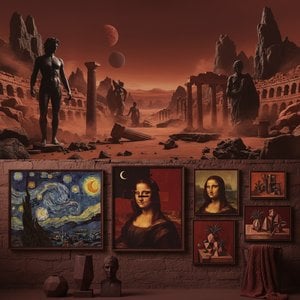
A sötét szépség: 10 híres festmény a 'Mars Black' árnyalataiban | ArtsDot
Fedezze fel a 10 leghíresebb festményt, melyeket a 'Mars Black' mély árnyalatai dominálnak! Rembrandt, Goya és Picasso remekművei – történetük, technikájuk és időtlenségük. Múzeumi minőségű művészeti reprodukciók otthonába. Fedezze fel a teljes gyűjteményt a ArtsDot.com-on!

A Fehér Szín Mesterei: 10 Híres Festmény, Amelyek Elvarázsolnak – ArtsDot.com
Fedezze fel a 10 legikonikusabb fehér tónusú festményt! Monet, Van Gogh és más mesterek alkotásainak története. Vászonképek, reprodukciók – inspiráció otthonába. ArtsDot.com: minőségi művészet online.