


 Előnézet
 Megosztás
 Megosztás
 Részletek
 Útmutató

 Letöltés
 Hasonló darabok
 X-ray felvétel
 Diavetítés
 Statisztika
Miss Murray
 Oil
Oil- WallArt
- Romanticism
 1826
1826- 19th Century
 136.0 x 108.0 cm
 English Heritage
 Tovább olvasom
Giclée / Műnyomat
Múzeumi minőségű giclée vagy vászonnyomat, gyors gyártással és rugalmas finomítási lehetőségekkel. ( Kézzel festett másolat vásárlása Áttérés digitális képre)




P118B $10

P118H $10

P118W $10

P438Z $10

P508JH $12

P508YH $12

P805H $10

P805Z $10

P919BZ $10

P919G $10

P919XJ $10

P959ZH $10

P968JZ $12

W106C $8

W218G $10

W218JH $8

W218Y $10

W307PJ $10

W316G $10

W316PJ $8

W316Y $10

W398PJ $8

W4111J $10

W500HY $15

W500JH $15

W692G $12

W849H $8

W940BG $15

W953PJ $8




Válasszon előre meghatározott méreteink közül, amelyek megfelelnek a műalkotás eredeti arányainak.

Megadhat saját méreteket is egy konkrét kerethez vagy helyszínhez igazítva. Amennyiben a kiválasztott méret nem egyezik az eredeti kép arányokkal, a műalkotást le fogjuk vágni, vagy kiegészítjük a képet tükrözött vagy egyszínű szélekkel. A gyártás megkezdése előtt egy digitális tervezetet küldünk jóváhagyásra.
Kérjük, vegye figyelembe, hogy a képernyőn látható előnézet nem tükrözi a tényleges levágást vagy kiegészítést. Csak a tervezet mutatja pontosan a végső kompozíciót.
Bár az egyedi méretek is elérhetőek, az eredeti arányok megőrzése érdekében azt javasoljuk, hogy válasszon a előre meghatározott listából származó méretet.
Világszerte történő kiszállítás területére mindössze 2 hét alatt, a szokásos 4-5 hét helyett. (26 szeptember)

Ingyenes globális expressz szállítás

Prémium minőségű len vászon

Teljes körű szállítási biztosítás

Vámvisszatérítési Garancia

Tökéletes színarányosság garancia

100 napos visszaküldési garancia (csak gyártási hibás termékek esetén)

100% pénzvisszatérítési garancia

Több darab vásárlásakor kedvezmény
 Az üvegkeretes opció csak 110 cm alatti méretben érhető el

Miss Murray
Giclée / Műnyomat
Reprodukció méretei
-


Összesített ár
$ 62
A Vision of Regency Innocence
In the delicate brushstrokes of Sir Thomas Lawrence’s Miss Murray, we encounter more than just a portrait; we step into the luminous, idealized world of the British Regency era. The painting captures a young girl, poised with an effortless grace that belies her years, dressed in a pristine white gown that seems to radiate its own soft light. As she stands upon a rustic dirt path, the contrast between her refined, aristocratic attire and the unrefined earth beneath her feet creates a poignant tension—a hallmark of the Romantic movement’s fascination with the intersection of civilization and nature. Her black hat, structured and elegant, frames a face filled with the quiet curiosity of childhood, while the subtle presence of a fan or parasol suggests a formal occasion, perhaps a summer promenade through a grand estate.
The composition is masterfully balanced, drawing the eye toward the subject’s luminous skin and the intricate textures of her clothing. Lawrence, a virtuoso of the medium, utilizes a technique that blends meticulous anatomical precision with a fluid, almost atmospheric handling of light. The background, a soft tapestry of verdant trees and dappled sunlight, does not merely serve as a setting but acts as an emotional extension of the subject herself. This naturalistic backdrop provides a sense of depth and tranquility, enveloping the young girl in a protective, pastoral embrace that evokes feelings of nostalgia and peace.
The Mastery of Sir Thomas Lawrence
To understand the brilliance of Miss Murray, one must consider the hand of its creator. Sir Thomas Lawrence was not merely a painter; he was the definitive chronicler of his age, a man whose talent allowed him to capture the very soul of the Regency elite. Having risen from a child prodigy in Bristol to the presidency of the Royal Academy, Lawrence possessed an unparalleled ability to imbue his subjects with both status and vitality. In this particular work, we see his signature ability to manipulate light—a skill honed during his early years working with pastels—to create a sense of "inner glow" within his sitters.
His technique in Miss Murray demonstrates a sophisticated command over tonal gradations. The way the white fabric of her dress catches the sunlight, transitioning from brilliant highlights to soft, cool shadows, showcases a level of technical mastery that continues to inspire collectors and art enthusiasts alike. There is a rhythmic quality to his brushwork; it is confident yet delicate, ensuring that the fine details—the lace, the texture of the hat, the gentle movement of her hands—are rendered with breathtaking clarity without ever sacrificing the overall painterly harmony of the piece.
An Enduring Legacy for the Modern Collector
For the discerning interior designer or the passionate art collector, a reproduction of Miss Murray offers much more than aesthetic beauty; it brings a sense of historical weight and timeless elegance to any space. The painting’s palette—dominated by whites, soft greens, and deep blacks—is remarkably versatile, allowing it to anchor a room with a sense of classical sophistication. Whether placed in a sun-drenched morning room or a more formal study, the artwork serves as a window into a bygone era of splendor and refinement.
Beyond its decorative value, the emotional resonance of the piece is profound. It invites contemplation on the fleeting nature of youth and the enduring beauty of innocence. In an age often characterized by rapid change and digital noise, the quiet, steady presence of Lawrence’s subject offers a sanctuary of calm. Owning a high-quality reproduction of this masterpiece allows one to preserve this moment of Regency splendor, making it a centerpiece that speaks of culture, history, and an unwavering appreciation for the fine arts.
Hasonló műalkotások


A művész életrajza
A Brushstroke of Regency Splendor: The Life and Art of Sir Thomas Lawrence
Sir Thomas Lawrence, a name synonymous with the elegance and sophistication of the Regency era, was more than just a portrait painter; he was a chronicler of his time. Born in Bristol in 1769 amidst the vibrant bustle of a port city, his early life was marked by movement – following his father’s innkeeping ventures across Devizes and finally settling in the fashionable spa town of Bath. It was within these convivial settings that Lawrence's artistic talent first began to shine, sketching remarkably accurate portraits for local patrons while still supporting his family. This nascent skill, honed without formal instruction but fueled by innate observation and a keen eye for detail, hinted at a prodigious gift – a gift he would soon transform into a celebrated career.Ascension to Portraiture’s Pinnacle
The move to London in 1789 marked the true beginning of Lawrence's ascent. He quickly established himself as a portrait painter in oils, securing his first royal commission – a captivating portrait of Queen Charlotte – and instantly catapulting him into the heart of London society. This wasn’t merely about technical skill; Lawrence possessed an extraordinary ability to capture not just likeness but also *character*, imbuing his subjects with a flattering yet insightful presence. He became a master of portraying the glamour, refinement, and social dynamics of the Regency period, painting nobility, royalty, and prominent figures with a virtuoso handling of paint that drew comparisons to Sir Joshua Reynolds, whom he deeply admired. Lawrence’s election as an associate, then full member, of the Royal Academy in 1791 and 1794 solidified his position within the established art world – a testament to his growing reputation and artistic merit. His success was further underscored by his appointment as Painter-in-Ordinary to the King in 1800, a prestigious role that granted him unparalleled access to the highest echelons of power and provided a steady stream of lucrative commissions.The Waterloo Chamber and Artistic Innovation
Lawrence’s career reached its zenith during the Napoleonic Wars, particularly with his commission to paint portraits for the Waterloo Chamber at Windsor Castle. This monumental undertaking – intended to commemorate the decisive victory over Napoleon – demanded not only technical mastery but also a profound understanding of composition and scale. The resulting series of portraits, depicting allied leaders from across Europe, showcased Lawrence’s ability to capture gravitas, authority, and the complex relationships between nations. These works were more than just paintings; they were powerful statements about British leadership and the triumph of reason over tyranny. Beyond this grand project, Lawrence continued to innovate in his portraiture style, refining his use of light and shadow, experimenting with color palettes, and developing a distinctive technique that blended classical elegance with a subtle sense of Romanticism.Personal Life and Complexities
Despite his professional triumphs, Lawrence’s personal life was marked by both passion and sorrow. He became deeply involved with the Siddons family – Sarah Siddons, a celebrated actress, and her daughters, Maria and Sally. These relationships provided him with inspiration and companionship but also brought heartache and scandal to his reputation. Lawrence struggled financially throughout much of his career, often burdened by debt despite earning substantial sums from his commissions. He was known for his meticulous attention to detail, sometimes spending weeks perfecting a single portrait, which contributed to the delays and financial pressures he faced. Furthermore, Lawrence’s sitters reflected the social landscape of his time – including both slave owners and abolitionists – a stark reminder of the moral ambiguities inherent in Regency society.A Lasting Legacy
Sir Thomas Lawrence died in London in 1830 at the age of 61, leaving behind a remarkable body of work that continues to captivate audiences today. His portraits are celebrated for their elegance, technical brilliance, and ability to capture the essence of his subjects – offering a vivid glimpse into the world of Regency England. While his reputation experienced a decline during the Victorian era, largely due to shifting artistic tastes, Lawrence’s legacy has been partially restored in recent decades, recognizing him as one of Britain's most accomplished and enduring portraitists. His influence can be seen in the works of later painters who sought to emulate his style and capture the spirit of an era, solidifying his place as a pivotal figure in British art history. His work remains a testament to his talent, charm, and enduring contribution to the world of art.
Thomas Lawrence
1769 - 1830 , Egyesült Királyság
Gyors információk
- Artistic Movement Or Style: Regency arcképfestészet
- Artists Or Movements Influenced By This Artist: ['Romanticizmus']
- Artists Who Influenced This Artist: ['Joshua Reynolds']
- Date Of Birth: 1769. ápril 13.
- Date Of Death: 1830. jan 7.
- Full Name: Sir Thomas Lawrence
- Nationality: Angol
- Notable Artworks:
- Yorki herceg
- Királyné
- Waterloo szobák
- Place Of Birth: Bristol, Anglia
Kapcsolódó cikkek

Sir Thomas Lawrence: Portraiture, Power & Regency Society's Aesthetics
Explore the captivating world of Sir Thomas Lawrence, Regency England's premier portraitist. Discover his artistic techniques, powerful representations of society, and enduring legacy. Expert insights for discerning art collectors.

Sir Francis Grant: Portraiture, Patronage & Victorian Society
Explore the life & work of Sir Francis Grant, a leading Victorian portraitist. Discover his aristocratic clientele, role at the Royal Academy, and enduring artistic legacy. Learn about art patronage in 19th-century Britain.

Thomas Phillips: Portraiture, Patronage & the Rise of Victorian Society Art
Explore the life & work of Thomas Phillips (1770-1845), a leading Victorian portrait painter renowned for his captivating portrayals of Britain's 'men of genius'. Discover his artistic journey, patronage, and lasting legacy.

Elegáns művészet: A 10 legkiemelkedőbb alkotás a kifinomult otthonokhoz | ArtsDot.com
Fedezze fel a 10 legkiemelkedőbb elegáns műalkotást! Ismerje meg Leonardo da Vinci, Monet és Klimt remekműveit. Inspirálódjon klasszikus festményekkel otthona kifinomult dekorációjához. Vászonképek, portrék – ArtsDot.com.
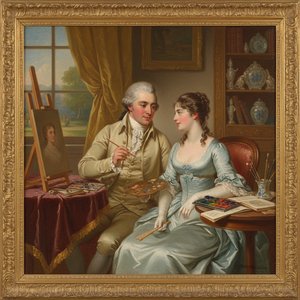
Richard Cosway: Capturing Regency Elegance & Intimacy Through Portraiture
Explore the captivating world of Richard Cosway, Regency society's celebrated portrait miniaturist. Discover his exquisite art, aristocratic patrons & lasting legacy with ArtsDot.


