
- Főoldal

- Olajfestmény reprodukció
- Sir Augustus Wall Callcott
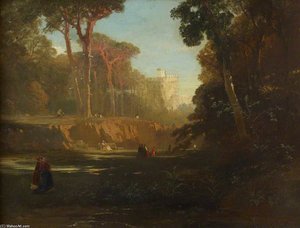
- Windsor Castle from the Old Bridge

 Nyomat vásárlása Kép letöltése
 Megosztás
 Megosztás
 Details
 Kedvencekhez ad

 Letöltés
 Hasonló alkotások
 X-Ray
X-Ray
 Diavetítés
Windsor Castle from the Old Bridge
 Romanticism
 1830
1830 61.0 x 92.0 cm
 Laing Art Gallery
Kézzel készített olajfestmény reprodukció
Kézzel festett olajvastú vászon, az Ön által választott méretben és keretben, művészeink készítik meglévőre.




































 Olvasson tovább
Válasszon előre meghatározott méreteink közül, amelyek megfelelnek a műalkotás eredeti arányainak.

Ön megadhat saját méreteket egy adott kerethez vagy térhez igazításhoz. Ha a kiválasztott méret nem egyezik az eredeti kép arányával, akkor a műalkotást levágjuk, vagy további kézzel festett elemekkel meghosszabbítjuk a festményt. A gyártás megkezdése előtt küldünk Önnek egy digitális előnézetet jóváhagyásra.
Kérjük, vegye figyelembe, hogy a képernyőn megjelenő előnézet nem tükrözi a tényleges vágást vagy kiterjesztést. Csak az előnézet fog pontosan mutatni a végső kompozíciót.
Bár egyedi méretek állnak rendelkezésre, javasoljuk, hogy válasszon egy méretet az előre meghatározott listából az eredeti arányok megőrzése érdekében.
A rendelést követően a ArtsDot.com csapata e-mailt küld az ügyfélnek az instrukciókért, és biztosít egy előnézeti képet (mockup).
Világszerte elérhető szállítás () 3-4 hét alatt a szokásos 5 hét helyett. (1 július). A minőség nem kérdőjelezhető.

Ingyenes globális expressz szállítás

Prémium minőségű len vászon

Teljes szállítási biztosítás

Vámvisszatérítési Garancia

Tökéletes színpontosság garancia

60 napos visszaküldési lehetőség (csak gyártási hibák esetén)

100%-os pénzvisszatérítési garancia

Kedvezmény több termény esetén
 Az üvegkeretes opció csak 110 cm alatti méretben érhető el

Windsor Castle from the Old Bridge
Reprodukciós technika
A reprodukció mérete
-


Összesített ár
-
Hasonló műalkotások




A művész életrajza
Sir Augustus Wall Callcott (1779–1844): A Master of Romantic Landscape
Augustus Wall Callcott, born in Kensington gravel pits on February 20, 1779, was a pivotal figure in the British Romantic landscape movement. His artistic journey began amidst the burgeoning fascination with nature and emotion that characterized the era—a reaction against the rigid formalism of Neoclassicism—and cemented his place as one of the most celebrated painters of his time. From humble beginnings as a singer in Westminster Abbey’s choir to achieving academic distinction at the Royal Academy, Callcott's life was shaped by intellectual curiosity and an unwavering dedication to capturing the sublime beauty of the British countryside.Early Life and Artistic Training
Callcott’s formative years instilled within him a profound appreciation for music—a passion that would continue to inform his artistic sensibilities throughout his career. Recognizing his talent, he pursued formal training at the Royal Academy under the guidance of John Hoppner, arguably the most influential portrait painter of his generation. This mentorship proved invaluable in honing Callcott’s technical skills and establishing him within the established artistic circles of London. It was during this period that he decisively committed himself to landscape painting, abandoning portraiture for a medium that allowed him to express his innermost vision of the natural world.Rise to Prominence: Embracing Romantic Ideals
Callcott swiftly distinguished himself as an advocate for Romantic ideals—a movement characterized by intense emotion, imagination, and reverence for untamed landscapes. Unlike his contemporaries who favored idealized depictions of classical grandeur, Callcott sought to convey the raw power and majesty of nature through subtle tonal gradations and masterful compositional arrangements. His canvases pulsated with atmosphere, capturing fleeting moments of light and shadow that evoked profound feelings of awe and contemplation. This stylistic choice resonated deeply with audiences eager for artistic experiences that transcended mere visual representation—they craved communion with something larger than themselves.Notable Works and Artistic Achievements
Callcott’s oeuvre boasts a remarkable collection of landscapes that exemplify the Romantic aesthetic. Among his most iconic creations are “The Entrance to the Pool of London” (1816), “The Mouth of the Tyne” (1818), and “A Dead Calm on the Medway” (1820)—each piece demonstrating Callcott’s unparalleled ability to render atmospheric conditions with breathtaking accuracy. Furthermore, his depiction of Rochester Cathedral in 1824 stands as a testament to his meticulous observation skills and artistic sensitivity. Perhaps most unexpectedly, Callcott ventured into portraiture—producing “Raffaelle and the Fornarina” (1837)—a rare departure from his landscape focus that nonetheless showcased his exceptional draughtsmanship and compositional prowess. This painting resides in the South Kensington Museum’s Sheepshanks Collection, a testament to its enduring artistic merit.Legacy and Recognition
Callcott's contribution to British art history is undeniable. He was knighted by Queen Victoria in 1837—a recognition of his distinguished service to the Crown—and subsequently succeeded William Seguier as Surveyor of the Queen’s Pictures, overseeing the royal collection with unwavering dedication. Callcott passed away peacefully on November 25, 1844, leaving behind a legacy of artistic excellence and intellectual curiosity that continues to inspire admiration today. His landscapes remain treasured masterpieces—capturing not only the beauty of the British countryside but also the spirit of an era defined by profound emotional engagement with the natural world.
Sir Augustus Wall Callcott
1779 - 1844 , Egyesült Királyság
Rövid tények
- Artistic Movement Or Style: Romantic Landscape Painting
- Artists Or Movements Influenced By This Artist: ['Turner']
- Artists Who Influenced This Artist: ['John Hoppner']
- Date Of Birth: Feb 20, 1779
- Date Of Death: Nov 25, 1844
- Full Name: Augustus Wall Callcott
- Nationality: Britannia
- Notable Artworks:
- Entrance Pool London
- Mouth Tyne
- Dead Calm Medway
- Rochester
- Raffaelle Fornarina
- Place Of Birth: Kensington, UK
Kapcsolódó cikkek

Sir Augustus Wall Callcott: A Life Painted with Light & Atmosphere
Explore the life & art of Sir Augustus Wall Callcott, a celebrated British landscape painter known for his serene scenes and elegant compositions. Discover his Romantic influences & lasting legacy at ArtsDot.


The Art of Emphasis: Scaling Artwork for Impactful Statement Walls
Elevate your interiors with impactful statement walls! Expert guide on scaling artwork for perfect proportions & design harmony. Custom solutions & free consultations at ArtsDot.

George Barret the Elder: Pioneering British Pastoral Painting & Landscape's Rise
Explore the life & art of George Barret Sr., a pioneer of British pastoral painting. Discover his influence on Romantic landscape art, patronage, and collecting tips from ArtsDot.

Walter Greaves: A Study in Victorian Realism & the Social Landscape of British Art
Explore the life & work of Walter Greaves, a key Victorian realist painter influenced by Whistler. Discover his London streetscapes, portraits, and enduring legacy. Learn about art appraisal & reproduction options at ArtsDot.

Brian Hatton: A Study in Early 20th-Century British Landscape Painting & Rural Identity
Explore the captivating landscapes & portraits of Brian Hatton (1887-1916), a promising British artist lost too soon. Discover his unique style, Herefordshire roots, and lasting legacy in early 20th-century art.

