


 Előnézet
 Megosztás
 Megosztás
 Részletek
 Útmutató

 Letöltés
 Hasonló darabok
 X-ray felvétel
 Diavetítés
 Statisztika
Torah Forms
 Abstract Expressionism
 1957
1957 102.0 x 69.0 cm
 Tovább olvasom
Az ezen az oldalon megjelenített műalkotások szerzői jogi védelem alatt állnak, ami azt jelenti, hogy törvényileg nem készíthetünk és nem adhatunk el belőlük pontos másolatokat. Ez a védelem olyan nemzetközi megállapodások alapján érvényesül, mint például a Berni Egyezmény és a nemzeti törvények által, beleértve azokat is, amelyeket meghatározott Az USA szerzői jogi törvénye – 17. cím.
Ez a módszer teljes mértékben megfelel a szerzői jogi szabályozásnak, mivel nem tartalmazza a védett műalkotás másolását vagy duplikálását. Ehelyett ez egy kreatív újinterpretáció – egy új festmény, amely az eredetivel való összefüggései miatt hatással van rá, de nem az az.
Giclée / Műnyomat
Múzeumi minőségű giclée vagy vászonnyomat, gyors gyártással és rugalmas finomítási lehetőségekkel. ( Kézzel festett másolat vásárlása Áttérés digitális képre)




































Válasszon előre meghatározott méreteink közül, amelyek megfelelnek a műalkotás eredeti arányainak.

Írja be a keretének vagy a falának megfelelő szélességet és magasságot. A nyomatot csak le lehet vágni, soha nem tehető nagyobbá, mint az eredeti kép, így egy eltérő alakú méretnél a kép egy része elveszik. Mielőtt bármit kinyatintanánk, küldünk egy digitális próbamodellt jóváhagyásra. Az oldalon látható kép nem tartalmazza a valós levágást — ezt csak a próbamodell mutatja meg.
Világszerte történő kiszállítás területére mindössze 2 hét alatt, a szokásos 4-5 hét helyett. (23 október)

Ingyenes globális expressz szállítás

Prémium minőségű len vászon

Teljes körű szállítási biztosítás

Vámvisszatérítési Garancia

Tökéletes színarányosság garancia

100 napos visszaküldési garancia (csak gyártási hibás termékek esetén)

100% pénzvisszatérítési garancia

Több darab vásárlásakor kedvezmény
 Az üvegkeretes opció csak 110 cm alatti méretben érhető el

Torah Forms
Giclée / Műnyomat
Reprodukció méretei
-


Összesített ár
Ft 19932
Hasonló műalkotások


A művész életrajza
Seymour Drumlevitch: A Legacy of Faith and Observation
Seymour Drumlevitch’s artistic journey began in Indiana, where he cultivated a profound appreciation for both religious iconography and meticulous architectural studies—a duality that would define his distinctive style. While biographical details remain sparse, Drumlevitch's unwavering dedication to capturing the essence of sacred narratives and translating complex spatial relationships onto canvas speaks volumes about his artistic vision. Early Influences: Drumlevitch’s formative years were marked by exposure to classical art traditions, particularly Romanesque architecture and Byzantine mosaics—influences that instilled in him a meticulous attention to detail and an understanding of symbolic representation. He absorbed the grandeur of monumental sculptures and the serene beauty of illuminated manuscripts, recognizing their capacity to convey profound spiritual truths. This early immersion shaped his artistic sensibilities and established a foundation for his subsequent explorations of faith and form. The Development of His Style: Characterized by layered textures and subtle gradations of color, Drumlevitch’s technique evolved over time. He mastered the art of capturing light and shadow with remarkable accuracy, creating scenes that convey both emotional depth and intellectual precision. Initially drawn to abstraction—particularly geometric compositions—Drumlevitch gradually incorporated representational elements into his work, blending bold hues with delicate washes of pigment. His canvases became imbued with a palpable sense of atmosphere—reflecting the moods and emotions he sought to evoke through visual expression. Religious Paintings: Drumlevitch’s primary focus was on depicting biblical stories—particularly Torah artwork—with unparalleled reverence. His canvases are populated with figures rendered in painstaking detail, illuminated by ethereal light sources that evoke the spiritual atmosphere of ancient synagogues and churches. Recurring motifs—such as doves representing peace and olive branches symbolizing divine blessing—underscored his commitment to conveying theological concepts through visual symbolism. He approached each narrative with solemn contemplation—translating sacred texts into evocative images that resonated with profound spiritual significance. Architectural Studies: Beyond religious paintings, Drumlevitch pursued architectural studies—primarily focusing on Indiana’s historic buildings. He produced detailed sketches and watercolors that captured the grandeur of structures like St. Meinrad Abbey and Cathedral Basilica of Vincennes—demonstrating his ability to distill complex spatial dimensions into simplified visual representations. His renderings prioritized accuracy and tonal harmony—transforming architectural spaces into canvases that conveyed their inherent beauty and solemn dignity. Major Achievements & Historical Significance: Drumlevitch’s contribution to Indiana art history is notable for its quiet perseverance—a steadfast pursuit of artistic excellence that yielded remarkable results. His paintings continue to inspire admiration for their technical virtuosity and spiritual depth, serving as enduring reminders of the power of observation and the importance of conveying faith through visual expression. Although Drumlevitch's work remains largely unseen by the public, it represents a singular testament to Indiana’s artistic heritage—a legacy rooted in meticulous craftsmanship and unwavering devotion to capturing the sublime beauty of both sacred narratives and architectural grandeur.
Gyors információk
- Artistic Movement Or Style: Religious Painting
- Date Of Death: Living
- Full Name: Seymour Drumlevitch
- Nationality: American
- Notable Artworks: ['Torah Artwork']
- Place Of Birth: Indiana
Kapcsolódó cikkek

Fernand Léger Mesterművei: A 25 Legikonikusabb Kép a Modern Művészetben | ArtsDot
Fedezze fel Fernand Léger 25 legikonikusabb műalkotását! Ismerje meg a kubizmus, a tubizmus mesterét és a gépi kor lenyűgöző festményeit. Múzeumi minőségű vászonképek és poszterek a ArtsDot-on. Explore the full collection online!

Absztrakt Expresszionizmus Mesterei: 10 alkotás, ami meghatározta a művészetet | ArtsDot.com
Fedezze fel a 10 legikonikusabb absztrakt expresszionista alkotást! Ismerje meg Jackson Pollock, Mark Rothko és más mesterek történetét. Művészeti reprodukciók prémium minőségben – ArtsDot.com.

Kandinsky Mesterművei: 25 Lenyűgöző Festmény a Modern Művészet Gyöngyszemeiből | ArtsDot
Fedezze fel Wassily Kandinsky 25 legikonikusabb művét! Merüljön el az absztrakt művészet világában, ismerje meg a színek és formák lenyűgöző történetét. Prémium minőségű reprodukciók és inspiráló dekorötletek a ArtsDot.com-on.

Geometrikus Absztrakció Mesterei: 10 Alapvető Műalkotás a Lakberendezéshez
Fedezze fel a geometrikus absztrakció 10 legikonikusabb műalkotását! Kandinsky, Mondrian és más mesterek festményeinek története inspirálja otthona dekorációját. Múzeumi minőségű reprodukciók a ArtsDot.com-on – fedezze fel online!
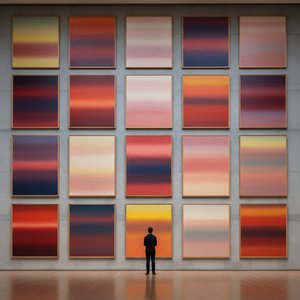
Mark Rothko 25 Mesterműve: Érzelmek és Színek a Modern Művészetben | ArtsDot
Fedezze fel Mark Rothko 25 legikonikusabb művét! Ismerje meg az absztrakt expresszionizmus mesterének érzelmi világát, színeit és technikáit. Múzeumi minőségű reprodukciók a ArtsDot-on – inspirálja otthonát egyedi faliképekkel! Explore the full collection online.