

 Megtekintés
 Küldés
 Megosztás
 Részletek

 Letöltés
 Hasonló darabok
 X-ray felvétel
 Diavetítés
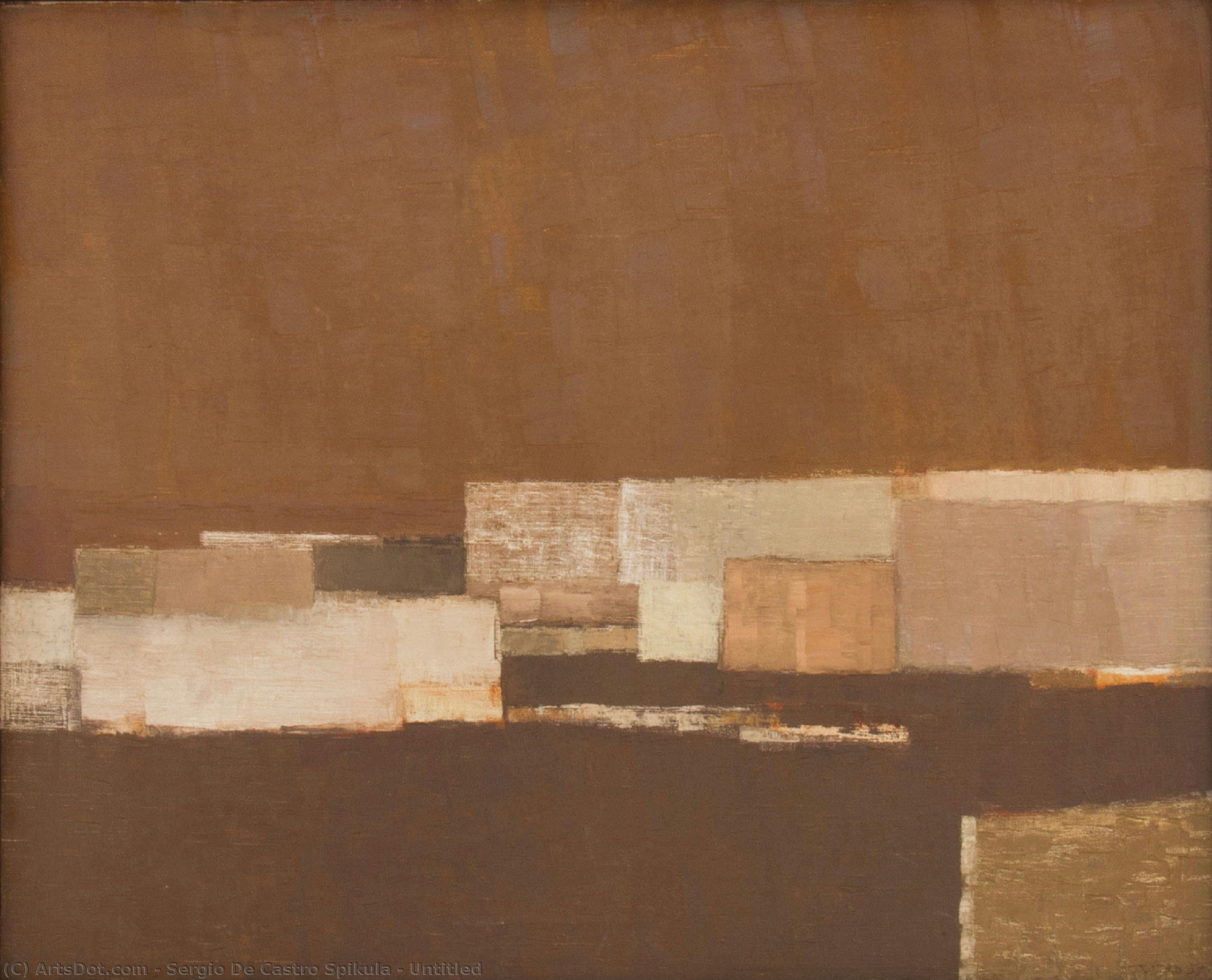
Untitled


 Összes részlet megjelenítése
Giclée / Műnyomat
Múzeumi minőségű giclée vagy vászonnyomat, gyors gyártással és rugalmas finomítási lehetőségekkel. ( Kézzel festett másolat rendelése Kép letöltése)




































Válasszon előre meghatározott méreteink közül, amelyek megfelelnek a műalkotás eredeti arányainak.

Megadhat saját méreteket is egy konkrét kerethez vagy helyszínhez igazítva. Amennyiben a kiválasztott méret nem egyezik az eredeti kép arányokkal, a műalkotást le fogjuk vágni, vagy kiegészítjük a képet tükrözött vagy egyszínű szélekkel. A gyártás megkezdése előtt egy digitális tervezetet küldünk jóváhagyásra.
Kérjük, vegye figyelembe, hogy a képernyőn látható előnézet nem tükrözi a tényleges levágást vagy kiegészítést. Csak a tervezet mutatja pontosan a végső kompozíciót.
Bár az egyedi méretek is elérhetőek, az eredeti arányok megőrzése érdekében azt javasoljuk, hogy válasszon a előre meghatározott listából származó méretet.
Világszerte történő kiszállítás területére mindössze 2 hét alatt, a szokásos 4-5 hét helyett. (16 augusztus)

Ingyenes globális expressz szállítás

Prémium minőségű len vászon

Teljes körű szállítási biztosítás

Vámvisszatérítési Garancia

Hiteles színpontosság garancia

60 napos visszaküldési lehetőség (csak hibás termékek esetén)

100% pénzvisszatérítési garancia

Több darab vásárlása esetén kedvezmény
 Az üvegkeretes opció csak 110 cm alatti méretben érhető el

Untitled
Giclée / Műnyomat
Reprodukció mérete
-


Összesített ár
$ 62
Hasonló műalkotások


A művész életrajza
The Melodic Canvas: The Life and Legacy of Sergio de Castro Spikula
Born in the vibrant atmosphere of Buenos Aires in 1922, Sergio de Castro Spikula was an artist whose soul was shaped by a nomadic and culturally rich upbringing. The son of a diplomat, his early years were a tapestry of European landscapes, moving from the serene beauty of Switzerland to the historic streets of Italy. This international childhood instilled in him a profound cosmopolitan perspective, allowing him to bridge the gap between South American roots and the avant-garde traditions of Europe. Before he ever picked up a brush to define his visual language, Spikula was a man of rhythm and verse; his early years were dedicated to the study of music and poetry, disciplines that would later infuse his paintings with an inherent sense of composition, tempo, and lyrical grace.
The trajectory of his creative life took a decisive turn through chance encounters and personal transformations. While traveling along the Uruguayan coast in 1939, he met the legendary Joaquín Torres-Garcia, a meeting that would plant the seeds of geometric abstraction within his mind. However, it was not until 1950, following a period of physical struggle with severe asthma, that Spikula transitioned from the world of musical composition to the realm of visual art. This shift was not merely a change in medium but a profound redirection of his expressive energy. Settling in Paris, the heart of the mid-century art world, he began to distill his experiences into a style that could be described as Minimalist Expressionism—a delicate balance between the structured discipline of geometry and the raw emotion of color.
A Symphony of Form and Color
Spikula’s artistic development was characterized by an exquisite ability to simplify the complex. His work moved away from the literal representation of the world, seeking instead to capture its essence through a sophisticated use of chromatic palettes and geometric forms. One can observe in his canvases a rhythmic interplay of shapes that echoes his background as a composer; there is a deliberate pacing to his brushstrokes and a harmonic resonance in how he juxtaposes light and shadow. His landscapes, while often understated and serene, possess a structural strength that prevents them from becoming mere scenery, instead transforming Argentinian vistas into meditative, abstract explorations of space.
His technical mastery was deeply rooted in the traditions of the masters, yet his vision remained resolutely modern. By integrating the luminous qualities reminiscent of Joaquín Sorolla with a more stripped-back, minimalist aesthetic, he created works that felt both timeless and contemporary. Notable pieces such as “Angel Zarraga” serve as quintessential examples of this approach, where simplified shapes are utilized to evoke deep emotional responses, proving that profound meaning does not require ornamental complexity. His ability to command the viewer's attention through subtle color harmonies allowed him to participate in the grand dialogue of 20th-century modernism.
Recognition and Eternal Resonance
The journey of Sergio de Castro Spikula was marked by prestigious exhibitions that solidified his place within the international art community. From his first solo exhibition at the Galerie Jeanne Castel in Paris in 1952 to acclaimed showings in London at the Leicester Gallery and the Matthiesen Gallery, his presence was felt across the major art capitals of Europe. His works were not only celebrated in galleries but also found homes in significant collections, such as the Colección Andrés Blaisten, ensuring that his unique vision would be preserved for future generations.
Ultimately, the significance of Spikula lies in his ability to synthesize disparate influences—the rhythmic structure of music, the precision of architecture, and the emotive power of painting—into a singular, cohesive voice. He remains a pivotal figure for those studying the intersection of Latin American heritage and European abstraction. His legacy is one of quiet strength and visual poetry, reminding us that art, much like music, is a universal language capable of expressing the most profound truths through the simplest of means.

sergio de castro spikula
1922 - 2012 , Argentina
A művészről röviden
- Artistic Movement Or Style: Minimalist Expressionism
- Date Of Birth: 1922
- Date Of Death: 2012
- Full Name: Sergio de Castro Spikula
- Nationality: Argentinian
- Notable Artworks: ['Untitled']
- Place Of Birth: Buenos Aires, Argentina
Kapcsolódó cikkek

Demandes Commerciales
APS ofrece reproducciones de bellas artes y encargos personalizados desde 2004. Confían en nosotros corporaciones, hoteles y coleccionistas selectos para obras de arte de calidad museística, servicio discreto y soluciones artísticas completas. ¡Póngase en contacto con nosotros para obtener un presupuesto personalizado!

Goya Mesterművei: A Spanyol Lélek 25 Legikonikus Képe – ArtsDot
Fedezze fel Goya 25 leglenyűgözőbb mesterművét! Ismerje meg a spanyol festő életművét, portréit és ikonikus képeit. Vásároljon prémium minőségű reprodukciókat a ArtsDot.com-on, és teremtsen egyedi otthoni dekorációt klasszikus művészettel! Explore the full collection online.

Absztrakt Expresszionizmus Mesterei: 10 alkotás, ami meghatározta a művészetet | ArtsDot.com
Fedezze fel a 10 legikonikusabb absztrakt expresszionista alkotást! Ismerje meg Jackson Pollock, Mark Rothko és más mesterek történetét. Művészeti reprodukciók prémium minőségben – ArtsDot.com.

Geometrikus Absztrakció Mesterei: 10 Alapvető Műalkotás a Lakberendezéshez
Fedezze fel a geometrikus absztrakció 10 legikonikusabb műalkotását! Kandinsky, Mondrian és más mesterek festményeinek története inspirálja otthona dekorációját. Múzeumi minőségű reprodukciók a ArtsDot.com-on – fedezze fel online!

Kandinsky Mesterművei: 25 Lenyűgöző Festmény a Modern Művészet Gyöngyszemeiből | ArtsDot
Fedezze fel Wassily Kandinsky 25 legikonikusabb művét! Merüljön el az absztrakt művészet világában, ismerje meg a színek és formák lenyűgöző történetét. Prémium minőségű reprodukciók és inspiráló dekorötletek a ArtsDot.com-on.

