

 Megtekintés
 Küldés
 Megosztás
 Részletek
 Útmutató

 Letöltés
 Hasonló darabok
 X-ray felvétel
 Diavetítés
 Kérdések és válaszok
 Statisztika
The Tree


 Összes részlet megjelenítése
Az ezen az oldalon megjelenített műalkotások szerzői jogi védelem alatt állnak, ami azt jelenti, hogy törvényileg nem készíthetünk és nem adhatunk el belőlük pontos másolatokat. Ez a védelem olyan nemzetközi megállapodások alapján érvényesül, mint például a Berni Egyezmény és a nemzeti jogszabályok által, beleértve azokat is, amelyeket meghatározott Az USA szerzői jogi törvénye – 17. cím.
Ez a módszer teljes mértékben megfelel a szerzői jogi szabályozásnak, mivel nem tartalmazza a védett műalkotás másolását vagy duplikálását. Ehelyett ez egy kreatív újinterpretáció – egy új festmény, amely az eredetivel való összefüggései miatt hatással van rá, de nem az az.
Giclée / Műnyomat
Múzeumi minőségű giclée vagy vászonnyomat, gyors gyártással és rugalmas finomítási lehetőségekkel. ( Kézzel festett másolat rendelése Áttérés digitális képre)




P118B Ft10

P118H Ft10

P118W Ft10

P438Z Ft10

P508JH Ft12

P508YH Ft12

P805H Ft10

P805Z Ft10

P919BZ Ft10

P919G Ft10

P919XJ Ft10

P959ZH Ft10

P968JZ Ft12

W106C Ft8

W218G Ft10

W218JH Ft8

W218Y Ft10

W307PJ Ft10

W316G Ft10

W316PJ Ft8

W316Y Ft10

W398PJ Ft8

W4111J Ft10

W500HY Ft15

W500JH Ft15

W692G Ft12

W849H Ft8

W940BG Ft15

W953PJ Ft8




Válasszon előre meghatározott méreteink közül, amelyek megfelelnek a műalkotás eredeti arányainak.

Írja be a keretének vagy a falának megfelelő szélességet és magasságot. A nyomatot csak le lehet vágni, soha nem tehető nagyobbá, mint az eredeti kép, így egy eltérő alakú méretnél a kép egy része elveszik. Mielőtt bármit kinyatintanánk, küldünk egy digitális próbamodellt jóváhagyásra. Az oldalon látható kép nem tartalmazza a valós levágást — ezt csak a próbamodell mutatja meg.
Világszerte történő kiszállítás területére mindössze 2 hét alatt, a szokásos 4-5 hét helyett. (4 november)

Ingyenes globális expressz szállítás

Prémium minőségű len vászon

Teljes körű szállítási biztosítás

Vámvisszatérítési Garancia

Hiteles színarányosság garancia

100 napos visszaküldési lehetőség (csak hibás termékek esetén)

100% pénzvisszatérítési garancia

Több darab vásárlásakor kedvezmény
 Az üvegkeretes opció csak 110 cm alatti méretben érhető el

The Tree
Giclée / Műnyomat
Reprodukció mérete
-


Összesített ár
Ft 20641
The Silent Sentinel: Salvador Dalí’s “The Tree” – A Journey Into Surrealist Dreams
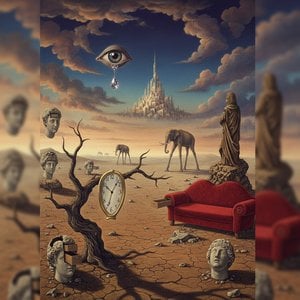
Salvador Dalí's "The Tree," painted in 1952, isn’t merely a depiction of a solitary tree; it’s an immersion into the artist’s meticulously constructed world of dreams and anxieties. This arresting black-and-white photograph captures a pivotal moment in Dalí’s career, showcasing his mastery of surrealist techniques and offering a profound meditation on themes of isolation, memory, and the enduring power of nature. The painting itself, a large-scale work executed with a blend of meticulous brushwork and subtle dry-brush effects, immediately commands attention with its stark contrast and unsettling stillness.
Composition and Form – A Landscape of Absence
The composition is deliberately asymmetrical, drawing the eye towards the imposing tree that dominates the left side of the frame. This deliberate imbalance creates a sense of unease, mirroring the psychological landscape Dalí sought to portray. The vast expanse of empty space on the right feels not merely vacant but actively hostile, suggesting a profound loneliness and perhaps even a confrontation with the void. Two figures – a small, distant observer and another positioned closer to the tree’s base – are subtly integrated into the scene, hinting at an interaction or observation, yet simultaneously emphasizing the tree's solitary existence. Their placement invites us to contemplate our own relationship with this silent sentinel.
Technique and Style: The Language of Surrealism
Dalí’s signature surrealist style is powerfully evident in “The Tree.” The distorted proportions of the tree itself – its elongated trunk and twisting branches – defy naturalistic representation, immediately signaling a departure from conventional reality. This deliberate exaggeration isn't simply decorative; it serves to unlock the subconscious, revealing hidden anxieties and desires. The monochrome palette amplifies this effect, stripping away any distractions and focusing attention on the textures and forms of the painting. The use of dry-brush techniques adds a tactile quality to the bark, suggesting age, resilience, and a connection to the earth – elements that resonate deeply within the artwork’s symbolic weight.
Symbolism: Roots of Memory and Loss
The tree, as a recurring motif in Dalí's work, carries profound symbolic weight. Often interpreted as representing memory, resilience, or even the artist himself, it stands here as a potent symbol of both life and loss. The empty space surrounding the tree can be seen as a representation of forgotten memories, a landscape haunted by the past. The figures observing the tree might symbolize humanity’s attempts to understand or connect with these elusive fragments of experience. Considering Dalí's personal history – particularly his early childhood trauma involving the death of his brother – the painting becomes an intensely personal exploration of grief and the struggle to reconcile with loss.
Historical Context and Emotional Resonance
Created in 1952, “The Tree” reflects a period of both artistic experimentation and personal reflection for Dalí. Following his initial success with surrealism, he began to explore more complex psychological themes, delving into the realm of dreams and anxieties. The painting’s stark simplicity and unsettling atmosphere resonate powerfully today, offering a timeless meditation on the human condition. It's a work that invites contemplation, prompting viewers to consider their own relationship with memory, loss, and the enduring power of nature – a silent testament to Dalí’s genius and his ability to translate the complexities of the subconscious into visual form.
View High-Quality Reproductions
Kérdések és válaszok
Megrendelhető-e a "The Tree" olajfestmény kézzel festett másolata?
A "The Tree" kézzel festett olajfesték reprodukció lino vászonon formátumban is elérhető. A rendelés a Kézzel festett másolat oldalon adható le, különböző méretválasztékban.
Milyen hangulatot kölcsönözne a "The Tree" egy térnek?
A Ethereal hangulatával a "The Tree" című alkotás egy Living Room helyiségbe is javasolt.
Mennyi volt Salvador Dalí életkora, amikor a "The Tree" készült?
Amikor a "The Tree" alkotása 1952-ben készült, Salvador Dalí – aki 1904-ben született – 48 éves volt.
Hasonló műalkotások


A művész életrajza
Egy Élet Az Álmok Mélyén: Salvador Dalí Világa
Salvador Domingo Felipe Jacinto Dalí i Domènech, a szürrealizmus szinonimája, 1904. május 11-én született Figueres napfényben fürdő városkában, Spanyolországban. Élete nem volt semmi rendes, egy gondosan megtervezett előadás, mely a tudatalatti látványos képeken keresztül való felfedezése. A veszteség árnya korán rávetette magát: idősebb testvére, szintén Salvador, mindössze kilenc hónappal születése előtt halt meg, egy trauma, amely művészetét áthatotta a dualitás és a helyettesítés témáival. Ez a meghatározó élmény, valamint bonyolult kapcsolata szigorú, pragmatikus apjával és szeretetteljes anyja iránt formálta személyiségét, mely egyszerre volt bohókás és mélyen befelé forduló. Gyermekkorától kezdve Dalí kivételes művészi tehetséget mutatott, amit a Madridi Szépművészeti Akadémián való tanulmányai révén fejlesztett. Azonban egy korszerű festészettel – különösen az impresszionisták és reneszánsz mesterek munkáival – való kulcsfontosságú találkozás ébredt benne a hagyományoktól való eltérés és saját egyedi útja keresésének vágya.
Párizs Kereszténye és a Szürrealista Vízió Születése
1926-ban tett utazása Párizsba sorsfordító volt, elmerítve Dalít az avantgárd mozgalom szívében. Vonzotta a dadaizmus lázadó szelleme, annak logika elutasítása és abszurditás iránti vonzalma rezonált saját fejlődő művészi törekvéseivel. De Párizsban igazán a szürrealizmust ölelte magához, kapcsolatba lépve olyan kulcsfontosságú alakokkal, mint André Breton, Pablo Picasso – akit Dalí mélyen tisztelt – és Joan Miró. Ez a találkozás nem csupán egy stílus elfogadása volt; Dalí forradalmasította maga a mozgalmat is. Kidolgozott egy úgynevezett „paranoikus-kritikai módszert”, egy ösztönös paranoia állapotát, amelyet a tudatalatti rejtett képeinek felszabadítására terveztek. Ez a technika lehetővé tette számára, hogy álmokat, szorongásokat és mélyen személyes szimbólumokat lenyűgöző tisztasággal és aprólékos részletekkel vigyen át vászonra. Az eredmény egy olyan világ volt, amelyet olvadó órák, megnyúlt árnyak, torz alakok és bizarr kontrasztok népesítettek be – azonnal felismerhető stílusának jellegzetességei. A memória állandósága (1931) talán a legismertebb műve, mely összefoglalja a szürrealista idő folyékonyságának, az emlékezet törékenységének és a pusztulás elkerülhetetlenségének felfedezését.
A Vászonon Túli Művész: Sokoldalú Tehetség
Dalí alkotói termelékenysége messze túlmutatott a festészet keretein. Rendkívül sokoldalú művész volt, szobrászattal, filmmel – figyelemre méltó kollaborációkkal Alfred Hitchcockkal a Spellbound című filmben és Walt Disneyvel –, grafikai művészettel, ékszertervezéssel sőt, színpadi díszletekkel is foglalkozott. Érdeklődése nem korlátozódott a hagyományos művészeti formákra; felfedezte a kereskedelmi művészet határait, reklámokat és kirakatokat tervezett. Ismétlődő motívumok áthatották munkáit: hangyák, amelyek pusztulást szimbolizálnak, tojások, amelyek a prenatális életet és a reményt képviselik, mankók, amelyek támogatást és törékenységet jelentenek, fiókok, amelyek rejtett titkokra utalnak, és olvadó tárgyak, amelyek a valóság instabilitását testesítik meg. Ezek a szimbólumok nem önkényesek voltak; mélyen személyesek, saját szorongásaiban, vágyaiban és emlékeiben gyökereztek. Művei, mint például Juliette sírja, egy megható veszteség feltárása, a Mannequin (Barcelona Mannequin), amely a mester művészetében az artificialitás és az identitás megszállottságát tükrözi, és Tájz Flies-szel, mely a halálosság nyugtalan ábrázolása, bemutatják témáinak szélességét és mélységét. Aprólékos technikája, melyet évekig tartó gyakorlással tökéletesített, lehetővé tette számára, hogy ezeket a fantasztikus látomásokat fotorealisztikusan ábrázolja, tovább fokozva nyugtalanító erejüket.
Eccentricitás, Örökség és Tartós Hatás
Élete során Dalí egy olyan személyiséget alakított ki, amely ugyanolyan extravagáns volt, mint a művészete. Az önreklámot ölelte magához, megértve a figyelem megragadása erejét. 1934-es házassága Gala Éluarddal kulcsfontosságú volt, nemcsak személyesen, hanem művészi szempontból is; múzsája, üzleti menedzsere és kitartó támogatója lett. Bár későbbi éveit a növekvő kereskedelmi vállalkozások és néha ellentmondásos elkötelezettsége a frankista rezsim iránt jellemezte, művészeti öröksége hatalmas maradt. 1989. január 23-án halt meg, maga után hagyva egy olyan munkásságot, amely továbbra is kihívást jelent, provokál és inspirál. A floridai Szent Péterváron található Salvador Dalí Múzeum tanúbizonyság a tartós vonzerejéről, kiterjedt gyűjteményével lehetővé teszi a látogatók számára, hogy elmerüljenek ennek a rendkívüli művésznek a világában. Dalí átlépte a művészet határait, kulturális ikonné vált, akinek hatása látható a divatban, a filmben, a reklámokban és a populáris kultúrában. A 20. század egyik legelismertebb és befolyásosabb művésze maradt – egy igazi vízionárius, aki merte felfedezni a tudatalatti mélységeit és rejtélyeit vászonra vinni az egész világ számára.

Salvador Dalí
1904 - 1989 , Spanyolország
Rövid információk
- Artistic Movement Or Style: Szürrealizmus
- Artists Or Movements Influenced By This Artist:
- Pop art
- Contemporary artists
- Artists Who Influenced This Artist:
- Cubism
- Dada
- Pablo Picasso
- Date Of Birth: 1904. május 11.
- Date Of Death: 1989. január 23.
- Full Name: Salvador Domingo Felipe Jacinto Dalí i Domènech
- Nationality: Spanyol
- Notable Artworks:
- Persistence of Memory
- Juliet's Tomb
- Mannequin
- Place Of Birth (City And Country): Figueres, Spanyolország
Kapcsolódó cikkek

A szürrealizmus 10 legikonikusabb mesterműve – Vásároljon művészetet online a ArtsDot-on!
Fedezze fel a szürrealizmus 10 legmeghatározóbb műalkotását! Salvador Dalí, René Magritte és más ikonikus festők álomképei. Vásároljon exkluzív reprodukciókat a ArtsDot-on – otthona elegáns dekorációjához!

Salvador Dalí 25 Mesterműve: Az Élet és Álmaink Rejtélyei – ArtsDot
Fedezze fel Salvador Dalí 25 legikonikusabb művészeti alkotását! Ismerje meg a szürrealizmus mesterének álomképeit, festményeit és egyedi stílusát. Múzeumi minőségű reprodukciók és inspiráló dekorációs ötletek – ArtsDot.com.

Decoding Dalí: The Secrets of the Paranoiac-Critical Method and Surrealist Symbols
Unlock the mysteries of Salvador Dalí. Explore the profound secrets behind his Paranoiac-Critical Method and decode the surrealist symbols that define his legendary dreamscapes in this expert art history guide.
Salvador Dalí: Surrealism, Subconscious Exploration & Artistic Innovation
Explore the captivating world of Salvador Dalí! Discover his surrealist masterpieces, profound connection to Freud's theories, and lasting impact on art & culture. A deep dive into a visionary artist.

Arboreal Echoes: A Historical & Artistic Exploration of Trees in Painting
Explore the rich history of trees in painting! Discover symbolism, Romantic masterpieces by Caspar David Friedrich & beyond. A curated journey for art enthusiasts.


