

 Megtekintés
 Küldés
 Megosztás
 Részletek
 Útmutató

 Letöltés
 Hasonló darabok
 X-ray felvétel
 Diavetítés
 Kérdések és válaszok
 Statisztika
Yellow Landscape


 Összes részlet megjelenítése
Giclée / Műnyomat
Múzeumi minőségű giclée vagy vászonnyomat, gyors gyártással és rugalmas finomítási lehetőségekkel. ( Kézzel festett másolat rendelése Áttérés digitális képre)




P118B Ft10

P118H Ft10

P118W Ft10

P438Z Ft10

P508JH Ft12

P508YH Ft12

P805H Ft10

P805Z Ft10

P919BZ Ft10

P919G Ft10

P919XJ Ft10

P959ZH Ft10

P968JZ Ft12

W106C Ft8

W218G Ft10

W218JH Ft8

W218Y Ft10

W307PJ Ft10

W316G Ft10

W316PJ Ft8

W316Y Ft10

W398PJ Ft8

W4111J Ft10

W500HY Ft15

W500JH Ft15

W692G Ft12

W849H Ft8

W940BG Ft15

W953PJ Ft8




Válasszon előre meghatározott méreteink közül, amelyek megfelelnek a műalkotás eredeti arányainak.

Írja be a keretének vagy a falának megfelelő szélességet és magasságot. A nyomatot csak le lehet vágni, soha nem tehető nagyobbá, mint az eredeti kép, így egy eltérő alakú méretnél a kép egy része elveszik. Mielőtt bármit kinyatintanánk, küldünk egy digitális próbamodellt jóváhagyásra. Az oldalon látható kép nem tartalmazza a valós levágást — ezt csak a próbamodell mutatja meg.
Világszerte történő kiszállítás területére mindössze 2 hét alatt, a szokásos 4-5 hét helyett. (6 november)

Ingyenes globális expressz szállítás

Prémium minőségű len vászon

Teljes körű szállítási biztosítás

Vámvisszatérítési Garancia

Hiteles színarányosság garancia

100 napos visszaküldési lehetőség (csak hibás termékek esetén)

100% pénzvisszatérítési garancia

Több darab vásárlásakor kedvezmény
 Az üvegkeretes opció csak 110 cm alatti méretben érhető el

Yellow Landscape
Giclée / Műnyomat
Reprodukció mérete
-


Összesített ár
Ft 20580
A Symphony in Dots: Exploring Yellow Landscape
To stand before this depiction of a rolling hillside is to step into a moment suspended between dream and vibrant reality. Yellow Landscape, painted in 1892 by Roderic O'Conor, is not merely a view; it is an orchestrated experience of light filtered through the meticulous discipline of color theory. The scene unfolds with a profound sense of pastoral tranquility, capturing the essence of rural life under what appears to be a vast, contemplative sky. One feels the gentle slope of the earth beneath one’s feet and hears only the whisper of wind through distant fields.
The Pointillist Vision: Technique and Texture
What immediately arrests the eye is the painting's remarkable technique. This work is a masterful exercise in Pointillism, a style that demands patience and precision from its creator. Instead of broad washes of color, O'Conor built his entire world using countless small, distinct dots—a veritable tapestry woven from pure pigment. These short, broken brushstrokes do not merely decorate the surface; they function as the very structure of light itself. Observe how the warm yellows mingle with cool blues and varied greens across the fields; it is the optical blending of these individual dots that creates the illusion of depth, the richness of the foliage, and the soft diffusion of an overcast day’s glow. This reliance on scientific color placement gives the landscape a unique, vibrating energy.
Historical Echoes: O'Conor in Late-Century Art
Painted during the late 19th century, this piece situates itself within the vibrant intellectual ferment of Post-Impressionism. While Impressionism sought to capture the fleeting *impression* of a moment, Pointillism, as exemplified here, approached it with a more systematic, almost scientific rigor. Roderic O'Conor, whose life spanned the transition from these revolutionary movements, channeled this academic discipline into something deeply emotive. The composition balances the strong horizontal sweep of the land—suggesting stability and continuity—against the occasional vertical punctuation of the trees. It is a dialogue between the grounded earth and the reaching sky.
Emotional Resonance for the Modern Collector
For the contemporary admirer, Yellow Landscape offers more than just decorative beauty; it offers an emotional anchor. The pervasive warmth emanating from the yellows speaks to optimism, while the deep greens ground the spirit in nature’s enduring cycle. It evokes a profound sense of peace—a quietude that modern life often makes us forget. Whether used as a focal point in a sun-drenched drawing room or as a contemplative piece above a writing desk, this reproduction invites the viewer to pause, breathe deeply, and reconnect with the elemental beauty of the natural world, all rendered through the exquisite poetry of colored dots.
Kérdések és válaszok
Milyen reprodukciós méretet javasol a „Yellow Landscape”, Roderik O’Connor alkotása alkotáshoz?
A „Yellow Landscape”, Roderik O’Connor alkotása ajánlott nyomtatási mérete: Medium.
Elérhető-e a "Yellow Landscape" nagy felbontású letöltése?
A „Yellow Landscape”, Roderik O’Connor alkotása digitális fájljának megvásárlása érdekében magas felbontású digitális kép letöltése az alábbi oldalon: Digitális alkotás.
Hol találhatok olyan műalkotásokat, amelyek hasonlóak a(z) „Yellow Landscape”, Roderik O’Connor alkotása alkotáshoz?
A "Yellow Landscape" alkotással hasonló művek a festmény Hasonló alkotások oldalán találhatók.
Hasonló műalkotások


A művész életrajza
A Life Immersed in Color and Light: The World of Roderic O’Conor
Roderic O’Conor, született 1860. október 17-én, Milltownban, Co. Roscommon megyében, Írországban, egy olyan festő volt, aki a XIX. és az első századforduló művészetének változó áramlatai között csendes elmézettségével navigálta magát. Származása a Connacht királyságából származik, ami utalott egy bizonyos nemzeti büszkeségre, még ha nem is öröklött címekkel – hanem a művészi törekvések kitartó következtéseivel formálta meg helyét a történelemben. Apja, Roderic Joseph O’Conor, ügyvéd és megyei ispár, egy stabil felhalmozást és oktatást biztosított számára – először Ampleforth Collégumban, Yorkszen, ahol tudományos képességeit mutatta meg – amely megalapozta életét, mégis az intuitív világok színvonalas kifejezéseiben merített inspirációt. A későbbi tanulmányai a Metropolitan School of Artban és a Royal Hibernian Academyban Dublinban nyújtottak formális képzést, de az Antwerpba való útja Charles Verlat vezetésével igazán meggyullította szenvedélyét és elindította útját Párizs felé, ami volt a művészeti innováció központja.Párizs, Pont-Aven és a Modernitás Ölelkezése
1883-ban bekövetkezett egy fordulópont: O’Conor költözése Párizsba. Egy olyan városba érkezett, tele új ötletekkel, ahol az impresszionizmus kihívta a hagyományos akadémiai festészetet. Bár magáévá tette Monet, Renoir és Degas leckéit – a pillanatnyi fény és légkör megörökítésének hangsúlyát – nem volt hajlandó csupán másolni stílusukat. Egy mélyebb átalakulás várta rá Bretagne-ban, konkrétan Pont-Aven-ben az 1890-es években. Ez a művészi közösség, egy menedék azok számára, akik Párizsi konvenciók ellen irányultak, kulcsfontosságú szerepet játszott fejlődésében. Itt alakult ki mély barátsága Paul Gaugginnal, egy találkozás, ami örökre megváltoztatta művészi útját. Gauguin merészes színeinek, lapos formáinak és szimbólumikus képeinek mélyrehatóan resonált O’Conorban, ösztönözve őt a pure optikai aggodalmakon túlmutatni az impresszionizmus körüli kérdéseken. Van Gogh hatása is jelenlétében a Pont-Aven körében tovább erősítette ezt a kifejezéses vonások és érzelmi intenzitás felfedezését. Kísérletezni kezdett textúrázott felületekkel és kontrasztos árnyalatokkal, rétegeket építve festékben, nem csak azt ábrázolva, amit *látta*, hanem azt is, hogy *érez*.A Post-Impressionista Vizuális Stílus Eredete
O’Conor művei határozottan a post-impresszionizmus kategóriájába tartoznak, egy olyan mozgalom, amely a valóság szubjektív értelmezésére összpontosít. Nem volt hajlandó egyszerűen csak természetet tükrözni; inkább arra törekedett, hogy személyes reakcióit fejezze ki rá. Művei azonnal felismerhetőek a vibráló színpalettájuknak köszönhetően – gyakran merész piros, sárga és kék árnyalatokkal –, és dinamikus festésüknek köszönhetően. Korai művei még viselik az impresszionista technikák nyomát, de fokozatosan fejlődnek egy egyéni stílus felé, amely beépíti a pontillizmus és kifejező vonalalkotás elemeit. Kezdetben témájukat Bretont körülvette – parasztokat, tájakat és vidéki élet jeleneteit. Azonban érettebbi időszakában a fókuszát nénudákra, női ábrázatokra, portrékra és virágkompozíciókra helyezte. Ezek későbbi művei egyre nagyobb figyelmet fordítanak formális aggodalmakra – fény és árnyék kölcsönhatásaira, alakok elrendezésére és festék expressziós potenciáljára. A *Sárga tájkép (1892)*, a *A fiatal bretoni nő (1895)*, a *Kevert virágok rózsaszín anyagon (kb. 1916)* és a *Tájképek, Cassis (1913)* bizonyítékai az művészi fejlődésnek.Elismerés és örökség
Fontos hozzájárulásait a post-impresszionizmus kifejezésének kialakításához ellenben O’Conor nem részesült nagy elismertségben Írországban és Nagy Britanniában élete során. A Párizsi Szalonon és az Independáns Szalonon mutatott be, ahol bizonyos szintű elismerést szerzett Párizsi művészeti körökben, de a széleskörű elismerés elkerülték. Csak halála után, 1940. március 18-án, Nueil-sur-Layonban, Franciaországban kezdődött az elismertség. A *Tájképek, Cassis* árverezése 2011-ben 337 250 fontot adományozott, ami egyértelműen bizonyította művészi értékét és tartós vonzerejét. Ma Roderic O’Conor a angol beszélő művészek között a post-impresszionizmus egyik első úttörője – egy híd az ír festészeti hagyományok és az európai avantgárd mozgalmak innovációi között. A Somerset Maugham, Gerald Kelly és Aleister Crowley társaságában való kapcsolatai tovább hangsúlyozzák részvételét a vibráló tudományos életben Párizsban.Tartós Hatás
O’Conor öröksége meghaladja egyéni műveit. Képes volt különböző befolyásokat – impresszionizmust, pontillisztikus technikát, Gauguin és Van Gogh leleteit – egyedülálló személyes stílusba fonni. Szín, textúra és forma kísérletezési hajlandóssága megnyitotta az utat a jövő generációk számára. Bár nem olyan jól ismert, mint néhány társát, Roderic O’Conor fontos helyet foglal el a modern művészet történetében, egy kulcsfontosságú híd az ír művészi hagyományok és az Európa forradalmi mozgalmai között. Élete emlékeztet arra, hogy a valódi művészi innováció gyakran igényli a bátorságot, önállóságot és elkötelezettséget a saját látásmódja iránt.
Roderik O’Connor
1860 - 1940 , Írország
Rövid információk
- Artistic Movement Or Style: Posztimpresszionizmus
- Artists Or Movements Influenced By This Artist: ['Impressionizmus']
- Artists Who Influenced This Artist:
- Paul Gauguin
- Vincent van Gogh
- Date Of Birth: 1860. 17. október
- Date Of Death: 1940. 3. 18.
- Full Name: Roderic O'Conor
- Nationality: Ír
- Notable Artworks:
- Sárga táj
- A fiatal bretonnő
- Kevert virágok rózsaszín szövettel
- Tengerparti táj, Cassis
- Place Of Birth: Castleknock, Írország
Kapcsolódó cikkek

John Constable 25 Mesterműve: A Természet Lényege Vászonon – ArtsDot.com
Fedezze fel John Constable 25 legszebb művészeti alkotását! Ismerje meg a romantika ikonikus tájképeit, Dedham Vale szépségét és a természet lenyűgöző ábrázolásait. Vászonkép reprodukcióinkkal eleganciát csempészhet otthonába – ArtsDot.com
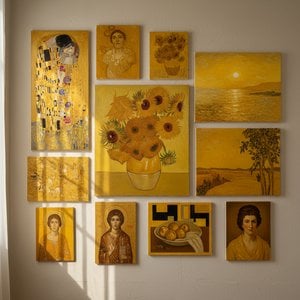
A sárgaokker aranykora: 10 híres festmény, melyek elbűvölnek | ArtsDot.com
Fedezze fel a sárgaokker festmények aranykorát! 10 híres műalkotás – Van Gogh, Rembrandt, Monet és más mesterek remekművei. Művészettörténet, inspiráció otthonába. Prémium minőségű reprodukciók a ArtsDot.com-on!

A Romantikus Tájképfestészet 10 Legikonikusabb Műalkotása – ArtsDot.com
Fedezze fel a romantikus tájképfestészet 10 legikonikusabb műalkotását! Caspar David Friedrich, J.M.W. Turner és más mesterek festményeinek története – inspiráló olajfestmények otthonába. ArtsDot.com: múzeumi minőségű reprodukciók és egyedi dekorációk online.

Evocations of Place: A Historical Journey Through Landscape Art
Explore the rich history of landscape art with ArtsDot. Discover renowned artists, movements like Impressionism & tonalism, and expert guidance for collecting timeless pieces. Find your perfect serene escape today!

Evocations of Place: A Historical Journey Through Landscape Art
Explore the rich history of landscape art with ArtsDot. Discover renowned artists, movements like Impressionism & Romanticism, and expert guidance for collecting timeless pieces. Find your perfect serene escape today!