


 Megtekintés
 Küldés
 Megosztás
 Részletek
 Útmutató

 Letöltés
 Hasonló darabok
 X-ray felvétel
 Diavetítés
 Statisztika
Still Life with Cake


 Összes részlet megjelenítése
Giclée / Műnyomat
Múzeumi minőségű giclée vagy vászonnyomat, gyors gyártással és rugalmas finomítási lehetőségekkel. ( Kézzel festett másolat rendelése Áttérés digitális képre)




P118B Ft10

P118H Ft10

P118W Ft10

P438Z Ft10

P508JH Ft12

P508YH Ft12

P805H Ft10

P805Z Ft10

P919BZ Ft10

P919G Ft10

P919XJ Ft10

P959ZH Ft10

P968JZ Ft12

W106C Ft8

W218G Ft10

W218JH Ft8

W218Y Ft10

W307PJ Ft10

W316G Ft10

W316PJ Ft8

W316Y Ft10

W398PJ Ft8

W4111J Ft10

W500HY Ft15

W500JH Ft15

W692G Ft12

W849H Ft8

W940BG Ft15

W953PJ Ft8




Válasszon előre meghatározott méreteink közül, amelyek megfelelnek a műalkotás eredeti arányainak.

Írja be a keretének vagy a falának megfelelő szélességet és magasságot. A nyomatot csak le lehet vágni, soha nem tehető nagyobbá, mint az eredeti kép, így egy eltérő alakú méretnél a kép egy része elveszik. Mielőtt bármit kinyatintanánk, küldünk egy digitális próbamodellt jóváhagyásra. Az oldalon látható kép nem tartalmazza a valós levágást — ezt csak a próbamodell mutatja meg.
Világszerte történő kiszállítás területére mindössze 2 hét alatt, a szokásos 4-5 hét helyett. (26 október)

Ingyenes globális expressz szállítás

Prémium minőségű len vászon

Teljes körű szállítási biztosítás

Vámvisszatérítési Garancia

Hiteles színarányosság garancia

100 napos visszaküldési lehetőség (csak hibás termékek esetén)

100% pénzvisszatérítési garancia

Több darab vásárlásakor kedvezmény
 Az üvegkeretes opció csak 110 cm alatti méretben érhető el

Still Life with Cake
Giclée / Műnyomat
Reprodukció mérete
-


Összesített ár
Ft 19873
A Moment Preserved: Raphaelle Peale’s “Still Life with Cake”
Raphaelle Peale's "Still Life with Cake," painted in 1818, isn’t merely a depiction of food; it’s a carefully constructed tableau brimming with quiet contemplation and subtle social commentary. This remarkable work, now residing within the Metropolitan Museum of Art, offers a poignant glimpse into the life and artistic sensibilities of America's first dedicated still-life painter – a figure often overlooked yet profoundly influential in shaping the nation’s visual culture.
The Painter and His Context
Born into the illustrious Peale family, Raphaelle was nurtured by his father, Charles Willson Peale, a celebrated naturalist, artist, and museum curator. This upbringing instilled in him an acute observational skill and a deep appreciation for detail – qualities that would become hallmarks of his distinctive style. Unlike many artists of his time focused on grand portraits or historical scenes, Raphaelle chose to dedicate himself entirely to still life, a decision that established him as a pioneer in the American art world. The early 19th century was a period of burgeoning national identity, and Peale’s work reflects this through its focus on everyday objects – symbols of domesticity and material comfort.
A Composition of Simplicity and Symbolism
The painting itself is remarkably restrained. A single, blemished apple sits alongside a scattering of raisins and a “poor man’s pound cake,” its texture suggesting a slightly dense, rustic quality. The arrangement isn't opulent; rather, it speaks to a modest existence – a deliberate choice that immediately draws the viewer in. The dark background serves not as a distraction but as a stage upon which these humble objects are presented with an almost theatrical intensity. Peale’s technique is characterized by meticulous detail and a subtle use of light, creating a sense of depth and realism. The artist masterfully captures the sheen of the fruit, the texture of the cake, and the delicate shadows that play across their surfaces.
Decoding the Narrative: Poverty and Prosperity
The inclusion of the “poor man’s pound cake” is particularly significant. It's a deliberate gesture, hinting at economic disparity and the realities of life for many Americans during this period. While the apple and raisins represent a more accessible bounty, the cake – often made from leftover dough – symbolizes a slightly elevated status, suggesting a small indulgence within a limited budget. Peale’s choice to depict these objects together creates a subtle tension, prompting viewers to consider the complexities of wealth and poverty in early America. The painting isn't simply about food; it’s about the values associated with it—a quiet meditation on abundance, scarcity, and the fleeting nature of earthly pleasures.
An Enduring Legacy
“Still Life with Cake” stands as a testament to Raphaelle Peale's artistic vision and his pioneering role in American art. It’s a work that invites contemplation, prompting us to consider not only the beauty of everyday objects but also the social and economic context in which they were created. Today, reproductions of this evocative painting continue to resonate with collectors and interior designers seeking pieces that combine historical significance with understated elegance. Its quiet power lies in its ability to capture a fleeting moment – a simple scene imbued with layers of meaning and emotion.
Kérdések és válaszok
Milyen színpaletta jellemzi a(z) „Still Life with Cake”, Raphaelle Peale alkotása alkotást?
A "Still Life with Cake" színei egy Earthy palettát alkotnak. Ez a besorolás a domináns színek családjait írja le.
Mikor készült „Still Life with Cake”, Raphaelle Peale alkotása, és milyen stílusú?
A "Still Life with Cake" 1818-ben készült, a Neoclassical Still Life irányzat részeként.
Hogyan tekinthetném meg a(t) „Still Life with Cake”, Raphaelle Peale alkotása diaváltogatás formájában?
Elérhető egy diaváltó: a Diaváltás oldala a(z) „Still Life with Cake”, Raphaelle Peale alkotása alkotáshoz.
Hasonló műalkotások


A művész életrajza
Az amerikai natureszent művészet úttörője
Az amerikai művészet fejlődő tájában, a korai XIX. században, ahol a portréfestészet uralkodott a társadalmi státusz és a örökség elsődleges eszközeként, Raphaelle Peale merész tekintetét az élettelen tárgyak csendes, gyakran figyelmen kívül hagyott szépségére irányította. 1774-ben, Annapolisban született művész nem csupán festő volt, hanem egy úttörő, aki egy olyan specializált rést alakított ki, amelyet korábban elhanyagoltak az ifjú nemzet művészeti repertoárjában. A legendás Charles Willson Peale fijaként létezése szorosan összefonódott az amerikai tudományos és művészeti felfedezések ütemével. Az egyik legbefolyásosabb amerikai művészdynasztia pályáján felnevelkedve Raphaelle olyan környezetbe született, ahol a precíz megfigyelés egyszerre volt a képzőművészet és a tudományos szükségesség alapja.
Korai képzése mélyen gyökerezett a naturalizmus és a mesterségesség ezen kettős hagyományában. Apja felügyelete alatt Peale megtanulta a világot a mélységes részletek lencséjén keresztül látni, egy olyan készség, amely később érett stílusának jellegzetessé vált. Miközben testvérei gyakran orvostudomány vagy természettudomány felé indultak, Raphaálló ezt az örökölt dokumentálási szenvedélyt az olajfestészet eszközeivé formálta. Nem csupán a tárgyak ábrázolására törekedett; célja az volt, hogy megemelje őket. A gyümölcsök textúrájára, a porcelán fényére és az organis matéria finom romlásának fókuszálva képes volt örökítsen az efemer pillanatokba, átalakítva az egyszerű konyhai tárgyakat a magas művészet témáivá.
A textúra és a trompe l'oeil mesterecége
Peale művészetének valódi brillanciája a fény és a felület feletti technikai uralmában rejlik. A trompe l'oeil — az „eye-deceiving” vagy szembedéberítő technika — mestere lett, olyan illúziókat alkotva, amelyek annyira meggyőzőek voltak, hogy a néző gyakran vágyott kinyújtani a kezét, hogy megérintse a festett tárgyakat. Kompozíciói, mint például a őszibarackokat, a mazsalotát vagy a halat ábrázoló alkotásai, a taktilist realitás tanulmányai. A fények és árnyékok mesteri alkalmazása révén szinte érezhető a beérett őszibarack bársonyos héja vagy egy kerámia kancsó hűvös, sima felülete.
Stilisztikai fejlődése jelentősen meghatározta az európai hagyományok ismerete, különösen a spanyol mesterek hatása, akik régóta tökéletesítették a natureszent művészetet. Az „Óvilág” kifinomultságának ötvözésével az amerikai érzékiséggel, olyan műveket alkotott, amelyek egyszerre voltak globálisan tájékozottak és helyileg otthonosak. Festményeiben gyakran megjelenik:
- Preciszió: A természet apró hibáinak, az alma apró foltjaitól a levél finom erezetéig terjedő elkötelezettség a részletek iránt.
- Dramatikus fények: A chiaroscuro használata, amely a sötét, atmoszférikus háttérből kiemelné a témákat, lendületet és szobrászi jelenléthet adva minden egyes tárgynak.
- Kompozíciós egyensúly: Az elemek gondos elrendezése, amely vezeti a néző tekintetét a bőség és a mulandóság csendes, kontemplatív narratíváján keresztül.
Tartós örökség az amerikai művészetben
Bár pályafutása viszonylag rövid volt, 1825-ben bekövetkezett haláláig, Raphaelle Peale hatása az amerikai művészet sorsfordító jelentőségű. Megszűntította a portréfestészet monopolistikus jellegét, bebizonyítva, hogy a házi és a naturalisztikus témák is méltók a legmagasabb szintű művészi odafigyelésre. Ezzel teret nyitott a következő generációk számára, akik nyomán az amerikai natureszent festők tovább kutatták a bőség, a romlás és a mindennapi szépség témáit.
Napjainkban Peale nem csupán egy híres család tagjaként él, hanem egy olyan egyedülálló tehetségként, akinek volt elég bátorsága ahhoz, hogy a kicsiben is hatalmasságot találjon. Művei élő tanúbizonyságai egy olyan amerikai történelmi korszaknak, amikor a nemzet még saját vizuális identitását formálta. Ecsetje révén egy kosár egyszerű tartalma vagy egy asztalfödő szerény elrendezése egy fejlődő kultúra képes였 megfigyelni, értékelni és megörökíteni a körülötte lévő világot.

Raphaelle Peale
1774 - 1825 , Amerikai Egyesült Államok
Rövid információk
- Artistic Movement Or Style: Still Life
- Artists Or Movements Influenced By This Artist: ['Spanyol mesterek']
- Artists Who Influenced This Artist: ['Charles Willson Peale']
- Date Of Birth: 1774. február 17.
- Date Of Death: 1825. március 4.
- Full Name: Raphaelle Peale
- Nationality: amerikai
- Notable Artworks:
- Still Life with Raisins, Yellow and Red Apples in Porcelain Basket
- Still Life with Jug and Fish
- Place Of Birth: Annapolis, Egyesült Államok
Kapcsolódó cikkek

The Enduring Legacy of Oil on Canvas: Technique, History & Aesthetic Impact
Explore the rich history & techniques of oil painting – from Renaissance masters to Impressionism. Discover pigments, layering methods, and why this timeless medium endures. Expert insights for artists & art enthusiasts.

Grant Wood & American Regionalism: Identity, Myth & the Rural Landscape
Explore the world of Grant Wood & American Regionalism with ArtsDot. Discover the symbolism behind 'American Gothic', recurring themes, and the movement's lasting impact on art history. High-quality reproductions available.

Charles Willson Peale: Portraiture, Enlightenment Ideals & Shaping American Identity
Explore the life & art of Charles Willson Peale – Revolutionary portraitist, scientist, and founder of America’s first museum. Discover his iconic paintings of Washington & the Enlightenment ideals that shaped a nation.
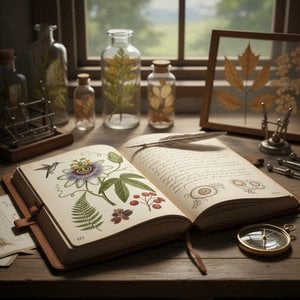
Titian Ramsay Peale II: A Legacy of Botanical Precision & Artistic Innovation
Explore the life & art of Titian Ramsay Peale II, a master of botanical precision and wildlife painting. Discover his legacy bridging art & natural history at ArtsDot.

Severin Roesen: Evoking National Identity Through American Still Life Painting
Explore the captivating world of Severin Roesen, a major American still life painter influenced by Dutch masters. Discover his lush compositions and the symbolism within his art – a window into 19th-century America.