


The picture follows your choices: , .
A gyűjtemény leírása
Experience Qiu Ying's 'The Sixteen Luohans,' a stunning 16th-century Chinese handscroll showcasing masterful gongbi brushwork & intricate detail of Buddhist figures.
 Összes részlet megjelenítése
A művész életrajza
Qiu Ying (1494-1552): A Ming-dinasztia ünnepelt festője, aki kifinomult gongbi tájképeiről, figuráiról és virágfestéseiről ismert. Kína négy mestere egyet.
Kézzel készített olajfestmény reprodukció
Kézzel festett olajvastú vászon, az Ön által választott méretben és keretben, művészeink készítik meglévőre. ( Váltás nyomtatványra Áttérés digitális képre)
More about this painting
 Megtekintés
 Küldés
 Megosztás
 Részletek
 Útmutató

 Letöltés
 Hasonló darabok
 X-ray felvétel
 Diavetítés
 Q&A
Q&A Statisztika
Order your painting in four simple steps
Take your time. You can change any answer; the price in your order card follows each choice.
1 Step one of four
Which size would you like?
These sizes keep the proportions of the original painting. The drawing shows your choice on a wall, above a two-metre sofa.
Or give your own measurements
Válasszon előre meghatározott méreteink közül, amelyek megfelelnek a műalkotás eredeti arányainak.

Írja be a kívánt szélességet és magasságot, hogy illeszkedjen a keretéhez vagy a falához. Mivel ez kézzel festett alkotás, egy eltérő formájú méret esetén a művész akár festhet is valamivel többet a kép körül, vagy korolathat is belőle — az Ön döntésének megfelelően. A festés megkezdése előtt küldünk egy digitális tervezetet jóváhagyásra. Az oldalon látható kép nem tartalmazza a végeredményt — csak a tervezet mutatja meg a valódi eredményt.
2 Step two of four
How should it be prepared: rolled, stretched or framed?
The prices below are for the size you chose in step one.
Choose the edges of the stretched canvas
Choose your frame

White Ft1

Blurside Ft1

Extended Ft1

P118B Ft10

P118H Ft10

P118W Ft10

P438Z Ft10

P508JH Ft12

P508YH Ft12

P805H Ft10

P805Z Ft10

P919BZ Ft10

P919G Ft10

P919XJ Ft10

P959ZH Ft10

P968JZ Ft12

W106C Ft8

W218G Ft10

W218JH Ft8

W218Y Ft10

W307PJ Ft10

W316G Ft10

W316PJ Ft8

W316Y Ft10

W398PJ Ft8

W4111J Ft10

W500HY Ft15

W500JH Ft15

W692G Ft12

W849H Ft8

W940BG Ft15

W953PJ Ft8

H24-GOLD Ft30

H24-SILVER Ft30

H36-GOLD Ft45

H36-SILVER Ft45
Keretezett
Moulding: . Overall size with the frame: .
3 Step three of four
Would you like anything changed in the painting?
Most people answer no. Because each painting is made by hand, our artist can also adapt it for you.
After order, ArtsDot.com team will email client for instructions and provide a mockup preview
4 Step four of four
A few finishing options
All of them are optional. The answers already selected cost nothing extra.
Who paints it?
Világszerte elérhető szállítás () 3-4 hét alatt a szokásos 5 hét helyett. (2 november). A minőség nem kérdőjelezhető.
A nameplate, as in a museum?
A gravírozott bronztábla részletei
This elegant plaque features the artist's name and the title of the artwork, finely engraved for a timeless presentation.
It is made from bronze with a refined, elegant finish. The text is precisely laser-engraved for a sharp and permanent result. Measuring 9x2 cm, the plaque is compact yet easy to read. It's built to be durable and scratch-resistant, offering a professional, museum-quality look. Mounting is simple thanks to the included adhesive backing.
Átlátszó akril tábla részletei
The plaque includes essential engraved details such as the artist's name, the title of the artwork, the date it was created, the type of media used-like oil on canvas or watercolor-a brief description of the piece, and a QR code that links to the complete artwork information.
It is crafted from clear acrylic, offering a sleek, modern appearance. The text is UV-engraved in black to ensure strong visual contrast. With a size of 10x15 cm, it ensures optimal readability. It comes equipped with two metal hooks for secure wall mounting. The plaque is designed to be weather-resistant, making it suitable for various environments, and it includes interactive features that work seamlessly with smartphone scanning.
Fekete akril tábla részletei
This elegant plaque includes engraved information such as the artist's name, the title of the artwork, the date it was created, the type of media used (like oil on canvas or watercolor), a short description of the artwork, and a QR code for quick access to more information.
The plaque itself is made from refined black acrylic with a premium finish. The text is laser-engraved in white for high contrast and readability. Its size is 10x15 cm, designed to be easy to read. It comes with two metal hooks for professional mounting. The design is sleek and fits any interior style. It is also weather-resistant and durable, with built-in digital integration for mobile compatibility.
A protective varnish?
When do you need it?
✓ Check and order
Your painting, as you ordered it

Handscroll
Reprodukciós technika
Reprodukció mérete
-

Kiváló mesterművész
Nagyobb részletesség, finomság és bővített gyártási idő
-

Reprodukció keretezése
-
-
A bármely oldalsó méretét túlszálaló 105 cm (kb. 41 hüvelyk) meghaladó műalkotások vagy reprodukciók esetében a keret összeszerelhető készletként, szétszerelve kerül szállításra. Ez a módszer biztosítja a biztonságos szállítást, és megakadályozza a szállítás során fellépő sérüléseket.
Szakmész összeszerelést igényel – ez nem DIY (önösszeszerelhető) termék.
A készletet egy tapasztalt keretező szakembernek kell összeszerelnie és a vásznat feszítenie kell, fa ragasztó (nem tartalmazza a csomag), vásznfeszítő fogó és szorítók használatával, amelyek a ragasztó száradásáig a keretrészeket egymáshoz vuôngjba tartják. A helytelen összeszerelés vagy a nem egyenletes vásznfeszítés maradandó károsíthatja a műalkotást, és ez nem része a garanciánknak.
 A bármely oldalsó méretét túlszálaló 105 cm (kb. 41 hüvelyk) meghaladó műalkotások vagy reprodukciók esetében a keret összeszerelhető készletként, szétszerelve kerül szállításra. Ez a módszer biztosítja a biztonságos szállítást, és megakadályozza a szállítás során fellépő sérüléseket.
A készlet tartalmazza az összes tömörfa rudat, pontosan méretre vágva.
A mellékelt csavarokkal, valamint a sarokszerekhez szükséges faütő ragasztóval kell összeszerelnie (ez nem tartalmazható a csomagban), így a keretrendezőnek külön kell beszereznie.
A csomag nem tartalmazza a szükséges professzionális eszközöket: egy vászonfeszítőt és klipseket a rácsok vízszintes tartásához a ragasztó megszáradásáig.
Fontos:
A sarokcsatlakozásokhoz fánylagra van szükség, a keretrudakat szorítókapcsokkal kell rögzíteni, amíg a rag teljesen meg nem szárad, a kész keretre feszített vászonhoz pedig vászonfeszítő fogat szükséges. Ezek egyike sem található meg a készletben. Kérjük, rendelés előtt győződjön meg róla, hogy rendelkezik tapasztalt keretező szakemberrel.

Névtábla
-
-

Védőréteg (Lakk)
Fényes lakk (intenzívabb színek, védelem a fény és a nedvesség hatása ellen)
-

Műalkotásom egyedi igényre szabása
Példák a módosíthatóságra: az arc kicserélése az ügyfél fotójára; háziállat hozzáadása (pl. macska helyett kutya); rejtett üzenet elhelyezése a háttérben; a háttér tájainak vagy elemeinek megváltoztatása.
-

Sürgős
Világszerte szóló szállítás () mindössze 3-4 hét alatt, a szokásos 5 hét helyett. (2 november). A minőség nem kérdőjelezhető.
-
Express szállítás
Világszerte elérhető szállítás területre 5 héten belül. (9 november).
A szállítás díja tartalmazza
Összesített ár
Ft 86137
Az üvegkeretes opció csak 110 cm alatti méretben érhető el
Included with every order
- Ingyenes globális expressz szállítás
- Prémium minőségű len vászon
- Teljes körű szállítási biztosítás
- Vámvisszatérítési Garancia
- Hiteles színarányosság garancia
- 100 napos visszaküldési lehetőség (csak hibás termékek esetén)
- 100% pénzvisszatérítési garancia
- Több darab vásárlásakor kedvezmény


Qiu Ying’s “Up the River During Qingming”: A Masterpiece of Ming Dynasty Serenity
“Up the River During Qingming,” painted by Qiu Ying during the mid-16th century, is more than just a landscape; it's a carefully constructed meditation on harmony, leisure, and the enduring beauty of nature. Attributed to one of China’s Four Masters of the Ming Dynasty – alongside Shen Zhou, Tang Yin, and Wen Zhengming – this exquisite handscroll offers a rare glimpse into the refined aesthetic sensibilities of Suzhou during that era. The work, currently residing in the collection of the National Gallery of Canada, invites viewers into a tranquil scene brimming with subtle symbolism and masterful brushwork.
Qiu Ying’s artistic journey was remarkably unconventional for his time. Rather than pursuing formal training within established art circles, he began as a lacquer artisan, honing his skills in meticulous detail – a foundation that profoundly influenced the precision and control evident throughout “Up the River During Qingming.” This early experience instilled in him an unparalleled understanding of line and color, qualities he would later translate into his celebrated landscape paintings. His apprenticeship with Zhou Chen in Suzhou further solidified his technical abilities, exposing him to the techniques of the Wu School, known for its emphasis on ink washes and a more expressive approach to nature.
A Symphony of Detail: Technique and Style
The painting’s remarkable quality stems from Qiu Ying's mastery of the gongbi technique – a highly detailed, realistic style that was favored by court painters. Each element—from the meticulously rendered bamboo stalks to the delicate folds of the pavilions—is executed with painstaking precision, creating an illusion of incredible depth and texture. Notice the subtle gradations of color achieved through layering washes of ink and pigment; this creates a luminous quality that brings the scene to life. The composition is carefully balanced, drawing the eye across the landscape in a deliberate and engaging manner. The artist’s use of loose brushwork, particularly in depicting the distant mountains and flowing river, contrasts beautifully with the tightly controlled detail of the foreground elements, demonstrating Qiu Ying's versatility and his ability to seamlessly blend different artistic approaches.
Symbolism Woven into the Landscape
“Up the River During Qingming” is rich in symbolic meaning. The scene depicts a scholar leisurely enjoying a day by the river, surrounded by carefully arranged pavilions and gardens. This imagery reflects the Confucian ideals of scholarly pursuits, contemplation, and harmony with nature – values highly esteemed during the Ming Dynasty. The presence of the tavern and the farmer gathering water vegetables adds a touch of everyday life to the scene, reminding us that even amidst beauty and tranquility, human activity continues. The bamboo grove, a recurring motif in Chinese art, symbolizes resilience, integrity, and longevity—qualities admired in virtuous individuals. The distant mountains represent permanence and stability, while the flowing river embodies fluidity and change.
A Window into Ming Dynasty Culture
Beyond its aesthetic beauty, “Up the River During Qingming” offers a valuable insight into Ming Dynasty culture. It reflects the importance of gardens as spaces for contemplation, artistic expression, and social interaction. The lavish furnishings within the pavilions—including the exquisite celadon vase—demonstrate the wealth and sophistication of the era’s elite. The painting also reveals the influence of philosophical ideas, particularly those associated with Zhou Dunyi, whose “On the Love for the Lotus” inspired the scene's composition and symbolism. Qiu Ying’s ability to seamlessly integrate these diverse elements into a cohesive and harmonious whole is a testament to his artistic skill and cultural awareness.
Collecting a Legacy: Reproduction and Inspiration
Reproductions of “Up the River During Qingming” capture only a fraction of the painting's original impact. The subtle nuances of color, texture, and brushwork are difficult to replicate fully, but high-quality reproductions offer an accessible way to appreciate Qiu Ying’s artistry. This work serves as a powerful reminder of the enduring appeal of Chinese landscape painting—a genre that continues to inspire artists and captivate viewers with its beauty, symbolism, and profound sense of serenity.
Kérdések és válaszok
Milyen közös tulajdonságokat oszt meg a "Handscroll" Qiu Ying további alkotásaival?
A "Handscroll" megosztja Qiu Ying többi művével a Gongbi Landscape stílust és a rögzített témákat: song dynasty landscape influence, ming dynasty artistic tradition, buddhist themes, spiritual journey, erotic literature, social commentary, master’s signature, legacy work.
Milyen színek jellemzik a "Handscroll" alkotást?
A „Handscroll”, Qiu Ying alkotása egy Earthy színpalettát használ, amely összefoglalja a mű egészében megnyilvánuló színes karakterét.
Milyen méretű „Handscroll”, Qiu Ying alkotása nyomatás illik a javasolt szobához?
A(z) „Handscroll”, Qiu Ying alkotása ajánlott párosítása: egy Medium méretű nyomat egy Living Room-ban.
Hasonló műalkotások


Qiu Ying
1494 - 1552, Kína
A művész életrajza
A ecset vonalaiban formálódó élet: Qiu Ying világa
Qiu Ying 1494-ben született szerény körülmények között, a mai Jiangsu tartományhoz tartozó Taicang városában, és az idője egyik legünnepeltebb festőjévé emelkedett a Ming-dinasztia korában. Ellentétben korabeli számos művészszel, akik tudós neveltetésben és formális képzésben részesültek a bevett művészeti körökben, Qiu Ying útja rendkívül önmagából fakadt volt. Művészeti utazását nem a hagyományos csatornákon kezdte, hanem lakkfestő tanítványként, finomhangolva készségeit a részletes dekoratív munkák felett – ez az alapozás pedig mélyrehatóan befolyásolta későbbi festményeinek jellemző, aprólék precizitását. Ez a korai tapasztalat megtanította őt a vonal és a szín mesterét, olyan képességeket, amelyeket később Zhou Chen mentorálása alatt csiszolt ki Suzhouban, a Ming-kori vibráló kulturális központban. Éppen ebben a dinamikus környezetben kezdett valóban virágzóvá válni Qiu Ying, befoglalva a technikákat, és kialakítva egyedülálló, saját hangzást.A sokféleség mestere: Stílus és technika
Qiu Ying zsenialitása nem egyetlen iskolához vagy stílushoz való merev ragaszkodásban rejlett, hanem rendkívüli sokoldalúságában. Miközben Suzhou a Wu Iskola kedvezésében álló finom tusfestészet egyik vára volt, Qiu Ying kivételes képességgel rendelkezett mind e nuanszált megközelítés, mind az élénk, részletgazdag gongbi technika mestereléséhez. Ez a alkalmazkodóképesség lehetővé tette számára, hogy változatos ízléssel rendelkező széles körű ügyfelek igényeit szolgálja ki, ezzel is elhelyezkedve mint rendkívül keresett művész. Készségesen ötvözte ezeket a technikákat, gyakran beépítve kompozícióiba a zöld-és kék stílus elemeit is – amely gazdag színezetéről és bonyolult részleteiről ismert. Festményeit kiváló színrefináltság, aprólék részletesség és a lenyűgöző képesség különbözteti meg, amellyel képes volt egyszerre hatalmas panorámás tájképeket és intimebb, finoman megmintált jeleneteket is megörökíteni. Ez a technikai tudás nem csupán szakértelemről szólt; erről a történetmesélésről, az érzelmek közvetítéséről és arról, hogy élettel tölte fel a narratívákat a selyemen vagy a papíron.Mecénások és a karrier virágzása
Qiu Ying pályája a gazdag mezténylevők bőkezű támogatásának köszönhetően virágzott fel, akik számos témakörben rendeltek meg alkotásokat. Festett atmoszférikus perspektívával árasztott tájképeket, szellemi áhrazottságot sugárzó vallásos jeleneteket, élettel teli virágos kerteket és lenyűgőző figurális kompozíciókat, amelyek alanyaik lényegét megörökítették. Legismertebb alkotása közé tartozik a mesteri kivitelezésű Up the River During Qingming, amely a jellegzetes Észak-Song dinasztia originájától vette inspirációját; a Lady in a Bamboo Grove, amely bemutatja képességét az elegáns alakok ábrázolásában természeti környezetben; a Seven Sages of the Bamboo Grove, amely klasszikus irodalmi témáinak mély ismeretét bizonyítja; valamint a Spring Morning in the Han Palace, a udvari élet vibráló ábrázolása. Kulcsfontosságú mezténylevők, mint Suzhoui Chen Guan, majd később Zhou Fenglai és Xiang Yuanbian – akik mindketten kiemelkedő művészeti gyűjtők voltak – döntő szerepet játszottak művészeti törekvései támogatásában, szabadságot adva neki a kreativitása felfedezésére és technikája finomítására.Örökség és tartós hatás
Qiu Ying tehetsége és sokoldalúsága helyet biztosított számára a Ming-dinasztia „Négy Mestere” között – ami a kínai festészetra gyakorolt mély hatásának bizonyítéka. Áthidalta a szakadékot a hagyományos stílusok és a kortárs ízlések között, olyan műveket alkotva, amelyek egyszerre voltak technikai szempontból brillánsok és esztétikailag vonzóak. Festményei visszhangolják az korábbi mesterek, különösen a Song dinasztia festői hatásait, de ő ügyesen ötvözte ezeket a történelmi előzményeket a saját kora esztétikájával. Nem csupán utánzott; szintetizált, innovált, és végső soron egy stílust teremtett, amely egyértelműen a sajátja volt. Életútja túl kínálta pengaruhását olyan művészek generációi felé, akik csodálták mesteri technikáját és innovatív megközelítését. A kínai művészettörténet elismert alakja maradt, aki becsülte a szépség megörökítésére, az jelentőség közvetítésére és a művészeti táj elrögzítésére való képességét. Még ma is neve díszíti a Merkúr egyik kraterumát – méltó tiszteletadás egy olyan művésznek, akinek látnokmása a földi határokon túlra nyúlt. Öröksége továbbra is ámulatot és csodálatot ébreszt a művészrajongók körében világszerte.Kapcsolódó cikkek

Xie Zhiliu: A Legacy of Ink Wash Painting & Modern Chinese Literati Tradition
Explore the legacy of Xie Zhiliu, a master of Chinese ink wash painting & prominent figure in modern art. Discover his techniques, influences, and contributions to literati tradition. A guide for discerning collectors.

Ephemeral Expressions: Exploring the Nuances of Ink on Paper Through History & Contemporary Art
Explore the captivating world of ink wash painting – from its ancient origins to contemporary masters. Discover techniques, symbolism & conservation insights with ArtsDot.com.
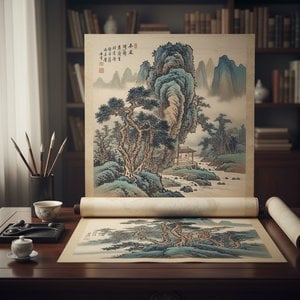
Pu Xinyu's 'Puru': A Legacy of Literati Painting & Emotional Resonance
Explore the captivating world of Pu Xinyu (Puru), the last great literati painter. Discover his imperial heritage, masterful ink wash techniques & enduring legacy – a valuable addition to any discerning art collection.