


 Megtekintés
 Küldés
 Megosztás
 Részletek

 Letöltés
 Hasonló darabok
 X-ray felvétel
 Diavetítés
Landscape at Le Cannet
 Acrylic On Canvas
- WallArt
- Impressionism
 1928
1928 128.0 x 278.0 cm
 Kimbell Art Múzeum
 Összes részlet megjelenítése
Giclée / Műnyomat
Múzeumi minőségű giclée vagy vászonnyomat, gyors gyártással és rugalmas finomítási lehetőségekkel. ( Kézzel festett másolat rendelése Kép letöltése)




P118B $10

P118H $10

P118W $10

P438Z $10

P508JH $12

P508YH $12

P805H $10

P805Z $10

P919BZ $10

P919G $10

P919XJ $10

P959ZH $10

P968JZ $12

W106C $8

W218G $10

W218JH $8

W218Y $10

W307PJ $10

W316G $10

W316PJ $8

W316Y $10

W398PJ $8

W4111J $10

W500HY $15

W500JH $15

W692G $12

W849H $8

W940BG $15

W953PJ $8




Válasszon előre meghatározott méreteink közül, amelyek megfelelnek a műalkotás eredeti arányainak.

Megadhat saját méreteket is egy konkrét kerethez vagy helyszínhez igazítva. Amennyiben a kiválasztott méret nem egyezik az eredeti kép arányokkal, a műalkotást le fogjuk vágni, vagy kiegészítjük a képet tükrözött vagy egyszínű szélekkel. A gyártás megkezdése előtt egy digitális tervezetet küldünk jóváhagyásra.
Kérjük, vegye figyelembe, hogy a képernyőn látható előnézet nem tükrözi a tényleges levágást vagy kiegészítést. Csak a tervezet mutatja pontosan a végső kompozíciót.
Bár az egyedi méretek is elérhetőek, az eredeti arányok megőrzése érdekében azt javasoljuk, hogy válasszon a előre meghatározott listából származó méretet.
Világszerte történő kiszállítás területére mindössze 2 hét alatt, a szokásos 4-5 hét helyett. (24 augusztus)

Ingyenes globális expressz szállítás

Prémium minőségű len vászon

Teljes körű szállítási biztosítás

Vámvisszatérítési Garancia

Hiteles színpontosság garancia

60 napos visszaküldési lehetőség (csak hibás termékek esetén)

100% pénzvisszatérítési garancia

Több darab vásárlása esetén kedvezmény
 Az üvegkeretes opció csak 110 cm alatti méretben érhető el

Landscape at Le Cannet
Giclée / Műnyomat
Reprodukció mérete
-


Összesített ár
$ 62
Gyűjthető leírása
Landscape at Le Cannet: Bonnard’s Embrace of Light and Memory
Pierre Bonnard's artistic legacy rests upon a profound understanding of perception—how light shapes color, how memory tints experience—principles vividly embodied in “Landscape at Le Cannet,” painted in 1928. This monumental canvas isn’t merely a depiction of the Provençal hillside where Bonnard resided; it’s an exploration of mood and atmosphere, a testament to his masterful manipulation of pigment and composition. Influenced by Impressionism's initial fascination with capturing fleeting moments of daylight, Bonnard pushed beyond mere optical representation, delving into the realm of subjective sensation. The formative years of Bonnard were undeniably shaped by the pioneering vision of Paul Gauguin, whose bold use of color and simplified forms instilled in Bonnard a rebellious spirit against academic formalism. This influence is palpable in the painting’s chromatic palette—a symphony of warm yellows, oranges, and reds that bathe the landscape in an ethereal glow.- Style: Bonnard's style can be characterized as Neo-Impressionism, though he deliberately distanced himself from the strict adherence to scientific color theory championed by Georges Seurat. Instead, he employed a technique known as Pointillisme—applying tiny dots of pure pigment to create an illusion of blended hues—a method that prioritized emotional resonance over precise visual accuracy.
- Technique: Bonnard’s meticulous application of paint—often described as “optical mixing”—allowed him to achieve remarkable luminosity and depth. He painstakingly layered dots of color, building up tonal variations with painstaking precision. This technique wasn't about replicating reality; it was about conveying feeling.
- Historical Context: Painted during the interwar years, “Landscape at Le Cannet” reflects the broader artistic currents of the period—a reaction against Expressionism’s angst-ridden explorations of psychological turmoil and a return to Impressionistic ideals of beauty and harmony.
- Emotional Impact: Bonnard aimed to evoke a feeling of serenity and nostalgia, capturing not just what he saw but also how he felt. The painting's luminous colors and harmonious composition convey a profound sense of peace—a reminder that art can transcend mere visual representation and communicate intangible emotions.
Hasonló műalkotások


A művész életrajza
A Life Bathed in Light: The World of Pierre Bonnard
Pierre Bonnard, born in 1867 in the Parisian suburb of Fontenay-aux-Roses, wasn’t destined for a life steeped in artistic expression. His father, a high-ranking official in the French Ministry of War, envisioned a legal career for his son. Young Pierre dutifully pursued law studies, earning his license in 1888, but his heart lay elsewhere—in the captivating world of color and form. This duality, this tension between expectation and passion, would subtly inform his artistic journey, lending a unique intimacy to his work. He initially dabbled in caricature, honing an observational skill that would later blossom into exquisitely rendered domestic scenes. However, it was at the Académie Julian where Bonnard truly found his path, encountering kindred spirits who shared his burgeoning rejection of academic conventions and embraced the avant-garde spirit sweeping through Paris. This encounter led him to the Nabis, a group of artists—including Maurice Denis, Paul Sérusier, and Édouard Vuillard—who sought to infuse art with spirituality and symbolism, moving beyond mere representation towards an exploration of inner experience.The Nabi Years and the Cultivation of Intimacy
Bonnard’s association with the Nabis proved pivotal. The group's emphasis on flattened forms, bold color palettes, and a rejection of traditional perspective resonated deeply with his artistic sensibilities. Inspired by Japanese prints—their elegant lines and harmonious compositions—and the Symbolist movement’s exploration of subjective emotion, Bonnard began to develop his signature style. He wasn’t interested in grand narratives or historical allegories; instead, he turned inward, focusing on the quiet moments of everyday life: a woman bathing, a family gathered for dinner, a sun-drenched garden. These weren't merely depictions of scenes but distillations of feeling—evocations of memory and atmosphere. This focus on intimate domesticity earned him the label “Intimist,” a term that perfectly captures the emotional resonance of his work. His paintings aren’t about *what* is depicted, but *how* it feels to be present in those moments. He worked from memory, sketching extensively and then translating those impressions onto canvas with a remarkable sensitivity to light and color. The Nabis group, seeking to break free from the constraints of academic art, explored themes of spirituality and symbolism, often drawing inspiration from Japanese aesthetics. Bonnard’s participation in this movement allowed him to experiment with unconventional compositions and techniques, pushing the boundaries of traditional painting.Color as Emotion: A Master Colorist
Bonnard's mastery of color is arguably his most defining characteristic. He didn’t simply *use* color; he *felt* it, allowing it to dictate the mood and atmosphere of his paintings. His palette was vibrant yet nuanced, often employing unexpected combinations that created a sense of shimmering luminosity. He famously would revisit completed canvases, subtly adjusting colors across multiple works to achieve perfect harmony—a testament to his obsessive dedication to chromatic balance. This wasn’t about realistic representation; it was about capturing the subjective experience of color, its ability to evoke emotion and memory. He moved away from direct observation, preferring instead to paint from recollection, allowing him to imbue his scenes with a dreamlike quality. His landscapes weren't simply depictions of places but emotional responses to them—filtered through the lens of personal experience. He was particularly interested in capturing the effects of light on surfaces and objects, creating an illusion of depth and atmosphere through subtle shifts in color and tone.Later Life and Lasting Legacy
As Bonnard matured, his artistic focus shifted further towards the exploration of color and light. He spent increasing amounts of time in the south of France, captivated by the Mediterranean landscape and its intense luminosity. His relationship with Marthe de Meligny, his wife and lifelong muse, remained central to his life and work. She appears frequently in his paintings, often depicted bathing or engaged in everyday activities, her presence radiating a quiet grace and intimacy. In 1912, he purchased “La Roulotte” in Vernonnet, near Giverny, establishing a close friendship with Claude Monet. This proximity to the master of Impressionism further fueled Bonnard’s exploration of light and color, though he always maintained his own distinct artistic vision. He continued painting until shortly before his death in 1947, leaving behind a body of work that continues to captivate and inspire. Bonnard's influence on subsequent generations of artists is undeniable. His emphasis on subjective experience, his masterful use of color, and his celebration of the everyday have left an indelible mark on modern art. He demonstrated that beauty could be found not in grand gestures or heroic narratives, but in the quiet moments of life—bathed in light and imbued with emotion.Notable Works & Collections
- Woman in Checkered Dress (1890): An early example of his Nabi-influenced style, showcasing flattened forms and bold color combinations.
- The Dining Room (1913): A quintessential Intimist scene, capturing the warmth and intimacy of domestic life.
- Bowl of Fruit (c. 1933): Demonstrates his mastery of still life, with vibrant colors and a sense of luminous depth.
- The Almond Tree in Blossom (1947): One of his last paintings, completed just days before his death, showcasing his continued exploration of color and light.
- Musée Marmottan Monet, Paris, France
- Art Institute of Chicago
- Museum of Modern Art, New York City
- Tate Modern, London

Pierre Bonnard
1867 - 1947 , Franciaország
A művészről röviden
- Artistic Movement Or Style: Posztimpresszionizmus, Intimizmus
- Artists Or Movements Influenced By This Artist:
- Nabis
- Impressionizmus
- Artists Who Influenced This Artist:
- Gauguin
- Hokusai
- Date Of Birth: 1867. okt. 3.
- Date Of Death: 1947. jan. 23.
- Full Name: Pierre Bonnard
- Nationality: Francia
- Notable Artworks:
- Női sötét ingetben
- Ebédlő
- Gyümölcsdoboz
- Place Of Birth: Fontenay-aux-Roses, Francia
Kapcsolódó cikkek

Renoir Mesterek: A 25 Leglenyűgözőbb Kép a Francia Impresszionizmus Gyöngyszemeiből | ArtsDot
Fedezze fel Pierre-Auguste Renoir 25 legszebb művét! Ismerje meg az impresszionizmus gyöngyszemeit, a színek és fény játékát. Vásároljon exkluzív Renoir reprodukciókat otthonába a ArtsDot.com kínálatából – minőségi faliképek és inspiráló dekoráció.

Paul Cézanne 25 Mesterműve: A Modern Művészet Úttörői | ArtsDot
Fedezze fel Paul Cézanne 25 legikonikusabb művét! Ismerje meg a posztimpresszionizmus úttörőjének festményeit, technikáját és inspirációit. Vászonképek, portrék, tájképfestmények – minden otthonba. Böngéssze gyűjteményünket a ArtsDot-on!

A 10 legikonikus impresszionista tájkép: művészeti remekművek otthonába | ArtsDot.com
Fedezze fel a 10 legikonikus impresszionista tájkép festményt! Monet, Renoir, Degas és más művészek remekművei. Vászonképek, faliképek otthonába – inspirálódjon ArtsDot.com-on! Explore the full collection online.

Evocations of Place: A Historical Journey Through Landscape Art
Explore the rich history of landscape art with ArtsDot. Discover renowned artists, movements like Impressionism & Romanticism, and expert guidance for collecting timeless pieces. Find your perfect serene escape today!
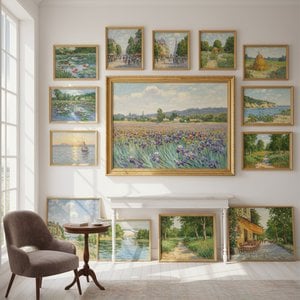
A 10 legikonikus impresszionista tájkép: Művészeti remekművek otthonába – ArtsDot.com
Fedezze fel a 10 legikonikus impresszionista tájkép festményt! Monet, Renoir és más mesterek alkotásainak története. Olajfestmények, vászonképek otthonába – ArtsDot.com kínálatából. Explore the full collection online!



