


 Előnézet
 Megosztás
 Megosztás
 Részletek

 Letöltés
 Hasonló alkotások
 X-ray felvétel
 Diavetítés
Design for
 Drawing
- WallArt
- Arts and Crafts
 1860
1860- 19th Century
 71.0 x 35.0 cm
 William Morris Gallery
 Tovább olvasom
Kézzel készített olajfestmény reprodukció
Kézzel festett olajvastú vászon, az Ön által választott méretben és keretben, művészeink készítik meglévőre. ( Váltás nyomtatványra Képváltás)




P118B $10

P118H $10

P118W $10

P438Z $10

P508JH $12

P508YH $12

P805H $10

P805Z $10

P919BZ $10

P919G $10

P919XJ $10

P959ZH $10

P968JZ $12

W106C $8

W218G $10

W218JH $8

W218Y $10

W307PJ $10

W316G $10

W316PJ $8

W316Y $10

W398PJ $8

W4111J $10

W500HY $15

W500JH $15

W692G $12

W849H $8

W940BG $15

W953PJ $8




Válasszon előre meghatározott méreteink közül, amelyek megfelelnek a műalkotás eredeti arányainak.

Ön megadhat saját méreteket egy adott kerethez vagy térhez igazításhoz. Ha a kiválasztott méret nem egyezik az eredeti kép arányával, akkor a műalkotást levágjuk, vagy további kézzel festett elemekkel meghosszabbítjuk a festményt. A gyártás megkezdése előtt küldünk Önnek egy digitális előnézetet jóváhagyásra.
Kérjük, vegye figyelembe, hogy a képernyőn megjelenő előnézet nem tükrözi a tényleges vágást vagy kiterjesztést. Csak az előnézet fog pontosan mutatni a végső kompozíciót.
Bár egyedi méretek állnak rendelkezésre, javasoljuk, hogy válasszon egy méretet az előre meghatározott listából az eredeti arányok megőrzése érdekében.
A rendelést követően a ArtsDot.com csapata e-mailt küld az ügyfélnek az instrukciókért, és biztosít egy előnézeti képet (mockup).
Világszerte elérhető szállítás () 3-4 hét alatt a szokásos 5 hét helyett. (10 augusztus). A minőség nem kérdőjelezhető.

Ingyenes globális expressz szállítás

Prémium minőségű len vászon

Teljes szállítási biztosítás

Vámvisszatérítési Garancia

Tökéletes színpontosság garancia

60 napos visszaküldési lehetőség (csak gyártási hibák esetén)

100%-os pénzvisszatérítési garancia

Kedvezmény több termény esetén
 Az üvegkeretes opció csak 110 cm alatti méretben érhető el

Design for
Reprodukciós technika
A reprodukció mérete
-


Összesített ár
$ 263
A műalkotás leírása
Hasonló műalkotások


A művész életrajza
The Architect of Integrity: The Life and Legacy of Philip Speakman Webb
In the heart of the nineteenth century, as the soot of the Industrial Revolution began to shroud the British landscape in a veil of mechanical uniformity, a new vision of beauty was being forged. At the center of this quiet revolution stood Philip Speakman Webb, a man whose architectural philosophy would become the very heartbeat of the Arts and Seraphic Crafts movement. Born in Oxford in 1831, Webb did not merely seek to build structures; he sought to restore a lost connection between humanity, craftsmanship, and the natural world. His life’s work was a profound rebellion against the mass-produced, an elegant pursuit of what he called "the art of common building," where every stone, timber, and tile whispered of tradition and tactile truth.
Webb’s journey into the vanguard of design was shaped by a series of pivotal encounters and rigorous training. After studying in Northamptonshire and apprenticing under John Billing in Reading, his trajectory was irrevocably altered when he joined the London office of George Edmund Street. It was within this professional crucible that Webb met William Morris, a meeting that would ignite one of the most significant creative partnerships in art history. Together, they shared a disdain for the hollow ornamentation of the Victorian era, finding instead inspiration in the rugged honesty of medieval and vernacular architecture. This bond was not merely social but deeply collaborative, leading to the formation of Morris, Marshall, Faulkner & Co., where Webb’s architectural sensibilities breathed life into furniture, tapestries, and stained glass.
Red House and the Birth of a Movement
The true manifesto of Webb’s genius was written in brick and mortar at Red House. Commissioned by Morris in 1859, this residence in Bexleyheath became much more than a family home; it became the foundational blueprint for an entire aesthetic era. Moving away from the grand, often ostentical styles of his contemporaries, Webb embraced a restrained elegance. He utilized red brick, steep-sloped roofs, and tall, Tudor-like chimneys to create a structure that felt as though it had grown organically from the Kentish soil. The house was a triumph of functionality and simplicity, proving that true luxury lay in the quality of materials and the integrity of design rather than superficial decoration.
This mastery of the domestic sphere extended far beyond a single commission. Webb’s ability to blend the Gothic Revival influence with a practical, modern sensibility allowed him to pioneer the English Domestic Revival. His designs for country manors and urban townhouses were characterized by:
- Vernacular Authenticity: A deep respect for local building traditions and materials.
- Structural Honesty: An emphasis on visible craftsmanship, such as exposed timber and sturdy masonry.
- Organic Integration: Creating spaces that felt intimately connected to their surrounding landscapes.
A Lasting Impression on the Modern World
Beyond the physical structures he left behind, Webb’s historical significance lies in his role as a guardian of heritage. Alongside Morris, he co-founded the Society for the Protection of Ancient Buildings (SPAB), an organization dedicated to the preservation of historic fabric against destructive modern "restorations." This commitment to conservation mirrored his architectural practice—both were rooted in a profound respect for the past and a desire to protect the soul of the built environment. His work served as a vital bridge between the medieval spirit and the burgeoning seeds of Modernism, influencing generations of designers to value the hand of the maker over the output of the machine.
As we look back upon the career of Philip Speakman Webb, we see more than an architect; we see a visionary who championed the dignity of labor and the beauty of the unpretentious. His legacy remains etched in the very textures of the Arts and Crafts movement—a reminder that architecture, at its finest, is not about imposing a style upon the land, but about listening to the stories the land and its materials are waiting to tell.

philip speakman webb
1831 - 1915 , United Kingdom
Rövid tények
- Artistic Movement Or Style: Arts and Crafts
- Artists Or Movements Influenced By This Artist: ['Morris & Co.']
- Artists Who Influenced This Artist:
- George Edmund Street
- William Morris
- Date Of Birth: January 12, 1831
- Full Name: Philip Speakman Webb
- Nationality: British
- Notable Artworks:
- Red House
- Buffet
- Place Of Birth: Oxford, United Kingdom
Kapcsolódó cikkek

A kék árnyalatai: 10 ikonikus festmény a Slate Blue szín jegyében | ArtsDot.com
Fedezze fel a 10 legikonikusabb festményt, melyeket a Slate Blue szín ural! Monet, Renoir és más mesterek művei inspirálnak. Vászonképek eladás, otthon dekoráció tippek a ArtsDot.com-on. Explore the full collection online!

Verdant Visions: Exploring the Symbolism & Aesthetic Impact of Green in Art History
Explore the rich history & symbolism of green in art! Discover iconic paintings, techniques, and how to bring verdant harmony into your home with ArtsDot's expert guide.
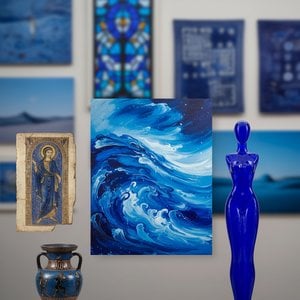
The Allure of Azure: Exploring the Symbolic & Aesthetic Depths of Blue in Art History
Explore the rich history of blue in art! Discover its symbolism, from ancient pigments to modern masterpieces by Kandinsky & Seurat. Uncover the psychological impact and cultural meanings behind this captivating hue.

A krómzöld festmények világa: 10 ikonikus műalkotás a lakberendezésben
Fedezze fel a krómzöld festmények lenyűgöző világát! 10 ikonikus műalkotás – Monet, Van Gogh és más mesterek kezeként. Inspirálódjon lakberendezéshez, és vásároljon minőségi reprodukciókat a ArtsDot.com-on.

A sötét olívazöld árnyalatok 10 leghíresebb festménye – művészeti remekművek otthonra
Fedezze fel a 10 leghíresebb festményt, melyeket az olívazöld árnyalatok dominálnak! Reneszánsz remekművektől a modern művészetig – ismerje meg a mestereket és inspirálódjon otthon dekorációjához. Museum-minőségű reprodukciók a ArtsDot.com-on!

