

 Megtekintés
 Küldés
 Megosztás
 Részletek
 Útmutató

 Letöltés
 Hasonló darabok
 X-ray felvétel
 Diavetítés
 Kérdések és válaszok
 Statisztika
Linhas


 Összes részlet megjelenítése
Az ezen az oldalon megjelenített műalkotások szerzői jogi védelem alatt állnak, ami azt jelenti, hogy törvényileg nem készíthetünk és nem adhatunk el belőlük pontos másolatokat. Ez a védelem olyan nemzetközi megállapodások alapján érvényesül, mint például a Berni Egyezmény és a nemzeti jogszabályok által, beleértve azokat is, amelyeket meghatározott Az USA szerzői jogi törvénye – 17. cím.
Ez a módszer teljes mértékben megfelel a szerzői jogi szabályozásnak, mivel nem tartalmazza a védett műalkotás másolását vagy duplikálását. Ehelyett ez egy kreatív újinterpretáció – egy új festmény, amely az eredetivel való összefüggései miatt hatással van rá, de nem az az.
Giclée / Műnyomat
Múzeumi minőségű giclée vagy vászonnyomat, gyors gyártással és rugalmas finomítási lehetőségekkel. ( Kézzel festett másolat rendelése Áttérés digitális képre)




P118B Ft10

P118H Ft10

P118W Ft10

P438Z Ft10

P508JH Ft12

P508YH Ft12

P805H Ft10

P805Z Ft10

P919BZ Ft10

P919G Ft10

P919XJ Ft10

P959ZH Ft10

P968JZ Ft12

W106C Ft8

W218G Ft10

W218JH Ft8

W218Y Ft10

W307PJ Ft10

W316G Ft10

W316PJ Ft8

W316Y Ft10

W398PJ Ft8

W4111J Ft10

W500HY Ft15

W500JH Ft15

W692G Ft12

W849H Ft8

W940BG Ft15

W953PJ Ft8




Válasszon előre meghatározott méreteink közül, amelyek megfelelnek a műalkotás eredeti arányainak.

Írja be a keretének vagy a falának megfelelő szélességet és magasságot. A nyomatot csak le lehet vágni, soha nem tehető nagyobbá, mint az eredeti kép, így egy eltérő alakú méretnél a kép egy része elveszik. Mielőtt bármit kinyatintanánk, küldünk egy digitális próbamodellt jóváhagyásra. Az oldalon látható kép nem tartalmazza a valós levágást — ezt csak a próbamodell mutatja meg.
Világszerte történő kiszállítás területére mindössze 2 hét alatt, a szokásos 4-5 hét helyett. (3 november)

Ingyenes globális expressz szállítás

Prémium minőségű len vászon

Teljes körű szállítási biztosítás

Vámvisszatérítési Garancia

Hiteles színarányosság garancia

100 napos visszaküldési lehetőség (csak hibás termékek esetén)

100% pénzvisszatérítési garancia

Több darab vásárlásakor kedvezmény
 Az üvegkeretes opció csak 110 cm alatti méretben érhető el

Linhas
Giclée / Műnyomat
Reprodukció mérete
-


Összesített ár
Ft 20641
A Monumental Vision of Urban Modernity
In the evocative landscape of mid-century art, few works capture the tension between progress and solitude as poignantly as Paulo Pires da Silva’s “Linhas.” Created in 1950, this masterpiece serves as an arresting testament to the spirit of Expressionism, offering a profound meditation on the burgeoning influence of urban architecture. At first glance, the viewer is confronted by the imposing presence of a skyscraper dominating the skyline, yet the painting transcends mere architectural documentation. Through a masterful exploration of geometric abstraction, Silva utilizes simplified forms to convey the complex, often overwhelming emotions stirred by the rapid industrialization of the era. The work stands as a powerful symbol of a world in transition, where the steel and stone of new constructions begin to reshape the very soul of the city.
The visual language of “Linhas” is defined by its striking use of monochrome, a choice that strips away the distractions of color to focus the viewer's attention on the raw interplay of light and shadow. This starkness elevates the artwork beyond simple representation, transforming the building into an evocative icon of both advancement and isolation. The artist’s technique is deeply rooted in the Expressionist tradition, rejecting naturalistic precision in favor of a more visceral, psychological truth. By employing bold, thick brushstrokes, Silva creates palpable surface irregularities that lend the building a sculptural, almost tactile quality. These textured layers do not merely depict a facade; they imbue the architecture with a heavy, monumental presence that mirrors the imposing scale of contemporary urban development.
Historical Resonance and Emotional Depth
To understand the gravity of “Linhas,” one must look to the historical landscape of post-World War II Lisbon. During this period, Portugal was navigating a transformative era of rapid industrialization and ambitious construction projects, fueled by significant international investments. Silva captures this moment of metamorphosis with remarkable sensitivity, reflecting the tension inherent in a city being reshaped by modern capital and concrete. The painting acts as a mirror to the societal shifts of the 1950s, where the rise of the skyscraper represented a dual promise of economic prowess and the potential loss of human-scale intimacy.
For the discerning collector or interior designer, “Linhas” offers more than just aesthetic beauty; it provides a sophisticated focal point that commands attention through its dramatic contrast and structural integrity. The piece invites deep contemplation, prompting viewers to reflect on the relationship between humanity and the built environment. Whether placed in a contemporary gallery setting or a refined residential space, the artwork’s timeless quality and rhythmic geometric patterns provide an atmosphere of intellectual depth and quiet strength. It is a work that does not merely decorate a room but enriches it with a sense of history, movement, and the enduring mystery of the modern age.
Kérdések és válaszok
A „Linhas” Paulo Pires da Silva pályájának mely szakaszát képviseli?
Paulo Pires da Silva pályaművében a „Linhas” a Mid-career period korszakba tartozik. Ez az időszak segít összehasonlíthatóvá tenni a művet a művész többi alkotásával.
Van-e rozšíngtott valóság (AR) előnézete a(z) "Linhas" alkotásnak?
A(z) "Linhas" kiterjesztett valóság (AR) előnézettel rendelkezik: a mű Kiterjesztett valóság előnézet oldalán kompatibilis eszközön megtekinthető saját környezetében.
Ki készítette a "Linhas" alkotást, és milyen stílusú?
A "Linhas" mögött Paulo Pires da Silva és a Expressionism irányzat áll.
Hasonló műalkotások


![[hercule Florence] — Oscar Pereira Da Silva, Academic Portraiture](/media/artworks/images-thumb/6e/59/6e59d1f45a12e06cc4a46aa211b8e19f.jpg)


![Autorretrato [self-portrait] — Oscar Pereira Da Silva, Academic Realism](/media/artworks/images-thumb/f8/2c/f82c36e3c45761e537cad75f812a5b33.jpg)
A művész életrajza
Early Life and Career
- Birth and Family: paulo pires da silva was born on August 27, 1926, in Lisbon, Portugal, and passed away on January 11, 2020, in Rio de Janeiro, Brazil.
- Business Acumen: She was the president of Grupo Grão-Pará, a conglomerate with diverse interests including construction, real estate, tourism, hotel management, and marble production. Her leadership earned her accolades such as Commander of the Industrial Class in 1972, Grand Officer of the Order of Merit in 1989, and Grand Cross of the same order in 2000.
- Not a Painter: It is important to note that paulo pires da silva was not a painter herself; her influence stemmed from her support for artists and art movements.
Artistic Associations and Support
- New Hall Art Collection: Her connection to the art world is evident through her association with institutions like the New Hall Art Collection in Cambridge, UK. This collection features works by prominent contemporary artists such as Vanessa Gardiner, Eleanor Engle, Jila Peacock, and Maggi Hambling.
- Plymouth City Museum and Art Gallery: Similarly, she was connected to the Plymouth City Museum and Art Gallery in the UK, which showcases art including pieces by John William Waterhouse and Edward Coley Burne-Jones.
- Support for Cultural Heritage: paulo pires da silva’s support contributed to preserving and promoting cultural heritage in both Portugal and Brazil.
Legacy and Influence
- National Museum of Ancient Art (Lisbon): The National Museum of Ancient Art in Lisbon, home to works by Domingos António de Sequeira, benefited from her support for the arts.
- Culturgest Foundation: The Culturgest - Fundação Caixa Geral de Depósitos in Lisbon, featuring art by Eduardo José Nery De Oliveira Goih, also reflects her influence.
- Associated Artists: Notable artists linked to her business and artistic endeavors include Amadeo de Souza Cardoso, José Jorge da Silva Escada, and José Sobral de Almada Negreiros.
- Art Movements: Her associations extended to art movements like Expressionism, represented in works available on platforms such as ArtsDot.com.
Notable Works & Current Recognition
- Homens Trabalhando: A black and white photograph depicting a construction site, showcasing geometric lines and industrial themes.
- Linhas: An artwork currently featured in databases.
- Figures II: A 1968 lithograph portraying industrial architecture with a geometric abstraction style.
- Museum Recognition: paulo pires da silva is recognized by institutions like the Museum of Modern Art (MoMA), acknowledging her contribution to the art world.
Historical Significance
- Bridging Business and Art: paulo pires da silva’s life exemplifies the intersection of business success and artistic patronage.
- Cultural Preservation: Her dedication to supporting artists and institutions played a role in preserving cultural heritage across Portugal and Brazil.
- Lasting Impact: Her legacy continues through the artworks she supported and the institutions that benefited from her involvement, ensuring her influence endures within the art world.

Paulo Pires da Silva
1926 - 2020 , Portugal
Rövid információk
- Full Name: Paulo Pires da Silva
- Nationality: Portuguese
- Date Of Birth: 1926
- Date Of Death: 2020
- Place Of Birth: Lisbon, Portugal
- Notable Artworks:
- Homens Trabalhando
- Linhas
- Figures II
- Artistic Movement Or Style: Not a painter
- Artists Or Movements Influenced By This Artist:
- Amadeo de Souza Cardoso
- Expressionism
Kapcsolódó cikkek

Leonardo da Vinci 25 Mesterműve: Festmények, Rajzok és a Reneszánsz Zsenije – ArtsDot.com
Fedezze fel Leonardo da Vinci 25 legikonikusabb művét! Ismerje meg a Mona Lisa, az Utolsó Vacsora és más reneszánsz remekművek történetét. Museum-minőségű reprodukciók és inspiráló otthon dekorációs ötletek – ArtsDot.com.

Leonardo da Vinci: A Renaissance Master’s Synthesis of Art, Science & Human Observation – Reinterpreted for the Collector
Explore Leonardo da Vinci’s timeless masterpieces with ArtsDot. Discover insights into his art, science, and legacy – trusted expertise for discerning collectors seeking authentic reproductions & investment opportunities.

The Raw Emotion of Expressionism: A Deep Dive into its History, Characteristics & Enduring Influence
Explore the raw emotion of Expressionism with ArtsDot. Discover its history, key artists like Kirchner & Munch, and lasting influence on modern art. Expert insights for collectors & enthusiasts.

Benedito Calixto: A Brazilian Modernist's Landscape of Memory & National Identity
Explore the captivating world of Benedito Calixto, a pivotal Brazilian Modernist painter. Discover his iconic landscapes, the story behind the famous Bandeirante portrait, and his lasting impact on Brazilian national identity. Learn more at ArtsDot.
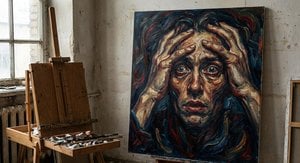
Figurative Expressionism: Emotional Intensity & Subjective Reality in 20th-Century Art
Explore the powerful world of Figurative Expressionism with ArtsDot. Discover key artists like Kirchner & Beckmann, understand its emotional depth, and learn how to collect this influential 20th-century art movement.