

- 46.0 x 55.0 cm


A kép az Ön választásai alapján készült: , .
A gyűjtemény leírása
Paul Signac’s "Antibes, thunderstorms" (1919) – a stunning Pointillist coastal scene. Explore this masterpiece of shimmering light & atmospheric perspective.
 Összes részlet megjelenítése
A művész életrajza
Paul Signac (1863-1935): A neo-impressionista festő, a pointillizmus megalkotója! Élénk tengerparti tájak, kikötők és a modern művészet meghatározó alakja. Fedezd fel a vibráló világát!
Kézzel készített olajfestmény reprodukció
Kézzel festett olajvastú vászon, az Ön által választott méretben és keretben, művészeink készítik meglévőre. ( Váltás nyomtatványra Áttérés digitális képre)
Több információ erről a festményről
 Megtekintés
 Küldés
 Megosztás
 Részletek
 Útmutató

 Letöltés
 Hasonló darabok
 X-ray felvétel
 Diavetítés
 Kérdések és válaszok
 Statisztika
Rendelje meg festményét négy egyszerű lépésben
Ne siessen! Bármely választ módosítható; az rendelési összesítőben megjelenő ár minden egyes döntésre reagál.
1 Az első lépés négyből
Melyik méretet szeretné?
Ezek a méretek megőrzik az eredeti festmény arányait. A rajz bemutatja a választott méretet egy falon, egy kétszáz centiméteres kanapé felett.
Vagy adja meg a saját méreteit
Válasszon előre meghatározott méreteink közül, amelyek megfelelnek a műalkotás eredeti arányainak.

Írja be a kívánt szélességet és magasságot, hogy illeszkedjen a keretéhez vagy a falához. Mivel ez kézzel festett alkotás, egy eltérő formájú méret esetén a művész akár festhet is valamivel többet a kép körül, vagy korolathat is belőle — az Ön döntésének megfelelően. A festés megkezdése előtt küldünk egy digitális tervezetet jóváhagyásra. Az oldalon látható kép nem tartalmazza a végeredményt — csak a tervezet mutatja meg a valódi eredményt.
2 A négy lépésből a második
Hogyan kívánja előkészíteni: feltekercselve, vászonra feszítve vagy keretezve?
Az alábbi árak az első lépésben választott méretre vonatkoznak.
Válaszd ki a feszített vászon széleit
Válassza ki a keretet

Fehér Ft1

Elmosódott szélek Ft1

Kiterjesztett Ft1

P118B Ft10

P118H Ft10

P118W Ft10

P438Z Ft10

P508JH Ft12

P508YH Ft12

P805H Ft10

P805Z Ft10

P919BZ Ft10

P919G Ft10

P919XJ Ft10

P959ZH Ft10

P968JZ Ft12

W106C Ft8

W218G Ft10

W218JH Ft8

W218Y Ft10

W307PJ Ft10

W316G Ft10

W316PJ Ft8

W316Y Ft10

W398PJ Ft8

W4111J Ft10

W500HY Ft15

W500JH Ft15

W692G Ft12

W849H Ft8

W940BG Ft15

W953PJ Ft8

H24-GOLD Ft30

H24-SILVER Ft30

H36-GOLD Ft45

H36-SILVER Ft45
Keretezett
Keretprofil: . A kerettel együtt vett teljes méret: .
3 A négy lépésből a harmadik
Szeretne változtatni valamit a festményen?
A legtöbb ember nemet mond erre. Mivel minden festmény kézzel készül, művészünk képes az Ön igényei szerint is átalakítani azt.
A megrendelést követően a ArtsDot.com csapat e-mailt küld a vásárlónak az instrukciókkal, és biztosítja a tervezeti előnézetet
4 A négy lépés közül a negyedik
Néhány felületfinisz
Mindegyik opcionális. A már kiválasztott válaszok nem jelentnek plusz költséget.
Ki festette?
Világszerte elérhető szállítás () 3-4 hét alatt a szokásos 5 hét helyett. (3 november). A minőség nem kérdőjelezhető.
Egy felirat, mint egy múzeumban?
A gravírozott bronztábla részletei
This elegant plaque features the artist's name and the title of the artwork, finely engraved for a timeless presentation.
It is made from bronze with a refined, elegant finish. The text is precisely laser-engraved for a sharp and permanent result. Measuring 9x2 cm, the plaque is compact yet easy to read. It's built to be durable and scratch-resistant, offering a professional, museum-quality look. Mounting is simple thanks to the included adhesive backing.
Átlátszó akril tábla részletei
The plaque includes essential engraved details such as the artist's name, the title of the artwork, the date it was created, the type of media used-like oil on canvas or watercolor-a brief description of the piece, and a QR code that links to the complete artwork information.
It is crafted from clear acrylic, offering a sleek, modern appearance. The text is UV-engraved in black to ensure strong visual contrast. With a size of 10x15 cm, it ensures optimal readability. It comes equipped with two metal hooks for secure wall mounting. The plaque is designed to be weather-resistant, making it suitable for various environments, and it includes interactive features that work seamlessly with smartphone scanning.
Fekete akril tábla részletei
This elegant plaque includes engraved information such as the artist's name, the title of the artwork, the date it was created, the type of media used (like oil on canvas or watercolor), a short description of the artwork, and a QR code for quick access to more information.
The plaque itself is made from refined black acrylic with a premium finish. The text is laser-engraved in white for high contrast and readability. Its size is 10x15 cm, designed to be easy to read. It comes with two metal hooks for professional mounting. The design is sleek and fits any interior style. It is also weather-resistant and durable, with built-in digital integration for mobile compatibility.
Egy védőréteg?
Mikor lenne szüksége rá?
✓ Ellenőrizés és rendelés
Az Ön által megrendelt festmény

Antibes, thunderstorms
Reprodukciós technika
Reprodukció mérete
-

Kiváló mesterművész
Nagyobb részletesség, finomság és bővített gyártási idő
-

Reprodukció keretezése
-
-
A bármely oldalsó méretét túlszálaló 105 cm (kb. 41 hüvelyk) meghaladó műalkotások vagy reprodukciók esetében a keret összeszerelhető készletként, szétszerelve kerül szállításra. Ez a módszer biztosítja a biztonságos szállítást, és megakadályozza a szállítás során fellépő sérüléseket.
Szakmész összeszerelést igényel – ez nem DIY (önösszeszerelhető) termék.
A készletet egy tapasztalt keretező szakembernek kell összeszerelnie és a vásznat feszítenie kell, fa ragasztó (nem tartalmazza a csomag), vásznfeszítő fogó és szorítók használatával, amelyek a ragasztó száradásáig a keretrészeket egymáshoz vuôngjba tartják. A helytelen összeszerelés vagy a nem egyenletes vásznfeszítés maradandó károsíthatja a műalkotást, és ez nem része a garanciánknak.
 A bármely oldalsó méretét túlszálaló 105 cm (kb. 41 hüvelyk) meghaladó műalkotások vagy reprodukciók esetében a keret összeszerelhető készletként, szétszerelve kerül szállításra. Ez a módszer biztosítja a biztonságos szállítást, és megakadályozza a szállítás során fellépő sérüléseket.
A készlet tartalmazza az összes tömörfa rudat, pontosan méretre vágva.
A mellékelt csavarokkal, valamint a sarokszerekhez szükséges faütő ragasztóval kell összeszerelnie (ez nem tartalmazható a csomagban), így a keretrendezőnek külön kell beszereznie.
A csomag nem tartalmazza a szükséges professzionális eszközöket: egy vászonfeszítőt és klipseket a rácsok vízszintes tartásához a ragasztó megszáradásáig.
Fontos:
A sarokcsatlakozásokhoz fánylagra van szükség, a keretrudakat szorítókapcsokkal kell rögzíteni, amíg a rag teljesen meg nem szárad, a kész keretre feszített vászonhoz pedig vászonfeszítő fogat szükséges. Ezek egyike sem található meg a készletben. Kérjük, rendelés előtt győződjön meg róla, hogy rendelkezik tapasztalt keretező szakemberrel.

Névtábla
-
-

Védőréteg (Lakk)
Fényes lakk (intenzívabb színek, védelem a fény és a nedvesség hatása ellen)
-

Műalkotásom egyedi igényre szabása
Példák a módosíthatóságra: az arc kicserélése az ügyfél fotójára; háziállat hozzáadása (pl. macska helyett kutya); rejtett üzenet elhelyezése a háttérben; a háttér tájainak vagy elemeinek megváltoztatása.
-

Sürgős
Világszerte szóló szállítás () mindössze 3-4 hét alatt, a szokásos 5 hét helyett. (3 november). A minőség nem kérdőjelezhető.
-
Express szállítás
Világszerte elérhető szállítás területre 5 héten belül. (10 november).
A szállítás díja tartalmazza
Összesített ár
Ft 86168
Az üvegkeretes opció csak 110 cm alatti méretben érhető el
Minden rendelés mellé tartalmazva
- Ingyenes globális expressz szállítás
- Prémium minőségű len vászon
- Teljes körű szállítási biztosítás
- Vámvisszatérítési Garancia
- Hiteles színarányosság garancia
- 100 napos visszaküldési lehetőség (csak hibás termékek esetén)
- 100% pénzvisszatérítési garancia
- Több darab vásárlásakor kedvezmény


Antibes, Thunderstorms – A Pointillist Masterpiece by Paul Signac
Paul Signac’s “Antibes, Thunderstorms,” painted in 1919, is more than just a depiction of a coastal scene; it's a meticulously constructed meditation on light, color, and the very nature of perception. This evocative work, measuring 46 x 55 cm, captures the dramatic beauty of Antibes, France, at dusk or dawn – a moment suspended in time where the sea, sky, and architecture converge under a brooding, storm-laden canopy. The painting’s immediate impact lies in its shimmering surface, created through Signac's revolutionary Pointillist technique, a method he pioneered alongside Georges Seurat.
- The Science of Color: Signac’s approach was deeply rooted in scientific principles. He believed that the eye could more effectively blend colors when presented with small dots of pure hue than when painted with broad strokes. This optical mixing is brilliantly demonstrated here, where countless tiny points of color – blues, greens, ochres, and whites – coalesce to create a luminous effect, mimicking the way light itself interacts with the landscape.
- A Harmonious Vision: The composition emphasizes atmospheric perspective, utilizing darker blues and greens in the distance to suggest depth while brighter colors draw the viewer’s eye towards the foreground elements. This careful manipulation of value and saturation creates a sense of spatial recession, characteristic of Pointillism's focus on visual sensation rather than strict realism.
The Birth of Pointillism
“Antibes, Thunderstorms” represents a crucial moment in the development of modern art. Signac’s work emerged from a desire to move beyond the limitations of Impressionism, which often struggled to capture the fleeting effects of light and atmosphere. He sought a more systematic approach, one that could harness the power of color theory to create paintings that were both visually stunning and intellectually rigorous. This pursuit led him and Seurat to develop Pointillism – a technique that would profoundly influence generations of artists.
The painting’s meticulous detail—the individual dots painstakingly applied layer upon layer—reflects Signac's belief in the importance of observation and scientific analysis. It wasn't simply about representing what he saw; it was about understanding *how* he saw it, translating his visual experience into a structured system of color and form.
Symbolism and Emotional Impact
Beyond its technical brilliance, “Antibes, Thunderstorms” possesses a subtle symbolic resonance. The depiction of a coastal scene, coupled with the dramatic presence of impending storms, evokes a sense of both tranquility and unease. The hazy atmosphere, created by Signac’s technique, lends the painting a dreamlike quality, inviting contemplation about the transient nature of beauty and the power of the natural world.
The shimmering light and textured surface create an immersive experience for the viewer, transporting them to the shores of Antibes. The work's emotional impact is one of quiet wonder – a reminder of the profound beauty that can be found in even the most fleeting moments.
Provenance and Significance
Painted in 1919, this artwork stands as a testament to Paul Signac’s enduring legacy. His innovative approach to color and composition continues to inspire artists today, and his work is held in prestigious collections worldwide. This hand-painted reproduction offers an exceptional opportunity to own a piece of art history – a window into the mind of one of modernism's most influential figures.
Kérdések és válaszok
Milyen érzelmi hangulatot áraszt a „Antibes, thunderstorms”, Paul Signac alkotása?
A „Antibes, thunderstorms”, Paul Signac alkotása egy Tranquil érzelmi hangulatot közvetít.
Hogyan egyensúlyozza a fényt és a sötétséget a "Antibes, thunderstorms"?
A „Antibes, thunderstorms”, Paul Signac alkotása fényerősége brilliant, luminanciája pedig Bright Balance.
Hol találhatók statisztikák a(z) „Antibes, thunderstorms”, Paul Signac alkotása kapcsán?
A "Antibes, thunderstorms" számára létre van hozva egy Statisztikák oldal. Ez az oldal ábrázolja a mű és a művész többi alkotásának havi látogatottságát, országon és nyelvenként bontva.
Hasonló műalkotások


Paul Signac
1863 - 1935, Franciaország
A művész életrajza
The Harmonious Vision of Paul Signac
Paul Victor Jules Signac, born in Paris in 1863, emerged as a pivotal figure in the evolution of modern art, inextricably linked to the birth and development of Neo-Impressionism. His early life, marked by a privileged upbringing within a successful merchant family, provided him with both financial security and exposure to the cultural elite of the time. However, it was a youthful encounter with Claude Monet’s exhibition in 1880 that truly ignited his artistic passion, setting him on a path far removed from the expected trajectory of a young man from a wealthy background. This initial fascination with Impressionism sparked a lifelong exploration of light, color, and the very science underpinning visual perception – a pursuit that would ultimately define his unique contribution to the art world. Signac wasn’t merely a painter; he was a dedicated explorer, driven by an insatiable curiosity about how we perceive the world around us.A Dialogue with Seurat and the Birth of Neo-Impressionism
The meeting between Signac and Georges Seurat in 1884 proved transformative for both artists. They shared a deep admiration for Eugène Delacroix’s writings on color theory, particularly his exploration of complementary contrasts and the emotional impact of hue. This intellectual kinship fueled a rigorous investigation into these principles, leading them to develop a revolutionary painting technique – Pointillism. Signac wholeheartedly embraced Seurat's vision, abandoning the fleeting brushstrokes of Impressionism for the precise, calculated application of tiny, distinct dots of pure color intended to blend optically in the viewer’s eye. This wasn’t simply about aesthetics; it was an attempt to systematize painting, grounding it in scientific principles and challenging conventional artistic norms. The core idea was that by applying small strokes of complementary colors side-by-side, the human eye would naturally mix them, creating a richer, more vibrant image than could be achieved with traditional brushwork. Boulevard de Clichy (1886) stands as an early and remarkably successful testament to this new approach, showcasing Signac’s meticulous style and his commitment to capturing the vibrancy of urban life through a scientific lens – a deliberate departure from the subjective impressions favored by many Impressionists. Their collaboration wasn't merely technical; it was intellectual, fueled by a shared desire to elevate painting to the level of a rigorous science.Coastal Reveries and Artistic Independence
Following Seurat’s tragic early death in 1891, Signac continued to develop his artistic vision, deeply influenced by his profound love for sailing and the allure of the Mediterranean coast. He discovered Saint-Tropez in 1892, establishing a home there that became a haven for artists and a source of endless inspiration. The shimmering waters, sun-drenched harbors, and picturesque coastal towns provided an ideal setting to explore the interplay of light and color. *The Red Buoy, Saint-Tropez* (1895) exemplifies this period, showcasing his mastery of Pointillism in capturing the vibrant hues and dynamic energy of the sea. He experimented with larger brushstrokes and a broader palette, moving beyond strict adherence to Seurat’s precise dotting method, incorporating elements of Impressionistic spontaneity into his technique. His travels extended beyond France, encompassing Italy, Holland, and even Constantinople, each journey enriching his artistic vocabulary and broadening his perspective – he meticulously documented these experiences in watercolor notebooks, capturing the essence of each location through rapid sketches and washes of color.A Patron of the Avant-Garde and Lasting Legacy
Beyond his own prolific output, Signac played a crucial role in fostering the development of modern art through his leadership within the Société des Artistes Indépendants. As president from 1908 until his death in 1935, he championed artistic freedom and provided a platform for emerging talents, including Henri Matisse, André Derain, and other pioneers of Fauvism and Cubism. He was among the first to recognize and support their groundbreaking work, exhibiting controversial pieces that challenged conventional aesthetic norms – often defying established tastes and pushing the boundaries of artistic expression. Signac’s commitment to inclusivity and his willingness to embrace innovation helped shape the trajectory of 20th-century art. His theoretical writings, notably *From Eugène Delacroix to Neo-Impressionism* (1899), further solidified his position as a leading intellectual figure in the art world, offering a systematic exploration of color theory and its application to painting. Paul Signac’s legacy extends far beyond his captivating paintings; he was a visionary artist, a dedicated theorist, and a generous patron who profoundly influenced the course of modern art, leaving an indelible mark on generations of artists to come.Key Dates & Achievements
- 1863: Born in Paris, France.
- 1884: Co-founded the Société des Artistes Indépendants with Georges Seurat.
- 1886: Painted *Boulevard de Clichy*, a key example of early Pointillism.
- 1895: Created *The Red Buoy, Saint-Tropez*, showcasing his mastery of coastal scenes.
- 1899: Published *From Eugène Delacroix to Neo-Impressionism*, a seminal work on color theory.
- 1908 – 1935: Served as President of the Société des Artistes Indépendants, championing avant-garde artists.
- 1935: Passed away in Paris at the age of 72, leaving behind a rich artistic legacy.


Kapcsolódó cikkek
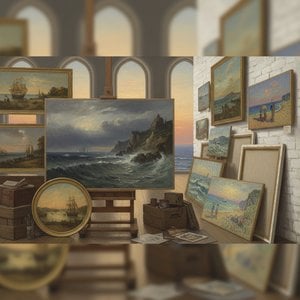
Evoking the Horizon: A Historical & Artistic Exploration of Coastal Scenes in Painting
Explore the rich history of coastal scenes in painting! Discover Impressionist masterpieces, American realism & contemporary visions. Learn about renowned artists and find your perfect seascape at ArtsDot.

Paul Klee Mesterművei: A 25 Legikonikusabb Festmény, Amelyek Életet Színeznek – ArtsDot
Fedezze fel Paul Klee 25 legikonikusabb festményét! Merüljön el az absztrakt művészet, expresszionizmus és kubizmus világában. Művészi történetek, színes kompozíciók és inspiráló dekorációs ötletek várják Önt a ArtsDot-on. Explore the full collection online!

Paul Signac: Pointillism, Politics & the Pursuit of Harmony in Modern Art
Explore the life & art of Paul Signac, a key figure in Neo-Impressionism. Discover his Pointillist technique, anarchist beliefs, and stunning coastal scenes. Learn about his influence on modern art history.