

 Megtekintés
 Küldés
 Megosztás
 Részletek
 Útmutató

 Letöltés
 Hasonló darabok
 X-ray felvétel
 Diavetítés
 Kérdések és válaszok
 Statisztika
Druid Landscape

- 59.0 x 41.0 cm


 Összes részlet megjelenítése
Giclée / Műnyomat
Múzeumi minőségű giclée vagy vászonnyomat, gyors gyártással és rugalmas finomítási lehetőségekkel. ( Kézzel festett másolat rendelése Áttérés digitális képre)




P118B Ft10

P118H Ft10

P118W Ft10

P438Z Ft10

P508JH Ft12

P508YH Ft12

P805H Ft10

P805Z Ft10

P919BZ Ft10

P919G Ft10

P919XJ Ft10

P959ZH Ft10

P968JZ Ft12

W106C Ft8

W218G Ft10

W218JH Ft8

W218Y Ft10

W307PJ Ft10

W316G Ft10

W316PJ Ft8

W316Y Ft10

W398PJ Ft8

W4111J Ft10

W500HY Ft15

W500JH Ft15

W692G Ft12

W849H Ft8

W940BG Ft15

W953PJ Ft8




Válasszon előre meghatározott méreteink közül, amelyek megfelelnek a műalkotás eredeti arányainak.

Írja be a keretének vagy a falának megfelelő szélességet és magasságot. A nyomatot csak le lehet vágni, soha nem tehető nagyobbá, mint az eredeti kép, így egy eltérő alakú méretnél a kép egy része elveszik. Mielőtt bármit kinyatintanánk, küldünk egy digitális próbamodellt jóváhagyásra. Az oldalon látható kép nem tartalmazza a valós levágást — ezt csak a próbamodell mutatja meg.
Világszerte történő kiszállítás területére mindössze 2 hét alatt, a szokásos 4-5 hét helyett. (5 november)

Ingyenes globális expressz szállítás

Prémium minőségű len vászon

Teljes körű szállítási biztosítás

Vámvisszatérítési Garancia

Hiteles színarányosság garancia

100 napos visszaküldési lehetőség (csak hibás termékek esetén)

100% pénzvisszatérítési garancia

Több darab vásárlásakor kedvezmény
 Az üvegkeretes opció csak 110 cm alatti méretben érhető el

Druid Landscape
Giclée / Műnyomat
Reprodukció mérete
-


Összesített ár
Ft 20605
A Vision of the British Soul
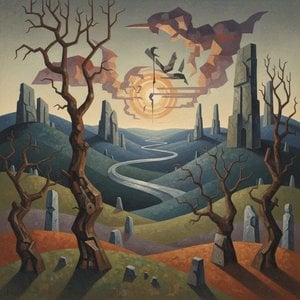
Paul Nash’s Druid Landscape, painted in 1938, isn't merely a depiction of a landscape; it’s an immersion into a carefully constructed dreamscape. Created during a period of profound social and political upheaval – just before the outbreak of World War II – the painting offers a poignant reflection on Britain’s past, its relationship with nature, and the anxieties of a rapidly changing world. Nash, deeply influenced by the Romantic movement and particularly by the visionary works of William Blake, sought to capture not simply what he saw, but what he *felt* about the land itself. The canvas pulsates with an almost unsettling stillness, drawing the viewer into a realm where ancient symbols and modern anxieties intertwine.
- Subject Matter: The painting presents a stylized landscape dominated by a monumental stone circle, reminiscent of Stonehenge, set within a brooding, atmospheric valley. A solitary figure, seemingly lost in contemplation, stands before the stones, adding an element of human presence to this primordial scene.
- Style & Technique: Nash employs a distinctive blend of Surrealism and abstraction. Geometric shapes – circles, triangles, and angular lines – are layered over a subtly textured surface, creating a sense of depth and disorientation. The color palette is deliberately muted, dominated by blues, greens, and browns, evoking a mood of melancholy and mystery.
Echoes of the Past: Myth and Ritual
The title itself – Druid Landscape – immediately connects the painting to the ancient Celtic tradition of Druidism. While Nash wasn’t a practicing Druid, he was fascinated by the mythology and symbolism associated with these enigmatic figures. The stone circle, a recurring motif in his work, represents a connection to the past, a gateway to the spiritual realm, and a locus of power. It's easy to imagine the Druids performing rituals within this very space, seeking guidance from the spirits of nature. The solitary figure before the stones can be interpreted as an individual searching for meaning or confronting their own mortality – a timeless theme explored throughout art history.
Historical Context:Painted in 1938, the work reflects the growing anxieties surrounding impending war and the loss of traditional values. Nash’s use of ancient symbols served as a way to grapple with these uncertainties, suggesting that Britain's strength lay not in its military might, but in its connection to its roots.
Decoding the Symbols: Geometry and Emotion
Beyond the obvious references to Stonehenge, Druid Landscape is rich in symbolic detail. The geometric shapes – particularly the circles – are not merely decorative; they represent cycles of time, the interconnectedness of all things, and the underlying order of the universe. The muted color palette contributes to the painting’s overall sense of unease and introspection. Notice how the blues evoke a feeling of melancholy and distance, while the browns ground the scene in the earth. The placement of the figure is crucial; positioned slightly off-center, he seems both lost and strangely at peace within this otherworldly landscape.
- Circles: Represent cycles, unity, and spiritual connection.
- Angular Lines: Suggest tension, disruption, and the anxieties of the modern world.
- Color Palette: Evokes a mood of melancholy, mystery, and introspection.
A Timeless Masterpiece
Druid Landscape is more than just a painting; it’s an experience. It invites the viewer to step into a world where myth and reality blur, where ancient symbols resonate with contemporary concerns. Paul Nash's ability to capture both the beauty and the unsettling aspects of the British landscape—and the human condition—makes this work a truly remarkable achievement. Today, reproductions of Druid Landscape continue to captivate audiences, offering a glimpse into the mind of one of Britain’s most visionary artists.
Kérdések és válaszok
Milyen érzést közvetít a „Druid Landscape”, Paul Nash alkotása?
A „Druid Landscape”, Paul Nash alkotása egy Mysterious érzést közvetít, egy összonosan Mystical hangulatban.
Ki készítette a(t) "Druid Landscape"-t, és mikor?
Paul Nash a "Druid Landscape" című művet 1938-ben készítette.
Milyen technikával készült és mikor született meg „Druid Landscape”, Paul Nash alkotása?
A „Druid Landscape”, Paul Nash alkotása technikája Acrylic On Canvas, a mű alkotási éve pedig 1938.
Hasonló műalkotások


A művész életrajza
Paul Nash: A Modern Landscape of Memory and Conflict
Paul Nash, született John Northcote Nashként 1889 májusában Londonban, egyike volt annak a generációnak a brit művészeknek, akik gyökeresen átalakították az angol tájképfestészetet és a modern művészet irányát. A jogász apától és a mentális betegséggel küzdő anyától származó Nash fiatalkora Iver Heath vidékeinek lenyűgöző látványa által formálódott, melyek később meghatározó elemei lettek életművének. Korai tanulmányai a Chelsea Polytechnicben és a Slade School of Fine Artban alapokat biztosítottak számára, bár a figurális rajzolásban nehézségei voltak – ez inkább a táj iránti mély érdeklődésére ösztönözte, melyet a későbbiekben mesteri módon ábrázolt. William Blake és J.M.W. Turner hatása érezhető korai munkáiban, de Nash hamarosan saját, egyedi stílust alakított ki, amelyben a hagyományos tájképfestészet találkozott a modern művészeti törekvésekkel. Nash művészetének lényege a táj szimbolikus értelmezése volt. Nem csupán a természet egyszerű leképezése foglalkoztatta, hanem annak mélyebb jelentésének feltárása, az ember és a természete közötti kapcsolat vizsgálata. A százhúszas években Giorgio de Chirico olasz festő kiállítása nagy hatással volt rá, ami a szürrealizmus felé mozdította el művészetét. Ez nem azt jelentette, hogy Nash szigorúan szürrealista lett volna – inkább a szimbolikus tájak és hétköznapi tárgyak kombinációjával játszott, teremtve olyan képeket, melyekben a valóság és az álom határvonala elmosódott. A "Wittenham Clumps" sorozat, melyben a híres buckákat ábrázolta, ikonikus példája ennek a stílusnak, egyfajta modern angol tájképi szimbólummá vált. A két világháború jelentős hatással volt Nash életművére és karrierjére. Hivatalos háborús művészként őszinte és megrázó ábrázolásokat készített a harctérről, melyek nem glorifikálták a háborút, hanem annak pusztító hatását mutatták be a tájon és az emberen. "The Menin Road" című festménye talán a legismertebb példája ennek – egy elhagyatott, sivár táj, melyben a háború nyomai mindenhonnan kitapognak. A második világháború idején készült "Aerial Creatures" sorozat különleges alkotások: itt repülőgépek antropomorfizált ábrázolásain keresztül fejezte ki a technológia és a természet közötti feszültséget, valamint a háború abszurditását. Nash nem csupán festő volt; íróként és tervezőként is jelentős szerepet játszott a brit művészeti életben. A Unit One nevű művészi csoport alapításában vett részt Ben Nicholsonnel és Barbara Hepworth-szal, ezzel hozzájárulva a modern brit művészet fejlődéséhez. Számos kiállítást rendezett, írt művészeti kritikákat, és tervezett színházi díszleteket, ruhákat és plakátokat is. Paul Nash halálával 1946-ban egy korszak záródott le a brit művészetben, de öröksége tovább él – mint a modern tájképfestészet egyik legfontosabb alakja, aki a természet szépségét és a háború borzalmait egyaránt maradandó módon ábrázolta.Kiemelkedő Művek és Elismerések
Nash munkássága számos elismerést hozott számára. A brit modern művészet megújításában játszott kulcsszerepe miatt a művészek új generációira gyakorolt hatása vitathatatlan. Háborús képei ikonikusak lettek, és ma is fontos dokumentumai a 20. századi konfliktusoknak. A Unit One csoport alapítása pedig mérföldkőnek tekinthető a brit művészeti életben, hiszen ez a formáció jelentősen hozzájárult a modern művészet népszerűsítéséhez és elterjedéséhez. Nash munkái számos múzeumban és gyűjteményben megtalálhatók, többek között a Tate Britainben, az Imperial War Museumban, valamint a York Art Gallery-ben is. A Government Art Collection is őriz néhány Nash festményt, melyeket állami épületekben kiállítanak. A művész munkásságát számos kiállításon mutatták be, és a mai napig nagy érdeklődés övezi életművét.Hatás és Örökség
Paul Nash hatása a következő generációk művészeire rendkívüli mértékű volt. A tájképfestészetben alkalmazott szimbolikus megközelítése, a merész színhasználata és az egyedi kompozíciói számos művészt inspiráltak. Munkássága kapcsolódik az angol romantika hagyományához, különösen William Blake és J.M.W. Turner hatása érezhető rajta. A táj és az ember viszonya, a természet ereje és sérülékenysége – ezek a témák továbbra is relevánsak Nash művészetében, és a mai nézők számára is gondolatokat ébresztenek. Nash öröksége abban rejlik, hogy képes volt megragadni egy kor szellemiségét, és maradandó képeket alkotni a modern világ kihívásairól és szépségeiről. Festményei nem csupán műalkotások, hanem történelmi dokumentumok is, melyek tükrözik az emberi tapasztalatokat a 20. században. A mai napig népszerű művész maradt, akinek munkássága folyamatosan új olvasatokat és értelmezéseket generál.
Paul Nash
1889 - 1946 , Egyesült Királyság
Rövid információk
- Elhalálozás Dátuma: 1946. július 11.
- Jelentős Művek: ['The Menin Road']
- Művészeti Irányzat: Modernizmus, Szürrealizmus
- Nemzetiség: Brit
- Olyan Művészek, Akik Hatottak Rá:
- William Blake
- J.M.W. Turner
- Olyan Művészek/Mozgások, Amiket Befolyásolt: ['Modern művészek']
- Születési Dátum: 1889. május 11.
- Születési Hely: Kensington, Egyesült Királyság
- Teljes Név: Paul Nash
Kapcsolódó cikkek

A Romantikus Tájképfestészet 10 Legikonikusabb Műalkotása – ArtsDot.com
Fedezze fel a romantikus tájképfestészet 10 legikonikusabb műalkotását! Caspar David Friedrich, J.M.W. Turner és más mesterek festményeinek története – inspiráló olajfestmények otthonába. ArtsDot.com: múzeumi minőségű reprodukciók és egyedi dekorációk online.
Paul Nash: Modernism, Myth & the British Landscape – A Visionary Artist
Explore the evocative landscapes & poignant war art of Paul Nash (1889-1946), a key figure in British Modernism. Discover his unique style and lasting impact on art history with ArtsDot.

John Constable 25 Mesterműve: A Természet Lényege Vászonon – ArtsDot.com
Fedezze fel John Constable 25 legszebb művészeti alkotását! Ismerje meg a romantika ikonikus tájképeit, Dedham Vale szépségét és a természet lenyűgöző ábrázolásait. Vászonkép reprodukcióinkkal eleganciát csempészhet otthonába – ArtsDot.com

Paul Cézanne 25 Mesterműve: A Modern Művészet Úttörői | ArtsDot
Fedezze fel Paul Cézanne 25 legikonikusabb művét! Ismerje meg a posztimpresszionizmus úttörőjének festményeit, technikáját és inspirációit. Vászonképek, portrék, tájképfestmények – minden otthonba. Böngéssze gyűjteményünket a ArtsDot-on!

Paul Klee Mesterművei: A 25 Legikonikusabb Festmény, Amelyek Életet Színeznek – ArtsDot
Fedezze fel Paul Klee 25 legikonikusabb festményét! Merüljön el az absztrakt művészet, expresszionizmus és kubizmus világában. Művészi történetek, színes kompozíciók és inspiráló dekorációs ötletek várják Önt a ArtsDot-on. Explore the full collection online!
