
- Főoldal

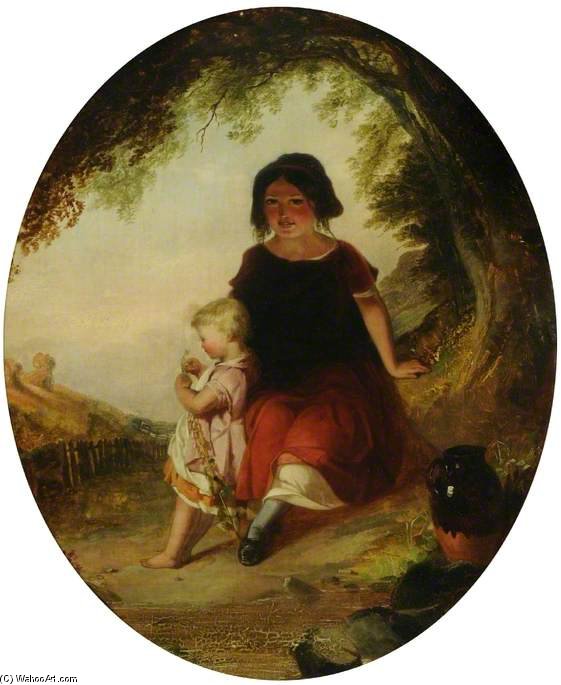
- Olajfestmény reprodukció
- Paul Falconer Poole
- Gypsy Children
 Nyomat vásárlása Kép letöltése
 Megosztás
 Megosztás
 Részletek
 Kedvencekhez ad

 Letöltés
 Hasonló alkotások
 X-ray felvétel
 Diavetítés
Gypsy Children

 Tovább olvasom
Kézzel készített olajfestmény reprodukció
Kézzel festett olajvastú vászon, az Ön által választott méretben és keretben, művészeink készítik meglévőre.




P118B $10

P118H $10

P118W $10

P438Z $10

P508JH $12

P508YH $12

P805H $10

P805Z $10

P919BZ $10

P919G $10

P919XJ $10

P959ZH $10

P968JZ $12

W106C $8

W218G $10

W218JH $8

W218Y $10

W307PJ $10

W316G $10

W316PJ $8

W316Y $10

W398PJ $8

W4111J $10

W500HY $15

W500JH $15

W692G $12

W849H $8

W940BG $15

W953PJ $8




Válasszon előre meghatározott méreteink közül, amelyek megfelelnek a műalkotás eredeti arányainak.

Ön megadhat saját méreteket egy adott kerethez vagy térhez igazításhoz. Ha a kiválasztott méret nem egyezik az eredeti kép arányával, akkor a műalkotást levágjuk, vagy további kézzel festett elemekkel meghosszabbítjuk a festményt. A gyártás megkezdése előtt küldünk Önnek egy digitális előnézetet jóváhagyásra.
Kérjük, vegye figyelembe, hogy a képernyőn megjelenő előnézet nem tükrözi a tényleges vágást vagy kiterjesztést. Csak az előnézet fog pontosan mutatni a végső kompozíciót.
Bár egyedi méretek állnak rendelkezésre, javasoljuk, hogy válasszon egy méretet az előre meghatározott listából az eredeti arányok megőrzése érdekében.
A rendelést követően a ArtsDot.com csapata e-mailt küld az ügyfélnek az instrukciókért, és biztosít egy előnézeti képet (mockup).
Világszerte elérhető szállítás () 3-4 hét alatt a szokásos 5 hét helyett. (2 július). A minőség nem kérdőjelezhető.

Ingyenes globális expressz szállítás

Prémium minőségű len vászon

Teljes szállítási biztosítás

Vámvisszatérítési Garancia

Tökéletes színpontosság garancia

60 napos visszaküldési lehetőség (csak gyártási hibák esetén)

100%-os pénzvisszatérítési garancia

Kedvezmény több termény esetén
 Az üvegkeretes opció csak 110 cm alatti méretben érhető el

Gypsy Children
Reprodukciós technika
A reprodukció mérete
-


Összesített ár
-
Hasonló műalkotások


A művész életrajza
A Life Immersed in Narrative and Hue
Paul Falconer Poole, a name perhaps less immediately recognized than some of his Victorian contemporaries, nevertheless occupies a significant place within the tapestry of 19th-century British art. Born in Bristol in 1806 – though some records indicate 1807 – Poole’s artistic journey was one largely forged through self-direction and an innate sensitivity to color and dramatic storytelling. Unlike many artists of his era, he lacked extensive formal training, a circumstance that arguably fostered the unique emotional depth and expressive quality that characterize his oeuvre. His beginnings were humble, rooted in the bustling port city of Bristol where his father worked as a coal merchant. This early life, while not steeped in artistic privilege, provided fertile ground for an observant mind to develop a keen eye for the human condition and the nuances of everyday existence – themes that would later become central to his artistic vision. Poole’s initial foray into the art world came with “The Well, A Scene in Naples,” exhibited at the Royal Academy in 1831 when he was just twenty-five years old. This early piece signaled a burgeoning talent for narrative composition and atmospheric rendering, hinting at the poetic sensibility that would become his hallmark.Early Influences and Artistic Beginnings
Poole’s artistic inclinations were nurtured by a family environment that valued intellectual curiosity and appreciation for beauty – qualities evident in his father's profession as a coal merchant, which instilled in him a practical understanding of observation and detail. While he eschewed the conventional academic routes to artistic success, Poole possessed an unwavering determination to hone his skills and develop his distinctive style. His formative years were marked by a fascination with literature and mythology, influences that would undoubtedly shape his artistic sensibilities. The Romantic movement, with its emphasis on emotion, imagination, and sublime landscapes, served as a powerful catalyst for his creative development – inspiring him to explore themes of heroism, spirituality, and the grandeur of nature.Genre Painting and Historical Dramas: A Dual Approach
Poole’s artistic output can be broadly categorized into two distinct yet interconnected styles: idyllic pastoral scenes and dramatic historical narratives. His idyllic works, such as “May Day” (1852), exemplify his ability to capture the beauty of everyday life, often depicting rural settings with a gentle, romantic touch. These paintings are imbued with a sense of tranquility and nostalgia, offering glimpses into a world seemingly untouched by the anxieties of industrialization – a deliberate contrast to the prevailing trends of his time. He skillfully employed color palettes that evoked feelings of warmth and serenity, utilizing subtle gradations of hue to create atmospheric depth and convey an emotional resonance that transcended mere visual representation. These landscapes weren’t simply decorative; they served as vehicles for exploring themes of innocence, contemplation, and connection with the natural world – reflecting Poole's humanist perspective.The Dramatic Narrative: Mastering Composition and Emotion
In contrast, Poole excelled in portraying moments of high drama and emotional intensity. Works like “The Messenger Announcing to Job the Irruption of the Sabeans” (1850), "Robert, Duke of Normandy and Arletta" (1848), and “The Prodigal Son” (1869) showcase his mastery of composition and his ability to convey profound psychological states through expressive figures and dynamic arrangements. He meticulously studied classical sculpture and theatrical staging techniques – influences that informed his understanding of visual storytelling and dramatic pacing. Poole’s use of chiaroscuro—the interplay of light and shadow—was particularly noteworthy, creating a palpable sense of atmosphere and highlighting key elements within the scene. This technique allowed him to heighten emotional impact and draw the viewer into the heart of the narrative, mirroring the conventions of Romantic drama.Recognition and Legacy: A Painter's Enduring Influence
Poole’s talent didn’t go unnoticed by the artistic establishment. His election as an Associate of the Royal Academy in 1846, followed by full Academician status in 1861, solidified his position within the British art world – a testament to his unwavering dedication and artistic merit. He enjoyed a close friendship with landscape artist Thomas Danby (c. 1818–1886), even sharing a residence with him in Hampstead, London – a remarkable collaboration that undoubtedly enriched their respective artistic visions. Throughout his later years, Poole continued to explore both pastoral and dramatic themes, producing works such as “The Mountain Path” (1853), “Solitude” (1876), and "The Lion in the Path" (1873). These paintings showcase an evolving mastery of technique and composition, demonstrating a lifelong commitment to his craft. Paul Falconer Poole passed away in 1879, leaving behind a body of work that embodies the spirit of Victorian art – characterized by its emotional depth, narrative complexity, and masterful use of color. His enduring legacy resides not only in his individual paintings but also in their contribution to the broader artistic landscape of his era—a painter who dared to forge his own path, prioritizing artistic integrity above all else. His canvases continue to captivate audiences today, offering a glimpse into a bygone age and reminding us of the transformative power of art.
Paul Falconer Poole
1806 - 1879 , Egyesült Királyság
Rövid tények
- Artistic Movement Or Style: Genre/História
- Artists Who Influenced This Artist:
- John Constable
- Thomas Danby
- Date Of Birth: 1806
- Date Of Death: 1879
- Full Name: Paul Falconer Poole
- Nationality: Britannia
- Notable Artworks:
- A Szőlőültetés
- Utolsó Üdvözlet
- Sólembágyi Megszólítás
- Place Of Birth: Bristol, UK
Kapcsolódó cikkek

Evoking Nature's Sublime: A Comprehensive Exploration of 19th-Century Landscape Painting
Explore the captivating world of 19th-century landscape painting! Discover renowned artists like Friedrich & Monet, key movements, and find the perfect artwork to bring nature's serenity into your home. Expert insights at ArtsDot.

Evoking Emotion & Transcendence: Romantic Landscape Painting (18th-19th Century)
Explore the emotional depth of Romantic landscape painting (18th-19th century). Discover key artists like Friedrich & Cole, and the concepts of the sublime. Expert insights for art lovers & collectors.

Sir Alfred James Munnings legszebb 25 festménye – A vidéki Anglia és a lovak mestere | ArtsDot
Fedezze fel Sir Alfred James Munnings 25 legszebb festményét! Ismerje meg a vidéki Anglia és a lovak mesterének életművét, technikáját és inspirációit. Vásároljon exkluzív reprodukciókat a ArtsDot.com-on – múzeumi minőségben!

The Evocative Embrace of Reality: Exploring Romantic Realism in 19th-Century Painting
Explore the captivating world of Romantic Realism! Discover key artists like Courbet & Millet, masterpieces, and the social context behind this influential art movement. Expert insights for collectors at ArtsDot.

John Frederick Lewis: Orientalism, Detail & Genre Painting in 19th-Century British Art
Explore the captivating Orientalist paintings of John Frederick Lewis! Discover his mastery of detail, genre scenes & influence on 19th-century British art. Learn about his life, techniques & legacy at ArtsDot.

