


A kép az Ön választásai alapján készült: , .
A gyűjtemény leírása
A stunning botanical illustration by Pancrace Bessa from 1835, depicting a vibrant poppy flower. This exquisite stipple engraving showcases Bessa's mastery of detail and color, capturing the beauty of nature.
 Összes részlet megjelenítése
A művész életrajza
Discover Pancrace Bessa (1772-1846), a French master of botanical art! Explore his exquisite flower & fruit illustrations, stipple engraving, and legacy in 19th-century natural history painting.
Kézzel készített olajfestmény reprodukció
Kézzel festett olajvastú vászon, az Ön által választott méretben és keretben, művészeink készítik meglévőre. ( Váltás nyomtatványra Áttérés digitális képre)
Több információ erről a festményről
 Megtekintés
 Küldés
 Megosztás
 Részletek
 Útmutató

 Letöltés
 Hasonló darabok
 X-ray felvétel
 Diavetítés
 Kérdések és válaszok
 Statisztika
Rendelje meg festményét négy egyszerű lépésben
Ne siessen! Bármely választ módosítható; az rendelési összesítőben megjelenő ár minden egyes döntésre reagál.
1 Az első lépés négyből
Melyik méretet szeretné?
Ezek a méretek megőrzik az eredeti festmény arányait. A rajz bemutatja a választott méretet egy falon, egy kétszáz centiméteres kanapé felett.
Vagy adja meg a saját méreteit
Válasszon előre meghatározott méreteink közül, amelyek megfelelnek a műalkotás eredeti arányainak.

Írja be a kívánt szélességet és magasságot, hogy illeszkedjen a keretéhez vagy a falához. Mivel ez kézzel festett alkotás, egy eltérő formájú méret esetén a művész akár festhet is valamivel többet a kép körül, vagy korolathat is belőle — az Ön döntésének megfelelően. A festés megkezdése előtt küldünk egy digitális tervezetet jóváhagyásra. Az oldalon látható kép nem tartalmazza a végeredményt — csak a tervezet mutatja meg a valódi eredményt.
2 A négy lépésből a második
Hogyan kívánja előkészíteni: feltekercselve, vászonra feszítve vagy keretezve?
Az alábbi árak az első lépésben választott méretre vonatkoznak.
Válaszd ki a feszített vászon széleit
Válassza ki a keretet

Fehér Ft1

Elmosódott szélek Ft1

Kiterjesztett Ft1

P118B Ft10

P118H Ft10

P118W Ft10

P438Z Ft10

P508JH Ft12

P508YH Ft12

P805H Ft10

P805Z Ft10

P919BZ Ft10

P919G Ft10

P919XJ Ft10

P959ZH Ft10

P968JZ Ft12

W106C Ft8

W218G Ft10

W218JH Ft8

W218Y Ft10

W307PJ Ft10

W316G Ft10

W316PJ Ft8

W316Y Ft10

W398PJ Ft8

W4111J Ft10

W500HY Ft15

W500JH Ft15

W692G Ft12

W849H Ft8

W940BG Ft15

W953PJ Ft8

H24-GOLD Ft30

H24-SILVER Ft30

H36-GOLD Ft45

H36-SILVER Ft45
Keretezett
Keretprofil: . A kerettel együtt vett teljes méret: .
3 A négy lépésből a harmadik
Szeretne változtatni valamit a festményen?
A legtöbb ember nemet mond erre. Mivel minden festmény kézzel készül, művészünk képes az Ön igényei szerint is átalakítani azt.
A megrendelést követően a ArtsDot.com csapat e-mailt küld a vásárlónak az instrukciókkal, és biztosítja a tervezeti előnézetet
4 A négy lépés közül a negyedik
Néhány felületfinisz
Mindegyik opcionális. A már kiválasztott válaszok nem jelentnek plusz költséget.
Ki festette?
Világszerte elérhető szállítás () 3-4 hét alatt a szokásos 5 hét helyett. (10 november). A minőség nem kérdőjelezhető.
Egy felirat, mint egy múzeumban?
A gravírozott bronztábla részletei
This elegant plaque features the artist's name and the title of the artwork, finely engraved for a timeless presentation.
It is made from bronze with a refined, elegant finish. The text is precisely laser-engraved for a sharp and permanent result. Measuring 9x2 cm, the plaque is compact yet easy to read. It's built to be durable and scratch-resistant, offering a professional, museum-quality look. Mounting is simple thanks to the included adhesive backing.
Átlátszó akril tábla részletei
The plaque includes essential engraved details such as the artist's name, the title of the artwork, the date it was created, the type of media used-like oil on canvas or watercolor-a brief description of the piece, and a QR code that links to the complete artwork information.
It is crafted from clear acrylic, offering a sleek, modern appearance. The text is UV-engraved in black to ensure strong visual contrast. With a size of 10x15 cm, it ensures optimal readability. It comes equipped with two metal hooks for secure wall mounting. The plaque is designed to be weather-resistant, making it suitable for various environments, and it includes interactive features that work seamlessly with smartphone scanning.
Fekete akril tábla részletei
This elegant plaque includes engraved information such as the artist's name, the title of the artwork, the date it was created, the type of media used (like oil on canvas or watercolor), a short description of the artwork, and a QR code for quick access to more information.
The plaque itself is made from refined black acrylic with a premium finish. The text is laser-engraved in white for high contrast and readability. Its size is 10x15 cm, designed to be easy to read. It comes with two metal hooks for professional mounting. The design is sleek and fits any interior style. It is also weather-resistant and durable, with built-in digital integration for mobile compatibility.
Egy védőréteg?
Mikor lenne szüksége rá?
✓ Ellenőrizés és rendelés
Az Ön által megrendelt festmény

Untitled
Reprodukciós technika
Reprodukció mérete
-

Kiváló mesterművész
Nagyobb részletesség, finomság és bővített gyártási idő
-

Reprodukció keretezése
-
-
A bármely oldalsó méretét túlszálaló 105 cm (kb. 41 hüvelyk) meghaladó műalkotások vagy reprodukciók esetében a keret összeszerelhető készletként, szétszerelve kerül szállításra. Ez a módszer biztosítja a biztonságos szállítást, és megakadályozza a szállítás során fellépő sérüléseket.
Szakmész összeszerelést igényel – ez nem DIY (önösszeszerelhető) termék.
A készletet egy tapasztalt keretező szakembernek kell összeszerelnie és a vásznat feszítenie kell, fa ragasztó (nem tartalmazza a csomag), vásznfeszítő fogó és szorítók használatával, amelyek a ragasztó száradásáig a keretrészeket egymáshoz vuôngjba tartják. A helytelen összeszerelés vagy a nem egyenletes vásznfeszítés maradandó károsíthatja a műalkotást, és ez nem része a garanciánknak.
 A bármely oldalsó méretét túlszálaló 105 cm (kb. 41 hüvelyk) meghaladó műalkotások vagy reprodukciók esetében a keret összeszerelhető készletként, szétszerelve kerül szállításra. Ez a módszer biztosítja a biztonságos szállítást, és megakadályozza a szállítás során fellépő sérüléseket.
A készlet tartalmazza az összes tömörfa rudat, pontosan méretre vágva.
A mellékelt csavarokkal, valamint a sarokszerekhez szükséges faütő ragasztóval kell összeszerelnie (ez nem tartalmazható a csomagban), így a keretrendezőnek külön kell beszereznie.
A csomag nem tartalmazza a szükséges professzionális eszközöket: egy vászonfeszítőt és klipseket a rácsok vízszintes tartásához a ragasztó megszáradásáig.
Fontos:
A sarokcsatlakozásokhoz fánylagra van szükség, a keretrudakat szorítókapcsokkal kell rögzíteni, amíg a rag teljesen meg nem szárad, a kész keretre feszített vászonhoz pedig vászonfeszítő fogat szükséges. Ezek egyike sem található meg a készletben. Kérjük, rendelés előtt győződjön meg róla, hogy rendelkezik tapasztalt keretező szakemberrel.

Névtábla
-
-

Védőréteg (Lakk)
Fényes lakk (intenzívabb színek, védelem a fény és a nedvesség hatása ellen)
-

Műalkotásom egyedi igényre szabása
Példák a módosíthatóságra: az arc kicserélése az ügyfél fotójára; háziállat hozzáadása (pl. macska helyett kutya); rejtett üzenet elhelyezése a háttérben; a háttér tájainak vagy elemeinek megváltoztatása.
-

Sürgős
Világszerte szóló szállítás () mindössze 3-4 hét alatt, a szokásos 5 hét helyett. (10 november). A minőség nem kérdőjelezhető.
-
Express szállítás
Világszerte elérhető szállítás területre 5 héten belül. (17 november).
A szállítás díja tartalmazza
Összesített ár
Ft 85957
Az üvegkeretes opció csak 110 cm alatti méretben érhető el
Minden rendelés mellé tartalmazva
- Ingyenes globális expressz szállítás
- Prémium minőségű len vászon
- Teljes körű szállítási biztosítás
- Vámvisszatérítési Garancia
- Hiteles színarányosság garancia
- 100 napos visszaküldési lehetőség (csak hibás termékek esetén)
- 100% pénzvisszatérítési garancia
- Több darab vásárlásakor kedvezmény


Pancrace Bessa’s “Untitled”: A Window into 1835 Paris
Pancrace Bessa's "Untitled," painted in 1835, isn’t merely a depiction of a poppy; it’s a carefully constructed tableau brimming with quiet observation and the burgeoning spirit of Romanticism. Born in Paris amidst the artistic ferment of the early 19th century, Bessa was a master of botanical illustration, trained initially by the exacting Gerard van Spaendonck – a lineage that instilled within him an unparalleled dedication to detail and a profound understanding of color and texture. This piece, though lacking a formal title, speaks volumes about his skill and artistic sensibility. The composition is deceptively simple: a vibrant red poppy dominates the foreground, its petals rendered with astonishing realism, each vein and delicate curve meticulously captured. Yet, it’s not simply a botanical study; the inclusion of two smaller, less defined flowers in the background, alongside three figures – their identities deliberately obscured – introduces an element of narrative ambiguity, inviting the viewer to contemplate the scene's deeper meaning.
- Technique: Bessa’s mastery lies primarily in his use of stipple engraving, a technique perfected during this era. This method, demanding immense patience and control, allowed him to build up layers of tone and color through tiny dots, creating an incredibly rich and textured surface. The effect is remarkably tactile; one can almost feel the velvety softness of the petals and the delicate weight of the leaves.
- Color Palette: The painting’s palette is dominated by a striking contrast between the fiery red of the poppy and the verdant greens of its foliage. These colors aren't merely descriptive; they evoke a sense of vitality, passion, and perhaps even a hint of melancholy – a common theme in Romantic art.
- Historical Context: Bessa’s work reflects the broader artistic trends of his time. The Romantic movement, which emphasized emotion, individualism, and the beauty of nature, was gaining momentum in Europe. Botanical illustration, often considered a ‘minor’ genre, provided a crucial avenue for artists to engage with the natural world and explore its inherent symbolism.
The Language of Flowers: Symbolism Within the Scene
Beyond its technical brilliance, “Untitled” is rich in symbolic meaning. The poppy itself carries a complex history of associations – representing sleep, death, remembrance, and even beauty. Its prominence in the composition immediately draws our attention, suggesting a central theme or message. The presence of the three figures adds another layer of interpretation. They are not portraits; their anonymity encourages speculation about their roles within the scene. Are they observers? Participants? Perhaps they represent the fleeting nature of human experience against the backdrop of enduring natural beauty? The subtle positioning of these figures – one on the left, two towards the bottom – creates a sense of depth and invites us to consider our own relationship with the subject matter.
Note: It’s important to remember that symbolism is often culturally specific. While poppies generally represent remembrance, other interpretations may apply depending on the viewer's background and perspective.Bessa’s Legacy and the Reproduction Process
Pancrace Bessa enjoyed considerable success during his lifetime, exhibiting regularly at the prestigious Paris Salon. His meticulous botanical illustrations were highly sought after by royalty and collectors alike. Today, his work is recognized for its exceptional detail, technical skill, and evocative atmosphere. When commissioning a reproduction of “Untitled,” it’s crucial to understand that these are not simply copies; they are painstakingly crafted works of art in their own right, mirroring Bessa's original techniques. The process involves skilled artists meticulously recreating the stipple engraving effect, carefully matching the color palette and ensuring an accurate representation of the painting’s texture and depth.
- Material Quality: High-quality reproductions utilize archival inks on fine art paper to ensure longevity and preserve the artwork's vibrancy.
- Detail Replication: The reproduction process prioritizes faithful replication of Bessa’s stipple engraving technique, capturing the subtle nuances of tone and texture that define his style.
- Artistic Interpretation: While striving for accuracy, skilled artisans also bring their own artistic sensibility to the reproduction, ensuring a visually compelling and emotionally resonant result.
Bringing “Untitled” into Your Space
“Untitled” transcends its botanical subject matter to become a poignant meditation on beauty, mortality, and the human condition. Its rich colors, intricate details, and subtle symbolism make it an ideal addition to any interior space – whether a formal study, a sun-drenched conservatory, or a tranquil bedroom. The painting’s quiet elegance and evocative atmosphere create a sense of serenity and contemplation, inviting viewers to pause and appreciate the simple wonders of the natural world. A carefully reproduced version offers a tangible connection to this remarkable artist and his timeless vision, allowing you to bring a piece of 19th-century Parisian artistry into your home.
Kérdések és válaszok
Mely paletta és domináns szín határozza meg a "Untitled" alkotást?
A „Untitled”, Pancrace Bessa alkotása színek identitása: egy Neutrals paletta, amelyet White (#eeeee9) dominál.
Milyen méretű „Untitled”, Pancrace Bessa alkotása nyomatás illik a javasolt szobához?
A Living Room helyiségbe a "Untitled" alkotáshoz egy Medium méretű nyomtatást javasoljuk.
Mikor készült a(z) „Untitled”, Pancrace Bessa alkotása?
A "Untitled" 1835-ban készült. Ez az időpont meghatározó jelentőséggel bír Pancrace Bessa pályájában és az adott korszak kontextusában is.
Hasonló műalkotások


Pancrace Bessa
1772 - 1846, France
A művész életrajza
Pancrace Bessa: A Life in Botanical Art
Early Life and Education
Pancrace Bessa (January 1, 1772 – June 11, 1846) was a French natural history artist celebrated for his exquisite botanical illustrations. Born in Paris, France, Bessa embarked on his artistic journey as a student of the esteemed engraver Gerard van Spaendonck. This foundational training instilled in him a meticulous attention to detail and a refined technique that would characterize his later work.
Artistic Development and Influences
Bessa’s artistic development was significantly shaped by his association with Pierre-Joseph Redouté, another prominent botanical artist of the era. The influence of Redouté is evident in Bessa's delicate treatment of subjects and his ability to capture the subtle nuances of plant life. He honed a masterful use of stipple engraving, an essential technique for color printing at the time.
Career and Salon Exhibitions
Bessa established himself as a regular exhibitor at the prestigious Paris Salons between 1806 and 1831. This consistent presence showcased his talent to a wide audience and solidified his reputation within the artistic community. His work quickly gained recognition for its accuracy, beauty, and scientific value.
Patronage and Royal Commissions
A pivotal moment in Bessa’s career came in 1816 when he received patronage from the Duchesse de Berry, daughter-in-law of King Charles X of France. This support not only provided financial stability but also led to opportunities to provide painting lessons to the de Berry family – a connection echoing the artistic traditions of the Très riches heures du duc de Berry. Furthermore, Bessa dedicated much of his later career to working on the Velins du Roi (Royal Vellum Collection) from 1823 until his death.
Major Works and Collaborations
- Histoire des arbres forestiers de l'amerique septentrionale: A collaborative project with Redouté, showcasing North American trees.
- L’herbier général de l'amateur: Bessa prepared approximately 572 watercolours for this extensive herbarium compiled by Mordant de Launey and Loiseleur-Longchamp.
- Description des plantes cultivées à Malmaison et à Navarre: This work featured nine illustrations by Bessa alongside fifty-four by Redouté.
- Flore des jardiniers: Published in 1836, this was Bessa’s final major publication.
Artistic Style and Technique
Bessa's style is characterized by its precision, delicate rendering of detail, and vibrant color palettes. He primarily focused on fruit and flowers, occasionally depicting birds and mammals. His mastery of stipple engraving allowed him to create richly textured and visually appealing botanical illustrations.
Historical Significance
In the early nineteenth century, Bessa, alongside artists like Redouté, Jean-Louis Prévost, Lancelot-Théodore Turpin de Crissé, and Madame Vincent, played a crucial role in elevating France to a position of pre-eminence in botanical painting. His work not only contributed to the aesthetic beauty of the era but also advanced scientific understanding through accurate depictions of plant life. Bessa’s legacy continues to inspire artists and botanists today.
Kapcsolódó cikkek

Victorian Botanical Painting: Science, Art & Aesthetic Sensibility
Explore the exquisite world of Victorian botanical art! Discover the science & artistry behind stunning floral illustrations by Gould, Muckley & more. Learn about collecting, value & investment at ArtsDot.

The Flourishing Canvas: A Historical Journey Through Botanical Illustration
Explore the captivating history of botanical illustration! Discover renowned artists like Robert Havell & Mary Walcott, learn about techniques, and find museum-quality art at ArtsDot.com.
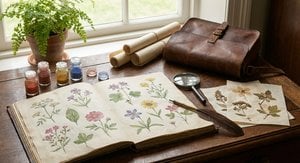
The Flourishing Canvas: A Historical Journey Through Botanical Illustration
Explore the captivating history of botanical illustration! Discover renowned artists like Robert Havell & Mary Walcott, learn about techniques, and find museum-quality art at ArtsDot.com.