

 Megtekintés
 Küldés
 Megosztás
 Részletek
 Útmutató

 Letöltés
 Hasonló darabok
 X-ray felvétel
 Diavetítés
 Kérdések és válaszok
 Statisztika
Grand nu couche

 Összes részlet megjelenítése
Az ezen az oldalon megjelenített műalkotások szerzői jogi védelem alatt állnak, ami azt jelenti, hogy törvényileg nem készíthetünk és nem adhatunk el belőlük pontos másolatokat. Ez a védelem olyan nemzetközi megállapodások alapján érvényesül, mint például a Berni Egyezmény és a nemzeti jogszabályok által, beleértve azokat is, amelyeket meghatározott Az USA szerzői jogi törvénye – 17. cím.
Ez a módszer teljes mértékben megfelel a szerzői jogi szabályozásnak, mivel nem tartalmazza a védett műalkotás másolását vagy duplikálását. Ehelyett ez egy kreatív újinterpretáció – egy új festmény, amely az eredetivel való összefüggései miatt hatással van rá, de nem az az.
Giclée / Műnyomat
Múzeumi minőségű giclée vagy vászonnyomat, gyors gyártással és rugalmas finomítási lehetőségekkel. ( Kézzel festett másolat rendelése Áttérés digitális képre)




P118B Ft10

P118H Ft10

P118W Ft10

P438Z Ft10

P508JH Ft12

P508YH Ft12

P805H Ft10

P805Z Ft10

P919BZ Ft10

P919G Ft10

P919XJ Ft10

P959ZH Ft10

P968JZ Ft12

W106C Ft8

W218G Ft10

W218JH Ft8

W218Y Ft10

W307PJ Ft10

W316G Ft10

W316PJ Ft8

W316Y Ft10

W398PJ Ft8

W4111J Ft10

W500HY Ft15

W500JH Ft15

W692G Ft12

W849H Ft8

W940BG Ft15

W953PJ Ft8




Válasszon előre meghatározott méreteink közül, amelyek megfelelnek a műalkotás eredeti arányainak.

Írja be a keretének vagy a falának megfelelő szélességet és magasságot. A nyomatot csak le lehet vágni, soha nem tehető nagyobbá, mint az eredeti kép, így egy eltérő alakú méretnél a kép egy része elveszik. Mielőtt bármit kinyatintanánk, küldünk egy digitális próbamodellt jóváhagyásra. Az oldalon látható kép nem tartalmazza a valós levágást — ezt csak a próbamodell mutatja meg.
Világszerte történő kiszállítás területére mindössze 2 hét alatt, a szokásos 4-5 hét helyett. (9 november)

Ingyenes globális expressz szállítás

Prémium minőségű len vászon

Teljes körű szállítási biztosítás

Vámvisszatérítési Garancia

Hiteles színarányosság garancia

100 napos visszaküldési lehetőség (csak hibás termékek esetén)

100% pénzvisszatérítési garancia

Több darab vásárlásakor kedvezmény
 Az üvegkeretes opció csak 110 cm alatti méretben érhető el

Grand nu couche
Giclée / Műnyomat
Reprodukció mérete
-


Összesített ár
Ft 20531
A Fragmented Embrace: Pablo Picasso’s *Grand Nu Couché*
Pablo Picasso's *Grand Nu Couché*, painted in 1942 during the darkest days of World War II, isn’t merely a depiction of a reclining nude; it’s a visceral exploration of isolation, vulnerability, and the fractured nature of human perception. Created amidst the anxieties of Nazi occupation in Paris, the painting transcends its subject matter to become a potent symbol of the era's psychological landscape. Picasso, already a master of deconstruction, pushes his Cubist vocabulary to new extremes here, dismantling the female form into a series of sharp angles and overlapping planes—a deliberate rejection of traditional beauty standards and a profound commentary on the disintegration of order in a world consumed by conflict.
The painting’s palette is strikingly restrained – primarily shades of gray, black, and white. This monochromatic scheme amplifies the sense of confinement and despair, mirroring the oppressive atmosphere of wartime Paris. The background, an indistinct wash of muted tones, further contributes to this feeling of claustrophobia, while the carefully rendered musculature of the figure hints at a suppressed strength, a resilience struggling against the encroaching darkness. Notice how Picasso utilizes subtle variations in texture – rough impasto applied with visible brushstrokes – to create a tactile surface that invites close inspection and underscores the painting’s raw emotional intensity.
The Echoes of Goya and the Birth of Cubism
Picasso's *Grand Nu Couché* is deeply rooted in artistic tradition, yet simultaneously heralds a revolutionary new approach to representation. The influence of Francisco de Goya’s *The Nude Maja*, painted decades earlier, is undeniable—both works share a similar subject matter: a reclining nude woman presented with an unsettling directness. However, Picasso departs significantly from Goya's romanticized portrayal, stripping away the idealized beauty and imbuing his figure with a palpable sense of anxiety and vulnerability. This deliberate departure marks a crucial step in the development of Cubism, where multiple perspectives are simultaneously presented to challenge the viewer’s conventional understanding of space and form.
The painting's geometric fragmentation—the angular planes that compose the female body—is not simply an aesthetic choice; it represents a psychological state. Picasso was grappling with his own personal demons during this period, including the loss of his beloved mistress, Dora Maar, and the constant threat of war. The fractured form mirrors the shattered psyche of a world in turmoil, reflecting the breakdown of established values and the disintegration of identity.
Symbolism and Emotional Resonance
Beyond its formal innovations, *Grand Nu Couché* is rich with symbolic meaning. The figure’s closed eyes suggest a state of profound introspection or perhaps unconsciousness—a retreat from the horrors unfolding outside. The positioning of her limbs, particularly the extended arm, conveys a sense of both vulnerability and defiance. Some art historians interpret the painting as an allegory for the suffering of women during wartime, while others see it as a broader meditation on the human condition in the face of existential dread.
The deliberate ambiguity surrounding the figure’s gender further enhances the painting's emotional impact. Picasso intentionally obscures the subject’s identity, inviting viewers to project their own anxieties and interpretations onto the image. This open-endedness contributes to the work’s enduring power—it remains a potent symbol of resilience, vulnerability, and the complexities of human experience.
A Timeless Masterpiece for Collectors and Designers
*Grand Nu Couché* is more than just a painting; it's a historical document, a psychological portrait, and a testament to Picasso’s unparalleled artistic vision. ArtsDot offers meticulously crafted hand-painted reproductions of this iconic masterpiece, allowing you to bring its raw emotion and intellectual depth into your home or office. Whether you are an art collector seeking an authentic addition to your collection or an interior designer searching for a statement piece that embodies both beauty and complexity, a reproduction of *Grand Nu Couché* is sure to captivate and inspire.
Explore our selection of high-quality reproductions today and experience the enduring legacy of Pablo Picasso’s groundbreaking work. Learn more about *Grand Nu Couché* here.
Kérdések és válaszok
Mit ábrázol a „Grand nu couche”, Picasso alkotása, és milyen hangulatot áraszt?
A „Grand nu couche”, Picasso alkotása a cubist nude, fragmented form, geometric art, abstract figure, multiple perspectives, blue and gray palette, picasso style elemeit ötvözi egy Dramatic hangulatú környezettel.
Hogyan illeszkedik a "Grand nu couche" Picasso témáiba és stílusába?
A "Grand nu couche" Picasso Cubism korszakának alkotása, melynek témakörében braque's cubism, early modernism, geometric abstraction, alienation & fragmentation, deconstructed identity, perception & reality", shift in form & space is feltűlik.
Hol vásárolhatok egy nyomtatványt a(z) „Grand nu couche”, Picasso alkotása alkotásból?
A "Grand nu couche" minőségi giclée nyomat pamutvászonon vagy archiváló vászonpapíron formátumban is elérhető. A rendelést a Művészeti nyomtatvány oldalon lehet megtenni, a kívánt méretben.


A művész életrajza
Pablo Picasso élete és öröksége
Pablo Ruiz y Picasso, a művészeti forradalom szinonimája, 1881. október 25-én született Málagában, Spanyolországban. Már a születése is kreatív kifejezésre utalt; legenda szerint első kimondott szavai a “piz, piz” voltak, ami a ‘ceruza’ kísérlete volt. Ezt az eleintei hajlamot apja, José Ruiz y Blasco festő és művészpedagógus nevelte, aki alapvető képzést biztosított a fiatal Pablonak. Azonban a tanítvány hamar túl is nőtte a mestert, figyelemre méltó természetes ábrázolási képességet mutatva, ami a benne rejlő zsenialitásra utalt. A család későbbi költözései – először La Coruñába, majd Barcelonába – személyes tragédiákkal voltak tarkítva, nevezetesen nővére elvesztésével, melyek finoman szomorúság és halandóság témáit ültették Picasso későbbi munkáiba. Még a barcelonai Képzőművészeti Iskolában és a madridi Szent Ferdinánd Királyi Szépművészeti Akadémián töltött formális tanulmányok során is Picasso elutasította a szigorú akadémiai korlátokat, inkább Velázquez és Goya műveibe merült, saját útját törve a művészi innováció felé.
A kék korszaktól a rózsaszín árnyalatokig
A 20. század elején jelentek meg Picasso életművében két markáns időszak: a Kék korszak (kb. 1901-1904) és a Rózsaszín korszak (1904-1906). A Kék korszak személyes nehézségekből és a társadalmi szenvedés éles tudatából született, mélyen kék és kékeszöld árnyalatokban úszó festményekkel jellemezve. Ezek a művek társadalomból kiszorult alakokkal népesítettek be – koldusok, vakok, prostituáltak –, akik hátborzongató együttérzéssel ábrázolták az izoláció és kétségbeesés témáit. Az Élet (1903) és A régi gitáros (1903-1904) megrázó példái ennek a feltöltött szakaszának. Picasso személyes életének változása, Párizsba költözése hirdette meg a Rózsaszín korszak eljövetelét. A paletta jelentősen felmelegedett, rózsaszínekkel, narancssárgával és vörössel gazdagodott, tükrözve egy optimistánabb kilátást. Ebben az időszakban a cirkuszművészek – bohócok, akrobaták és családi társulatok – iránti érdeklődés bontakozott ki, olyan alakok, amelyek törékenységet és ellenállóképességet egyaránt megtestesítették. A Saltimbanques családja (1905) gyönyörűen foglalja össze ezt az átmenetet, utalva a következő stiláris felfedezésekre.
A perspektíva feltörése: A kubizmus és azon túl
Az 1907-es év mérföldkőnek számított a művészettörténetben Les Demoiselles d'Avignon létrehozásával. Ibériai szobrászat és afrikai maszkok hatására ez a forradalmi festmény megzavarta a hagyományos perspektíva és ábrázolás fogalmait. Ez egy radikális eltérés volt, a több száz éves konvenciók tudatos elutasítása, amely utat nyitott a kubizmus számára. Georges Braque-val szoros együttműködésben Picasso megalapította ezt a forradalmi mozgalmat, alapvetően megváltoztatva azt, ahogy az művészek érzékelték és ábrázolták a valóságot. Az Analitikus kubizmus (1909-1912) tárgyak geometrikus formákra bontását jelentette, tompított színekben ábrázolva, mintha magát a formát boncolná fel. Ez fejlődött tovább Szintetikus kubizmussá (1912-1919), amely kollázselemeket – újságpapírt, anyagdarabokat – épített be, textúrát és új vizuális rétegeket adva a képekhez. Picasso nem akarta egyszerűen ábrázolni a világot; meg akarta bontani és saját feltételei szerint újraépíteni.
Egy nyugtalan kísérletező: Neoklasszicizmus, szürrealizmus és háború
Az 1920-as években Picasso röviden neoklasszikus stílusokat is felfedezett, monumentális alakokat alkotva, amelyek klasszikus formákat visszhangzottak, miközben megőrizték egy markáns modern érzékenységet. Ugyanakkor bekapcsolódott a virágzó szürrealista mozgalomba, bár sosem azonosult teljesen elveivel. Ebben az időszakban munkái korábbi stiláris hatásokat ötvözték szürreális képekkel és torz perspektívával, demonstrálva fáradhatatlan kísérletező kedvét. A spanyol polgárháború borzalmai mélyen érintették Picassót, csúcspontja a Guernica (1937) létrehozása volt, egy nyers és érzelmileg pusztító válasz Guernica bombázására. Ez a monumentális mű a háború borzalmainak tartós szimbólumává vált, megerősítve Picasso szerepét nemcsak művészként, hanem a béke és a társadalmi igazságosság erőteljes hangjaként is. Az 1950-es és 60-as években továbbra is feszegette a határokat, kerámiát, szobrászatot és grafikát kutatva rendíthetetlen kíváncsisággal és ügyességgel. Jacqueline Roque-val való házassága 1961-ben új dimenziót hozott személyes életébe és művészi kifejezésébe.
Kimérhetetlen hatás
Pablo Picasso 1973. április 8-án halt meg Mougins-ban, Franciaországban, hátrahagyva egy lenyűgöző életművet – becslések szerint több mint 50 000 darabot –, amely továbbra is elbűvöli és inspirálja az embereket. Művészi fejlődését a spanyol mesterek, például Velázquez és Goya sokszínűsége, valamint az ibériai szobrászat, az afrikai művészet és Henri Matisse élénk színpalettája formálta. Hatása a 20. századi művészetre felmérhetetlen. Megalapította a kubizmust, úttörő szerepet játszott a kollázsban és a konstruált szobrászatban, következetesen kihívta ki a művészi konvenciókat. Picasso fáradhatatlan kísérletezése átformálta a modern művészetet, maradandó nyomot hagyva a művészek generációin és megerősítve pozícióját a történelem egyik legfontosabb és legbefolyásosabb alakjaként. Öröksége messze túlmutat a vásznon, számtalan aspektusában rezonál a kortárs kultúrában, emlékeztetve minket a művészi látókép átalakító erejére.

Picasso
1881 - 1973 , Spanyolország
Rövid információk
- Artistic Movement Or Style: Kubizmus, Szurrealizmus
- Artists Or Movements Influenced By This Artist:
- Kubizmus
- Modern művészet
- Artists Who Influenced This Artist:
- Velázquez
- Goya
- Matisse
- Date Of Birth: 1881
- Date Of Death: 1973
- Full Name: Pablo Diego José Ruiz Picasso
- Nationality: Spanyol
- Notable Artworks:
- Les Demoiselles d'Avignon
- Guernica
- A régi gitáros
- La Vie
- A Saltimbanques családja
- Place Of Birth: Málaga, Spanyolország
Kapcsolódó cikkek

A kubizmus 10 legikonikusabb remekműve: művészeti forradalom otthonában
Fedezze fel a kubizmus 10 legmeghatározóbb remekművét! Picasso, Braque és más mesterek alkotásai új perspektívákat nyitnak. Múzeumi minőségű reprodukciók és inspiráló dekorációs ötletek várják Önt a ArtsDot.com-on. Explore the full collection online!

A kubista portré 10 remekműve: A művészet forradalma a falakon – ArtsDot
Fedezze fel a kubizmus 10 legikonikusabb portréját! Picasso, Braque és más mesterek forradalmi művei – történetükkel, technikájukkal. Múzeumi minőségű reprodukciók otthonába a ArtsDot-on. Explore the full collection online!

Geometrikus Absztrakció Mesterei: 10 Alapvető Műalkotás a Lakberendezéshez
Fedezze fel a geometrikus absztrakció 10 legikonikusabb műalkotását! Kandinsky, Mondrian és más mesterek festményeinek története inspirálja otthona dekorációját. Múzeumi minőségű reprodukciók a ArtsDot.com-on – fedezze fel online!
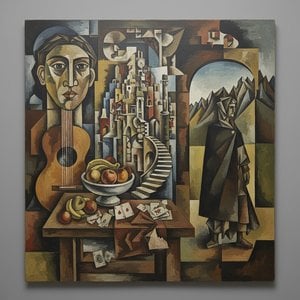
A kubizmus 10 mesterműve: A művészet új dimenziója – Vásároljon prémium reprodukciókat a ArtsDot-on!
Fedezze fel a kubizmus 10 legikonikusabb műalkotását! Picasso, Braque és más mesterek expresszív világa – történetek, technikák és időtálló szépség. Prémium minőségű reprodukciók a ArtsDot-on. Böngéssze online kínálatunkat!

A kék árnyalatai: 10 ikonikus festmény a Slate Blue szín jegyében | ArtsDot.com
Fedezze fel a 10 legikonikusabb festményt, melyeket a Slate Blue szín ural! Monet, Renoir és más mesterek művei inspirálnak. Vászonképek eladás, otthon dekoráció tippek a ArtsDot.com-on. Explore the full collection online!


