

 Megtekintés
 Küldés
 Megosztás
 Részletek
 Útmutató

 Letöltés
 Hasonló darabok
 X-ray felvétel
 Diavetítés
 Kérdések és válaszok
 Statisztika
Pandora

- 144.0 x 63.0 cm


 Összes részlet megjelenítése
Giclée / Műnyomat
Múzeumi minőségű giclée vagy vászonnyomat, gyors gyártással és rugalmas finomítási lehetőségekkel. ( Kézzel festett másolat rendelése Áttérés digitális képre)




P118B Ft10

P118H Ft10

P118W Ft10

P438Z Ft10

P508JH Ft12

P508YH Ft12

P805H Ft10

P805Z Ft10

P919BZ Ft10

P919G Ft10

P919XJ Ft10

P959ZH Ft10

P968JZ Ft12

W106C Ft8

W218G Ft10

W218JH Ft8

W218Y Ft10

W307PJ Ft10

W316G Ft10

W316PJ Ft8

W316Y Ft10

W398PJ Ft8

W4111J Ft10

W500HY Ft15

W500JH Ft15

W692G Ft12

W849H Ft8

W940BG Ft15

W953PJ Ft8




Válasszon előre meghatározott méreteink közül, amelyek megfelelnek a műalkotás eredeti arányainak.

Írja be a keretének vagy a falának megfelelő szélességet és magasságot. A nyomatot csak le lehet vágni, soha nem tehető nagyobbá, mint az eredeti kép, így egy eltérő alakú méretnél a kép egy része elveszik. Mielőtt bármit kinyatintanánk, küldünk egy digitális próbamodellt jóváhagyásra. Az oldalon látható kép nem tartalmazza a valós levágást — ezt csak a próbamodell mutatja meg.
Világszerte történő kiszállítás területére mindössze 2 hét alatt, a szokásos 4-5 hét helyett. (12 november)

Ingyenes globális expressz szállítás

Prémium minőségű len vászon

Teljes körű szállítási biztosítás

Vámvisszatérítési Garancia

Hiteles színarányosság garancia

100 napos visszaküldési lehetőség (csak hibás termékek esetén)

100% pénzvisszatérítési garancia

Több darab vásárlásakor kedvezmény
 Az üvegkeretes opció csak 110 cm alatti méretben érhető el

Pandora
Giclée / Műnyomat
Reprodukció mérete
-


Összesített ár
Ft 20495
Odilon Redon’s “Pandora”: A Descent into the Subconscious
“Pandora,” painted in 1912 by the enigmatic French artist Odilon Redon, is more than just a portrait; it's a meticulously crafted descent into the realms of dream and subconscious. Born Bertrand-Jean Redon in Bordeaux in 1840, Redon dedicated his life to translating the unseen – the anxieties, desires, and symbolic landscapes residing within the human psyche – onto canvas. His work, particularly during this period, reveals a profound shift away from the prevailing academic realism of the time, embracing instead a deeply personal and often unsettling vision. This painting exemplifies his mastery of creating an atmosphere of quiet contemplation, inviting the viewer to confront their own inner world.
- Stylistic Influences: Redon’s artistic trajectory was shaped by key figures like Jean-Léon Gérôme and Rodolphe Bresdin, whose instruction in etching and lithography proved crucial. These techniques allowed him to build up layers of intricate detail, creating a sense of depth and shadow that anticipates the Symbolist movement.
- Vertical Composition: The painting’s predominantly vertical format emphasizes height and aspiration, mirroring the woman's bowed head and the towering mountains in the background – elements frequently employed by Redon to evoke feelings of both grandeur and vulnerability.
A Portrait of Mystery and Symbolism
The central figure, a pale-skinned young woman with striking copper-orange hair, immediately draws the eye. Her posture—facing our right in profile with her head bowed as she examines the silver and brown box—suggests introspection and perhaps even a sense of foreboding. The turquoise-blue robe, falling over a white skirt, adds to the ethereal quality of the scene, while the gold headband subtly elevates her status, hinting at an almost otherworldly presence. Redon’s use of pastel colors – ice blue, pale lilac purple, rose-pink – creates a dreamlike atmosphere, further blurring the lines between reality and imagination.
- The Box: The silver and brown box held by the woman is undoubtedly the focal point, representing Pandora's infamous box from Greek mythology. This immediately introduces themes of curiosity, temptation, and the unleashing of unforeseen consequences – potent symbols that resonate throughout Redon’s oeuvre.
- Landscape as Psyche: The mountainous landscape beyond, rendered in muted tones, isn’t merely a backdrop; it functions as an extension of the woman's inner state. The jagged peaks and distant horizon evoke feelings of isolation and perhaps even despair, reflecting the potential dangers associated with knowledge and revelation.
Technique and Emotional Impact
Redon’s meticulous technique is evident in the layering of paint, creating a rich surface texture that invites close examination. The mottled parchment-white area to the right of the woman adds to the sense of mystery, suggesting an unexplored territory or perhaps a hidden memory. The organic shapes at the bottom edge – rendered in vibrant colors like scarlet red and turquoise – are not simply decorative; they ground the composition while simultaneously hinting at the primal forces that lie beneath the surface of consciousness. “Pandora” is profoundly evocative, prompting viewers to confront themes of mortality, temptation, and the inherent anxieties of human existence. The painting’s emotional impact stems from Redon's ability to tap into universal psychological truths through his distinctive visual language.
- Size and Scale: Measuring 144 x 63 cm, this piece offers a substantial presence, allowing for an immersive viewing experience.
- Historical Context: Created in 1912, the painting reflects Redon’s mature style, firmly rooted within the Symbolist movement but retaining his unique and deeply personal vision.
Perfect for Collection or Interior Design
ArtsDot offers a meticulously crafted hand-painted reproduction of “Pandora,” allowing you to bring this captivating artwork into your home or office. This high-quality reproduction faithfully captures Redon’s masterful technique and evocative atmosphere, making it an ideal addition to any art collection or interior design scheme. The piece's inherent mystery and symbolic depth will undoubtedly spark conversation and contemplation.
Kérdések és válaszok
Milyen hangulatot áraszt egy enteriőrben „Pandora”, Odilon Redon alkotása?
A „Pandora”, Odilon Redon alkotása Ethereal hangulata tökéletesen illeszkedik a javasolt helyszínhez: egy Living Room.
Milyen méretet és vízszintes vagy függőleges elrendezést javasolnak a „Pandora”, Odilon Redon alkotása nyomtatványához?
A „Pandora”, Odilon Redon alkotása egyik nyomatásához a Large méretű, Tall elrendezésű nyomtatást javasoljuk.
A "Pandora" jellemző arra, amit Odilon Redon általában alkotott?
A "Pandora" a woman figure, pastel landscape, silver box, redon artwork, dreamlike scene, vertical portrait, turquoise robe ábrázol, míg Odilon Redon dokumentált témái a dreamlike symbolism, french art, ethereal, mystical imagery, redon’s recurring motifs, exploring subconscious realms, dark fantasy influences. A kettő összevetése megmutatja, hogyan kapcsolódik ez a mű a művész megszokott motívumaihoz.
Hasonló műalkotások


A művész életrajza
A World Beyond the Visible: The Enigmatic Art of Odilon Redon
Odilon Redon, valójában Bertrand-Jean Redon, született 1840-ban Bordeauxban, Franciaországban, egy művész volt, aki örökre elhivatott volt a láthatatlan világok elképzeléseinek és ábrázolásának. Művészi útja nem nagy ambíciókkal kezdődött, hanem csendes megfigyeléssel; mindössze tíz éves korában nyert rajzversenyt – ami előre jelezte a látványos érzékenységét, amely meghatározta életművtségének egészét. Bár kezdetben családi elvárások szerint építőmunkára irányították, Redon igazi hivatása máshol rejlett, melyet Jean-Léon Gérôme és, ami különösen fontos, Rodolphe Bresdin tanításai világítottak meg, akik bemutatták számára az etszést és a litográfiát – ezek a technikák lették korai feltárásainak alapja egy olyan világ számára, amely árnyalt alakokat és ambíviozott formákat tartalmazott, amelyek hamar elvarázsolták azonokat, akik alternatívát kerestek az akadémiai realitáshoz. A Franciaország és Németország közötti háború félbeszakítása Redont rövid ideig katonai szolgálatra vitt, de hazatérte után Párizsban a művészi látlése igazán összeállt.A Szimbolizmus Kezdeti Látványai: ‘Noirs’ és Korai Vizeletek
Redon korai karrierjét egyértelmű visszahúzódással jelölte meg a fennálló művészeti trendekkel szemben. Nem próbált azonosítani a látható világot, hanem inkább felkeltette annak rejtett jegyzeteit – az aggodalmakat, vágyakat és spirituális vágyakat, amelyek a mindennapi élet mélyén húzódtak. Ez vezetett híres “noirs” sorozatához, monokróm művekre, melyeket kőporral és litográfiával készítettek. Ezek nem csupán sötétség tanulmányai voltak; hanem a tudatzalapok feltárásai, furcsa lényekkel, szétváló szemekkel és ijedt arcokkal telekedtek, amelyek döngető ködökből merültek ki. Edgar Allan Poe és Charles Baudelaire írók hatása itt érezhető – közös vonzódásuk a macskabőrhez, a titokra és az elképzelés erővel. Ezek a művek nem azonnal elfogadták; Redon évekig maradt ismeretlen. Azonban 1884-ben Joris-Karl Huysmans regénye, *À rebours* (Ellenzékben) hozott fordulópontot, ahol a dekadens aristokrata Des Esseintes kiemelte Redon rajzait, azonnal emelve státuszát az avantgárd körökben. Ez a felismerés lehetővé tette Redon számára, hogy továbbfejlessze egyedi művészi nyelvezetet. Az artista azt mondta: “A rajzok inspirálnak, és nem lehet őket meghatározni. Ők is, mint a zene, helyet foglalnak el az ambivalens világban.”A Színpaletta Ébredése: A Monokrómból a Vibráló Kiemelésbe
Bár a “noirs” megalapozta Redont a szimbolista körben, művészete jelentős átalakulást értett 1890-es években. Elkezdte a szín használatát – először pastellkrétákat, majd olajfestményeket – belefejtve kompozícióiba egy újfajta élénkességet és ragyogást. Ez a váltás nem csupán technikai volt; hanem az artista belső életének fejlődését tükrözte is. Az korábbi művek gyakran telekedtek melankóliával és elszigeteltséggel, de a későbbi festmények új érdeklődést mutatnak iránt a mitológiát, a buddhizmust és a japán művészetet – *Japonism* volt kulcsfontosságú befolyás. A Baron Robert de Domecy által vásárolt *A Buddha halála* (1899) című alkotás példája ennek az érdeklődésnek. Redon a 20. század elején egyre nagyobb hangsúlyt fektetett a dekoratív és szimbolikus elemekre, melyek a festményekben jelennek meg. A Baroness de Domecy és lányát ábrázoló portrék különösen vonzóak ebben az időszakban, nem csak a fizikai hasonlóságot, hanem belső életet és pszichológiai mélységet is rögzítenek.Hatalmi Hatások és Utat Kirajzoló
Redon művészetére számos hatás gyakorolt hatással, melyek mindegyike formálta a stílusát és témáit. Jean-Léon Gérôme, a Beaux-Arts szabadiskola tanárának tanításai alapvetőek voltak számára, de Rodolphe Bresdin grafikus volt a következő nagy befolyásoló ember az életében, aki megtanította neki a rézkarc és a litográfia mesterségét. A háború félbeszakítása után Párizsban Redon egyedül dolgozott kőporral és litográfiával. Az 1878-as évben kapott elismerés volt az első jelentős sikere, amikor a *Vízözön* című alkotása megnyerte a művészettörténészek figyelmét. Aztán 1879-ben publikálta ensimmäisen festményeit, *A reménytelen ember* című albumot. Az 1884-es *À rebours* regénye, melyben a dekadens Des Esseintes kiemelte Redon rajzait, jelentős fordulópontot hozott a művész karrierjében. Aztán az 1890-es években Redon elkezdte használni pastellkrétákat és olajfestményeket, melyek meghatározták maradandó munkáit. 1903-ban kapta meg a Francia Honorszolgálat kitüntetését. A művész népszerűsége megnőtt, amikor André Mellerio kiadott egy litográfia és kőporalbumot 1913-ban, és az évben ő kapta a New York Armory Show legnagyobb egyéni képviselőjévé.Örökség és Hatás: A Surrealizmus Előfutára
Odilon Redon hatása a művészet világán meghaladja azt, amit élete során érzett. Az alkotását jelentős kiállításokon mutatták be, beleértve a 1913-as New York Armory Show-t. Azonban csak a halála után 1916-ban vált igazán nyilvánvaló, hogy milyen nagy volt hatása. Redon kutatása az álomvilágok, a tudatzalapok és az irracionális világok felett előrehozta a Surrealizmus kezdetét, inspirálva olyan művészeket, mint Marcel Duchamp és Max Ernst, hogy hasonló területeket is feltárjanak. A szubjektív tapasztalatok és a belső kifejezés hangsúlyozása pedig befolyásolta az expresszionisták munkáját is. Redon nem csupán azt ábrázolta, amit látta; hanem azt, amit érezett – egy olyan elv, amely ma is inspirálja a művészeket. Örökösége egy művészi merészség, a bizonytalan megközelítés és a művészet erejének mélyreható megértése az emberi tapasztalat rejtett dimenzióinak feltárásában.
Odilon Redon
1840 - 1916 , Franciaország
Rövid információk
- Artistic Movement Or Style: Szimbolizmus
- Artists Or Movements Influenced By This Artist:
- Surrealizmus
- Duchamp
- Artists Who Influenced This Artist:
- Gérôme
- Bresdin
- Date Of Birth: 1840. április 20.
- Date Of Death: 1916. július 6.
- Full Name: Odilon Redon
- Nationality: Francia
- Notable Artworks:
- Centaurs
- Onnes
- Portrait of Ari Redon
- Place Of Birth: Bordeaux, Franciaország
Kapcsolódó cikkek

A 10 legnagyobb remekmű, mely meghatározta az impresszionizmust – Vásároljon festményeket online | ArtsDot
Fedezze fel a 10 legnagyobb impresszionista remekművet! Monet, Degas és Renoir alkotásainak története, technikája és időtálló szépsége. Vásároljon online prémium minőségű festmény reprodukciókat a ArtsDot-on – inspirálja otthonát művészettel!

A pillanat megörökítése: Reneszánsz stílusú átalakítás olajfestményen – Művészeti örökség és személyes történetek
Örökítse meg kedves pillanatait egyedi olajfestményen! A ArtsDot mesterképző művészei reneszánsz stílusban festik le fényképeit. Minőségi anyagok, személyre szabott tervezés & 100% elégedettségi garancia!

Symbolism & the Subconscious: How 19th-Century Artists Painted Dreams and Emotion
Explore the evocative world of 19th-century Symbolism. Discover how masters like Gustave Moreau used dreams, myth, and metaphor to paint the subconscious, moving beyond realism to capture profound human emotion and spiritual truth.

A művészettörténet 10 ikonikus olajfestménye – ArtsDot.com
Fedezze fel a művészettörténet 10 legikonikusabb olajfestményét! Leonardo, Van Gogh, Rembrandt és más mesterek remekművei – történetükkel, technikájukkal. Vászonképek otthonába a ArtsDot.com-on! Fedezze fel a teljes gyűjteményt online.
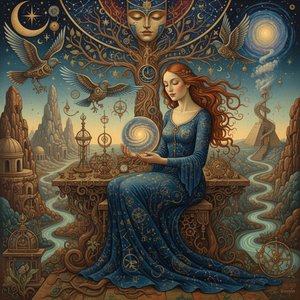
Remedios Varo: A Surrealist Vision of Science, Mysticism & the Female Psyche
Explore the captivating world of Remedios Varo, a pioneering Surrealist painter blending science, mysticism & feminist themes. Discover her unique style and enduring legacy with ArtsDot.


