


 Előnézet
 Megosztás
 Megosztás
 Részletek
 Útmutató

 Letöltés
 Hasonló darabok
 X-ray felvétel
 Diavetítés
 Statisztika
Paris

 Tovább olvasom
Az ezen az oldalon megjelenített műalkotások szerzői jogi védelem alatt állnak, ami azt jelenti, hogy törvényileg nem készíthetünk és nem adhatunk el belőlük pontos másolatokat. Ez a védelem olyan nemzetközi megállapodások alapján érvényesül, mint például a Berni Egyezmény és a nemzeti törvények által, beleértve azokat is, amelyeket meghatározott Az USA szerzői jogi törvénye – 17. cím.
Ez a módszer teljes mértékben megfelel a szerzői jogi szabályozásnak, mivel nem tartalmazza a védett műalkotás másolását vagy duplikálását. Ehelyett ez egy kreatív újinterpretáció – egy új festmény, amely az eredetivel való összefüggései miatt hatással van rá, de nem az az.
Giclée / Műnyomat
Múzeumi minőségű giclée vagy vászonnyomat, gyors gyártással és rugalmas finomítási lehetőségekkel. ( Kézzel festett másolat vásárlása Áttérés digitális képre)




P118B Ft10

P118H Ft10

P118W Ft10

P438Z Ft10

P508JH Ft12

P508YH Ft12

P805H Ft10

P805Z Ft10

P919BZ Ft10

P919G Ft10

P919XJ Ft10

P959ZH Ft10

P968JZ Ft12

W106C Ft8

W218G Ft10

W218JH Ft8

W218Y Ft10

W307PJ Ft10

W316G Ft10

W316PJ Ft8

W316Y Ft10

W398PJ Ft8

W4111J Ft10

W500HY Ft15

W500JH Ft15

W692G Ft12

W849H Ft8

W940BG Ft15

W953PJ Ft8




Válasszon előre meghatározott méreteink közül, amelyek megfelelnek a műalkotás eredeti arányainak.

Írja be a keretének vagy a falának megfelelő szélességet és magasságot. A nyomatot csak le lehet vágni, soha nem tehető nagyobbá, mint az eredeti kép, így egy eltérő alakú méretnél a kép egy része elveszik. Mielőtt bármit kinyatintanánk, küldünk egy digitális próbamodellt jóváhagyásra. Az oldalon látható kép nem tartalmazza a valós levágást — ezt csak a próbamodell mutatja meg.
Világszerte történő kiszállítás területére mindössze 2 hét alatt, a szokásos 4-5 hét helyett. (23 október)

Ingyenes globális expressz szállítás

Prémium minőségű len vászon

Teljes körű szállítási biztosítás

Vámvisszatérítési Garancia

Tökéletes színarányosság garancia

100 napos visszaküldési garancia (csak gyártási hibás termékek esetén)

100% pénzvisszatérítési garancia

Több darab vásárlásakor kedvezmény
 Az üvegkeretes opció csak 110 cm alatti méretben érhető el

Paris
Giclée / Műnyomat
Reprodukció méretei
-


Összesített ár
Ft 19932
Hasonló műalkotások


A művész életrajza
A Life Painted in Abstraction: The World of Nikos Kessanlis
Nikos Kessanlis, a name resonating within the circles of modern Greek art, wasn’t merely a painter; he was an explorer of inner landscapes, translating emotion and experience into vibrant abstract forms. Born in Kutaisi, Georgia, in 1930 to Pontic Greek parents who had fled Turkey during the population exchange following the Greco-Turkish War, Kessanlis's early life was steeped in displacement and a yearning for belonging. This foundational sense of rootlessness profoundly shaped his artistic vision, fostering a desire to create a universal language beyond national boundaries—a language spoken through color, texture, and composition. His family’s eventual relocation to Greece after World War II provided a new home but didn't erase the echoes of a fractured past; instead, it layered upon them the complexities of postwar Greek society. Kessanlis initially studied law at the University of Athens, a path chosen perhaps for its stability, yet his true calling lay in the realm of artistic expression. He soon abandoned legal studies to enroll in the School of Fine Arts, where he honed his skills and began to forge his unique style under the tutelage of Yannis Moralis.Early Influences & The Search for a Personal Aesthetic
Kessanlis’s artistic journey wasn't born in isolation. He absorbed influences from both European and American abstract expressionism, particularly the work of artists like Wassily Kandinsky and Mark Rothko. However, he didn’t simply replicate these styles; instead, he filtered them through his own cultural lens and personal experiences. The early 1950s saw him experimenting with various forms of abstraction, moving from semi-figurative works to increasingly non-representational compositions. He was drawn to the power of color—its ability to evoke mood, suggest emotion, and create a sense of spatial depth. His initial explorations were characterized by bold, often contrasting colors applied in broad strokes, reflecting a raw energy and emotional intensity. He participated in group exhibitions during this period, gradually gaining recognition within the Athenian art scene. The influence of Byzantine iconography, subtly present in his use of color and spatial organization, also played a crucial role in shaping his aesthetic. This wasn’t a direct imitation but rather an unconscious resonance with the spiritual depth and symbolic power inherent in Greek artistic tradition.Mature Style & Key Characteristics
By the 1960s, Kessanlis had developed a distinctive style that set him apart from his contemporaries. His canvases became arenas for exploring color relationships, often featuring large fields of luminous hues that seemed to vibrate with inner light. He moved away from gestural brushwork towards smoother, more refined surfaces, creating a sense of meditative calm. His compositions were typically abstract, devoid of recognizable forms or figures, yet they possessed an undeniable emotional resonance. He often worked in series, exploring variations on a particular theme or color palette, delving deeper into the nuances of his chosen aesthetic.- Color as Emotion: Kessanlis believed that color was the primary vehicle for expressing emotion and conveying meaning.
- Spatial Depth: He masterfully created a sense of spatial depth through layering colors and subtle gradations of tone.
- Meditative Quality: His paintings often evoke a sense of calm contemplation, inviting viewers to immerse themselves in the interplay of color and form.
- Series & Variations: He frequently worked in series, exploring different facets of his artistic vision through subtle variations on a theme.
Recognition, Legacy & Historical Significance
Throughout the latter half of the 20th century, Kessanlis exhibited extensively both in Greece and internationally, gaining critical acclaim and establishing himself as a leading figure in modern Greek art. He participated in numerous prestigious exhibitions, including the Venice Biennale in 1972. His work is represented in major public and private collections throughout Europe and North America. Kessanlis’s significance lies not only in his aesthetic achievements but also in his contribution to the development of abstract expressionism within a Greek context. He demonstrated that abstraction could be deeply rooted in cultural tradition, capable of expressing uniquely Greek emotions and experiences. He bridged the gap between European modernism and the rich artistic heritage of Greece. His paintings continue to captivate audiences with their luminous colors, meditative quality, and profound emotional resonance. Nikos Kessanlis passed away in 2004, leaving behind a legacy that continues to inspire artists and art lovers alike—a testament to the enduring power of abstraction as a language of universal emotion and experience. His work serves as a poignant reminder that even amidst displacement and fragmentation, beauty and meaning can be found through the transformative power of artistic expression.
Nikos Kessanlis
1930 - 2004
Gyors információk
- Full Name: Nikos Kessanlis
- Nationality: Greek
- Date Of Birth: 1930
- Date Of Death: 2004
- Place Of Birth: Hydra, Greece
- Notable Artworks:
- Hydra
- Paris
- Artistic Movement Or Style: Expressionism
- Artists Who Influenced This Artist: ['Henri Matisse']
- Artists Or Movements Influenced By This Artist: ['Cubism']
Kapcsolódó cikkek

A Fehér Szín Mesterei: 10 Híres Festmény, Amelyek Elvarázsolnak – ArtsDot.com
Fedezze fel a 10 legikonikusabb fehér tónusú festményt! Monet, Van Gogh és más mesterek alkotásainak története. Vászonképek, reprodukciók – inspiráció otthonába. ArtsDot.com: minőségi művészet online.

Monochrome Visions: Exploring the Aesthetic & Historical Significance of Black & White Photography
Explore the rich history & artistic power of black and white photography. From early techniques to iconic masters like Ansel Adams, discover why monochrome continues to captivate art lovers today. Expert insights for collectors.

A Fekete Szín Mesterei: 10 Híres Festmény, Amelyek Elvarázsolnak – ArtsDot.com
Fedezze fel a 10 leghíresebb, fekete tónusú festményt! Rembrandt, Goya és Manet remekművei elvarázsolják. Művészettörténet, inspiráció otthonába – ArtsDot.com kínálatából. Fedezze fel a teljes gyűjteményt online!

Timeless & Chic: Elevating Your New Home with the Sophistication of Black and White Photography
Transform your new home with the timeless allure of black and white photography. ArtsDot.com specializes in elegant monochrome decor and custom hand-painted wedding portraits that turn cherished milestones into lasting, soulful masterpieces. Elevate your space with ease.
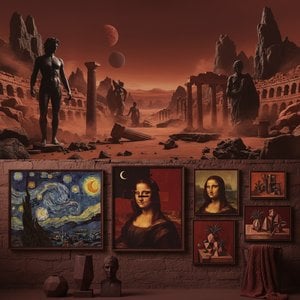
A sötét szépség: 10 híres festmény a 'Mars Black' árnyalataiban | ArtsDot
Fedezze fel a 10 leghíresebb festményt, melyeket a 'Mars Black' mély árnyalatai dominálnak! Rembrandt, Goya és Picasso remekművei – történetük, technikájuk és időtlenségük. Múzeumi minőségű művészeti reprodukciók otthonába. Fedezze fel a teljes gyűjteményt a ArtsDot.com-on!