

 Megtekintés
 Küldés
 Megosztás
 Részletek
 Útmutató

 Letöltés
 Hasonló darabok
 X-ray felvétel
 Diavetítés
 Kérdések és válaszok
 Statisztika
Spell. New moon.

- 45.0 x 79.0 cm


 Összes részlet megjelenítése
Giclée / Műnyomat
Múzeumi minőségű giclée vagy vászonnyomat, gyors gyártással és rugalmas finomítási lehetőségekkel. ( Kézzel festett másolat rendelése Áttérés digitális képre)




P118B Ft10

P118H Ft10

P118W Ft10

P438Z Ft10

P508JH Ft12

P508YH Ft12

P805H Ft10

P805Z Ft10

P919BZ Ft10

P919G Ft10

P919XJ Ft10

P959ZH Ft10

P968JZ Ft12

W106C Ft8

W218G Ft10

W218JH Ft8

W218Y Ft10

W307PJ Ft10

W316G Ft10

W316PJ Ft8

W316Y Ft10

W398PJ Ft8

W4111J Ft10

W500HY Ft15

W500JH Ft15

W692G Ft12

W849H Ft8

W940BG Ft15

W953PJ Ft8




Válasszon előre meghatározott méreteink közül, amelyek megfelelnek a műalkotás eredeti arányainak.

Írja be a keretének vagy a falának megfelelő szélességet és magasságot. A nyomatot csak le lehet vágni, soha nem tehető nagyobbá, mint az eredeti kép, így egy eltérő alakú méretnél a kép egy része elveszik. Mielőtt bármit kinyatintanánk, küldünk egy digitális próbamodellt jóváhagyásra. Az oldalon látható kép nem tartalmazza a valós levágást — ezt csak a próbamodell mutatja meg.
Világszerte történő kiszállítás területére mindössze 2 hét alatt, a szokásos 4-5 hét helyett. (11 november)

Ingyenes globális expressz szállítás

Prémium minőségű len vászon

Teljes körű szállítási biztosítás

Vámvisszatérítési Garancia

Hiteles színarányosság garancia

100 napos visszaküldési lehetőség (csak hibás termékek esetén)

100% pénzvisszatérítési garancia

Több darab vásárlásakor kedvezmény
 Az üvegkeretes opció csak 110 cm alatti méretben érhető el

Spell. New moon.
Giclée / Műnyomat
Reprodukció mérete
-


Összesített ár
Ft 20495
Nicholas Roerich’s ‘Spell. New Moon.’ – A Chronicle of Cosmic Reverie
“Spell. New Moon.”, painted in 1938 by the visionary artist Nicholas Roemerich (later Roerich), is more than a depiction of a night sky; it's an immersive experience, a tangible echo of the profound spiritual and philosophical currents that defined his oeuvre. This evocative piece, measuring 45 x 79 cm, captures a moment of serene contemplation – a rising moon dominating a landscape imbued with symbolic weight. The painting’s immediate impact lies in its masterful rendering of light and shadow, creating an atmosphere both tranquil and charged with latent energy. Roerich's meticulous brushwork, characteristic of his later style, builds layers of color to suggest depth and texture, from the velvety darkness of the mountains to the luminous glow of the moon.
The Artist’s Vision: Roerich and the Pursuit of Cosmic Harmony
Born in Saint Petersburg in 1874, Nicholas Roemerich dedicated his life to exploring the intersection of art, spirituality, and archaeology. His work was deeply influenced by Theosophy, a spiritual philosophy emphasizing universal interconnectedness and the importance of preserving cultural heritage. This belief system profoundly shaped his artistic practice, leading him to depict landscapes not merely as visual representations but as conduits for cosmic energy – ‘Living Pictures,’ as he termed them. “Spell. New Moon.” exemplifies this approach; the rising moon, a recurring motif in Roerich’s work, symbolizes renewal, transformation, and the cyclical nature of existence. The distant mountain range, often rendered with a hazy, almost dreamlike quality, represents the enduring strength and wisdom of ancient cultures.
Technique and Materials – A Legacy of Detail
Roemerich employed a technique rooted in meticulous observation and layered application of oil paint. He built up his compositions through numerous thin glazes, achieving remarkable luminosity and depth. The subtle gradations of color—from the cool blues and purples of the night sky to the warm ochres and browns of the mountains—demonstrate a profound understanding of atmospheric perspective. The inclusion of a small building in the lower left corner adds an intriguing element, perhaps representing humanity’s tentative connection with the vastness of nature or hinting at the artist's interest in exploring human settlements within sacred landscapes. The canvas itself was likely primed with multiple layers of gesso to ensure optimal paint adhesion and longevity – a testament to Roerich’s commitment to creating enduring works.
Symbolism and Emotional Resonance
“Spell. New Moon.” resonates deeply with the viewer on an emotional level, inviting contemplation about our place in the universe. The new moon phase, central to the painting's title, represents a period of potential and fresh beginnings. Roerich’s work consistently sought to evoke a sense of awe and wonder, encouraging viewers to connect with something larger than themselves. This reproduction offers an opportunity to own a piece that embodies this spirit – a reminder of the beauty and mystery inherent in the natural world, and the enduring power of artistic vision. It's a window into Roerich’s deeply held beliefs and his profound connection to the cosmos.
Kérdések és válaszok
Milyen összefüggésben áll a "Spell. New moon." témája Nicholas Roerich megszokott motíveivel?
A "Spell. New moon." a night sky, moonrise, stars, mountains, roerich, landscape, new moon ábrázol, míg Nicholas Roerich dokumentált témái a spirituality, mysticism, symbolism, peace, exploration. A kettő összevetése megmutatja, hogyan kapcsolódik ez a mű a művész megszokott motívumaihoz.
Mely művészeti irány része a „Spell. New moon.”, Nicholas Roerich alkotása?
A „Spell. New moon.”, Nicholas Roerich alkotása művészeti irányata a Roerich Romanticism. Ez a klasszifikáció a művet a kapcsolódó alkotók és alkotások közé sorolja.
Hol függene jól a „Spell. New moon.”, Nicholas Roerich alkotása reprodukciója?
A formátum (Tall) és a javasolt helyiség (Living Room) a „Spell. New moon.”, Nicholas Roerich alkotása alkotáshoz tartozó két elhelyezési adat.
Hasonló műalkotások


A művész életrajza
Korai élet, család és képzés
Roerich Nicholas 1874. október 9-én született Szinténtpétervárban, Oroszországban. Származása egy baltikán német apát és egy orosz anyát ötvözött, egy olyan háttér, amely specifikus intellektuális és kulturális keretrendszert biztosított későbbi törekvéseihez. Ez a kettős örökség nem egyetlen irányba sodortá him, sőt, inkább egy olyan sokoldalú pályát táplált, amely a vizuális alkotás mellett a jogtudományt, az archeológiát és a filozófiát is magába foglalta. Már a kezdetektől fogva a fegyelmezett, strukturált ember típusát testesítette.
Hivatalos oktatása a különböző tudományágak egyidejű törekvéseműével jellemezhető volt. 1893-ban egyszerre jelentkezett a Szinténtpétervói Egyetemre és a Császári Képzőművészeti Akadémiára. Ez a kettős út lehetővé tette számára, hogy a művészi szemlélet mellett egy jogi gondolkodásmódot is kialakítson. 1897-ben megszerezte művészdiplomáját, a következő évben pedig befejezte jogegemeltetését. A jogi képzés és a művészeti tanulmányok ez a különleges kombinációm laid alapozta meg későbbi, összetettebb szerempedélyét, mint közszereplő és a kultúrtörténeti örökség megőrzésének egyik legfontosabb pártja.
Mecenások, műhely és megk orderedések
Roerich Nicholas hatása a XX. század eleji színpadvilágra a „Világ Művészci” (Mir Iskusstva) társasággal való szoros kapcsolódásán keresztül vált tartósává. Nem csupán tagja volt ennek a körnek; ő volt az irányítója is, hiszen 1910 és 1916 között töltötte a társaság elnöki posztját. Ez a vezetői szerep a hagyományos orosz művészeti struktúrákat aktívan lebontó innovátorok hálózatának központjába helyezte őt. Ebben az időszakben alkotásai túlmutatott a vászon határain, belépve a színház fizikai térébe, ahol összetett történelmi és mitológiai motívumokat alakított át lenyűgöző vizuális környezet-ábrázolásokká.
A színpadra gyakorolt legjelentősebb hatása olyan kiemelt együttműködésekből született, amelyek alapjaiban határozták meg a teatervizuális tervezés fogalmát. Őralálta a díszleteket és a jelmezeket Igor Sztravinszkij modernista balettjének, az Tavaszi Áldozat (The Rite of Spring) 1913-as premierjéhez. Ez a produkció radikális szakadozás volt a kor művészeti normáival szemben. Alexander Borodin Igor herceg című művére vonatkozó tervezései – amelyeket zowel 1909-ben, mint a későbbi előadásokban megvalósítottak – a legelismertebb teatervizuális teljesítményei közé tartoznak. Ezek a megbízások a történelmi kutatás és a fantázia nélküli építettség precíz ötvözését igényelték, hogy összhangban legyen a színészek zenei és mozgásbeli dinamikájával.
Technika és stílus
Roerich Nicholas vizuális nyelve az apró részletek és a forma tudatos egyszerűsítés közötti feszültségre épül. Művei gyakran illusztratív jellegűek, ahol a hagyományos, realista modelírozás helyett a színek lapos sínyaira hagyatkozik. Ez az megközelítés grafikus esztétikát hoz létre, amelyben a vonalak elsősorban a kontúrok meghatározására szolgálnak. Elkerüli a klasszikus realizmus nehéz árnyékait, és inkább olyan stílust választ, amely a motívumok szerkezeti esszenciáját hangsúlyozza. Ez a tisztaság közvetlenné és olvashatová teszi kompozícióit, még akkor is, ha összetett spirituális témákkal foglalkozik.
A színek használata központi szerepet játszik a művész hatásában. Vibráló színpalettákat alkalmazott tájképei és alakjai meghatározására, gyakran éles kontrasztot teremtve a téma és a környezet között. Olyan művekben, mint az 1929 körül készült Agni Yoga, temperát húzott panelre, hogy specifikus textúrákat és tónusokat érjen el. Ez a médium a pigment kontrollált felvitelét tette lehetővé, támogatva fényes, rétegzett tónusai iránti preferenciait. Képes arra, hogy az intenzív színeket egyszerűsített, szinte geometrikus formákkal egyensúlyozza, így elkerülhető a kompozíciók övertelszerűsödése, megőrizve a rend és a célosság érzését.
- Agni Yoga (kb. 1929)
Főbb művek
Roerich Nicholas művészetének lényege a történelmi motívumokból a metafizikai dimenziókba való áramlásében rejlik. 1929-es festménye, az Agni Yoga, ez a folyamatos átalakulás egyik legfőbb példája, amely az orientális spiritualitást ötvözi a nyugati felvilágosodással. A kompozíció egy magányos női alakra épül, aki egy sziklázatos szoros tetején áll, lenézve a hatalmas hegyek és vizek végtelen táját; ez a látkozás a spirituális kontemplációt hívja életre. Az égbolt irizáló színekben tündököl, ahol a kék és a sárga árnyalatai a kozmikus mélység érzetét keltik. A távolban megjelenő alakok pedig láthatatlan erők vagy spirituális vezérlések jelenlétét sugallják.
A korai művészeti korszakát még erősen meghatározta Oroszország építészeti és történelmi identitása. Ezek a alkotások gyakran igényeltek aprópián meticulózus kutatást, hogy hitelesen ábrázolják a várakat és a kolostorokat. A múlt fizikai maradványai iránti ez az érdeklődés elengedhetetlen alapműve lett a későbbi, absztraktabb, spirituális világ felfedezésének. Színpadi díszletei a Ballets Russes számára – különösen az Tavaszi rituálé (1913) és az Prince Igor (1909) című darabokhoz – egyaránt bizonyítják azt a képességet, amellyel vizuális környezetet teremtett a előadások érzelmi súlyának megerősítésére.
- The Rite of Spring (1913)
- Prince Igor (1909)
- Agni Yoga (1929)
Örökség és hatás
Roerich Nicholas hatása messze túlmutat a vászon határain, mélyen gyökerezve az emberi kreativitás megóvására irányuló, gyakorlatias erőfeszítéseiben a háború pusztító hatásaitól. 1935-ben ő vezette ki a Roerich-paktát, amely egy olyan nemzetközi szerződés volt, melynek célja a kulturális értékek védelme volt. E misszió támogatása érdekében javasolta a Békesség Zászló megalkotását is, amely egy univerzális jel, mely a védett kulturális helyszínek jelzését szolgálta. Humanitárius odafordulása a történelem és a művészet megőrzésére számos Nobel-békedíj-jelöléssel emelte ki a világszínest, tevékenysége pedig az esztétika világából a nemzetközi jog és a diplomácia szférájába terelte előre.
Keleti orientációjú kapcsolódódása jelentős elismerést nyert az indiai kormánytól is, amely Navaratna-ként honoroálta meg a művészt. Ez a megnevezés India kilenc nagyszerű művészének egyetlen rangját illeti meg. Művészete ma is fontos kutatói pont azok számára, akik a spirituális filozófia és a vizuális ábrázolás metszéspontja iránt érdeklődnek. Örökségét az az önidentitás határozza meg, amely egyszerre teszi őt a képek megteremtőjévé és azok művészeti tartóhelyeit őrző intézmények védelmezőjévé.
Hol tekinthetjük meg műveit ma?
Roerich Nicholas látásmódának fizikai valóságával való találkozáshoz olyan institutionális gyűjteményekhez kell fordulnunk, amelyek őrizik életművei darabjait. Az Egyesült Államokban a New Yorkban található Nicholas Roerich Múzeum marad az elsődleges úti cél. A múzeum egy manhattani Upper West Side-i bírósági épületben (brownstone) kapott otthont, amely olyan környezetet biztosít, amely megőrzi későbbi évekének különleges atmoszféráját. Ez a gyűjtemény művei jelentős részét tartalmazza, beleértve számos Himalája-tájszínét és az Agni Yoga archívumokat is.
Művészetének haténya messzebbre terjed, visszagazad Oroszországig és Közép-Ázsiáig is. A Szucssaljban található Orosz Állami Múzeum olyan darabokat őriz, amelyek a korai képzőzéseit és művészi fejlődését tükrözik. Emellett az Asztrachán Állami Képtár is számos olyan alkotást tart fenn, amelyek segítik a művész sokszínű tematikájának mélyebb megértését. Ezek a gyűjtemények biztosítják, hogy az orosz szimbolizmusból való átmenet a későbbi misztikus tájalkáláig dokumentált maradjon az eredeti kulturális kontextusban.
- Agni Yoga (1929)
- And we continue fishing (1922)
- Sacred Himalayas (1934)

Nicholas Roerich
1874 - 1947 , Oroszország
Rövid információk
- Artistic Movement Or Style: Szimbolizmus, Modernizmus
- Date Of Birth: 1874
- Date Of Death: 1947
- Full Name: Nikolai Konstantinovich Rerikh
- Nationality: Orosz
- Notable Artworks:
- Visitors from over the sea
- Rostov the Great
- Varangian way
- Vernicle
- Gegstad manor
- Good nest
- The Last Angel
- Fairest City
- Vaydelots
- St. Olga of Kiev
- Lord of the Night
- Martyr Mercurius of Smolensk
- Linnasaari, Ladoga lake
- And we continue fishing
- And we bring the light
- Book of Wisdom
- Fire Blossom
- Chalice of Christ
- Great rider. Rigden Jyepo
- Agni Yoga
- Bhagavan
- St. Francis
- Saint Sophia the Almighty Wisdom
- Ashram
- Harrowing of Hell
- Light Conquers Darkness
- Sacred Himalayas
- Armageddon
- Kuluta
- Mother of the World
- Song of Shambhala
- Messenger
- Place Of Birth: Szentpétervár, Oroszország
Kapcsolódó cikkek

A Romantikus Tájképfestészet 10 Legikonikusabb Műalkotása – ArtsDot.com
Fedezze fel a romantikus tájképfestészet 10 legikonikusabb műalkotását! Caspar David Friedrich, J.M.W. Turner és más mesterek festményeinek története – inspiráló olajfestmények otthonába. ArtsDot.com: múzeumi minőségű reprodukciók és egyedi dekorációk online.

Evocations of Place: A Historical Journey Through Landscape Art
Explore the rich history of landscape art with ArtsDot. Discover renowned artists, movements like Impressionism & Romanticism, and expert guidance for collecting timeless pieces. Find your perfect serene escape today!
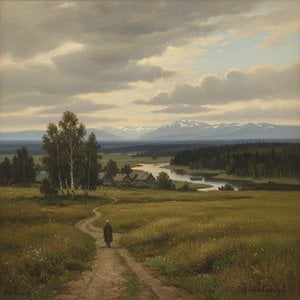
Fyodor Vasilyev: A Poetic Vision of Russian Landscape – Life, Legacy, and the Transience of Nature
Explore the captivating world of Fyodor Vasilyev, a pioneering Russian landscape painter. Discover his lyrical style, influential works like 'Clouds' & lasting legacy. Learn about his life, artistic journey & impact on Russian art history.

John Constable 25 Mesterműve: A Természet Lényege Vászonon – ArtsDot.com
Fedezze fel John Constable 25 legszebb művészeti alkotását! Ismerje meg a romantika ikonikus tájképeit, Dedham Vale szépségét és a természet lenyűgöző ábrázolásait. Vászonkép reprodukcióinkkal eleganciát csempészhet otthonába – ArtsDot.com

Grahame Sydney: Evoking Otago's Soul Through Light & Landscape
Explore the captivating landscapes of Sir Grahame Sydney, a leading New Zealand artist renowned for his magic realism & evocative depictions of Otago's beauty. Discover key works and delve into his artistic legacy.


