

 Megtekintés
 Küldés
 Megosztás
 Részletek
 Útmutató

 Letöltés
 Hasonló darabok
 X-ray felvétel
 Diavetítés
 Kérdések és válaszok
 Statisztika
Gračanica Monastery


 Összes részlet megjelenítése
Giclée / Műnyomat
Múzeumi minőségű giclée vagy vászonnyomat, gyors gyártással és rugalmas finomítási lehetőségekkel. ( Kézzel festett másolat rendelése Áttérés digitális képre)




P118B Ft10

P118H Ft10

P118W Ft10

P438Z Ft10

P508JH Ft12

P508YH Ft12

P805H Ft10

P805Z Ft10

P919BZ Ft10

P919G Ft10

P919XJ Ft10

P959ZH Ft10

P968JZ Ft12

W106C Ft8

W218G Ft10

W218JH Ft8

W218Y Ft10

W307PJ Ft10

W316G Ft10

W316PJ Ft8

W316Y Ft10

W398PJ Ft8

W4111J Ft10

W500HY Ft15

W500JH Ft15

W692G Ft12

W849H Ft8

W940BG Ft15

W953PJ Ft8




Válasszon előre meghatározott méreteink közül, amelyek megfelelnek a műalkotás eredeti arányainak.

Írja be a keretének vagy a falának megfelelő szélességet és magasságot. A nyomatot csak le lehet vágni, soha nem tehető nagyobbá, mint az eredeti kép, így egy eltérő alakú méretnél a kép egy része elveszik. Mielőtt bármit kinyatintanánk, küldünk egy digitális próbamodellt jóváhagyásra. Az oldalon látható kép nem tartalmazza a valós levágást — ezt csak a próbamodell mutatja meg.
Világszerte történő kiszállítás területére mindössze 2 hét alatt, a szokásos 4-5 hét helyett. (4 november)

Ingyenes globális expressz szállítás

Prémium minőségű len vászon

Teljes körű szállítási biztosítás

Vámvisszatérítési Garancia

Hiteles színarányosság garancia

100 napos visszaküldési lehetőség (csak hibás termékek esetén)

100% pénzvisszatérítési garancia

Több darab vásárlásakor kedvezmény
 Az üvegkeretes opció csak 110 cm alatti méretben érhető el

Gračanica Monastery
Giclée / Műnyomat
Reprodukció mérete
-


Összesített ár
Ft 20456
Kérdések és válaszok
Milyen technikával és milyen stílusban készült a "Gračanica Monastery"?
A "Gračanica Monastery" alkotás Oil technikával készült, a Expressionism stílusban.
Milyen technikával készült a "Gračanica Monastery", és mikor készült?
A "Gračanica Monastery" alkotása 1913-ben készült, Oil technikával.
Milyen színpalettát és milyen hangulatot ábrázol a "Gračanica Monastery"?
A „Gračanica Monastery”, Nadežda Petrović alkotása Earthy palettája harmonikában összhangban van a Spiritual érzelmi hangulatával. A szín az egyik eszköze annak, ahogyan egy mű érzéseket közvetít.
Hasonló műalkotások


A művész életrajza
Nadežda Petrović (1873–1915): Serbia’s Expressionist Visionary
Nadežda Petrović (Serbian Cyrillic: Надежда Петровић; 11/12 October 1873 – 3 April 1915) was a Serbian painter and one of the women war photography pioneers in the region. Considered Serbia’s most famous expressionist and fauvist, she was the most important Serbian female painter of the period. Born in Čačak, Serbia, Petrović moved to Belgrade in her youth and attended the women's school of higher education there. Graduating in 1891, she taught there for a period beginning in 1893 before moving to Munich to study with Slovenian artist Anton Ažbe. Between 1901 and 1912, she exhibited her work in many cities throughout Europe. Her artistic journey culminated in a tragically premature death during World War I, leaving behind an indelible mark on Serbian art history.Early Life and Education
Nadežda Petrović was born into a family of intellectuals—her father Dimitrije Petrović was a professor of mathematics and her mother Mileva Petrović was a teacher—providing her with a privileged upbringing steeped in culture and artistic appreciation. Growing up in Čačak, she experienced the hardships of Serbian life under Austro-Hungarian rule, fostering resilience and shaping her worldview. Recognizing her talent for art early on, her parents encouraged her pursuit of education beyond the conventional roles expected of women at the time. She excelled academically, earning a degree from Belgrade’s Women's School of Higher Education in 1891, marking a pivotal moment in her life and establishing her foundation for artistic endeavors. Her subsequent teaching position allowed her to nurture young minds and disseminate knowledge—a testament to her dedication and commitment to education.Munich and Artistic Influences
Petrović’s relocation to Munich in 1901 proved transformative, exposing her to the burgeoning avant-garde movements of Expressionism and Fauvism. Studying under Anton Ažbe, a Slovenian artist who championed innovative techniques and stylistic experimentation, she absorbed influences from artists like Edvard Munch and Henri Matisse. These encounters ignited her creative spirit and propelled her artistic style toward bold color palettes, distorted forms, and emotionally charged compositions—characteristics that would define her oeuvre. The Munich environment fostered intellectual discourse and challenged established artistic conventions, encouraging Petrović to forge her own distinctive path as an artist.Artistic Style and Notable Works
Petrović’s artistic style is characterized by Expressionism and Fauvism, movements that prioritized emotional intensity over realistic representation. Her paintings frequently employed vibrant hues—particularly crimson—and exaggerated brushstrokes to convey profound feelings and capture the essence of her subjects. Among her most celebrated works are “Ksenija Atanasijević,” a portrait imbued with melancholic beauty and psychological depth, and “Gračanica Monastery,” which exemplifies her masterful use of color and texture to depict Serbian Orthodox spirituality. These paintings stand as enduring symbols of Serbian artistic heritage and continue to inspire admiration for Petrović’s visionary approach to art. Furthermore, she contributed significantly to the preservation of Serbian cultural identity through her depictions of sacred sites and historical narratives.War Photography and Humanitarian Service
Beyond her painting achievements, Nadežda Petrović demonstrated remarkable courage and compassion by volunteering as a nurse during the Balkan Wars (1912–1913) and subsequently during World War I. Driven by an unwavering commitment to humanitarian service, she tirelessly cared for wounded soldiers—often under perilous conditions—risking her own safety for the benefit of others. Her dedication earned her recognition from Serbian authorities and cemented her reputation as a selfless advocate for human dignity. Petrović’s bravery was honored with a Medal for Bravery and an Order of the Red Cross, acknowledging her extraordinary contribution to alleviating suffering during wartime.Legacy and Recognition
Nadežda Petrović's legacy extends beyond her artistic output; she remains a symbol of Serbian resilience, creativity, and humanitarian spirit. Her paintings are housed in prominent museums across Serbia, including the National Museum of Serbia and the Pavle Beljanski Memorial Collection, ensuring that her artistic vision continues to resonate with audiences today. Moreover, her work is available for purchase as prints or hand-painted replicas on ArtsDot.com, allowing enthusiasts worldwide to experience the beauty and emotional power of her masterpieces. Petrović’s pioneering role as a woman artist in Serbia—and as a war photographer—serves as an inspiration for future generations striving to honor artistic excellence alongside social responsibility.
Nadežda Petrović
1873 - 1915 , Serbia
Rövid információk
- Full Name: Nadežda Petrović
- Nationality: Serbian
- Date Of Birth: 1873
- Date Of Death: 1915
- Place Of Birth: Cacak, Serbia
- Notable Artworks:
- Ksenija Atanasijević
- Gračanica Monastery
- Artistic Movement Or Style: Expressionism & Fauvism
- Artists Who Influenced This Artist: ['Anton Ažbe']
- Artists Or Movements Influenced By This Artist: ['Fauvism']
Kapcsolódó cikkek

The Subdued Radiance of Pastel Palettes: Exploring Emotional Resonance in Art History
Explore the emotional power of pastel palettes in art history! Discover Impressionism, Post-Impressionism & color psychology insights. Find museum-quality reproductions at ArtsDot.

The Subdued Radiance of Pastel: Exploring Nuance & Emotion in Art
Explore the nuanced world of pastel art! Discover its history, techniques & emotional power with expert insights from ArtsDot.com. Find museum-quality reproductions and learn about collecting this delicate medium.
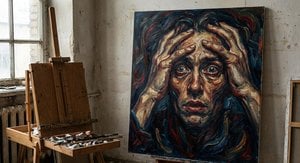
Figurative Expressionism: Emotional Intensity & Subjective Reality in 20th-Century Art
Explore the powerful world of Figurative Expressionism with ArtsDot. Discover key artists like Kirchner & Beckmann, understand its emotional depth, and learn how to collect this influential 20th-century art movement.

The Raw Emotion of Expressionism: A Deep Dive into its History, Characteristics & Enduring Influence
Explore the raw emotion of Expressionism with ArtsDot. Discover its history, key artists like Kirchner & Munch, and lasting influence on modern art. Expert insights for collectors & enthusiasts.

The Subtleties of Pastel: A Comprehensive Exploration of Technique, History & Emotional Resonance
Explore the captivating world of pastel art! Discover its rich history, Impressionistic masters like Degas, emotional power & unique techniques. Find museum-quality reproductions at ArtsDot.