


 Előnézet
 Megosztás
 Megosztás
 Részletek
 Útmutató

 Letöltés
 Hasonló darabok
 X-ray felvétel
 Diavetítés
 Statisztika
In the Studio
 Oil On Canvas
- WallArt
- Impressionism
 1936
1936- Modern
 81.0 x 100.0 cm
 The Pavle Beljanski Memorial Collection
 Tovább olvasom
Kézzel készített olajfestmény reprodukció
Kézzel festett olajvastú vászon, az Ön által választott méretben és keretben, művészeink készítik meglévőre. ( Váltás nyomtatványra Áttérés digitális képre)




P118B $10

P118H $10

P118W $10

P438Z $10

P508JH $12

P508YH $12

P805H $10

P805Z $10

P919BZ $10

P919G $10

P919XJ $10

P959ZH $10

P968JZ $12

W106C $8

W218G $10

W218JH $8

W218Y $10

W307PJ $10

W316G $10

W316PJ $8

W316Y $10

W398PJ $8

W4111J $10

W500HY $15

W500JH $15

W692G $12

W849H $8

W940BG $15

W953PJ $8




Válasszon előre meghatározott méreteink közül, amelyek megfelelnek a műalkotás eredeti arányainak.

Ön megadhat saját méreteket egy adott kerethez vagy térhez igazításhoz. Ha a kiválasztott méret nem egyezik az eredeti kép arányával, akkor a műalkotást levágjuk, vagy további kézzel festett elemekkel meghosszabbítjuk a festményt. A gyártás megkezdése előtt küldünk Önnek egy digitális előnézetet jóváhagyásra.
Kérjük, vegye figyelembe, hogy a képernyőn megjelenő előnézet nem tükrözi a tényleges vágást vagy kiterjesztést. Csak az előnézet fog pontosan mutatni a végső kompozíciót.
Bár egyedi méretek állnak rendelkezésre, javasoljuk, hogy válasszon egy méretet az előre meghatározott listából az eredeti arányok megőrzése érdekében.
A rendelést követően a ArtsDot.com csapata e-mailt küld az ügyfélnek az instrukciókért, és biztosít egy előnézeti képet (mockup).
Világszerte elérhető szállítás () 3-4 hét alatt a szokásos 5 hét helyett. (25 szeptember). A minőség nem kérdőjelezhető.

Ingyenes globális expressz szállítás

Prémium minőségű len vászon

Teljes körű szállítási biztosítás

Vámvisszatérítési Garancia

Tökéletes színarányosság garancia

100 napos visszaküldési garancia (csak gyártási hibás termékek esetén)

100% pénzvisszatérítési garancia

Több darab vásárlásakor kedvezmény
 Az üvegkeretes opció csak 110 cm alatti méretben érhető el

In the Studio
Reprodukciós technika
Reprodukció méretei
-


Összesített ár
$ 263
A Glimpse into the Artist's Sanctuary
In the quiet, evocative depths of Milo Milunović’s "In the Studio," we are invited to step across the threshold of a private world, a space where the boundaries between creator and creation begin to blur. Painted during the artist's final return to Belgrade, this masterpiece transcends a mere depiction of an interior; it is a profound meditation on the atmosphere of artistic labor. The composition breathes with the presence of tools and relics—a sculptor’s tripod, a plaster torso, a paint box, and an easel—each element meticulously placed to construct a spatial narrative. Unlike his earlier, more intimate still-lifes from 1930 that focused on fragments, this work allows the studio space to expand, offering a window into a room that feels both lived-in and spiritually charged.
The painting captures a moment of stillness, yet it is thick with the tension of creative thought. At the heart of the canvas sits a figure positioned before an easel, a man whose identity remains a subtle mystery to the casual observer, though his presence anchors the entire room. While the face is partially veiled by the broad, dark rim of a hat, Milunović directs our gaze through a masterful use of light. The painter’s eyes are drawn toward the brightest point in the composition: a small, white cloth used for wiping hands. This tiny spark of luminosity serves as a focal point that pulls the viewer into the tactile reality of the studio, reminding us of the physical, often messy, nature of the artistic process.
The Alchemy of Color and Brushwork
Technically, "In the Studio" is a triumph of pure visual technique, eschewing overt narration in favor of an atmospheric, almost sensory experience. Milunović employs a sophisticated palette where deep shades of sepia are layered with "dirty," complex applications of light violet, blue, and green. These colors are not applied with rigid precision but through seemingly disorganized, energetic brushstrokes that create a vibrating surface. This method allows the artist to conduct an analysis of light and shadow, using halftones and varying textures to manipulate the viewer's optical perception. As one moves around the painting, the interplay of these tones changes, lending the work a cinematic quality that shifts with the light.
The contrast between the structural, horizontal contours of the studio accessories and the fluid, curved silhouette of the seated figure creates a rhythmic balance within the frame. There is a poetic resonance here, reminiscent of the way the poet Baudelaire could infuse a single word with a mysterious fragrance. Milunović achieves a similar feat with his brush; he uses color and texture to lend an "incense-like" quality to the scene, making the air within the studio feel heavy with the scent of oil paint, old plaster, and quiet contemplation. For the collector or the interior designer, this piece offers more than just visual beauty; it provides a sophisticated layer of intellectual and emotional depth, making it a profound centerpiece for any curated collection.
Hasonló műalkotások


A művész életrajza
early life and education
milo milunović was a prominent figure in the art world, born in 1897 in cetinje, montenegro. he received his education in various cities including shkodër, monza, florence, and paris, which exposed him to diverse artistic influences.artistic career
milunović's artistic career was marked by several significant milestones:- he joined the montenegrin army during world war i.
- from 1919 to 1922, he lived in paris, where he became acquainted with the works of paul cézanne, a post-impressionist master.
- in 1923, he spent time in prčanj, painting frescoes in the local church, showcasing his early skill with religious art.
- between 1924 and 1926, milunović lived in zagreb, paris, and belgrade, eventually co-founding the academy of arts in belgrade alongside two colleagues.
artistic style and notable works
notable periods:- milunović's most successful works were created between 1926 and 1932, primarily in an impressionist style.
- his art sometimes exhibited abstract qualities, while other times it leaned towards fauvism or impressionism.
- danica đurović and nikola gvozdenović gvozdo were among his pupils, going on to become notable artists in their own right.
- milunović's approach to composition and space was characterized by a rationalistic mindset, often incorporating anti-illusionistic devices.
legacy and influence
milo milunović's influence on the art world is evident in his diverse body of work, which can be seen as a blend of various styles. his legacy continues to inspire artists and art enthusiasts alike.- explore more about milunović's impressionist works at https://ArtsDot.com/@/milo milunović
- discover the academy of arts, belgrade, co-founded by milunović, and its impact on yugoslav art at /en/art/list/
- learn about the influence of paul cézanne on post-impressionism and its subsequent impact on milunović's work at https://ArtsDot.com/@/paulcezanne
references:
- art movements and styles
- milo milunović's artworks on ArtsDot
- wikipedia: montenegrin artists, yugoslav art

milo milunović
1897 - 1967 , Montenegro
Gyors információk
- Artistic Movement Or Style: Realism
- Artists Or Movements Influenced By This Artist: ['None listed']
- Artists Who Influenced This Artist: ['None listed']
- Date Of Birth: 1897
- Full Name: John Berninger
- Nationality: American
- Notable Artworks: ['']
- Place Of Birth: Allentown, Pennsylvania
Kapcsolódó cikkek

A kék árnyalatai: 10 ikonikus festmény a Slate Blue szín jegyében | ArtsDot.com
Fedezze fel a 10 legikonikusabb festményt, melyeket a Slate Blue szín ural! Monet, Renoir és más mesterek művei inspirálnak. Vászonképek eladás, otthon dekoráció tippek a ArtsDot.com-on. Explore the full collection online!

A 10 legikonikusabb festmény gombaszínekben – művészet otthonába a ArtsDot.com-mal
Fedezze fel a 10 legikonikusabb festményt, melyeket gombaszínek és barna árnyalatok dominálnak! Ismerje meg Van Gogh, Monet, Rembrandt műveit és inspirálódjon otthon dekorációjához. Museum-minőségű reprodukciók a ArtsDot.com-on!

Claude Monet 25 Mesterműve: A Fény és a Szín Zsenialitása – ArtsDot.com
Fedezze fel Claude Monet 25 legikonikusabb mesterművét! Ismerje meg az impresszionizmus zseniális festőjének történetét, a fény és szín varázsát. Vásároljon exkluzív reprodukciókat otthona dekorációjához a ArtsDot.com-on!
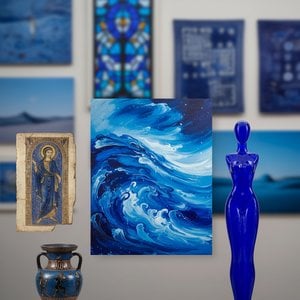
The Allure of Azure: Exploring the Symbolic & Aesthetic Depths of Blue in Art History
Explore the rich history of blue in art! Discover its symbolism, from ancient pigments to modern masterpieces by Kandinsky & Seurat. Uncover the psychological impact and cultural meanings behind this captivating hue.

A homokszínű mesterművek világa: 10 ikonikus festmény a ArtsDot kínálatában
Fedezze fel a 10 legikonikusabb homokszínű festményt! Monet, Van Gogh és más mesterek művei inspirálnak. Vászonképek, faliképek otthonába – ArtsDot.com kínálatából. Explore the full collection online!