 Megtekintés
 Küldés
 Megosztás
 Részletek

 Letöltés
 Hasonló darabok
 X-ray felvétel
 Diavetítés
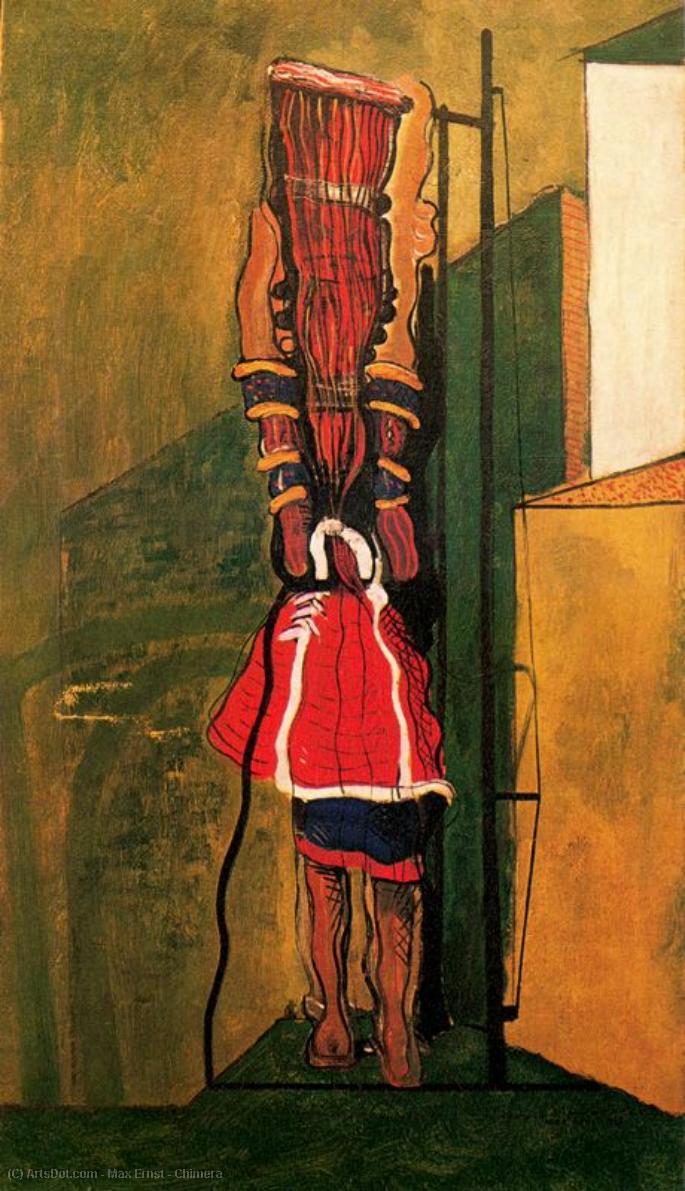
Chimera


 Összes részlet megjelenítése
Giclée / Műnyomat
Múzeumi minőségű giclée vagy vászonnyomat, gyors gyártással és rugalmas finomítási lehetőségekkel. ( Kézzel festett másolat rendelése Kép letöltése)




P118B $10

P118H $10

P118W $10

P438Z $10

P508JH $12

P508YH $12

P805H $10

P805Z $10

P919BZ $10

P919G $10

P919XJ $10

P959ZH $10

P968JZ $12

W106C $8

W218G $10

W218JH $8

W218Y $10

W307PJ $10

W316G $10

W316PJ $8

W316Y $10

W398PJ $8

W4111J $10

W500HY $15

W500JH $15

W692G $12

W849H $8

W940BG $15

W953PJ $8




Válasszon előre meghatározott méreteink közül, amelyek megfelelnek a műalkotás eredeti arányainak.

Megadhat saját méreteket is egy konkrét kerethez vagy helyszínhez igazítva. Amennyiben a kiválasztott méret nem egyezik az eredeti kép arányokkal, a műalkotást le fogjuk vágni, vagy kiegészítjük a képet tükrözött vagy egyszínű szélekkel. A gyártás megkezdése előtt egy digitális tervezetet küldünk jóváhagyásra.
Kérjük, vegye figyelembe, hogy a képernyőn látható előnézet nem tükrözi a tényleges levágást vagy kiegészítést. Csak a tervezet mutatja pontosan a végső kompozíciót.
Bár az egyedi méretek is elérhetőek, az eredeti arányok megőrzése érdekében azt javasoljuk, hogy válasszon a előre meghatározott listából származó méretet.
Világszerte történő kiszállítás területére mindössze 2 hét alatt, a szokásos 4-5 hét helyett. (16 augusztus)

Ingyenes globális expressz szállítás

Prémium minőségű len vászon

Teljes körű szállítási biztosítás

Vámvisszatérítési Garancia

Hiteles színpontosság garancia

60 napos visszaküldési lehetőség (csak hibás termékek esetén)

100% pénzvisszatérítési garancia

Több darab vásárlása esetén kedvezmény
 Az üvegkeretes opció csak 110 cm alatti méretben érhető el

Chimera
Giclée / Műnyomat
Reprodukció mérete
-


Összesített ár
$ 62
Gyűjthető leírása
A Dreamscape of Disjunction: Max Ernst’s “Chimera”
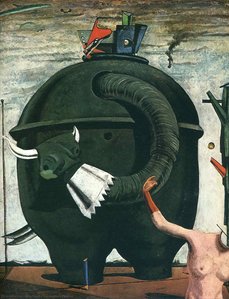
Max Ernst's "Chimera," painted in 1921, isn’t merely a depiction of a scene; it’s an immersion into the fractured logic of the subconscious. This surrealist masterpiece, born from a period of intense artistic and intellectual exploration for Ernst, immediately confronts the viewer with a disorienting yet strangely compelling tableau. The painting presents a solitary figure – seemingly lost in contemplation – positioned before a wall adorned with a chaotic collection of objects: an umbrella tilted at an improbable angle, a chair receding into the distance, and other fragments that defy immediate recognition. It’s a visual riddle, designed not to offer easy answers but to provoke a deeper engagement with the nature of perception and reality itself.
Ernst's genius lies in his masterful manipulation of collage technique, a method he embraced as a means to liberate himself from traditional painting conventions. “Chimera” is a testament to this approach; it’s not painted directly onto canvas but constructed through the layering and juxtaposition of various materials – paper, fabric, wood, and other found objects. This deliberate fragmentation mirrors the fragmented nature of dreams and memories, suggesting that our understanding of the world is inherently unstable and subject to distortion. The resulting texture and visual complexity are deeply evocative, inviting the viewer to trace the lines between the disparate elements and construct their own interpretation.
The Language of Surrealism: Symbolism and Juxtaposition
“Chimera” is a quintessential example of the surrealist movement’s fascination with the irrational and the unconscious. Inspired by artists like Giorgio de Chirico, Ernst sought to tap into the hidden depths of the psyche, bypassing rational thought in favor of intuitive association. The umbrella, for instance, often symbolizes protection or communication, yet here it hangs passively on the wall, stripped of its function and imbued with an unsettling stillness. Similarly, the chair, a symbol of domesticity and stability, is placed in the background, suggesting a detachment from reality and perhaps even a sense of isolation. These carefully chosen juxtapositions create a tension that permeates the entire composition.
The very title, “Chimera,” alludes to the mythical beast—a creature composed of disparate animal parts—representing the composite nature of dreams and the blending of different realities within the mind. Ernst’s use of this mythological reference isn't simply decorative; it underscores the painting’s core theme: the instability of identity and the difficulty of defining a coherent self. The solitary figure, lost in contemplation before this chaotic wall, embodies this struggle – a being adrift in a world where familiar objects hold no fixed meaning.
A Window into the Mind of an Innovator
Understanding “Chimera” requires acknowledging Max Ernst’s broader artistic and intellectual context. Born in Brühl, Germany, in 1891, Ernst was deeply influenced by philosophy, psychology, and literature – fields he pursued with relentless curiosity throughout his life. His early academic training instilled a critical approach to art, prompting him to question established norms and seek new ways of representing the world. “Chimera” reflects this spirit of experimentation, pushing the boundaries of artistic expression and challenging viewers to reconsider their assumptions about what constitutes ‘art’ itself.
The painting's creation coincided with a period of significant upheaval in Europe – the aftermath of World War I and the rise of new political ideologies. Surrealism emerged as a direct response to this climate of uncertainty, offering an alternative mode of expression that embraced the irrational and defied conventional logic. “Chimera” stands as a powerful testament to this movement’s ambition—a visual exploration of the subconscious mind and a bold assertion of artistic freedom.
Bringing "Chimera" Home: Reproduction & Artistic Impact
ArtsDot offers meticulously crafted, hand-painted reproductions of Max Ernst's “Chimera,” allowing you to experience this iconic work in stunning detail. Our artists replicate Ernst’s unique collage technique and evocative use of color with the utmost precision, capturing the painting’s dreamlike atmosphere and unsettling beauty. Whether displayed in a contemporary space or a classic setting, a reproduction of "Chimera" will serve as a captivating focal point, sparking conversation and inviting contemplation.
Beyond its aesthetic appeal, “Chimera” remains a profoundly resonant work of art—a poignant reflection on the nature of reality, identity, and the human condition. It’s an invitation to step outside the confines of rational thought and embrace the mysteries of the subconscious. Explore our collection today and bring this extraordinary piece into your world.


A művész életrajza
A Life Immersed in the Surreal
Max Ernst, született Maximilian Maria Ernst néven április 1-jén 1891-ben Brühl városban, Németországban, egy nyugodt lelkű ember volt, akit a művészet iránti szenvedély és a társadalmi normák elleni szorongás vezéreltek. Élete nem volt hagyományos művészi tanulmányok sorozata; inkább önmagában irányított felfedezés volt, melyet filozófiai gondolkodással, pszichológiai vonzalommal és mély elmélettel a társadalmi elvárásokkal szemben. Apja, egy tanár a vakok számára és amatőr festő, mindkét oldalon érzékenységet adott neki a világ felé, mind pedig ellenállást az elismert hatalommal szemben. Ez korai kettősség meghatározó vonása lett művészeti látásának.
Ernst tanulmányi évei a Bonni Egyetemen – filozófia, művészettörténet, irodalom, pszichológia és pszichiátria területén – nem csupán szórólapok voltak, hanem mélyen befolyásoló alapvető elemek, melyek formálták későbbi munkáit. Nemcsak arra törekedett, hogyan kell festeni; hanem arra is, miért. Ez az érvelőkészsége elvezette őt a legújabb művekkel találkozásához Picasso, Van Gogh és Gauguin esetében a Cologne Sonderbund kiállításon 1912-ben, ami véglegesen megváltoztatta művészi pályáját. A modernizmus magjában rejlett.
Dada Szüntetése és a Surrealista Vizek Kezdeti
A I. világháború kataklízaszerű eseménye mélyen megrendítette Ernst életét. Seregben töltött évei, mind keleti, mind nyugati fronton, mélyen megnevették, mély szkeptikus hozzáállást alakított ki iránta a megragadott renddel szemben és egy új kifejezési módok vágyását. Ez a csalódtatás termékeny talajt biztosított a virágzó Dada mozgalom számára, melyet 1918-ban visszatérve Kölnbe fogadta el teljes szívvel. Hans Arp – egy élethosszig tartó barát és kollégája – mellett Ernst lett a mozgás kulcsembere, elutasítva a hagyományos művészi konvenciókat és elfogadva az abszurditást, a véletlenséget és az irracionalitást.
A Dada azonban csak egy lépcső volt. A 1920-as évek elején Ernst Párizsba költözött és csatlakozott a Surrealistákhoz, melyet André Breton vezette. Ez jelölte be a válás irányát a tudattalan világ felé, az álomvilág felé és az irracionális erők felé. A pszichoanalitikus elméletek (Sigmund Freud) hatására Ernst arra törekedett, hogy felfedezze az emberi lélek mélyebb rétegeit művészetén keresztül. Nem a valóság ábrázolását akarta megtenni, hanem az alábbi erőkövetelések feltárását, amelyek alakították azt.
Innovatív Technikák: Frottage, Grattage és Collage
Ernst művészi innovációja nem csupán a témaválasztásban mutatkozott meg; ő egy fáma kísérletező volt. Nem csupán elfogadva az előzetes módszereket – hanem újokat is feltalált. Lehetséges legnépszerűbb hozzájárulása a frottage, ami egy olyan folyamat, amely során egyenes vagy grafitot sürünk texturált felületre, hogy váratlan és vonzó képeket hozzunk létre. Ez a technika, mely egy pillanatnyi unalom közben keletkezett, lehetővé tette Ernst számára, hogy belekészüljön a tudattalanba és olyan formákat generáljon, amelyek ellentmondanak a tudatos kontrollnak.
Közel kapcsolódóan a grattage technikát alkalmazta, ahol a festéket leharcoljuk vászonra, feltárva az alábbi rétegeket.
Ő pedig mesteri módon használt collage-t is, összerakva különböző elemeket – képeket magazinokból, tudományos illusztrációkból, fotókból – szürrealisztikus kompozíciókba, amelyek megkérdőjelezték a hagyományos ábrázolás fogalmát. Ezek a technikák nem csupán stilisztikai választások voltak; hanem integrálisan kapcsolódtak az ő tudattalan felfedezéséhez és a hagyományos művészi határok megsértésére irányuló törekvésehez. Képei gyakran tartalmaznak szimbólumokat: madarakat (különösen a saját alter egóját, Loplopt), elszigetelt tájakat, zavaró egymásbahelyezéseket és egyveleget.
Innovációk és Hatások Öröksége
A II. világháború kitörése Ernstot kényszerítette Európából menekülésre, ahol menedékben találkozott az Egyesült Államokban. Folytatta a festést és új technikák kísérletezését a számkölcsönző időszakban, végül Franciaországba tért vissza háború után, ahol aktív maradt halálaig 1976-ban Párizsban.
Ernst hozzájárulásai a Dada és a Surrealizmus mozgásokhoz elkerülhetetlenek voltak. Megkérdőjelezték a művészi normákat, beásták az emberi lélek mélyebb rétegeibe és innovatív technikákat hoztak létre, amelyek továbbra is inspirálják a művészeket ma.
- Névleges művek: The Entire City, Euclides, Ofrenda funeraria, The Equivocal Woman, L'Ange du foyer
- Hatások: Pablo Picasso, Vincent van Gogh, Paul Gauguin, Sigmund Freud, Giorgio de Chirico
- Mozi: Dada, Surrealizmus

Max Ernst
1891 - 1976 , Németország
A művészről röviden
- Artistic Movement Or Style: Dada, Surrealizmus
- Artists Or Movements Influenced By This Artist:
- Surrealizmus
- Dada
- Artists Who Influenced This Artist:
- Picasso
- Van Gogh
- Gauguin
- Date Of Birth: Április 1, 1891
- Date Of Death: Április 1, 1976
- Full Name: Max Ernst
- Nationality: Német-amerikai, Francia
- Notable Artworks:
- Ofrenda funerária
- The Equivocal Woman
- L'Ange du foyer
- Place Of Birth: Brühl, Németország
Kapcsolódó cikkek
Max Ernst Mesterek: A 25 Leglenyűgözőbb Kép, Ami Megváltoztatja a Terét – ArtsDot
Fedezze fel Max Ernst 25 legikonikusabb művét! Merüljön el a szürrealizmus, dadaizmus világában és ismerje meg a német festő álomképeit. Művészeti reprodukcióinkkal egyedi faliképekkel varázsolja otthonát galériává – ArtsDot.

René Magritte 25 Mesterműve: A Szürrealizmus Rejtélyei Vászonra – ArtsDot
Fedezze fel René Magritte 25 legikonikusabb művét! A szürrealizmus rejtélyes világába kalauzoljuk – festmények, történetek és inspiráció otthon dekorációjához. Prémium minőségű reprodukciók a ArtsDot-on. Explore the full collection online!

A szürrealizmus 10 legikonikusabb mesterműve – Vásároljon művészetet online a ArtsDot-on!
Fedezze fel a szürrealizmus 10 legmeghatározóbb műalkotását! Salvador Dalí, René Magritte és más ikonikus festők álomképei. Vásároljon exkluzív reprodukciókat a ArtsDot-on – otthona elegáns dekorációjához!
Dreamscapes & Disrupted Realities: Exploring Surrealism's Enduring Influence
Explore the fascinating world of Surrealism! Discover its origins, key artists like Dalí & Magritte, and enduring influence on art & culture. Expert insights & high-quality reproductions at ArtsDot.

The Gilded Age Reimagined: Exploring the Aesthetic Principles & Enduring Legacy of Art Deco
Explore the captivating world of Art Deco! Discover its origins, defining features, cultural impact & enduring legacy. Expert insights for collectors and design enthusiasts. Shop handmade reproductions at ArtsDot.