

 Megtekintés
 Küldés
 Megosztás
 Részletek
 Útmutató

 Letöltés
 Hasonló darabok
 X-ray felvétel
 Diavetítés
 Kérdések és válaszok
 Statisztika
Bird's hell


 Összes részlet megjelenítése
Giclée / Műnyomat
Múzeumi minőségű giclée vagy vászonnyomat, gyors gyártással és rugalmas finomítási lehetőségekkel. ( Kézzel festett másolat rendelése Áttérés digitális képre)




P118B Ft10

P118H Ft10

P118W Ft10

P438Z Ft10

P508JH Ft12

P508YH Ft12

P805H Ft10

P805Z Ft10

P919BZ Ft10

P919G Ft10

P919XJ Ft10

P959ZH Ft10

P968JZ Ft12

W106C Ft8

W218G Ft10

W218JH Ft8

W218Y Ft10

W307PJ Ft10

W316G Ft10

W316PJ Ft8

W316Y Ft10

W398PJ Ft8

W4111J Ft10

W500HY Ft15

W500JH Ft15

W692G Ft12

W849H Ft8

W940BG Ft15

W953PJ Ft8




Válasszon előre meghatározott méreteink közül, amelyek megfelelnek a műalkotás eredeti arányainak.

Írja be a keretének vagy a falának megfelelő szélességet és magasságot. A nyomatot csak le lehet vágni, soha nem tehető nagyobbá, mint az eredeti kép, így egy eltérő alakú méretnél a kép egy része elveszik. Mielőtt bármit kinyatintanánk, küldünk egy digitális próbamodellt jóváhagyásra. Az oldalon látható kép nem tartalmazza a valós levágást — ezt csak a próbamodell mutatja meg.
Világszerte történő kiszállítás területére mindössze 2 hét alatt, a szokásos 4-5 hét helyett. (19 november)

Ingyenes globális expressz szállítás

Prémium minőségű len vászon

Teljes körű szállítási biztosítás

Vámvisszatérítési Garancia

Hiteles színarányosság garancia

100 napos visszaküldési lehetőség (csak hibás termékek esetén)

100% pénzvisszatérítési garancia

Több darab vásárlásakor kedvezmény
 Az üvegkeretes opció csak 110 cm alatti méretben érhető el

Bird's hell
Giclée / Műnyomat
Reprodukció mérete
-


Összesített ár
Ft 20431
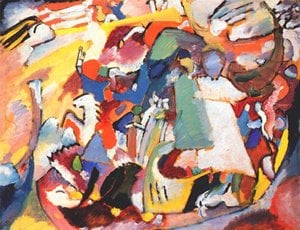
A Symphony of Chaos: Exploring Max Beckmann's "Bird's Hell"
To stand before Max Beckmann’s Bird's Hell is not merely to observe a painting; it is to be enveloped by an atmosphere—a vibrant, unsettling confluence of human drama and avian frenzy. This masterpiece from 1938 captures a moment suspended in time, yet vibrating with palpable energy. The scene unfolds within what appears to be an over-furnished, almost claustrophobic interior space. It is a tableau vivant of disarray, where the mundane objects of daily life—bowls, cups, bottles, and vases—seem to have accumulated until they form part of the very psychological landscape.
The sheer density of figures is breathtaking. Dozens of people are interwoven into the composition, some engaged in quiet contemplation, others caught mid-gesture, creating a sense of collective, yet individualized, turmoil. This teeming humanity, coupled with the riotous presence of numerous birds fluttering and perching everywhere, transforms the room into something mythic and deeply unsettling. It speaks to an overstimulation, a sensory overload that mirrors the anxieties of the era in which it was conceived.
Style, Technique, and Beckmann's Vision
Beckmann’s technique here is masterful in its ability to convey both meticulous detail and utter chaos. While his early work might have leaned toward academic precision, Bird's Hell showcases a mature style that channels the distorted energy of modernism. His influences—from the stained-glass narratives of medieval art to the emotional depth of Van Gogh—are visible in how he renders light and shadow across the cluttered surfaces. The application of paint is rich, giving weight to every discarded object while allowing the movement of the birds to suggest an almost ephemeral quality.
The composition itself is a masterclass in controlled pandemonium. Nothing feels accidental; every scattered item, every entangled limb, contributes to a narrative tension that pulls the viewer deeper into its depths. For those considering bringing this powerful aesthetic home through a reproduction, understanding this balance between meticulous rendering and emotional abandon is key—it promises drama without sacrificing artistic integrity.
Symbolism of Disorder and Humanity
The symbolism within Bird's Hell is notoriously rich and open to interpretation, which only enhances its enduring power. The birds, often symbols of the spirit or freedom, here seem almost predatory in their numbers, adding a layer of wildness to the human predicament. Coupled with the sheer accumulation of domestic clutter—the bowls, the cups—the painting suggests a critique of modern existence itself: a life so saturated with material possessions and social interaction that it verges on collapse. It is a meditation on excess, on the beautiful burden of too much being.
The sense of disorder does not equate to meaninglessness; rather, Beckmann elevates this chaos into a profound commentary on the human condition—a place where individual souls struggle against overwhelming societal pressures and sensory input. It invites us to pause our own hurried lives and examine what we are accumulating, both materially and emotionally.
Emotional Resonance for the Modern Collector
For the art lover or interior designer seeking a piece with undeniable narrative weight, Bird's Hell offers an unparalleled emotional anchor. It is not a painting meant to soothe; it is one designed to provoke thought, conversation, and deep introspection. Reproducing this work allows one to harness its dramatic energy within a contemporary setting. Imagine the visual impact of such a complex, emotionally charged piece anchoring a room—it becomes the focal point around which all other design elements must orbit.
Owning or displaying a reproduction of Bird's Hell is an embrace of complexity. It suggests that beauty can be found not just in serene perfection, but within the vibrant, messy, and utterly compelling reality of shared human experience.
Kérdések és válaszok
Hol vásárolhatom meg „Bird's hell”, Max Beckmann alkotása digitális képét?
A „Bird's hell”, Max Beckmann alkotása digitális képét a következő oldalon vásárolhatja meg: Digitális alkotás: magas felbontású digitális kép letöltése.
Melyik évben és melyik irányzatban készült a "Bird's hell"?
A "Bird's hell" 1938-ben készült, a Surrealism irányzat egyik alkotásaként. A dátum és az irányzat rögzíti a művet a művészettörténetben.
A „Bird's hell” 1938-es dátuma Max Beckmann pályájának mely szakaszára tekintthető?
A "Bird's hell", amely 1938 évben készült, Max Beckmann pályájának Later life szakaszába tartozik.
Hasonló műalkotások




Kapcsolódó cikkek

The Resonance of Place: Harmonizing Art with Interior Architecture for Emotional Wellbeing
Transform your home with art that resonates. Expert guidance on emotional design, biophilic principles & custom artwork for luxury interiors. Discover the power of curated spaces with ArtsDot.

Beyond Reality's Grasp: Exploring the Philosophical Foundations of Surrealism
Explore the philosophical roots & artistic innovations of Surrealism with ArtsDot. Discover Dalí, Ernst, Delvaux & Freud's influence on this revolutionary movement. High-quality art reproductions available.

A 10 legikonikusabb 'Espresso' tónusú festmény: művészettörténet a faladon – ArtsDot.com
Fedezze fel a 10 legikonikusabb 'espresso' tónusú festményt! Rembrandt, Caravaggio és más mesterek művészettörténeti remekművei. Olajfestmények vásárlása & inspiráció otthon dekorációhoz – ArtsDot.com

Francis Bacon legkiemelkedőbb művei: 25 lenyűgöző alkotás a modern művészetben | ArtsDot.com
Fedezze fel Francis Bacon 25 legkiemelkedőbb művét! Ismerje meg a modern művészet ikonikus festőjének sötét, érzelmes világát. Vászonképek, portrék és absztrakt alkotások – inspiráció otthonába. ArtsDot.com: múzeumi minőségű reprodukciók és exkluzív dekorációk online.

The Visceral Language of Emotion: Exploring Representations of Intense Feeling in Art History
Explore the profound history of emotional representation in art. Discover how masters like Goya evoked feeling & the impact of affect theory on collecting. Expert analysis for discerning connoisseurs.


