


 Előnézet
 Megosztás
 Megosztás
 Részletek
 Útmutató

 Letöltés
 Hasonló darabok
 X-ray felvétel
 Diavetítés
 Statisztika
Crucifixion
 Acrylic On Canvas
- WallArt
- Northern Renaissance
 1502
1502 531.0 x 320.0 cm
 Staatliche Kunsthalle Karlsruhe
 Tovább olvasom
Kézzel készített olajfestmény reprodukció
Kézzel festett olajvastú vászon, az Ön által választott méretben és keretben, művészeink készítik meglévőre. ( Váltás nyomtatványra Áttérés digitális képre)




P118B $10

P118H $10

P118W $10

P438Z $10

P508JH $12

P508YH $12

P805H $10

P805Z $10

P919BZ $10

P919G $10

P919XJ $10

P959ZH $10

P968JZ $12

W106C $8

W218G $10

W218JH $8

W218Y $10

W307PJ $10

W316G $10

W316PJ $8

W316Y $10

W398PJ $8

W4111J $10

W500HY $15

W500JH $15

W692G $12

W849H $8

W940BG $15

W953PJ $8




Válasszon előre meghatározott méreteink közül, amelyek megfelelnek a műalkotás eredeti arányainak.

Ön megadhat saját méreteket egy adott kerethez vagy térhez igazításhoz. Ha a kiválasztott méret nem egyezik az eredeti kép arányával, akkor a műalkotást levágjuk, vagy további kézzel festett elemekkel meghosszabbítjuk a festményt. A gyártás megkezdése előtt küldünk Önnek egy digitális előnézetet jóváhagyásra.
Kérjük, vegye figyelembe, hogy a képernyőn megjelenő előnézet nem tükrözi a tényleges vágást vagy kiterjesztést. Csak az előnézet fog pontosan mutatni a végső kompozíciót.
Bár egyedi méretek állnak rendelkezésre, javasoljuk, hogy válasszon egy méretet az előre meghatározott listából az eredeti arányok megőrzése érdekében.
A rendelést követően a ArtsDot.com csapata e-mailt küld az ügyfélnek az instrukciókért, és biztosít egy előnézeti képet (mockup).
Világszerte elérhető szállítás () 3-4 hét alatt a szokásos 5 hét helyett. (26 szeptember). A minőség nem kérdőjelezhető.

Ingyenes globális expressz szállítás

Prémium minőségű len vászon

Teljes körű szállítási biztosítás

Vámvisszatérítési Garancia

Tökéletes színarányosság garancia

100 napos visszaküldési garancia (csak gyártási hibás termékek esetén)

100% pénzvisszatérítési garancia

Több darab vásárlásakor kedvezmény
 Az üvegkeretes opció csak 110 cm alatti méretben érhető el

Crucifixion
Reprodukciós technika
Reprodukció méretei
-


Összesített ár
$ 263
A Glimpse into the Soul of a Master: The Crucifixion by Matthias Grünewald
Matthias Grünewald’s “Crucifixion,” painted around 1501, isn't merely a depiction of a pivotal moment in Christian history; it’s an immersive experience—a visceral plunge into the depths of human suffering and profound spiritual contemplation. Born in Würzburg around 1470, Grünewald stood as a bridge between the vibrant hues and dynamic compositions of the late medieval period and the burgeoning realism of the early Renaissance. Unlike his Italian contemporaries who embraced classical ideals, Grünewald remained firmly rooted in the traditions of Northern Europe, imbuing his work with an intensely emotional quality that continues to resonate centuries later. This particular “Crucifixion” – a panel from the Isenheim Altarpiece – is a testament to this devotion, a stark and unforgettable image born not of idealized beauty but of raw, unvarnished truth.
The painting immediately commands attention with its deliberate monochrome palette. Shades of grey—ranging from near-white highlights on Christ’s body to deep, impenetrable blacks in the shadows—create an atmosphere of profound solemnity and dramatic intensity. This restricted color scheme isn't a limitation; it’s a strategic choice that amplifies the emotional impact, stripping away any distractions and forcing the viewer to confront the brutal reality of the scene. The composition itself is powerfully vertical, emphasizing the height of the cross—a symbol of both Christ’s sacrifice and humanity’s fall. Christ's torso and limbs are centrally positioned, drawing the eye directly to his suffering, while the truncated base of the cross subtly suggests a sense of confinement and vulnerability.
The Language of Line and Texture: Technique and Craftsmanship
Grünewald’s mastery lies not just in his understanding of color and composition but also in his meticulous technique. The painting is executed primarily through hatching and cross-hatching—a method of creating tonal variations by layering lines of differing densities. This painstaking process generates a remarkable sense of texture, allowing the artist to convincingly simulate the rough grain of the wooden cross, the folds of Christ’s loincloth, and even the thorny crown piercing his head. The musculature of Christ's body is rendered with astonishing anatomical accuracy, reflecting Grünewald’s deep observation of human form—a hallmark of Northern Renaissance art. The strong, defined lines delineate every contour, creating a sense of both vulnerability and immense strength.
Furthermore, the artist employs subtle shifts in value to create depth and volume. The highlights on Christ's body draw attention to his wounds, while the shadows accentuate the contours of his form, lending him an almost sculptural quality. The overall effect is one of intense realism—a deliberate departure from the idealized representations common in Italian Renaissance art. This commitment to portraying suffering with unflinching honesty speaks volumes about Grünewald’s artistic vision and his profound engagement with the subject matter.
Symbolism, Suffering, and Spiritual Resonance
Beyond its technical brilliance, “The Crucifixion” is rich in symbolic meaning. The starkness of the image—the absence of color, the brutal depiction of Christ’s suffering—serves to heighten the emotional impact and underscore the profound spiritual weight of the scene. Christ's emaciated body, riddled with wounds and pierced by nails, embodies the ultimate sacrifice for humanity’s sins. The surrounding figures – Saint Sebastian, Saint Anthony, Mary Magdalene, and John the Baptist – each contribute to the narrative, representing themes of martyrdom, compassion, repentance, and divine grace. The inclusion of John the Baptist pointing towards Christ is a clear reference to the Gospel accounts, emphasizing the significance of his sacrifice as the fulfillment of prophecy.
The painting’s origins within the Isenheim Altarpiece—a work designed for a hospital dedicated to treating plague sufferers—add another layer of meaning. Grünewald's choice of monochrome and his unflinching portrayal of suffering were intended to provide comfort and solace to those afflicted with illness, reminding them that Christ shared in their pain and offered hope amidst despair. “The Crucifixion” is therefore not simply a historical depiction but a powerful meditation on faith, suffering, and redemption—a timeless masterpiece that continues to move viewers centuries after its creation.
Further Research: For more detailed information, consider visiting the National Gallery of Art’s website for a high-resolution image and accompanying text. You can also explore Wikipedia’s entry on Matthias Grünewald for biographical details and historical context, or delve into articles like “Crucifixion, by Matthias Grünewald” on Christian Century.
Hasonló műalkotások


A művész életrajza
Matthias Grünewald: Élet és örökség
Korai élet és művészeti kezdetek
Matthias Grünewald, aki Mathis Gothart Neithardt néven született körülbelül 1470-1475 között Würzburgban, Németországban, a német reneszánsz egyik meghatározó alakja volt. Annak ellenére, hogy egy olyan korszakban élt, amelyet egyre inkább az olasz reneszánsz eszméi átháztak, Grünewald mélyen gyökerezett Közép-Európa késő középkori művészeti hagyományaiban. Korai életéről kevés részlet érhető el, de tudatunkból ismert, hogy művészi képzettségét valószínűleg a helyi műtermekben szerezte.
Művészeti fejlődés és hatások
Grünewald művészeti fejlődése a korabeli észak-európai hagyományok határozták meg, különös tekintettel a realizmusra, az érzelmi intenzitásra és a részletgazdag megfigyelésre. Műveiben láthatóak olyan művészek hatásai, mint Albrecht Dürer vagy Martin Schongauer, azonban ő egy teljesen egyedi utat nyitott meg, amelyet a drámai kifejezésmód és a vibráló színek jellemeztek. Nem vett közvetlenül részt az olaszországrában elterjedt humanista körök tevékenységében; helyette művészete elsősorban vallási célokat szolgált, tükrözve korának lelki vágyait és spirituális szorongásait.
Főbb művek és művészeti stílus
- Az Isenheim-oltár (1512-1516): Ez a mestermű, amely a colmari Musée d'Unterlindenben található, tekinthető Grünewald magnum opusára. Krisztus életének jeleneteit ábrázolja meg szörnyű realizussal, különös tekintettel a szenvedésre és a megváltásra.
- A keresztfűzés (kb. 1502-1503): Egy korai alkotás, amely demonstrates fejlődő stílusát, bemutatva az intenzív érzelmeket és az anatómiai részletességet.
- Az Ébredő Madonna (1512-14): Az Isenheim-oltárhoz készült tanulmány, amely feltárja művész aprólékos tervezési folyamatát.
- Mózes (1511): Egy rajz, amely kiemeli Grünewald képességét az expresszív alakok és drámai pózok megörökítésében.
Grünewald stílusát az alábbi jellemzők különböztetik meg:
- Drámai kompozíció: Dinamikus elrendezéseket alkalmazott az érzelmi hatás fokozása érdekében.
- Éles színpaletta: Intenzív, gyakran kontrasztos színei erőteljes vizuális élményt teremtettek.
- A szenvedés realista ábrázolása: Grünewald nem félett megjeleníteni a vallási narratívákhoz kapcsolódó fizikai és lelki fájdalmat.
- Expresszív alakok: Karakterei erős érzelmekkel és pszichológiai mélységgel teltek.
Történelmi jelentőség és örökség
Grünewald munkássága tanúbizonysága a németországi középkori művészeti hagyományok állhatóságának a reneszánsz idején. Áthidalta a szakadékot a késő gótikus stílus és a feltörekvő reneszánsz között, egy olyan egyedi vizuális nyelvet alkotva, amely azonnal megszólította kortársait. Hatása jól látható a későbbi német művészeknél is, akik továbbra is kutgatták a vallásos elkötelezettség és az érzelmi intenzitás témáit. Bár 1528-as halála után évszázadokon át nagy része feledve maradt, Grünewald a 19. században újrazsárolódott, és ma már a német reneszánsz egyik legfontosabb festőjeként ismerték. Művészete napjainkig lenyűgözi a nézőket nyers érzelmeivel, technikai zsenialitásával és mély spirituális mélységével.
További felfedezés
Fedezze fel Matthias Grünewald életét és műveit tovább itt: ArtsDot

Grünewald Matthias
1480 - 1528 , Германия
Gyors információk
- Artistic Movement Or Style: Late Medieval német művészet
- Artists Or Movements Influenced By This Artist: ['Albrecht Dürer']
- Artists Who Influenced This Artist:
- Albrecht Dürer
- Martin Schongauer
- Date Of Birth: 1470/1483 körül
- Date Of Death: 1528 körül
- Full Name: Matthias Grünewald
- Nationality: Német
- Notable Artworks:
- Az Isenheim Altárképe
- A Keresztrefeszítés
- Szent László oltára
- Place Of Birth: Würzburg, Németország
Kapcsolódó cikkek

Romantic Realism's Finest: 10 Masterpieces for Your Home | ArtsDot
Explore 10 defining masterpieces of Romantic Realism! Discover Courbet, Millet & Daumier's powerful paintings—capturing emotion and social realities. Find museum-quality reproductions for your home at ArtsDot.com.
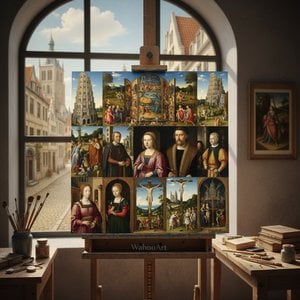
A Reneszánsz Észak csodái: 10 mestermű, melyek meghatározták a művészetet – ArtsDot.com
Fedezze fel a reneszánsz Észak legpálcásabb művészeti remekműveit! Ismerje meg Jan van Eyck, Dürer és Bosch festményeinek történetét. Vászonképek, reprodukciók – ArtsDot.com.

Echoes of Society: Exploring Social Realism's Enduring Legacy in Art
Explore the powerful world of Social Realism art! Discover key artists, masterpieces & its profound social commentary. Expert insights into this influential movement's history and enduring legacy.

Matthias Grünewald: Devotion, Distortion & Spiritual Turmoil in Renaissance Art
Explore the profound religious art of Matthias Grünewald, master of the Isenheim Altarpiece. Discover his unique expressionism, symbolism & lasting impact on Renaissance painting. A guide for collectors and enthusiasts.

The Northern Renaissance: A Flourishing of Realism, Religious Reform & Artistic Innovation
Explore the Northern Renaissance! Discover Jan van Eyck's innovations, religious shifts, & key artists of this influential period. Expert analysis and insights into Early Netherlandish painting at ArtsDot.


