


 Előnézet
 Megosztás
 Megosztás
 Részletek
 Útmutató

 Letöltés
 Hasonló darabok
 X-ray felvétel
 Diavetítés
 Statisztika
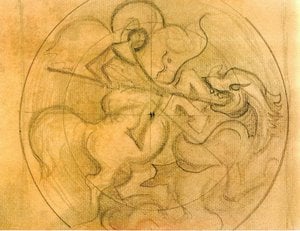
(Difficult)
 Dada
Dada 1943
1943 80.0 x 61.0 cm
 Buffalo AKG Art Museum
 Tovább olvasom
Vásároljon nagy felbontású, javított digitális képet, amely minőségében messze felülmúlja az online előnézetet.
Minden fájlt szakembereink a legmodernebb eszközök és precíz, kézi retusálás segítségével készítenek el aprólékosan. Gondoskodunk arról, hogy minden kép kivételes tisztasággal, pontos színhelyességgel és részletgazdag finomsággal rendelkezzen.
A végleges fájl 72 órán belül e-mailben megérkezik, professzionális, szerkesztői és nyomtatási környezetbe optimalizálva az azonnali használathoz. Ez ugyanaz a minőség, amelyben a legmeghatározóbb tervezőstúdiók, kiadók és galériák is megbízhatnak.
Digitális kép
Töltsön le nagy felbontású fájlt személyes kiállításokhoz, nyomtatáshoz és kreatív projektekhez. ( Váltás nyomtatványra Kézzel festett másolat vásárlása)
Minden digitális kép rendeléséhez tartozó extrák
Szakértői digitális kézbesítés, garantáltan
Amikor a ArtsDot.com szolgáltatást választja, nem csupán egy képet kap – professzionálisan felmagasított digitális műalkotást kap, amely precizitással készült, és amelyet megelégsedési gwarancia tesz biztoslássá. Az alábbiakban automatikusan minden benne 】

Gyors e-mail teslimítés
A nagy felbontású digitális képmásolatát a megrendelést követő 72 órán belül e-mailben elküldjük Önnek – azonnal használható formátumban.

MI-alapú digitális képjavítás
Műve professzionális módon kerül optimalizálásra fejlett mesterséges intelligencia eszközök és manuális szerkesztés segítségével, biztosítva a maximális részletességet, tisztaságot és színpontosságot.

Örök életű ingyenes újradatás
Véletlenül törölted vagy elvesztetted a fájlodat? Ne aggódj – bármikor ingyen újra megküldjük neked.

Nincs importköltség – soha
Élvezze műalkotásait azonnal, vám, illeték vagy szállítási költség nélkül – a digitális letöltések mindig adamentesek.

Színpontosság garantálása
Professzionális eszközök és színkezelés segítségével garantáljuk, hogy digitális képe a lehető legpontosabban tükrözze az eredeti színeket.

100 napos elégedettségi garancia
Ha nemມີ elégedett a digitális képével, 100 napon belül felülvizsgáljuk vagy 100% visszatérítjük az amountot – kérdés बिना.

100% Pénzvisszatérítési garancia
Nem tetszett a vásárlás? 100 napon belül teljes visszatérítést garantálunk a digitális fájl megvételétől számítva – kérdés nélkül.

Tömegrendelési kedvezmények
Vásároljon 3 képet, spóroljon 10%-et - Vásároljon 5-öt, spóroljon 15%-et - Vásároljon 10+ képet, spóroljon 20%-at. Kiváló kreatív projektekhez, galériákhoz és ügynökségekhez.
Hasonló műalkotások


Művész életrajza
Kurt Schwitters: A Life in Merz
Early Life and Education
- Born: June 20, 1887, in Hanover, Germany.
- Schwitters was the only child of Eduard and Henriette Schwitters. His father co-owned a ladies' clothing shop.
- The family’s financial situation improved after selling the business in 1898, allowing them to live off rental income from properties they acquired.
- He studied art at the Dresden Academy from 1909-1915 alongside artists like Otto Dix and George Grosz, though he seemingly remained unaware of their work at the time.
- Schwitters suffered his first epileptic seizure in 1901, which later exempted him from military service for a period during World War I.
Artistic Development and the Birth of Merz
- Initially, Schwitters worked in a post-impressionist style. His early work reflected this influence.
- The devastation of World War I profoundly impacted his artistic direction. He felt traditional academic training was irrelevant in the face of societal collapse.
- “In the war, things were in terrible turmoil…everything had broken down and new things had to be made out of the fragments; and this is Merz.”
- Around 1918, he began creating abstract collages using found objects – scraps of paper, tickets, and other discarded materials.
- The term “Merz” itself came from a fragment of text (“Commerz und Privatbank”) cut from an advertisement and incorporated into one of his early works, *Das Merzbild* (1918-19).
Key Works and Artistic Styles
- Merz Pictures: These collages are arguably Schwitters’ most famous contribution. They represent a radical departure from traditional art, embracing chance and the aesthetics of everyday life.
- Merzbau: A monumental architectural construction within his home in Hanover, continuously evolving over decades. It was a three-dimensional embodiment of Merz principles – a labyrinthine space filled with niches, grottoes, and found objects.
- Assemblage & Installation Art: Schwitters pioneered these forms, blurring the boundaries between painting, sculpture, and architecture.
- He also worked in poetry, sound, graphic design, and typography, exploring a wide range of artistic media.
Influences and Connections
- Early influences included post-impressionism, but he quickly moved beyond these conventions.
- He came into contact with members of the Berlin avant-garde – Raoul Hausmann, Hannah Höch, and Hans Arp – through Herwarth Walden’s *Der Sturm* gallery.
- While associated with Dadaism, Schwitters maintained a distinct artistic identity. He was initially rejected by some Dadaists for his ties to expressionism.
Later Life and Legacy
- Facing increasing persecution under the Nazi regime due to his “degenerate art,” Schwitters fled Germany in 1937.
- He spent time in Norway and England, continuing to create Merz works despite challenging circumstances. He was briefly interned as an enemy alien during World War II.
- Died: January 8, 1948, in Ambleside, England.
- Kurt Schwitters’ work profoundly influenced subsequent generations of artists, particularly those involved in Pop Art, Minimalism, and Conceptual Art.
- His innovative use of found objects and his exploration of the relationship between art and everyday life continue to resonate with contemporary audiences.
Historical Significance
- Schwitters’ Merz aesthetic challenged traditional notions of artistic beauty and authorship.
- He expanded the definition of art by incorporating non-art materials and blurring the lines between different disciplines.
- His work remains a powerful testament to the creative potential of fragmentation, reconstruction, and the embrace of chance.

Kurt Schwitters
1887 - 1948
Rövid tények
- Name: Kurt Schwitters
- Movement:
- Dadaism
- Constructivism
- Surrealism
- Merz
- Birth Date: June 20, 1887
- Death Date: 1948
- Birth Place: Hanover, Germany
- Nationality: German
- Date Of Birth: 1887
- Date Of Death: 1948
- Notable Works:
- Merz pictures
- Merzbau