

 Küldés
 Megosztás
 Részletek
 Útmutató

 Letöltés
 Hasonló darabok
 Diavetítés
 Kérdések és válaszok
 Statisztika
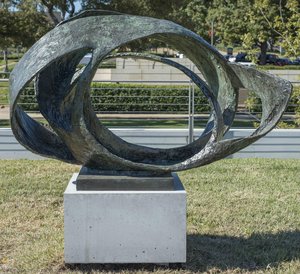
Wind egg

- 430.0 x 380.0 cm


 Összes részlet megjelenítése
Az ezen az oldalon megjelenített műalkotások szerzői jogi védelem alatt állnak, ami azt jelenti, hogy törvényileg nem készíthetünk és nem adhatunk el belőlük pontos másolatokat. Ez a védelem olyan nemzetközi megállapodások alapján érvényesül, mint például a Berni Egyezmény és a nemzeti jogszabályok által, beleértve azokat is, amelyeket meghatározott Az USA szerzői jogi törvénye – 17. cím.
Ez a módszer teljes mértékben megfelel a szerzői jogi szabályozásnak, mivel nem tartalmazza a védett műalkotás másolását vagy duplikálását. Ehelyett ez egy kreatív újinterpretáció – egy új festmény, amely az eredetivel való összefüggései miatt hatással van rá, de nem az az.
Giclée / Műnyomat
Múzeumi minőségű giclée vagy vászonnyomat, gyors gyártással és rugalmas finomítási lehetőségekkel. ( Kézzel festett másolat rendelése Áttérés digitális képre)




































Válasszon előre meghatározott méreteink közül, amelyek megfelelnek a műalkotás eredeti arányainak.

Írja be a keretének vagy a falának megfelelő szélességet és magasságot. A nyomatot csak le lehet vágni, soha nem tehető nagyobbá, mint az eredeti kép, így egy eltérő alakú méretnél a kép egy része elveszik. Mielőtt bármit kinyatintanánk, küldünk egy digitális próbamodellt jóváhagyásra. Az oldalon látható kép nem tartalmazza a valós levágást — ezt csak a próbamodell mutatja meg.
Világszerte történő kiszállítás területére mindössze 2 hét alatt, a szokásos 4-5 hét helyett. (4 november)

Ingyenes globális expressz szállítás

Prémium minőségű len vászon

Teljes körű szállítási biztosítás

Vámvisszatérítési Garancia

Hiteles színarányosság garancia

100 napos visszaküldési lehetőség (csak hibás termékek esetén)

100% pénzvisszatérítési garancia

Több darab vásárlásakor kedvezmény
 Az üvegkeretes opció csak 110 cm alatti méretben érhető el

Wind egg
Giclée / Műnyomat
Reprodukció mérete
-


Összesített ár
Ft 20456
A Monumental Presence in the Landscape
In the heart of a serene, verdant field, where the soft rustle of trees meets the quiet contemplation of park benches, stands a singular, breathtaking vision: Wind Egg. Created in 2012 by the master Japanese sculptor Katsuji Kishida, this monumental piece commands attention through its sheer audacity and vibrant color. The sculpture, a massive red egg measuring an impressive 430 x 380 cm, rests upon a sturdy concrete base, acting as a bold, crimson heartbeat within the natural landscape. To encounter this work is to witness a profound dialogue between man-made geometry and the organic fluidity of nature. The striking contrast between the saturated red of the sculpture and the lush greens of the surrounding meadow creates a visual tension that is both arresting and deeply memorable, inviting onlookers to pause their journey and engage with its silent, powerful presence.
The Mastery of Katsuji Kishida
To understand the soul of Wind Egg, one must look toward the artistic evolution of Katsuji Kishida. Born in Tokyo in 1937 and educated at the prestigious Musashino Art University, Kishida’s journey was one of constant upward aspiration. His move to Paris in 1967 served as a transformative catalyst, exposing him to the avant-garde spirit of Europe and refining his ability to manipulate heavy, industrial materials into poetic forms. Kishida was a virtuoso of metal, frequently working with iron, bronze, and stainless steel to achieve a sense of monumentality. In Wind Egg, we see the culmination of this lifelong pursuit—the ability to take a solid, weighty form and imbue it with an ethereal quality that suggests movement, as if the very wind has shaped this crimson vessel. His technique allows the sculpture to transcend its physical mass, offering a sense of lightness and "upward allure" that became his artistic signature.
Symbolism and Emotional Resonance
Beyond its striking aesthetic, Wind Egg invites deep philosophical reflection. The egg is a universal symbol of potential, fertility, and the beginning of life; it represents a dormant power waiting to hatch. By rendering this symbol in such a bold, unapologetic red, Kishida injects a sense of urgency and vitality into the landscape. The title itself suggests an invisible force—the wind—acting upon a tangible object, hinting at the unseen energies that shape our world and our destinies. For the collector or the interior designer, this piece offers more than just visual impact; it provides a focal point for contemplation. It evokes emotions ranging from the playful curiosity of a child discovering a giant treasure to the profound awe one feels when facing the sublime. Whether placed in a grand public garden or reimagined as a high-quality reproduction within a sophisticated interior, Wind Egg serves as a testament to the enduring power of form and color to stir the human spirit.
Kérdések és válaszok
A "Wind egg" jellemző arra, amit Kishida Katsuji általában alkotott?
Kishida Katsuji ismétlődő témái közé tartozik a monumental metal sculpture, upward allure and aspiration, parisian artistic influence, modernist sculptural forms; a „Wind egg” fókuszál a red egg sculpture, grassy field, trees, people, concrete base, benches, nature témakörre.
Megtekinthető „Wind egg”, Kishida Katsuji alkotása a saját falamon vásárlás előtt?
A „Wind egg”, Kishida Katsuji alkotása mű kiterjesztett valóság technológiával, egy kompatibilis eszközön keresztül, a mű Kiterjesztett valóság előnézet oldalán megtekinthető a saját falán is.
Mekkora méretű nyomtatás Wind egg alkotást illene a szobámba?
A Hotel Lobby helyiségbe a "Wind egg" alkotáshoz egy Large méretű nyomtatást javasoljuk.
Hasonló műalkotások




Kapcsolódó cikkek

The Enduring Form: Sculpture Across History, Technique & Emotional Resonance
Explore the rich history of sculpture with ArtsDot. Discover key techniques, influential artists & investment potential for discerning collectors. Expert insights into valuing and collecting timeless masterpieces.

Henry Moore: Sculpting Modernity – Form, Emotion & the Human Condition
Explore the revolutionary sculptures of Henry Moore – abstract forms, reclining figures & powerful expressions of the human condition. Discover his legacy & artistic process with ArtsDot.

The Enduring Form: Exploring Themes & Techniques in Sculpture Across Historical Periods
Explore the rich history of sculpture from ancient masterpieces to contemporary innovations. Discover key techniques, influential artists & investment potential for discerning art collectors.

A művészettörténet 10 legikonikusabb bronzszobra – ArtsDot.com
Fedezze fel a művészettörténet 10 legikonikusabb bronzszobrát! Ismerje meg Rodint, Michelangelót és más mestereket. Luxus minőségű nyomatok otthonába – ArtsDot.com.

A művészettörténet 10 legikonikusabb bronzszobra – ArtsDot.com
Fedezze fel a művészettörténet 10 legikonikusabb bronzszobrát! Ismerje meg Rodin, Michelangelo és más mesterek alkotásait. Luxus minőségű reprodukciók otthonába – ArtsDot.com.