

 Megtekintés
 Küldés
 Megosztás
 Részletek
 Útmutató

 Letöltés
 Hasonló darabok
 X-ray felvétel
 Diavetítés
 Kérdések és válaszok
 Statisztika
Linn (City)

- 125.0 x 175.0 cm


 Összes részlet megjelenítése
Az ezen az oldalon megjelenített műalkotások szerzői jogi védelem alatt állnak, ami azt jelenti, hogy törvényileg nem készíthetünk és nem adhatunk el belőlük pontos másolatokat. Ez a védelem olyan nemzetközi megállapodások alapján érvényesül, mint például a Berni Egyezmény és a nemzeti jogszabályok által, beleértve azokat is, amelyeket meghatározott Az USA szerzői jogi törvénye – 17. cím.
Ez a módszer teljes mértékben megfelel a szerzői jogi szabályozásnak, mivel nem tartalmazza a védett műalkotás másolását vagy duplikálását. Ehelyett ez egy kreatív újinterpretáció – egy új festmény, amely az eredetivel való összefüggései miatt hatással van rá, de nem az az.
Giclée / Műnyomat
Múzeumi minőségű giclée vagy vászonnyomat, gyors gyártással és rugalmas finomítási lehetőségekkel. ( Kézzel festett másolat rendelése Áttérés digitális képre)




P118B Ft10

P118H Ft10

P118W Ft10

P438Z Ft10

P508JH Ft12

P508YH Ft12

P805H Ft10

P805Z Ft10

P919BZ Ft10

P919G Ft10

P919XJ Ft10

P959ZH Ft10

P968JZ Ft12

W106C Ft8

W218G Ft10

W218JH Ft8

W218Y Ft10

W307PJ Ft10

W316G Ft10

W316PJ Ft8

W316Y Ft10

W398PJ Ft8

W4111J Ft10

W500HY Ft15

W500JH Ft15

W692G Ft12

W849H Ft8

W940BG Ft15

W953PJ Ft8




Válasszon előre meghatározott méreteink közül, amelyek megfelelnek a műalkotás eredeti arányainak.

Írja be a keretének vagy a falának megfelelő szélességet és magasságot. A nyomatot csak le lehet vágni, soha nem tehető nagyobbá, mint az eredeti kép, így egy eltérő alakú méretnél a kép egy része elveszik. Mielőtt bármit kinyatintanánk, küldünk egy digitális próbamodellt jóváhagyásra. Az oldalon látható kép nem tartalmazza a valós levágást — ezt csak a próbamodell mutatja meg.
Világszerte történő kiszállítás területére mindössze 2 hét alatt, a szokásos 4-5 hét helyett. (8 november)

Ingyenes globális expressz szállítás

Prémium minőségű len vászon

Teljes körű szállítási biztosítás

Vámvisszatérítési Garancia

Hiteles színarányosság garancia

100 napos visszaküldési lehetőség (csak hibás termékek esetén)

100% pénzvisszatérítési garancia

Több darab vásárlásakor kedvezmény
 Az üvegkeretes opció csak 110 cm alatti méretben érhető el

Linn (City)
Giclée / Műnyomat
Reprodukció mérete
-


Összesített ár
Ft 20545
The Nocturnal Tapestry of Jüri Palm
In the quiet, shadowed corridors of Estonian modernism, few artists captured the pulse of the urban night as intimately as Jüri Palm. His 1977 masterpiece, Linn (City), serves as a profound window into the soul of Tallinn, acting not merely as a depiction of architecture, but as a psychological map of urban existence. Measuring an imposing 125 x 175 cm, this large-scale work invites the viewer to lose themselves in a labyrinth of light and shadow. The painting functions through a mesmerizing series of at least thirteen distinct window panes, each acting as a miniature stage where life unfolds in silent, nocturnal vignettes. Through these apertures, we glimpse fragments of humanity—people, animals, and enigmatic objects—all suspended in the amber glow of an urban twilight.
The technique employed by Palm is nothing short of cinematic. He utilizes a complex, multi-layered approach that blends elements of realism with a deeply symbolic, almost surrealist sensibility. Each window is meticulously rendered, creating a mosaic effect that demands slow, contemplative observation. As the eye wanders across the canvas, the boundaries between the interior and exterior worlds begin to blur. The artist masterfully manipende the interplay of light, using it to draw focus to specific, poignant details while allowing others to recede into the velvety darkness of the Estonian night. This rhythmic movement of light and shadow creates a sense of depth that makes the canvas feel less like a flat surface and more like a living, breathing entity.
To understand Linn (City), one must look toward the cultural landscape of the 1970s Estonian SSR. This era was defined by an explosion of urban literature and a fascination with the "nocturnal city" as a site of both alienation and profound connection. Palm’s work exists in a beautiful, symbiotic relationship with the literary movements of his time, particularly the urban novels that explored the complexities of modern life. His frequent collaborations with the writer Mati Unt further enriched this thematic depth, infusing his canvases with a narrative weight that mirrors the introspective prose of the era. The painting is a visual companion to the literature of its time, capturing the same sense of mystery and existential inquiry found in the works of the great Estonian intellectuals.
For the discerning collector or interior designer, this reproduction offers more than just aesthetic beauty; it provides a focal point of immense intellectual and emotional gravity. The artwork’s intricate composition makes it an ideal centerpiece for spaces that value storytelling and depth. Whether placed in a contemporary gallery setting or a sophisticated residential study, Linn (City) brings with it an atmosphere of quiet contemplation and historical resonance. It is a piece that rewards the viewer with every glance, offering new secrets within its many windows, and serves as a timeless tribute to the enduring magic of the city after dark.
Kérdések és válaszok
A „Linn (City)”, Jüri Palm alkotása szerzői jogai megengedik a másolatok készítését?
A Észak-Estoni Művészeti Múzeum gyűjteményében található „Linn (City)”, Jüri Palm alkotása még szerzői jog védi státuszú. Ez a státusz határozza meg, hogy a kép másolható-e.
Mely korszakból származik a "Linn (City)"?
A "Linn (City)" a Modern korszak alkotása.
Milyen típusú műalkotás „Linn (City)”, Jüri Palm alkotása?
A „Linn (City)”, Jüri Palm alkotása művészeti alkotás a WallArt kategóriába tartozik. Ez a besorolás határozza meg az eredeti alkotás típusát.
Hasonló műalkotások


A művész életrajza
The Nocturnal Soul of Tallinn: The Artistry of Jüri Palm
Jüri Palm (1937–2002) stands as a pivotal figure in the landscape of Estonian art history, a master whose brushstrokes captured the very pulse of Tallinn’s nocturnal existence. Born in Estonia during a period of profound artistic and social transformation, Palm developed a vision that was deeply intertwined with the intellectual currents of his time. His work is not merely a collection of landscapes but a psychological exploration of the urban experience, shaped significantly by the burgeoning urban literature of the 1960s. Notably, his creative journey was enriched by collaborations with influential writers such as Mati Unt, whose explorations of identity and societal change mirrored Palm’s own fascination with the shifting textures of city life.
The essence of Palm’s oeuvre lies in its ability to blend meticulous realism with a hauntingly beautiful symbolic representation. He possessed a rare gift for portraying the nocturnal cityscape not just as a collection of buildings and streets, but as a living, breathing entity. Through his eyes, the shadows of Tallinn became a canvas for exploring themes of memory, mortality, and the ephemeral nature of human connection. His technique often involved a sophisticated interplay of light and shadow, using subtle color palettes to evoke the mysterious, almost dreamlike atmosphere of the Estonian capital after dark.
Urban Visions and the Symphony of Light
Palm’s artistic output is characterized by an unwavering dedication to portraying the urban landscape with exceptional sensitivity. His works often function as a window into a world where the boundaries between reality and hallucination begin to dissolve. In his masterpiece Meie elufragment (Our Life Fragment), created in 1973, the viewer is swept into a kaleidoscopic energy that feels like a visual symphony. The painting utilizes vibrant hues and complex layering to distill the multifaceted experience of urban existence into a single, evocative image. Within this expansive canvas, one might encounter the rhythmic movement of a bustling carnival or the unexpected, surreal presence of an elephant, all serving to celebrate the beautiful unpredictability of life.
Beyond the celebratory, Palm was unafraid to delve into the more turbulent aspects of urban life. His work Tulede vool (Flow of Lights), produced between 1973 and 1974, presents a cinematic collision of light and chaos. Here, he captures a moment of violent intersection—a car and motorcycle collision—with a precision that recalls photojournalism, yet it is filtered through a lens of psychological depth. This ability to navigate between the visceral reality of an accident and the fever dream of a nocturnal city highlights his range as a storyteller. Similarly, pieces like Linn (City) act as psychological maps, using intricate compositions—such as a series of distinct window panes—to invite the viewer into a labyrinth of light and shadow.
Legacy and Historical Significance
The historical significance of Jüri Palm extends far beyond the borders of Estonia. He was an artist who successfully interrogated the profound existential questions of his era through the medium of the cityscape. His work provides a vital record of the aesthetic and intellectual shifts occurring in Estonian modernism, capturing a sense of identity that resonates with the mystery of the Baltic region. By confronting themes of mortality, as seen in Nekroloog kodanik N. surma puhul, he elevated the urban genre to a level of profound philosophical inquiry.
Today, Palm’s legacy is preserved within the hallowed halls of institutions such as the Tallinn City Museum, where his paintings continue to cast light on the city's identity. His ability to capture the ethereal essence of Tallinn’s streets ensures that his work remains a cornerstone of Estonian modern art. For collectors and historians alike, Palm offers more than just aesthetic beauty; he provides a profound emotional resonance, inviting every viewer to lose themselves in the enduring magic of the nocturnal city.

Jüri Palm
1937 - 2002 , Estonia
Rövid információk
- Artistic Movement Or Style: Urban Painting
- Artists Or Movements Influenced By This Artist: ['Urban Literature']
- Artists Who Influenced This Artist: ['Mati Unt']
- Date Of Birth: 1937
- Date Of Death: 2002
- Full Name: jüri palm
- Nationality: Estonian
- Notable Artworks:
- Lõunatund
- Meie elufragment
- Nekroloog kodanik N. surma puhul
- Place Of Birth: Estonia
Kapcsolódó cikkek

Concrete Visions: Exploring the Urban Landscape in Painting – From Realism to Contemporary Art
Explore the evolution of cityscape painting from Realism to contemporary art with ArtsDot. Discover key artists & invest in timeless urban visions. Expert guidance, museum-quality reproductions.

Urban Visions: A Historical & Artistic Exploration of the Cityscape in Painting
Explore the evolution of cityscape painting from historical maps to Impressionist masterpieces. Discover artists like Caillebotte & Utrillo. Find museum-quality reproductions at ArtsDot.
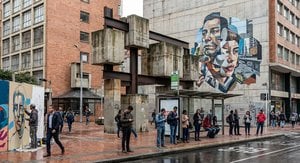
Concrete Narratives: Exploring Urban Life in Modern & Contemporary Art
Explore the evolution of cityscape painting with ArtsDot. Discover key artists from Realism to contemporary movements & invest in timeless urban visions. Expert guidance, museum-quality reproductions.

Urban Visions: A Historical & Artistic Exploration of the Cityscape in Painting
Explore the evolution of cityscape painting from historical maps to Impressionist masterpieces. Discover artists like Caillebotte, Utrillo & Matsumoto Shunsuke. Find museum-quality reproductions at ArtsDot.

Concrete Visions: Exploring Representations of Urban Life in Modern & Contemporary Art
Explore the evolution of cityscape painting from Realism to contemporary art. Discover key artists & invest in timeless urban visions with ArtsDot's expert guidance and museum-quality reproductions.