


 Előnézet
 Megosztás
 Megosztás
 Részletek
 Útmutató

 Letöltés
 Hasonló darabok
 X-ray felvétel
 Diavetítés
 Statisztika
Ci


 Tovább olvasom
Kézzel készített olajfestmény reprodukció
Kézzel festett olajvastú vászon, az Ön által választott méretben és keretben, művészeink készítik meglévőre. ( Váltás nyomtatványra Áttérés digitális képre)




P118B Ft10

P118H Ft10

P118W Ft10

P438Z Ft10

P508JH Ft12

P508YH Ft12

P805H Ft10

P805Z Ft10

P919BZ Ft10

P919G Ft10

P919XJ Ft10

P959ZH Ft10

P968JZ Ft12

W106C Ft8

W218G Ft10

W218JH Ft8

W218Y Ft10

W307PJ Ft10

W316G Ft10

W316PJ Ft8

W316Y Ft10

W398PJ Ft8

W4111J Ft10

W500HY Ft15

W500JH Ft15

W692G Ft12

W849H Ft8

W940BG Ft15

W953PJ Ft8




Válasszon előre meghatározott méreteink közül, amelyek megfelelnek a műalkotás eredeti arányainak.

Írja be a kívánt szélességet és magasságot, hogy illeszkedjen a keretéhez vagy a falához. Mivel ez kézzel festett alkotás, egy eltérő formájú méret esetén a művész akár festhet is valamivel többet a kép körül, vagy korolathat is belőle — az Ön döntésének megfelelően. A festés megkezdése előtt küldünk egy digitális tervezetet jóváhagyásra. Az oldalon látható kép nem tartalmazza a végeredményt — csak a tervezet mutatja meg a valódi eredményt.
A rendelést követően a ArtsDot.com csapata e-mailt küld az ügyfélnek az instrukciókért, és biztosít egy előnézeti képet (mockup).
Világszerte elérhető szállítás () 3-4 hét alatt a szokásos 5 hét helyett. (23 október). A minőség nem kérdőjelezhető.

Ingyenes globális expressz szállítás

Prémium minőségű len vászon

Teljes körű szállítási biztosítás

Vámvisszatérítési Garancia

Tökéletes színarányosság garancia

100 napos visszaküldési garancia (csak gyártási hibás termékek esetén)

100% pénzvisszatérítési garancia

Több darab vásárlásakor kedvezmény
 Az üvegkeretes opció csak 110 cm alatti méretben érhető el

Ci
Reprodukciós technika
Reprodukció méretei
-


Összesített ár
Ft 84548
Hasonló műalkotások


A művész életrajza
Jules Beau: Pioneer of Sporting Photography
Jules Beau (1864-1932) stands as a pivotal figure in the history of French photography and, crucially, the burgeoning field of sports journalism. Born into a family steeped in artistic tradition – his father was a painter – Beau’s own creative path diverged towards documenting the dynamism of the early 20th century, capturing moments that would otherwise have vanished from collective memory. While he didn't achieve widespread fame during his lifetime, Beau’s contribution to preserving visual records of sporting events cemented his place as a forerunner of modern photographic storytelling.- Early Life & Artistic Training: Beau received a robust artistic education, honing his skills in drawing and painting under the tutelage of Jules Lefebvre, a celebrated academic artist known for his meticulous realism and profound exploration of human emotion – a stylistic influence that would subtly permeate Beau’s photographic approach.
- The Rise of Sporting Photography: Recognizing the potential to visually chronicle significant cultural happenings, Beau transitioned into photography around 1890. He swiftly established himself as a prolific recorder of sporting activities, focusing primarily on cycling races, motor racing events, and rugby matches.
- Technique & Aesthetic Considerations: Beau’s photographic technique favored albumen prints – a process that produced stunningly detailed images using collodion emulsion on sensitized paper—a method championed by Lefebvre himself. This meticulous craftsmanship ensured that his photographs retained exceptional clarity and tonal range, faithfully conveying the energy and excitement of the scenes he captured.
- Notable Achievements & Legacy: Beau’s work gained recognition for its historical accuracy and artistic merit. He documented pivotal sporting competitions, providing invaluable visual records of an era defined by technological innovation and burgeoning public interest in athletic pursuits. His images continue to resonate today as embodiments of a bygone aesthetic—a testament to his pioneering role in shaping the art form of sports photography.
- Influence on Subsequent Photographers: Beau’s dedication to capturing authentic moments and his masterful use of photographic technique served as an inspiration for later generations of photographers, establishing him as a foundational figure in the evolution of visual journalism.
Exploring Beau's Photographic Vision
Beau’s artistic sensibilities extended beyond mere technical proficiency; he possessed a keen eye for composition and lighting—elements that elevated his photographs from simple documentation to evocative representations of human experience. Like Lefebvre, Beau sought to convey “belle âme”—a concept emphasizing beauty infused with moral and spiritual depth—through his images. This pursuit of aesthetic excellence is evident in the carefully framed shots he produced, capturing not just what happened but also *how* it felt.- Cycling Races: Beau’s photographs of cycling races exemplify his ability to convey movement and speed with remarkable precision.
- Motor Racing Events: Similarly, his depictions of motor racing events captured the thrill of competition and the spectacle of technological advancement.
- Rugby Matches: Beau's images of rugby matches showcased the physicality and camaraderie of the sport, conveying a sense of dynamism and human connection.
Representative Works
Beau’s photographic oeuvre comprises several noteworthy pieces that exemplify his artistic vision and technical mastery. Among these are “Untitled (AQTGPC),” documenting a motorized truck parade float—a celebration of industrial progress—and “Untitled (AQTGPA),” capturing a lively Parisian street scene featuring motorcycling enthusiasts. Furthermore, "Untitled (AQTGPU)" immortalizes the excitement of a motor race, demonstrating Beau’s ability to convey emotion and energy through visual storytelling. These images stand as enduring symbols of an era defined by both artistic innovation and societal transformation.
Jules Beau
1864 - 1932
Gyors információk
- Full Name: Jules Beau
- Nationality: French
- Date Of Birth: 1864
- Date Of Death: 1932
- Place Of Birth: Paris, France
- Notable Artworks:
- Untitled (AQTGPC)
- Untitled (AQTGPA)
- Untitled (AQTGPU)
- Artistic Movement Or Style: Sports Photography
Kapcsolódó cikkek

A dzsungel jelenetektől az aranylevél geometriáig: A mai legkeresettebb falfestési stílusok
Fedezze fel a legújabb falfestési trendeket! Szakértői útmutatókkal segítünk megtalálni a tökéletes faldekorációt otthonába vagy üzletébe. Prémium minőség, egyedi tervezés – inspirálódjon velünk!

Hogyan emelik a konyhák és fürdőszobák hangulatát a falfestmények – A funkcionális terek átalakítása művészettel
Emlékeztető: A konyha és fürdőszoba hangulatát falfestményekkel alakítsa át! Szakértői tanácsok, prémium minőségű kézzel festett műalkotások a -tól. Inspirációk és egyedi megoldások otthona számára.

Beyond Graffiti: Exploring the Evolution & Cultural Impact of Street Art for Collectors
Explore the evolution of street art from rebellious origins to a respected fine art form. Discover key artists like Banksy & learn how to collect urban art with confidence. Expert insights for discerning investors.
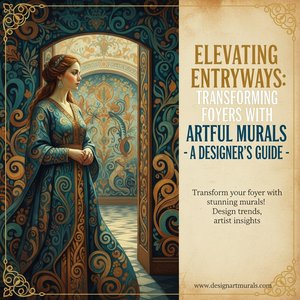
Emelje Felsőre a Belépőket: Művészi Falfestményekkel Megváltoztatott Előterek – Egy Tervező Útmutatója
Fedezze fel, hogyan emelheti szállodája előterének hangulatát művészi falfestményekkel! Szakértői útmutató a tervezéshez, stílusokhoz és költségvetéshez. Inspirálódjon luxushotel projektekből!

Márkák vizuális identitása: Hogyan teremthet egyedi falművészet tartós benyomást?
Fedezze fel, hogyan teremthet tartós benyomást vendéglátóipari létesítményeiben egyedi falművészettel! Szakértői tanácsok a vizuális identitás építéséhez és a tökéletes hangulat megteremtéséhez.