


 Megtekintés
 Küldés
 Megosztás
 Részletek

 Letöltés
 Hasonló darabok
 X-ray felvétel
 Diavetítés
Landscape

 Összes részlet megjelenítése
Giclée / Műnyomat
Múzeumi minőségű giclée vagy vászonnyomat, gyors gyártással és rugalmas finomítási lehetőségekkel. ( Kézzel festett másolat rendelése Kép letöltése)




































Válasszon előre meghatározott méreteink közül, amelyek megfelelnek a műalkotás eredeti arányainak.

Megadhat saját méreteket is egy konkrét kerethez vagy helyszínhez igazítva. Amennyiben a kiválasztott méret nem egyezik az eredeti kép arányokkal, a műalkotást le fogjuk vágni, vagy kiegészítjük a képet tükrözött vagy egyszínű szélekkel. A gyártás megkezdése előtt egy digitális tervezetet küldünk jóváhagyásra.
Kérjük, vegye figyelembe, hogy a képernyőn látható előnézet nem tükrözi a tényleges levágást vagy kiegészítést. Csak a tervezet mutatja pontosan a végső kompozíciót.
Bár az egyedi méretek is elérhetőek, az eredeti arányok megőrzése érdekében azt javasoljuk, hogy válasszon a előre meghatározott listából származó méretet.
Világszerte történő kiszállítás területére mindössze 2 hét alatt, a szokásos 4-5 hét helyett. (19 augusztus)

Ingyenes globális expressz szállítás

Prémium minőségű len vászon

Teljes körű szállítási biztosítás

Vámvisszatérítési Garancia

Hiteles színpontosság garancia

60 napos visszaküldési lehetőség (csak hibás termékek esetén)

100% pénzvisszatérítési garancia

Több darab vásárlása esetén kedvezmény
 Az üvegkeretes opció csak 110 cm alatti méretben érhető el

Landscape
Giclée / Műnyomat
Reprodukció mérete
-


Összesített ár
$ 62
Hasonló műalkotások


A művész életrajza
Joseph Henry Sharp: A Life Dedicated to Capturing the Spirit of the American West
Joseph Henry Sharp, a name synonymous with authentic portrayals of Native American life and landscapes, stands as a pivotal figure in both Western art history and the development of the Taos artistic community. Born in 1859 in Bridgeport, Ohio, to Irish immigrant parents, his early years were marked by both hardship and an unwavering fascination with the cultures beyond his immediate surroundings. A childhood accident resulted in profound hearing loss, a challenge that shaped his life but ultimately seemed to sharpen his visual acuity and deepen his empathetic connection to those he depicted. While conventional schooling proved difficult, Sharp’s innate artistic talent propelled him forward, first through studies at the McMicken School of Design in Cincinnati, then on an extended journey across Europe – Antwerp, Munich, and Paris – where he honed his skills under the tutelage of renowned masters and absorbed the influences of both the Barbizon school and Impressionism. These formative years instilled in him a mastery of realism while simultaneously fostering an appreciation for capturing fleeting moments of light and shadow, techniques that would later define his signature style.The Western Beckoning: Portraits of a Vanishing World
Sharp’s artistic trajectory took a decisive turn westward, driven by a lifelong fascination with Native American cultures. His initial journeys to the West in the 1880s sparked an enduring commitment to documenting their lives and traditions before they faded into history. Unlike many artists of his time who romanticized or stereotyped Indigenous peoples, Sharp strived for accuracy and dignity in his portrayals. He sought not just to capture physical likenesses but also to convey a sense of individual character and cultural identity. This dedication led to significant commissions, most notably from President Theodore Roosevelt, who tasked him with painting 200 portraits of Native American warriors who survived the Battle of Little Bighorn – a monumental undertaking that underscored Sharp’s reputation and his commitment to preserving this vital historical record. To further immerse himself in the culture he sought to depict, Sharp constructed the "Absarokee Hut" on Crow Agency land in Montana, dedicating years to living amongst the Crow people and meticulously observing their daily lives. This immersive approach allowed him to move beyond superficial representations and create portraits imbued with a profound sense of understanding and respect.Artistic Influences and Techniques
While Sharp’s subject matter was uniquely his own, his artistic style reflected a blend of European training and American sensibilities. The influence of the Barbizon school is evident in his commitment to realism and his preference for depicting scenes from everyday life. He embraced Impressionism's emphasis on capturing fleeting moments of light and shadow, using broad brushstrokes and a vibrant palette to create a sense of immediacy and atmosphere. His portraits are characterized by their meticulous attention to detail – the intricate beadwork on clothing, the weathered lines etched onto faces, the subtle nuances of expression that reveal individual personalities. Sharp’s ability to render flesh tones with remarkable accuracy was honed during his studies in Munich under Frank Duveneck, a technique he carried with him throughout his career. He skillfully employed direct painting techniques – applying wet paint onto wet surfaces – creating richly layered and fluid compositions that breathed life into his subjects.Legacy and Recognition: A Founding Father of Taos Art
Joseph Henry Sharp’s contributions to the art world extended far beyond his individual paintings. He is widely recognized as a founding member of the Taos Society of Artists, playing a crucial role in establishing Taos, New Mexico, as a vibrant artistic hub. His early visits to Taos in the 1890s inspired Ernest Blumenschein and Bert Phillips to relocate there, laying the groundwork for the society’s formation. Throughout his long career, Sharp garnered significant recognition from prominent patrons, including industrialist Joseph G. Butler, philanthropist Phoebe Apperson Hearst, and collector Thomas Gilcrease, whose extensive collection of Sharp's work at the Gilcrease Institute provides a comprehensive overview of his artistic journey. His dedication to documenting Native American culture earned him accolades from institutions like the Smithsonian Institution, which recognized his portraits for their ethnographic value. Joseph Henry Sharp passed away in 1953 at the remarkable age of 94, leaving behind a legacy as one of America’s most important and respected Western artists – a man who dedicated his life to capturing the spirit of a vanishing world with unwavering skill and profound empathy.
Joseph Henry Sharp
1859 - 1953 , Egyesült Államok
A művészről röviden
- Elhalálozás Dátuma: 1953. augusztus 29.
- Influenciált Művészek: ['Frank Duveneck']
- Jelentős Művek:
- Apache Camp
- Blackfoot Girl
- Főnök Spotted Elk
- Művészeti Irányzat: Reális ábrázolás
- Nemzetiség: Amerikai
- Születési Dátum: 1859. szeptember 27.
- Születési Hely: Bridgeport, USA
- Teljes Név: Joseph Henry Sharp
Kapcsolódó cikkek

Henri Matisse 25 Mesterműve: Színek és Érzések Világa - ArtsDot
Fedezze fel Henri Matisse 25 legikonikusabb művét! Ismerje meg a fauvizmus színeit, az expresszionizmus formáit és a modern művészet mesterének életművét. Vászonképek, nyomatok – inspiráció otthonába a ArtsDot.com-on!
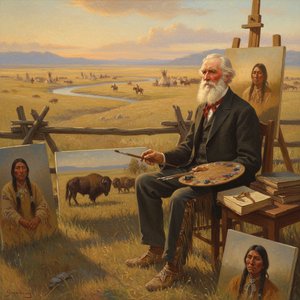
Joseph Henry Sharp: Capturing the Spirit of the Plains – Life, Art & Legacy
Explore the life & art of Joseph Henry Sharp, a founding member of the Taos Society of Artists renowned for his realistic depictions of Native American culture and Western landscapes. Discover his legacy with ArtsDot.

A Tájkép Mesterei: 10 Képi Gyöngyem a Természet Szerelemről – ArtsDot.com
Fedezze fel a 10 legikonikusabb tájkép festményt! Monet, Van Gogh és más mesterek művei inspirálnak. Művészeti reprodukciók magas minőségben – tökéletes dekoráció otthonába. Böngésszen ArtsDot.com-on!

A 10 legikonikus impresszionista tájkép: művészeti remekművek otthonába | ArtsDot.com
Fedezze fel a 10 legikonikus impresszionista tájkép festményt! Monet, Renoir, Degas és más művészek remekművei. Vászonképek, faliképek otthonába – inspirálódjon ArtsDot.com-on! Explore the full collection online.
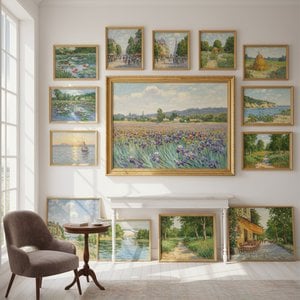
A 10 legikonikus impresszionista tájkép: Művészeti remekművek otthonába – ArtsDot.com
Fedezze fel a 10 legikonikus impresszionista tájkép festményt! Monet, Renoir és más mesterek alkotásainak története. Olajfestmények, vászonképek otthonába – ArtsDot.com kínálatából. Explore the full collection online!

