

 Megtekintés
 Küldés
 Megosztás
 Részletek
 Útmutató

 Letöltés
 Hasonló darabok
 X-ray felvétel
 Diavetítés
 Kérdések és válaszok
 Statisztika
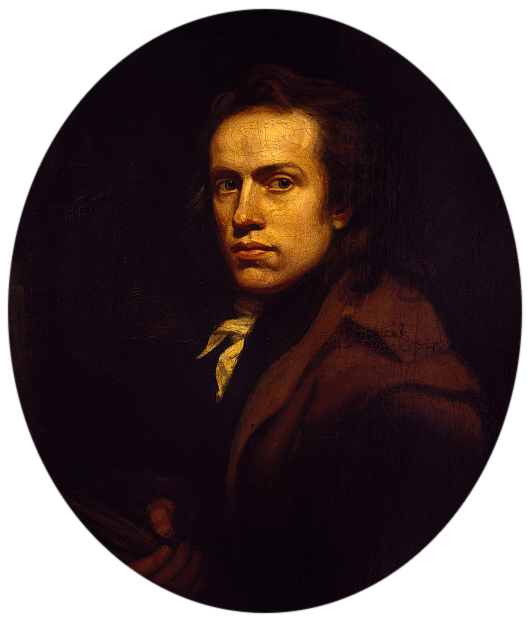
Self-Portrait

- 70.0 x 60.0 cm


 Összes részlet megjelenítése
Giclée / Műnyomat
Múzeumi minőségű giclée vagy vászonnyomat, gyors gyártással és rugalmas finomítási lehetőségekkel. ( Kézzel festett másolat rendelése Áttérés digitális képre)




P118B Ft10

P118H Ft10

P118W Ft10

P438Z Ft10

P508JH Ft12

P508YH Ft12

P805H Ft10

P805Z Ft10

P919BZ Ft10

P919G Ft10

P919XJ Ft10

P959ZH Ft10

P968JZ Ft12

W106C Ft8

W218G Ft10

W218JH Ft8

W218Y Ft10

W307PJ Ft10

W316G Ft10

W316PJ Ft8

W316Y Ft10

W398PJ Ft8

W4111J Ft10

W500HY Ft15

W500JH Ft15

W692G Ft12

W849H Ft8

W940BG Ft15

W953PJ Ft8




Válasszon előre meghatározott méreteink közül, amelyek megfelelnek a műalkotás eredeti arányainak.

Írja be a keretének vagy a falának megfelelő szélességet és magasságot. A nyomatot csak le lehet vágni, soha nem tehető nagyobbá, mint az eredeti kép, így egy eltérő alakú méretnél a kép egy része elveszik. Mielőtt bármit kinyatintanánk, küldünk egy digitális próbamodellt jóváhagyásra. Az oldalon látható kép nem tartalmazza a valós levágást — ezt csak a próbamodell mutatja meg.
Világszerte történő kiszállítás területére mindössze 2 hét alatt, a szokásos 4-5 hét helyett. (11 november)

Ingyenes globális expressz szállítás

Prémium minőségű len vászon

Teljes körű szállítási biztosítás

Vámvisszatérítési Garancia

Hiteles színarányosság garancia

100 napos visszaküldési lehetőség (csak hibás termékek esetén)

100% pénzvisszatérítési garancia

Több darab vásárlásakor kedvezmény
 Az üvegkeretes opció csak 110 cm alatti méretben érhető el

Self-Portrait
Giclée / Műnyomat
Reprodukció mérete
-


Összesített ár
Ft 20495
The Enigmatic Gaze: Unveiling John Opie’s Self-Portrait
John Opie's 1789 “Self-Portrait” isn’t merely a likeness; it’s a carefully constructed window into the soul of a burgeoning artistic talent. Painted in oil on canvas, this oval composition immediately commands attention with its dramatic chiaroscuro – a masterful manipulation of light and shadow that plunges the viewer into an atmosphere of profound introspection. The portrait depicts Opie himself, not as a triumphant figure, but as a contemplative man, his gaze fixed directly upon the observer, inviting us to share in his thoughts and emotions. The choice of this particular pose—a slight turn of the head, a subtle furrowing of the brow—suggests a mind wrestling with ideas, a quiet intensity that belies the young artist’s burgeoning fame.
Baroque Drama and Cornish Roots
Opie’s style is deeply rooted in the Baroque tradition, a movement known for its theatricality, emotional intensity, and dramatic use of light. The influence of Caravaggio and Rembrandt—artists who were masters of chiaroscuro—is readily apparent in Opie's work. The stark contrast between the illuminated areas of the face and clothing and the deep shadows that envelop the background creates a sense of depth and volume, drawing our attention to the central figure. This technique wasn’t simply aesthetic; it was a deliberate choice to convey a powerful emotional state – here, a blend of seriousness, intelligence, and perhaps even melancholy. Born in Trevellas, Cornwall, Opie's artistic sensibility was profoundly shaped by his Cornish heritage, evident in the ruggedness of his features and the earthy tones that dominate the palette.
A Study in Form and Texture
Beyond the dramatic lighting, a closer examination reveals Opie’s meticulous attention to detail. The artist skillfully employs lines to define the contours of the face, clothing, and hair, creating a sense of solidity and form. The layering of paint—a technique known as impasto—adds texture to the surface, particularly in the rendering of the fabric draped over his shoulders and the delicate details of his hands. Note the subtle variations in color and tone that suggest the play of light on different surfaces. This careful observation and execution demonstrate Opie’s commitment to realism, a hallmark of his style.
Symbolism and the Portraiture of the Mind
The portrait transcends a simple likeness; it's a symbolic representation of the artist’s inner world. The direct gaze invites engagement, suggesting that Opie is not simply presenting himself but offering an invitation to share in his thoughts. The serious expression—a hallmark of many self-portraits from this period—hints at intelligence, introspection, and perhaps even a touch of melancholy. Considering the historical context – the late 18th century was a time of intellectual ferment and social change – Opie’s portrait can be interpreted as an exploration of identity in a rapidly evolving world. The choice to depict himself alone reinforces this sense of internal reflection, suggesting that the artist is grappling with profound questions about his place in society and his role as a creative force.
Further Exploration
- From Portrait to Icon: Exploring the Aesthetic and Digital Transformation of Self-Representation within Classical Art Traditions: Explore the fascinating evolution of portraiture from classical masterpieces to digital art! Discover symbolism, techniques & societal impact. Expert insights for collectors & enthusiasts at ArtsDot.
- John Opie - Wikipedia: A comprehensive overview of the artist’s life and work, including his early career, London years, and artistic influences.
- Self-Portrait by OPIE, John: A detailed examination of the painting’s composition, technique, and historical significance, with high-resolution images.
Kérdések és válaszok
Mely művész és mely stílus áll a "Self-Portrait" mögött?
A „Self-Portrait” alkotását John Opie készítette Baroque stílusban. A művész és a műveszetség meghatározza a mű hagyományát.
Hogyan tölthetem le a(z) „Self-Portrait”, John Opie alkotása képét?
A „Self-Portrait”, John Opie alkotása letölthető a mű Letöltés oldaláról, magas felbontású digitális kép letöltése formátumban.
Erős fény-árnyék kontrasztot mutat-e a "Self-Portrait"?
A "Self-Portrait" fény-sötét kontrasztja Statement értéket mutat. A kontraszt azt írja le, mennyire térnek el egymástól a világos és sötét részek.
Hasonló műalkotások


A művész életrajza
A Cornish Prodigy Ascends: The Life and Art of John Opie
John Opie, aki 1761-ben született a cornwalli Trevellas csekély adottságú környezetében, a Harmony Cottage falai között, a kortsa egyik legkiemelkedőbb művészeti alakjává vált. Története a nyers tehetség lenyűgöző narratívája, amely a nehézségek ellenére megágyazott, egy asztalos fiúból híres portréfestővé, történelmi festővé, a Royal Academy tagjává és a brit művészet világának egyik meghatározó hangjává emelkedve játszódik át. Opie korai éveit a rajz és a matematika közötti korai képesség határozta meg – ez a duális fogás talán az is meghatározta precíz kompozíciós és formai megközeldését. Már gyerekkorában is az önálló szellemet mutatta, létrehozva egy esti iskolát a helyi gyermekek számára, ahol olvasást, írást és az aritmetikát tanította, miközben egyidejűleg az euclidid geometriát ovládta. Ennek a tudásvágynak és művészi hajlamnak kezdetben az apja tanúsaként állt úttorja, aki a csiszolt asztalosapprentizátus elvégzésében ragaszkodott. A sors azonban Dr. John Wolcot, vagyis Peter Pindar formájában avatott be, egy orvos és szatíraíró, akinek éles szeme felismerte a fiatal Opie rendkívüli potenciálját.Mentorship, London, and Royal Patronage
Wolcot Opie védelmezőjévé vált, aki felszabadította a fiút az asztalosapprentizátusból, invaluable iránnyutatást, támogatást és döntő fontosságú bemutatást biztosítva számára. Ez a mentorálás volt a kulcs Opie pályájának indításához. 1781-ben együtt utaztak Londónba, ahol Wolcot okos módon olyan öntanult prodigiumként tüntette fel Öket, mint a „cornwalli csoda”, aki a formális művészeti oktatás érintetlenségével büszkélkedhetett. Ez a narratíva lenyűgözte a londoni művészeti köröket, olyan mesterekkel is összevetették, mint Caravaggio vagy Velázquez, még Sir Joshua Reynolds személyéből is. Az első siker gyors és felhórázatos volt. A megrendelések sorra áradtak, köztük a brit királyi család tagjainak portréi – a gloucesteri herceg és hercegné, Lady Salisbury és Mary Delany között. Opie Castle Streeten lévő lakhelye a divatos társaság központjává vált, tehetsége pedig folyamatos figyelemre és csodálatra tért ki. Azonban a Wolcottal való együttműködés végül feloldódott, amikor Opie kiállt az önállóságáért, és saját útját akarta járni a profitmegosztási megállapodás korlátjai nélkül. Ez a korszak megszilárdította Opie hírnevét, meghatározott portréfestővé emelve őt, aki képes volt nemcsak a fizikai hasonlóságra, hanem a modellek karakterének és társadalmi státuszának megörökítésére is.Beyond Portraiture: Historical Paintings and Academic Recognition
Bár kezdetben portréiről ismert, Opie nagyobb ambíciókat táplált, mint hogy egyszerűen elrögzítse az elit arcait. Vágyott a nagy történelmi narratívák megélésére, hogy jelentős témák festőjává váljon. Ez az ambíció a történelmi festészet felé terelte, amelynek csúcspontját olyan művek jelentették, mint a The Assassination of James I (1786) és a The Murder of Rizzio (1787). Utóbbi különösen hatásosnak bizonyult, azonnali tagjává lett a Royal Academy asszociált tagjainak, és az év következő manján teljes tagjává. Ezek a történelmi festmények a kompozíció, a drámai fények – amelyek gyakran Rembrandtra emlékeztettek – és az érzelmi intenzitás közvetítésének növekvő mesteri tudását demonstratedálták. Opie elhivatottsága a håndművességhez túl is terjedt; aktívan törekedett a horizontjának szélesítésére a latin, a francia irodalom és a művelt társas körök tanulmányozásával. Szoros kapcsolatot alakított John Boydell Shakespeare-galériájával is, öt festményt alkotva a Bard műveiből inspiredált alkotásokból, tovább erősítve helyét a művészeti establishmentban.A Legacy of Artistry and Thought
Opie későbbi éveit a szakmai siker és a személyes kihívások vegyesítették. Első házasságának boldogtalannága 1796-ban válzással ért véget. Azonban Amelia Alderson, írónő és abolíciónista asszony mellett talált tartós boldogságot, akival 1798-ban házasodott össze. Uniójuk kölcsönös támogatást és intellektuális stimulációt biztosított. 1805-ben Opie a Royal Academy festőfőnöki posztjára került, ami a művészeti világban betöltött helyzetének bizonyítékaként szolgált. Az 1806-ban tartott előadásai, amelyeket 1809-ben posthumán publikáltak Améliával írt emlékművel, egy gondosan átgondolt és artikulált elmét tükröztek, amely mélyen elköteleződött a művészi alkotás elvei mellett. Küzdött a nemzeti galéria létrehozásáért – egy vizionárius gondolat, amely végül valóssá vált –, és éles megfigyelésekkel írt a brit művészet állapotáról. John Opie korai halála 1807 ápriljában, 46 éves korában, megszakította ígéretes pályáját, de öröksége fennmarad. Hangsúlyos művészeti hagyatékot hagyott hátra – több mint 500 portrét és 250 egyéb festményt –, amely lenyűgöző betekintést nyújt a 18. század végi és a 19. század eleji brit társadalom és kultúra világába. A brit művészettörténet jelentős alakja marad, aki technikai tudásáról, éles portréfestészetéről és a művészeti diskurzushoz való hozzájárulásáról ismert.
John Opie
1761 - 1807 , Egyesült Királyság
Rövid információk
- Artistic Movement Or Style: Történetfestészet és portretészet
- Artists Who Influenced This Artist:
- Caravaggio
- Velázquez
- Date Of Birth: 1761
- Date Of Death: 1807
- Full Name: John Opie
- Nationality: Brit
- Notable Artworks: ['Shakespeare Gallery-művek']
- Place Of Birth: Trevellas, Egyesült Királyság
Kapcsolódó cikkek

Az olajfestészet örökös hagyatéka: technika, történelem és kortárs gyakorlat
Fedezze fel az olajfestészet történetét, technikáit és a kortárs művészeti trendeket! Szakértői útmutatók, híres festők alkotásai és tippek az olajfestmény ápolásához. Inspirálódjon most!

The Enduring Legacy of Oil on Canvas: Technique, History & Aesthetic Impact
Explore the rich history & techniques of oil painting – from Renaissance masters to Impressionism. Discover pigments, layering methods, and why this timeless medium endures. Expert insights for artists & art enthusiasts.

John Constable 25 Mesterműve: A Természet Lényege Vászonon – ArtsDot.com
Fedezze fel John Constable 25 legszebb művészeti alkotását! Ismerje meg a romantika ikonikus tájképeit, Dedham Vale szépségét és a természet lenyűgöző ábrázolásait. Vászonkép reprodukcióinkkal eleganciát csempészhet otthonába – ArtsDot.com

Oil on Canvas: A Historical & Technical Exploration of a Timeless Artistic Medium
Explore the rich history & enduring techniques of oil painting on canvas. Discover the science behind its longevity, conservation practices, and contemporary relevance. Expert insights for art enthusiasts.

John Singer Sargent 25 Mesterműve: Elegancia és Portrék a ArtsDot Galériában
Fedezze fel John Singer Sargent 25 legikonikusabb művészeti alkotását! Portrék, impresszionista stílus és a fény játéka – inspirálódjon Sargent életrajzából és vászonképeiből. Művészeti reprodukciók otthonába a ArtsDot-on!