

 Megtekintés
 Küldés
 Megosztás
 Részletek
 Útmutató

 Letöltés
 Hasonló darabok
 X-ray felvétel
 Diavetítés
 Q&A
Q&A Statisztika
Sir John Robinson

- 71.0 x 56.0 cm
 Összes részlet megjelenítése
Giclée / Műnyomat
Múzeumi minőségű giclée vagy vászonnyomat, gyors gyártással és rugalmas finomítási lehetőségekkel. ( Kézzel festett másolat rendelése Áttérés digitális képre)




































Válasszon előre meghatározott méreteink közül, amelyek megfelelnek a műalkotás eredeti arányainak.

Írja be a keretének vagy a falának megfelelő szélességet és magasságot. A nyomatot csak le lehet vágni, soha nem tehető nagyobbá, mint az eredeti kép, így egy eltérő alakú méretnél a kép egy része elveszik. Mielőtt bármit kinyatintanánk, küldünk egy digitális próbamodellt jóváhagyásra. Az oldalon látható kép nem tartalmazza a valós levágást — ezt csak a próbamodell mutatja meg.
Világszerte történő kiszállítás területére mindössze 2 hét alatt, a szokásos 4-5 hét helyett. (3 november)

Ingyenes globális expressz szállítás

Prémium minőségű len vászon

Teljes körű szállítási biztosítás

Vámvisszatérítési Garancia

Hiteles színarányosság garancia

100 napos visszaküldési lehetőség (csak hibás termékek esetén)

100% pénzvisszatérítési garancia

Több darab vásárlásakor kedvezmény
 Az üvegkeretes opció csak 110 cm alatti méretben érhető el

Sir John Robinson
Giclée / Műnyomat
Reprodukció mérete
-


Összesített ár
Ft 20306
Hasonló műalkotások


A művész életrajza
John James Napier (1831–1877): A Victorian Painter of Domestic Intimacy
John James Napier, born in Edinburgh in 1831, emerged as a prominent Victorian portrait painter during a period marked by significant social and artistic change. His distinctive style—characterized by meticulous detail and an unwavering focus on capturing the essence of familial relationships—established him as one of London’s most celebrated artists of his time. While biographical information remains somewhat sparse, Napier's legacy rests firmly upon his captivating depictions of everyday life within affluent Victorian households. Napier’s artistic journey began with formal training at the Edinburgh School of Art and Design, where he honed his technical skills before relocating to London in 1859. Immediately immersing himself in the vibrant art scene of the capital, he quickly gained recognition for his ability to portray subjects with remarkable sensitivity and psychological insight. Unlike many contemporaries who favored grand historical narratives or mythological themes, Napier deliberately chose to depict scenes from domestic interiors—often featuring mothers and children—offering viewers a glimpse into the private sphere of Victorian society. His artistic influences were diverse, drawing inspiration from artists such as Sir Thomas Lawrence and Frederic Leighton, both masters of portraiture known for their idealized representations of nobility. However, Napier’s approach differed markedly from these figures; he eschewed overtly decorative flourishes in favor of understated elegance and a profound understanding of human emotion. He meticulously observed his subjects—capturing subtle expressions and gestures that conveyed unspoken feelings—resulting in portraits imbued with an unparalleled sense of warmth and authenticity. Napier's prolific output included numerous commissions for wealthy families throughout London, securing him a place among the Royal Academy and British Institution’s most esteemed painters. His paintings consistently garnered critical acclaim, praised for their technical virtuosity and emotional resonance. Notable works include “Janet Parker Langmuir” (1867), a poignant portrayal of a mother cradling her child—a piece that exemplifies Napier's signature style and continues to resonate with audiences today. Furthermore, his inclusion in the British Institution’s annual exhibitions solidified his reputation as a leading voice within Victorian artistic discourse. Ultimately, John James Napier’s contribution to art history transcends mere stylistic innovation; he championed a humanist vision that prioritized portraying the complexities of human experience—specifically familial bonds—within the context of Victorian society. His enduring influence can be seen in subsequent generations of portrait painters who sought to emulate his meticulous technique and empathetic gaze. Napier's legacy persists as a testament to the power of art to illuminate the quiet dramas unfolding within ordinary lives, securing him a place among the icons of Victorian artistic achievement.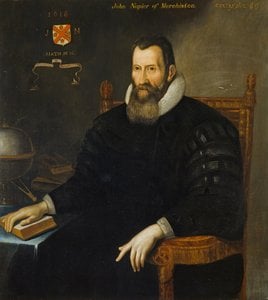
John James Napier
1831 - 1877
Rövid információk
- Full Name: John James Napier
- Nationality: British
- Date Of Birth: 1831
- Date Of Death: 1877
- Place Of Birth: London, England
- Notable Artworks:
- Janet Parker Langmuir
- Highgate Cemetery
- Artistic Movement Or Style: Victorian Portraiture