

 Megtekintés
 Küldés
 Megosztás
 Részletek

 Letöltés
 Hasonló darabok
 X-ray felvétel
 Diavetítés
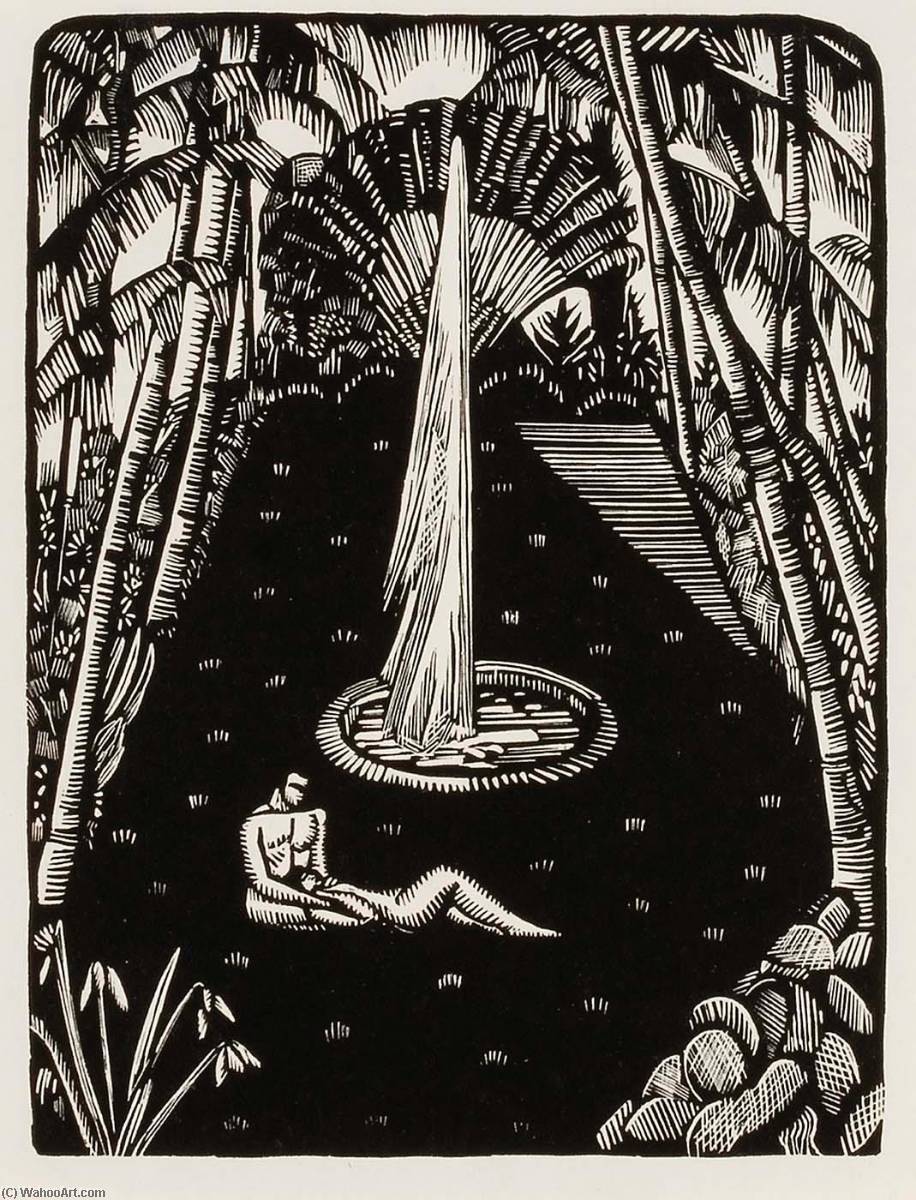
Untitled
 Összes részlet megjelenítése
Vásároljon nagy felbontású, javított digitális képet, amely minőségében messze felülmúlja az online előnézetet.
Minden fájlt szakembereink a legmodernebb eszközök és precíz, kézi retusálás segítségével készítenek el aprólékosan. Gondoskodunk arról, hogy minden kép kivételes tisztasággal, pontos színhelyességgel és részletgazdag finomsággal rendelkezzen.
A végleges fájl 72 órán belül e-mailben megérkezik, professzionális, szerkesztői és nyomtatási környezetbe optimalizálva az azonnali használathoz. Ez ugyanaz a minőség, amelyben a legmeghatározóbb tervezőstúdiók, kiadók és galériák is megbízhatnak.
Digitális kép
Töltsön le nagy felbontású fájlt személyes kiállításokhoz, nyomtatáshoz és kreatív projektekhez. ( Nyomat rendelése Kézzel festett másolat rendelése)
Minden digitális kép rendeléséhez tartozó extrák
Szakértői digitális kézbesítés, garantáltan
Amikor a ArtsDot.com szolgáltatást választja, nem csupán egy képet kap – professzionálisan felmagasított digitális műalkotást kap, amely precizitással készült, és amelyet megelégsedési gwarancia tesz biztoslássá. Az alábbiakban automatikusan minden benne 】

Gyors e-mail teslimítés
A nagy felbontású digitális képmásolatát a megrendelést követő 72 órán belül e-mailben elküldjük Önnek – azonnal használható formátumban.

MI-alapú digitális fejlesztésű fájl
Műve professzionális módon kerül optimalizálásra fejlett mesterséges intelligencia eszközök és manuális szerkesztés segítségével, biztosítva a maximális részletességet, tisztaságot és színpontosságot.

Örök életű ingyenes újradelivery
Véletlenül törölted vagy elvesztetted a fájlodat? Ne aggódj – bármikor ingyen újra megküldjük neked.

Nincs importköltség – soha
Élvezze műalkotásait azonnal, vám, illeték vagy szállítási költség nélkül – a digitális letöltések mindig adamentesek.

Színpontosság garantálása
Professzionális eszközök és színkezelés segítségével garantáljuk, hogy digitális képe a lehető legpontosabban tükrözze az eredeti színeket.

60 napos elégedettségi garancia
Ha nemມີ elégedett a digitális képpel, 60 napon belül átmunkáljuk azt, vagy 100% visszatérítjük az amountot – kérdés nélkül.

100% Pénzvisszatérítési garancia
Nem érheted el a teljes elégedettséget? 60 napon belül teljes visszatérítést kapsz a digitális fájlod megérkezése után – kérdés nélkül.

Tömegrendelési kedvezmények
Vásároljon 3 képet, spóroljon 10%-et - Vásároljon 5-öt, spóroljon 15%-et - Vásároljon 10+ képet, spóroljon 20%-at. Kiváló kreatív projektekhez, galériákhoz és ügynökségekhez.
A művész életrajza
The Evocative Landscapes of John J. A. Murphy: Capturing the American Light
John J. A. Murphy, a name perhaps less celebrated than some of his contemporaries, nevertheless occupies a significant place in the narrative of late 19th and early 20th-century American landscape painting. Emerging from the Tonalist movement, Murphy dedicated his artistic life to capturing the subtle beauty and fleeting atmospheric effects of the rural American countryside, particularly those imbued with the golden light of autumn – scenes he often referred to as ‘Indian Summer’ paintings. While biographical details remain somewhat sparse, the power and resonance of his work speak volumes about a keen observer deeply connected to the natural world and skilled in translating its poetry onto canvas.Early Life and Artistic Development
Information regarding Murphy's early life is limited; he appears as a figure who prioritized the act of painting over self-promotion or extensive documentation. What *is* known suggests a dedication to art from an early age, likely fostered by a growing national interest in landscape as a uniquely American subject matter following the Civil War. The post-war era saw a desire to define a distinctly American artistic identity, moving away from strict European academic traditions and embracing the beauty of the nation’s own vistas. Murphy absorbed these influences, developing a style that blended meticulous realism with an atmospheric sensibility. He wasn't formally trained in Europe like many of his peers; instead, he honed his skills through observation and practice, becoming adept at rendering light and shadow to create mood and evoke emotion. His early works demonstrate a clear understanding of perspective and composition, but it is the growing emphasis on tonal values – the delicate gradations of color that define form and atmosphere – that foreshadows his mature style.The Tonalist Aesthetic and ‘Indian Summer’ Scenes
Murphy became closely associated with the Tonalist movement, a loosely defined group of artists who favored subdued palettes, soft focus, and evocative moods. Artists like George Inness and Albert Pinkham Ryder were key figures in this aesthetic, emphasizing subjective experience over literal representation. Murphy embraced these principles wholeheartedly, but he carved out his own niche within the movement by focusing on the specific light and atmosphere of autumn in rural America. His ‘Indian Summer’ paintings are not merely depictions of landscapes; they are meditations on time, memory, and the ephemeral beauty of nature. He masterfully captured the hazy golden light filtering through trees, the stillness of water reflecting the sky, and the sense of quiet contemplation that pervades these scenes. These works often feature a limited color palette dominated by browns, golds, greens, and grays, creating a harmonious and melancholic effect. The symbolism inherent in autumn – decay, transition, and reflection – is subtly woven into his compositions, inviting viewers to contemplate the passage of time and the beauty found within impermanence.Technique and Influences
Murphy’s technique was characterized by a meticulous attention to detail combined with a remarkable sensitivity to light and color. He employed a glazing technique – applying thin layers of transparent paint over underlying colors – to create depth, luminosity, and subtle tonal variations. This method allowed him to build up complex atmospheric effects and capture the nuances of light reflecting off water, foliage, and distant hillsides. While he didn’t explicitly adhere to Impressionist principles, there is a shared interest in capturing fleeting moments and the subjective experience of light. However, Murphy's work differs from Impressionism in its emphasis on mood and atmosphere rather than pure optical effects. He was also influenced by earlier landscape painters like the Hudson River School artists, particularly their attention to detail and sense of grandeur, but he moved away from their dramatic compositions towards a more intimate and contemplative approach. His palette, while subdued, reveals a sophisticated understanding of color theory and its ability to evoke emotion.Legacy and Historical Significance
Although not widely recognized during his lifetime, John J. A. Murphy’s work has experienced a resurgence in recent years as scholars and collectors have rediscovered the beauty and significance of Tonalist painting. His ‘Indian Summer’ scenes offer a poignant glimpse into a vanishing rural America, capturing a sense of tranquility and connection to nature that resonates deeply with contemporary audiences.- His paintings provide valuable insights into the aesthetic sensibilities of late 19th and early 20th-century America.
- Murphy’s dedication to capturing atmospheric effects influenced subsequent generations of landscape painters.
- He stands as a testament to the power of observation, skill, and artistic vision in creating works that transcend mere representation.


