


 Előnézet
 Megosztás
 Megosztás
 Részletek
 Útmutató

 Letöltés
 Hasonló darabok
 X-ray felvétel
 Diavetítés
 Statisztika
'Galileo'
 Oil On Canvas
- WallArt
- Realist Romanticism
 19th Century
 41.0 x 63.0 cm
 Tovább olvasom
Giclée / Műnyomat
Múzeumi minőségű giclée vagy vászonnyomat, gyors gyártással és rugalmas finomítási lehetőségekkel. ( Kézzel festett másolat vásárlása Áttérés digitális képre)




P118B Ft10

P118H Ft10

P118W Ft10

P438Z Ft10

P508JH Ft12

P508YH Ft12

P805H Ft10

P805Z Ft10

P919BZ Ft10

P919G Ft10

P919XJ Ft10

P959ZH Ft10

P968JZ Ft12

W106C Ft8

W218G Ft10

W218JH Ft8

W218Y Ft10

W307PJ Ft10

W316G Ft10

W316PJ Ft8

W316Y Ft10

W398PJ Ft8

W4111J Ft10

W500HY Ft15

W500JH Ft15

W692G Ft12

W849H Ft8

W940BG Ft15

W953PJ Ft8




Válasszon előre meghatározott méreteink közül, amelyek megfelelnek a műalkotás eredeti arányainak.

Írja be a keretének vagy a falának megfelelő szélességet és magasságot. A nyomatot csak le lehet vágni, soha nem tehető nagyobbá, mint az eredeti kép, így egy eltérő alakú méretnél a kép egy része elveszik. Mielőtt bármit kinyatintanánk, küldünk egy digitális próbamodellt jóváhagyásra. Az oldalon látható kép nem tartalmazza a valós levágást — ezt csak a próbamodell mutatja meg.
Világszerte történő kiszállítás területére mindössze 2 hét alatt, a szokásos 4-5 hét helyett. (25 október)

Ingyenes globális expressz szállítás

Prémium minőségű len vászon

Teljes körű szállítási biztosítás

Vámvisszatérítési Garancia

Tökéletes színarányosság garancia

100 napos visszaküldési garancia (csak gyártási hibás termékek esetén)

100% pénzvisszatérítési garancia

Több darab vásárlásakor kedvezmény
 Az üvegkeretes opció csak 110 cm alatti méretben érhető el

'Galileo'
Giclée / Műnyomat
Reprodukció méretei
-


Összesített ár
Ft 19844
A Tempestuous Vision: John Henry Mohrmann’s ‘Galileo’
John Henry Mohrmann's “Galileo” is more than just a depiction of a sailing ship; it’s a visceral immersion into the heart of maritime adventure, rendered with a masterful command of realism and an undeniable emotional resonance. Painted in 1916, this oil on canvas work captures a moment of raw power – a large vessel battling against the formidable forces of nature, its white sails straining against the wind while dark waves crash relentlessly around it. Measuring 41 x 63 cm, the painting’s intimate scale draws the viewer into the scene, fostering a sense of immediate engagement with this dramatic tableau.
- The Ship as Symbol: The central figure, undoubtedly a passenger or cargo ship, transcends its literal representation. It embodies themes of travel, exploration, and the enduring human spirit’s confrontation with the unknown. Mohrmann's meticulous attention to detail – from the intricate rigging to the weathered planks of the hull – elevates the vessel beyond a mere subject matter, transforming it into a potent symbol of ambition and resilience.
- A Masterful Use of Light and Shadow: The artist’s skillful manipulation of light is crucial to the painting's impact. A slightly overcast sky casts subtle shadows across the deck and hull, highlighting the textures of the sails and water with remarkable precision. This interplay of light and dark not only enhances the realism but also contributes significantly to the work’s dramatic mood.
Technique and Materials: Layers of Realism
Mohrmann's technique is characterized by a deliberate layering and glazing, evident in the visible brushstrokes that define the choppy surface of the water and the billowing fabric of the sails. The dark gray or black hull provides a stark contrast to the brilliant white of the sails, further emphasizing their movement and dynamism. The artist employed oil pigments bound with linseed oil, a common practice at the time, allowing for rich color saturation and a luminous quality. The canvas itself, likely stretched tightly, provided an ideal surface for capturing the nuances of light and texture.
- Brushwork and Texture: Noticeable brushstrokes create a sense of movement and turbulence in the water, while subtle variations in paint application mimic the textures of fabric and wood.
- Atmospheric Perspective: The use of atmospheric perspective – where distant elements appear lighter and less distinct – adds depth to the composition, drawing the viewer’s eye towards the ship and reinforcing its dominance within the scene.
Historical Context and Artistic Influences
Born in Estebrügge, Germany, in 1857, John Henry Mohrmann's life was inextricably linked to the sea. His early seafaring experiences profoundly shaped his artistic vision, imbuing his work with a deep understanding of maritime conditions and a keen eye for detail. His time in San Francisco before settling in Antwerp allowed him to develop a unique style blending realism with a romantic sensibility – a common trait among artists working during this period who sought to capture the grandeur and drama of the natural world. “Galileo” reflects Mohrmann’s dedication to portraying the power and beauty of maritime life, solidifying his reputation as a master of these evocative scenes.
Emotional Impact and Collector's Value
"Galileo" is not simply a beautiful painting; it’s an experience. The dramatic composition, masterful technique, and historical context combine to create a work that evokes a sense of awe, wonder, and perhaps even a touch of apprehension. This piece would be a stunning addition to any collection focused on maritime art, 19th-century realism, or the works of John Henry Mohrmann himself. A hand-painted reproduction offers an unparalleled opportunity to bring this captivating vision into your home or office – a testament to the enduring power of artistic skill and the timeless allure of the sea.
Gyakran Ismételt Kérdések
Hová sorolható a "'Galileo'" John Henry Mohrmann életművében?
A "'Galileo'" megosztja John Henry Mohrmann többi művével a Realist Romanticism stílust és a rögzített témákat: maritime realism, seafaring themes, german romanticism, travel art, ship portraits, artistic legacy, mohrmann’s signature style”, “early 20th-century maritime.
Hol javasolt a(z) "'Galileo'" kihelyezését a színei alapján?
A Neutrals színpalettájával „'Galileo'”, John Henry Mohrmann alkotása alkotást egy Living Roomba javasoljuk. A színek egy része teszi lehetővé ezt a javaslatot.
Hol vásárolhatom meg „'Galileo'”, John Henry Mohrmann alkotása digitális képét?
A "'Galileo'" elérhető magas felbontású digitális kép letöltés formátumban, amelyet közvetlenül a Digitális kép oldalon vásárolhat meg.
Hasonló műalkotások


A művész életrajza
John Henry Mohrmann: A Master of Maritime Visions
John Henry Mohrmann (1857-1916) was a remarkably prolific and influential painter, whose career spanned continents and encompassed diverse artistic pursuits before he ultimately established himself as a leading figure in the genre of ship portraits. Born in Estebrügge, Germany, his early life was marked by seafaring adventures – a period that profoundly shaped both his technical skills and his artistic sensibilities. This formative experience, coupled with a keen eye for detail and an appreciation for the dramatic interplay of light on water, would become hallmarks of his distinctive style. His journey ultimately led him to San Francisco, where he honed his craft before settling in Antwerp, Belgium, where he spent the latter part of his career.Early Life and Artistic Beginnings
Mohrmann’s initial path wasn't solely dedicated to painting. He began as a sailor, gaining invaluable experience navigating the world’s oceans and observing the intricacies of ship design and operation. This practical knowledge proved crucial to his later work, allowing him to accurately depict vessels and their surroundings. Beyond seafaring, he also pursued stage design and restoration, skills that undoubtedly contributed to his meticulous attention to detail and his ability to capture the textures and nuances of both man-made structures and natural landscapes. These varied experiences instilled in him a deep respect for craftsmanship and a keen understanding of visual composition – elements that would later inform his celebrated ship portraits.The Rise of the Ship Portrait
Mohrmann’s career truly blossomed during the late 19th century, coinciding with a surge in interest in maritime history and the romantic idealization of seafaring life. He quickly gained recognition for his evocative depictions of ships, particularly those engaged in trade and exploration. Unlike earlier ship paintings that often focused on grand battles or heroic voyages, Mohrmann’s work emphasized the everyday realities of maritime commerce – the bustling decks, the skilled sailors, and the vastness of the ocean itself. His approach was revolutionary; he deliberately inclined the vessels towards the viewer, creating a sense of intimacy and drawing the audience into the heart of the scene. This technique allowed for greater detail to be visible on deck, offering a remarkably realistic portrayal of life aboard these magnificent ships.Influences and Artistic Style
Mohrmann’s artistic style is often described as a synthesis of several influences. The most prominent was undoubtedly Jean-François Millet, the renowned French realist painter known for his depictions of rural laborers. Mohrmann shared Millet's commitment to portraying ordinary people in their working environments, albeit transposed onto the decks of merchant ships. There’s also a clear connection to the Barbizon school of landscape painting, evident in his masterful use of light and shadow and his ability to capture the atmospheric effects of sea and sky. His paintings are characterized by rich colors, meticulous detail, and a palpable sense of movement – conveying both the power of the ocean and the energy of human endeavor.Notable Works and Legacy
Among Mohrmann’s most celebrated works are “Castleton,” depicting a bustling harbor scene, "The Ship 'Melpomene'," and "Ship Samaria Under Full Sail," each showcasing his remarkable ability to capture the essence of maritime life. His paintings frequently featured vessels like the *Albyn*, *Rhône*, and *Craigwhinnie*, demonstrating his versatility in portraying different types of ships. Today, Mohrmann’s work is held in prestigious collections such as the Musée Thomas-Henry in Cherbourg, France, ensuring that his legacy continues to inspire and captivate audiences worldwide. His meticulous attention to detail, combined with a deep understanding of maritime history and a keen artistic sensibility, firmly establishes John Henry Mohrmann as a significant figure in 19th-century painting – a master of capturing the beauty and drama of the sea.
John Henry Mohrmann
1857 - 1916
Gyors információk
- Full Name: John Henry Mohrmann
- Nationality: American-Belgian-Canadian
- Date Of Birth: 1857
- Date Of Death: 1916
- Place Of Birth: Estebrügge, Germany
- Notable Artworks:
- Castleton
- The Ship Melpomene
- Ship Samaria Under Full Sail
- Artistic Movement Or Style: Ship portraiture
- Artists Who Influenced This Artist: ['Jean-François Millet']
Kapcsolódó cikkek

Echoes of Time: Exploring the Enduring Appeal & Historical Context of Vintage Art Prints
Explore the captivating world of vintage art prints! Discover their history, collecting tips & enduring appeal. Expert insights on chromolithography and building a legacy collection with ArtsDot.

Szállítás és visszaküldés
APS világszerte szakértő művészeti szállítást nyújt múzeumi szintű gondoskodással, teljes nyomon követéssel és 100 napos pénzvisszafizetési garanciával. A vámügyi támogatástól a Priority Production-ig bízz az átlátható szolgáltatásban, a biztonságos csomagolásban és a megbízható kiszállításban gyűjtők, tervezők és galériák számára.

Giclée Prints: Archival Quality & Aesthetic Nuances for the Discerning Collector
Explore the world of giclée prints with ArtsDot. Learn about archival quality, aesthetic nuances & investment potential. Expert guidance for discerning art collectors seeking museum-quality reproductions and lasting value.
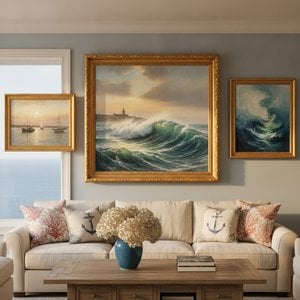
Bring the Ocean Home: Captivating Maritime Paintings to Transform Your Space with Timeless Elegance
Transform your home with breathtaking maritime oil paintings. From serene seascapes to dramatic nautical scenes, discover hand-painted reproductions that bring the ocean's soul to your space. Expertly crafted for collectors seeking timeless elegance and coastal tranquility.

The Enduring Legacy of Fine Art Prints: Technique, History & Aesthetic Impact
Explore the rich history & techniques of fine art prints. Discover investment potential, assess authenticity, and learn how to preserve your collection with expert guidance. Trusted insights for discerning collectors.