

 Megtekintés

 Küldés
 Megosztás
 Részletek
 Útmutató


 Letöltés
 Hasonló darabok
 X-ray felvétel
 Diavetítés
 Kérdések és válaszok
 Statisztika
Landscape Evening

- 31.0 x 49.0 cm


 Összes részlet megjelenítése
Giclée / Műnyomat
Múzeumi minőségű giclée vagy vászonnyomat, gyors gyártással és rugalmas finomítási lehetőségekkel. ( Kézzel festett másolat rendelése Áttérés digitális képre)




P118B Ft10

P118H Ft10

P118W Ft10

P438Z Ft10

P508JH Ft12

P508YH Ft12

P805H Ft10

P805Z Ft10

P919BZ Ft10

P919G Ft10

P919XJ Ft10

P959ZH Ft10

P968JZ Ft12

W106C Ft8

W218G Ft10

W218JH Ft8

W218Y Ft10

W307PJ Ft10

W316G Ft10

W316PJ Ft8

W316Y Ft10

W398PJ Ft8

W4111J Ft10

W500HY Ft15

W500JH Ft15

W692G Ft12

W849H Ft8

W940BG Ft15

W953PJ Ft8

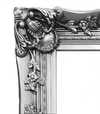

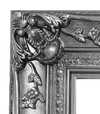
Válasszon előre meghatározott méreteink közül, amelyek megfelelnek a műalkotás eredeti arányainak.

Írja be a keretének vagy a falának megfelelő szélességet és magasságot. A nyomatot csak le lehet vágni, soha nem tehető nagyobbá, mint az eredeti kép, így egy eltérő alakú méretnél a kép egy része elveszik. Mielőtt bármit kinyatintanánk, küldünk egy digitális próbamodellt jóváhagyásra. Az oldalon látható kép nem tartalmazza a valós levágást — ezt csak a próbamodell mutatja meg.
Világszerte történő kiszállítás területére mindössze 2 hét alatt, a szokásos 4-5 hét helyett. (17 november)

Ingyenes globális expressz szállítás

Prémium minőségű len vászon

Teljes körű szállítási biztosítás

Vámvisszatérítési Garancia

Hiteles színarányosság garancia

100 napos visszaküldési lehetőség (csak hibás termékek esetén)

100% pénzvisszatérítési garancia

Több darab vásárlásakor kedvezmény
 Az üvegkeretes opció csak 110 cm alatti méretben érhető el

Landscape Evening
Giclée / Műnyomat
Reprodukció mérete
-


Összesített ár
Ft 20381
A Pastoral Vision: Unveiling Constable’s ‘Landscape Evening’
John Constable's *Landscape Evening*, painted in 1812, is more than just a depiction of the English countryside; it’s an embodiment of Romantic ideals and a testament to the artist’s profound connection with nature. This oil on canvas (31 x 49 cm) invites viewers into a tranquil world where light, atmosphere, and emotion converge, offering a respite from the burgeoning industrialization of its time.Subject & Composition: A Harmony of Rural Life
The painting presents a quintessential English scene – a gently undulating field dotted with grazing cattle. Constable masterfully arranges these elements to create a sense of depth and spaciousness. The cows, rendered with varying degrees of detail depending on their distance from the viewer, populate the foreground and recede into the middle ground. Two horses add further life to the landscape, subtly positioned to balance the composition. A winding path suggests human presence without explicitly featuring figures, emphasizing nature’s dominance. The horizon line is low, allowing the expansive sky to command attention, a characteristic feature of Constable's work.Style & Technique: Romanticism in Brushstrokes
*Landscape Evening* exemplifies the principles of English Romanticism. Unlike the precise, classical landscapes that preceded it, Constable’s approach is characterized by *expressive brushwork* and an emphasis on capturing fleeting atmospheric effects. He doesn't strive for photographic realism but rather seeks to convey his subjective experience of the scene – the feeling of warmth, peace, and connection with the natural world. His technique involves layering paint in loose, visible strokes, creating a textured surface that seems to shimmer with light. This approach would heavily influence later movements like Impressionism.Light & Atmosphere: The Essence of Romantic Feeling
The painting’s most striking feature is its masterful use of light. A warm, golden glow emanates from the evening sky, bathing the landscape in a soft radiance. Constable expertly renders the subtle gradations of light and shadow, highlighting the textures of the field and the forms of the animals. This interplay of light isn't merely descriptive; it’s *emotional*. It evokes a sense of tranquility, nostalgia, and reverence for nature’s beauty. The atmospheric perspective – where distant objects appear paler and less defined – further enhances the illusion of depth and creates a dreamlike quality.Historical Context & Constable’s Place in Art History
Constable emerged during a period of significant social and political change. While Britain was undergoing rapid industrialization, artists like Constable sought solace and inspiration in the countryside. His work represented a deliberate rejection of the increasingly urbanized world and a celebration of traditional rural life. He challenged the established hierarchy of subject matter within painting, elevating landscapes to the same status as historical or portraiture paintings. Though initially met with resistance from some critics, his influence grew steadily, particularly in France where he inspired artists of the Barbizon School.Symbolism & Emotional Impact
While not overtly symbolic, *Landscape Evening* resonates with deeper meanings. The grazing cattle represent abundance and pastoral harmony. The peacefulness of the scene suggests a longing for simpler times and a connection to the land. For Constable, nature wasn’t just a subject; it was a source of spiritual renewal and emotional sustenance. The painting invites viewers to share in this experience, offering a moment of quiet contemplation and escape from the pressures of modern life.Constable's Other Notable Works
- Cenotaph to the Memory of Sir Joshua Reynolds: A grand commemorative work showcasing Constable’s skill in composition and historical painting.
- The Entrance to Fen Lane: Another evocative landscape demonstrating his mastery of light and atmosphere.
- A View near Flatford Mill: Perhaps his most famous work, capturing the idyllic beauty of the Stour Valley.
Conclusion: A Timeless Masterpiece
John Constable’s *Landscape Evening* remains a captivating and enduring work of art. Its serene beauty, masterful technique, and profound emotional resonance continue to inspire viewers today. It is a testament to the power of landscape painting to evoke feelings of peace, tranquility, and connection with the natural world – qualities that are as relevant now as they were in 1812.Kérdések és válaszok
Milyen hangulatot áraszt a "Landscape Evening"?
„Landscape Evening”, John Constable alkotása művészeti alkotásának összhangulata Romantic. Ez az érzet foglalja össze a mű általános atmoszféráját.
Mekkora méretű nyomtatás Landscape Evening alkotást illene a szobámba?
A(z) „Landscape Evening”, John Constable alkotása ajánlott párosítása: egy Medium méretű nyomat egy Living Room-ban.
Mekkora méretű az eredeti "Landscape Evening"?
A „Landscape Evening”, John Constable alkotása eredeti mérete 31 x 49 cm.
Hasonló műalkotások


A művész életrajza
A Life Rooted in the English Landscape
John Constable (East Bergholt, Suffolk, 1776. június 11. – London, 1837. április 1.) angol tájképfestő. Jelentős szerepe volt az angol romantikus tájképfestészet történetében és alkotói stílusa meghatározó befolyást gyakorolt a francia romantikus festőkre, a barbizoni iskolára és az impresszionistákra. A Királyi Művészeti Akadémia (Royal Academy of Arts, London) tagja volt.Élete és munkássága
Suffolkban született, édesapja molnár volt. Vidéki környezetben nőtt fel, akárcsak Rembrandt. Korán elkezdett rajzolni, 21 éves korától azonban atyja munkáját kellett segítenie, majd csak 1800-ban ment el Londonba tanulni. Romantikus házasságot kötött, azaz szerelmi házasságot. A fiatal leány Maria Bicknell – evangélikus lelkész nagyapja ellenkezésére nem hallgatva – feleségül ment a festőhöz. Házasságukból született néhány gyermek, de 1828-ban a feleség tüdőbajban meghalt. Constable kiváló arcképfestő is lehetett volna, erről tanúskodik felesége képe 1816-ből. Constable sokkal fontosabbnak tartotta a tájképfestést, mint a portréfestést. Művészeti hitvallása szerint a természet közvetlen és beható tanulmányozása a legfontosabb. Próbálkozott történelmi és vallási témák feldolgozásával is pályája kezdetén, de mindig visszatért a tájképfestéshez. Pályájának kezdetén több 17. századi holland festő (Ruisdael, Koninck, Claude Lorrain (1600–1682), Rubens) és egy 18. század]i angol tájképfestő (Thomas Girtin (1775–1802) volt rá hatással. Azonban e hatások nem voltak tartósak, Constable saját megérzései és meglátásai alapján festett. Constable két jeles kortárs tájképfestővel Turnerrel és Boningtonnal indította el a 19. századi modern tájképfestészetet.Breaking with Convention: A New Vision of Nature
Constable’s artistic development was marked by a deliberate rejection of prevailing academic conventions. Dissatisfied with the idealized and often theatrical landscapes favored by the Royal Academy, he sought instead a truthful representation of nature, imbued with personal feeling. He wasn't interested in grand historical narratives or mythological scenes; his focus remained steadfastly on the familiar countryside surrounding him. This commitment to depicting ordinary subjects – hay wains, farm buildings, village life – was initially met with resistance from critics who deemed his work too commonplace and lacking in ambition. However, Constable persevered, driven by a conviction that beauty resided in the everyday. He pioneered a technique of *plein air* painting, venturing outdoors to directly observe and capture the fleeting effects of light and weather. This direct engagement with nature allowed him to infuse his canvases with an immediacy and vitality previously unseen in British landscape art. His brushwork became increasingly loose and expressive, employing impasto – thick layers of paint – to create texture and convey a sense of movement and atmosphere. He wasn’t simply recording what he saw; he was translating his emotional response to the land into visual form.Iconic Works and Lasting Influence
Constable's most celebrated works stand as testaments to his unique vision. The Hay Wain (1821), perhaps his most recognizable painting, depicts a quintessential rural scene on the River Stour, capturing the tranquility and harmony of agricultural life. Hadleigh Castle (1829) showcases his dramatic use of light and atmospheric effects, transforming a crumbling ruin into a powerful symbol of time’s passage. The series of paintings depicting Salisbury Cathedral from the Meadows (1831) demonstrates his ability to evoke different moods and times of day, revealing the cathedral as an integral part of the natural landscape. Netley Abbey (1824), with its evocative depiction of architectural grandeur amidst encroaching nature, exemplifies his skill in blending human creation with the wild beauty of the countryside. Despite facing initial struggles for recognition in England, Constable achieved considerable acclaim in France, where his innovative techniques and emotional depth resonated deeply with artists seeking a more naturalistic approach to landscape painting. He profoundly influenced the Barbizon School, a group of French painters who shared his commitment to *plein air* painting and direct observation of nature.Personal Life & Final Years
Constable’s personal life was marked by both joy and sorrow. He married Maria Bicknell in 1816, and they had seven children, though sadly several did not survive infancy. His marriage provided him with emotional support but also financial strain. Elected a Royal Academician in 1829, he continued to face criticism from some quarters, particularly regarding his unconventional techniques. His later years were shadowed by Maria’s declining health and eventual death in 1828, an event that deeply affected him. Despite these hardships, Constable remained dedicated to his art, continuing to paint until his own passing on March 31, 1837. He left behind a rich artistic legacy—a testament to his unwavering commitment to capturing the beauty and emotional resonance of the English countryside. His paintings remain powerful evocations of a bygone era, inviting viewers to experience the landscape through his uniquely sensitive eyes.
John Constable
1776 - 1837 , Egyesült Királyság
Rövid információk
- Artistic Movement Or Style: Romantika
- Artists Or Movements Influenced By This Artist: ['Barbizonok iskolája']
- Artists Who Influenced This Artist: ['Claude Lorrain']
- Date Of Birth: 1776
- Date Of Death: 1837
- Full Name: John Constable
- Nationality: Brit
- Notable Artworks:
- The Hay Wain
- Hadleigh Castle
- Salisbury Cathedral from the Meadows
- Netley Abbey
- Place Of Birth: East Bergholt, Egyesült Királyföld
Kapcsolódó cikkek

Eugène Boudin: Capturing Fleeting Moments – A Study of Light, Atmosphere & the Birth of Impressionism
Explore the life & art of Eugène Boudin, a pioneer of plein air painting and key influence on Impressionism. Discover his masterful light studies & atmospheric seascapes – a foundational figure in modern art history.

John Constable 25 Mesterműve: A Természet Lényege Vászonon – ArtsDot.com
Fedezze fel John Constable 25 legszebb művészeti alkotását! Ismerje meg a romantika ikonikus tájképeit, Dedham Vale szépségét és a természet lenyűgöző ábrázolásait. Vászonkép reprodukcióinkkal eleganciát csempészhet otthonába – ArtsDot.com

John Constable: Nature, Light & the Romantic Vision of Rural England
Explore the life & art of John Constable, the Romantic painter who revolutionized landscape with emotive scenes of rural England. Discover his techniques, legacy, and key works – perfect for collectors & enthusiasts.

Arthur Stockdale Cope: A Study in American Impressionism & Rural Life's Poetics
Explore the life & work of Arthur Stockdale Cope, a prominent British portraitist influenced by American Impressionism. Discover his captivating rural landscapes and royal commissions at ArtsDot.

Serene Visions: Exploring Tranquility in Art History & Contemporary Practice
Explore the history of serene landscape art & discover artists who evoke tranquility. Find the perfect calming artwork for your home with expert guidance from ArtsDot.


