

 Megtekintés
 Küldés
 Megosztás
 Részletek
 Útmutató

 Letöltés
 Hasonló darabok
 X-ray felvétel
 Diavetítés
 Kérdések és válaszok
 Statisztika
Ciurana, the Path

- 60.0 x 73.0 cm


 Összes részlet megjelenítése
Az ezen az oldalon megjelenített műalkotások szerzői jogi védelem alatt állnak, ami azt jelenti, hogy törvényileg nem készíthetünk és nem adhatunk el belőlük pontos másolatokat. Ez a védelem olyan nemzetközi megállapodások alapján érvényesül, mint például a Berni Egyezmény és a nemzeti jogszabályok által, beleértve azokat is, amelyeket meghatározott Az USA szerzői jogi törvénye – 17. cím.
Ez a módszer teljes mértékben megfelel a szerzői jogi szabályozásnak, mivel nem tartalmazza a védett műalkotás másolását vagy duplikálását. Ehelyett ez egy kreatív újinterpretáció – egy új festmény, amely az eredetivel való összefüggései miatt hatással van rá, de nem az az.
Giclée / Műnyomat
Múzeumi minőségű giclée vagy vászonnyomat, gyors gyártással és rugalmas finomítási lehetőségekkel. ( Kézzel festett másolat rendelése Áttérés digitális képre)




P118B Ft10

P118H Ft10

P118W Ft10

P438Z Ft10

P508JH Ft12

P508YH Ft12

P805H Ft10

P805Z Ft10

P919BZ Ft10

P919G Ft10

P919XJ Ft10

P959ZH Ft10

P968JZ Ft12

W106C Ft8

W218G Ft10

W218JH Ft8

W218Y Ft10

W307PJ Ft10

W316G Ft10

W316PJ Ft8

W316Y Ft10

W398PJ Ft8

W4111J Ft10

W500HY Ft15

W500JH Ft15

W692G Ft12

W849H Ft8

W940BG Ft15

W953PJ Ft8




Válasszon előre meghatározott méreteink közül, amelyek megfelelnek a műalkotás eredeti arányainak.

Írja be a keretének vagy a falának megfelelő szélességet és magasságot. A nyomatot csak le lehet vágni, soha nem tehető nagyobbá, mint az eredeti kép, így egy eltérő alakú méretnél a kép egy része elveszik. Mielőtt bármit kinyatintanánk, küldünk egy digitális próbamodellt jóváhagyásra. Az oldalon látható kép nem tartalmazza a valós levágást — ezt csak a próbamodell mutatja meg.
Világszerte történő kiszállítás területére mindössze 2 hét alatt, a szokásos 4-5 hét helyett. (10 november)

Ingyenes globális expressz szállítás

Prémium minőségű len vászon

Teljes körű szállítási biztosítás

Vámvisszatérítési Garancia

Hiteles színarányosság garancia

100 napos visszaküldési lehetőség (csak hibás termékek esetén)

100% pénzvisszatérítési garancia

Több darab vásárlásakor kedvezmény
 Az üvegkeretes opció csak 110 cm alatti méretben érhető el

Ciurana, the Path
Giclée / Műnyomat
Reprodukció mérete
-


Összesített ár
Ft 20590
Introduction to Fauvism and Joan Miró
Joan Miró’s ‘Ciurana, the Path,’ painted in 1917, represents a cornerstone of Fauvist art—a movement that irrevocably altered the course of modern painting. More than just a depiction of landscape, it embodies Miró's pioneering spirit and his unwavering commitment to expressing inner visions through vibrant color and expressive brushstrokes. This artwork isn’t merely observed; it’s felt—a testament to Miró’s ability to distill complex emotions into visual form.
A Detailed Analysis: Composition and Color Palette
Measuring 60 x 73 cm, ‘Ciurana, the Path’ immediately captivates with its audacious color scheme. Dominated by hues of ochre, crimson, and turquoise—colors deliberately divorced from naturalistic representation—the painting pulsates with energy. Miró skillfully employs thick impasto technique, layering paint onto the canvas to create tactile surfaces that amplify the vibrancy of the pigments. The winding path snakes through a stylized mountain range and dense foliage, guiding the viewer’s eye across the composition. Careful consideration has been given to perspective; however, it leans toward abstraction rather than strict realism.
Influences Beyond Fauvism: Cézanne and Surrealist Echoes
While firmly rooted in Fauvist principles—a reaction against Impressionism's focus on optical accuracy—‘Ciurana, the Path’ also reveals subtle connections to Cézanne’s work. Like Cézanne’s ‘In the Woods,’ Miró prioritizes form and structure over precise color rendering, mirroring Cézanne’s exploration of geometric shapes within natural landscapes. Furthermore, the dreamlike quality of the scene—the fantastical trees and flowers—hints at Surrealist influences, reflecting Miró's fascination with subconscious imagery.
Historical Context: Modern Art Movements and Artistic Dialogue
'Ciurana, the Path’ emerged during a period of profound artistic experimentation in Paris. The Musée National d’Art Moderne houses an impressive collection showcasing artists who pushed boundaries and challenged conventions—artists whose work profoundly impacted Miró's own creative trajectory. Examining this artwork alongside Cézanne’s landscapes illuminates the broader dialogue within modern art movements, demonstrating how artists responded to each other’s innovations.
Symbolism and Emotional Impact: Catalan Identity
Beyond its formal qualities, ‘Ciurana, the Path’ carries symbolic weight—a reflection of Miró's deep connection to Catalonia. The path symbolizes journeys of discovery and transformation, while the mountains represent resilience and permanence. The abundant flowers embody fertility and beauty, underscoring themes of renewal and vitality. Ultimately, this painting transcends mere visual representation; it evokes a sense of wonder and invites contemplation—a powerful reminder of Miró’s ability to convey profound emotions through deceptively simple forms.
Kérdések és válaszok
Ismer-e más neveket a "Ciurana, the Path" alkotója, Miró?
Miró más néven is ismert: Joan Miró, Joan Miró I Ferrà.
Melyik szín tűnik ki leginkább a(z) "Ciurana, the Path" alkotásból?
A(z) "Ciurana, the Path" alkotásban leginkább a Royal Blue (#5754d1) szín tűnik ki. A domináns szín hasznos, amikor egy műalkotást össze kell egyeztetni egy belső térrel.
Mit ábrázol a "Ciurana, the Path", és milyen hangulatot áraszt?
A „Ciurana, the Path”, Miró alkotása a landscape, path, trees, mountains, flowers, color, surrealism, catalonia elemeit ötvözi egy Playful hangulatú környezettel.


A művész életrajza
Miró életműve és művészete
Barcelona, 1893. április 20. Joan Miró i Ferrà egy precizitásból és fogaskeréklerden álló világba születik, órmesterek családjába. Ez a korai környezet olyan aprólékos kézművességű hátteret biztosít számára, amely végigkíséri festőként, szobrászként és ceramikuskénti fejlődését. A évtizedek során nem egy megköznapozott ösvényt jár be, hanem folyamatosan megváltoztatva fókuszát, végül a szürrealizmus és az absztrakt művészet fejlődésének központi alakjává válik.
Alkotói termékei ellenállnak a könnyű besorolásnak. Míg sokan megpróbálják egyetlen mozgalomhoz illesztni, Miró rendkívül független marad, gyakran kifejezve vágyát a megrongott esztétikai hierarchiák felülvetelére. Restless, nyugtalan energiával dolgozik, különféle médiumokban kísérletezve, hogy megörökítse az alulapozott tudatát. Művészete a folyamatos feszültség az organikus és a geometrikus, a álomszerű és a megfogasztható között. Amikor 1983. december 25-én elhunyt, egy olyan vizuális nyelvet hagyott hátra, amely alapjaiban kérdőjelezeti meg a művészeti kifejezés fogalmát.
- The Farm
- The Tilled Field
- The Birth of the World
- A katalán táj (The Hunter)
- The Family
- Dutch Interior I
Korai élet, család és képzés
Barcelona, 1893. Joan Miró vizuális nyelvének alapjai a katalán fővárosban fektetnek le. Korai éveket egyfajta kettős létezés jellemez: tizennégy éves korában beindítja a gazdasági iskolát, egy pragmatikus utat követve, amely párhuzamosan fut a feltöredő kreatív ösztöneivel. Nem választja el a kereskedelmet a művészettől; mindkettőt megvalósítja. Miközben az üzleti ismeretek elsajátításával foglalkozik, egyidejűleg beiratál a művészeti órákra az Escuela Superior de Artes Industriales y Bellas Artes intézményben.
A lelkesedés folyamatosan növekszik. 1911-re íródik ki Miró, aki már a nyilvánosság figyelmébe emelkedik, amikor Barcelonában, a hatodik Nemzetközi Művészeti Kiállításon mutatja be első festményét. Ez a korai kitűlés a tanterv szerinti oktatástól a professzionális szféla felé való vándorlás kezdete. Formális képzése 1912 és 1915 között mélyül tovább, miközben Francesc Galí mentorja alatt tanul az Escola d’Art-ban. Az ezeket az éveket megköszönhető szigorú oktatás olyan technikai alapot biztosít számára, amely később a radikális művészeti fordulatok szilárd gerincét alkotja majd.
A formálódó évek Párizsban
Párizs, 1920. A város magához vonzza. Miró megérkezik a francia fővárosba, egy olyan térbe, ahol a modernizmus áramlatai és saját katalán identitása közötti feszültség kezdi meg rázni kreatív magját. A utcákon kószálva találkozik olyan művészek jelenlétével, mint Pablo Picasso. Ez az intenzív súrlódás és kísérletezés időszaka. Nem csupán stílusokat absorbeál; az avantgárd és saját tájainak gyökerei közötti mezőn navigál.
A politikai klíma megváltozik. A spanyol polgárháború kitörése kényszerű földrajzi változásra kényszeríti. Kiszorítva saját hazájából, akaratán kívül Franciaországban él, egészen 1940 közejeig. Ez a kiültetés és idegenben való tartózkodás időszaka távolabb vág a korábbi, stabilabb felfedezéseitől. 1937 és 1938 eleje között művészete hirtelen, éles átalakuláson megy keresztül. Olyan, stílusában egyedülálló két festményt alkot, amelyek megtörik az établi mintáit, és valami teljesen mást hoznak létre, mint korábbi alkotásai.
Technika és egyedülálló művészeti stílus
Miró elveti a megszokott módszerek biztonságát. A hagyományos festészetet a polgári társadalom eszközeiként tekintette, egy olyan megközelítésként, amelyet nyugtalan, ikonoklászta gyakorlatával próbált lebontani. Művészete gyakran ellenáll a könnyű besorolásnak; bár gyakran szürrealistaként értelmezik, valójában egy mélyen személyes stílus vezérli, amely minden egyes „izmus” ellenében áll. Pusztító energiával mozog különböző műalanyok között, kísérletezve a festménnyel, a pastellel, a grafikai technikákkal, a szobrászat、kerámiával, a kollázssal, a falművészettel és a tapiszteriával. Ez a sokoldalúság lehetővé teszi számára, hogy megszúljon a hagyományos ábrázolás korléti.
Biomorfi festményei éles, mégis csak éppen elismerhető formákból és tárgyakból emelkednek ki. Ezek a formák feszültségre vannak képesek, a tudatalatti érzéseit közvetítve egy egyedülálló képi nyelv útján. Akrilfestékkel építi fel a fényűző, texturált felületeket, amelyek fizikai jelenlőt kölcsönöznek kompozícióinak. A formák nem csupán a vászszinon ülnek; folyamatos változásban léteznek, gyakran olyan jelekkel vagy szimbolumokkal jelennek meg, amelyek áthidalják a látható és a képzelt közötti szakadékot.
- The Farm (1922)
- The Tilled Field (1924)
- The Birth of the World (1925)
- The Gold of the Azure (1967)
Kulcsfontosságú művek és grandi remekművek
A személyes, szimbolikus nyelv felé irányuló ív alapját A gazda című műve fekteti le. Ez a alkotás jelentős szakaszváltatást képvisel korábbi oktatási éveihez képest, hiszen alapköve lett művészetének, miközben az evolving absztrakcióját a katalán táj valóságában verte meg a rögzített alapokra. 1924-re az earthhez való ez a mély kapcsolódás tovább fokozódott A megművelt mező című alkotásában, ahol a fizikai világ és a tudatalatti közötti határok elkezdenek elmosródni. A képalkotás hagyományos ábrázolásról egy privát, kódolt szavazat irányába mozdul el.
1925-ben megszületik A világ születése, amely egy fluidabb, ősi terekbe való átmenet jele. Itt a vászon a spontaneus teremtés színteregévé válik, ahol a formák úgy tűnnek, mintha a semmiből emelkednének ki. A formák eredetével folytatott ez az kísérletezés későbbi éveken is kíséri alkotót. 1967-ben A tarlatból szállும் harang című műve demonstrates a folyamatosos mesteri tudását egyedülálló vizuális nyelvén keresztül, megőrizve a mozgás és a poétikus sugallat érzetét, miközben stílusát már az is éretté vált.
Nyilvános jelenlétéje monumentális, hatalmas méretű alkotásokban is megnyilvánult. A Nő és a madár jelentős katalán felszabadulás szimbólumaként áll, amely mozaikokat és irrégis kontúrokat használva követeli meg a helyét a városi környezetben. Ez a mű áthidalja a szakadékot intim, álomszerű festményei és későbbi látásmódjának nyilvános, építészeti skálájának között.
- A gazda
- A megművelt mező (1924)
- A világ születése (1925)
- A tarlatból szállும் harang... (1967)
- Nő és a madár
Örökség és tartós hatás
Miró 90 éves korában való elhunylása egy korszak végét jelente; őt széles körben a modernizmus utolsó csillagaként tekintették. A vászonhoz való nyugtalan, hagyományokat megtörő hozzáállása messze túlmutatott az esztétikai hierarchiák megkérdőjelezésén. Művészete a formákat az esszenciájukig tömörítve nyomt utat az absztrakt expreszionizmus felbukkanásának. Egyedi personages-ei – azok az idiosztratikus, szimbolikus alakok – mély nyomot rányestek a modern művészet pályáján, befolyásolva későbbi művészeket, mint például Robert Motherwell és Louise Bourgeois.
A művészet jövőjének iránti elszántottságát olyan intézmények alakították testformává, amelyeket a kísérletezés ösztönzése érdekében alapított. 1975-ben Barcelonában megalapította a Fundació Joan Miró alapítványt, amelyet 1981-ben a Palma de Mallorca-i Fundació Pilar i Joan Miró létrehozása követett. Ezek a terek biztosítják, hogy hatása folyamatosan élő maradjon, hiszen a tárgyak statikus kiállítása mögött valós, a kortárs felfedezések központjaiként szolgálnak.
Hol láthatjuk műveit ma?
A művész alkotói életművével való legmélyebb találkozást Spanyolország, Barcelona Montjuïc-dombjaán élhetjük át. Itt, a Fundació Joan Miró falai között, több mint 10.000 műalkotásból álló hatalmas gyűjtemény őrzi az örökséget. Josep Lluís Sert tervezte a múzeum épületét, amely olyan teraszok és udvarok sorozatát kínálja a látogatóknak, amelyek a művész saját, organikus térbeli megközelítését tükrözik. Ez a helyszín maradt az elsődleges forrás a vizuális nyelvének fejlődésének tanulmányozásához.
Spanyolországon túl is érezhető jelenléte a művészet világának legfontosabb institutionális központjaiban. New Yorkban a Museum of Modern Art számos műve tartja otthon, míg a Metropolitan Museum of Art állandó gyűjteményében is megőrzi alkotásait. Ezek a gyűjtemények aból egy ablakot nyitnak, amelyek megmutatják, hogyan integrálódott az absztrakció és a szimbolizmus egyedi stílusmódja a modernizmus szélesebb narratívájába. Párizsban a Centre Pompidou egy másik elengedhetetlen helyszín, ahol megfigyelhetjük az európai avantgárdra gyakorolt hatását.
- The Farm (1922)
- The Tilled Field (1924)
- Dutch Interior I (1928)
- Painting (1933)
- Head of a Man (1935)
- Still Life with Old Shoe (1937)

Miró
1893 - 1983 , Spanyolország
Rövid információk
- Artistic Movement Or Style:
- Szürrealizmus
- Fauvisztizmus
- Expresszionizmus
- Artists Or Movements Influenced By This Artist: ['Absztrakt expresszionizmus']
- Artists Who Influenced This Artist:
- Antoni Gaudí
- Pablo Picasso
- Date Of Birth: 1893
- Date Of Death: 1983
- Full Name: Joan Miró i Ferrà
- Nationality: Spanyol
- Notable Artworks:
- A gazdaság
- A megművelt mező
- A világ születése
- Festmény
- Place Of Birth: Barcelona, Spanyolország
Kapcsolódó cikkek

A szürrealizmus 10 legikonikusabb festménye: művészeti remekművek otthonába – ArtsDot
Fedezze fel a szürrealizmus 10 legmeghatározóbb festményét! Salvador Dalí, René Magritte és más művészek álomvilágába kalauzoljuk. Vászonképek, faliképek – inspirálódjon otthonához a ArtsDot-on! Fedezze fel a teljes gyűjteményt online.

A szürrealizmus 10 legikonikusabb műalkotása – ArtsDot.com
Fedezze fel a szürrealizmus 10 legmeghatározóbb műalkotását! Salvador Dalí, René Magritte és más mesterek álomképei – történetükkel és inspirációjukkal. Vászonkép, falikép otthonába? ArtsDot.com - a minőségi reprodukciók galériája.
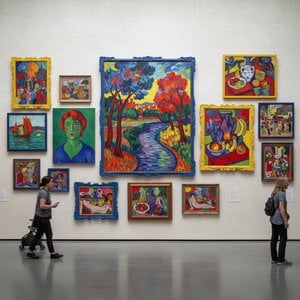
A Fauvizmus 10 Mesterműve: Színek és Érzések a Modern Művészetben | ArtsDot.com
Fedezze fel a Fauvizmus 10 legikonikusabb műalkotását! Matisse, Derain és más festők színes világa várja Önt. Ismerje meg a modern művészet történetét és inspirálódjon otthona dekorációjához. ArtsDot.com - Múzeumi minőségű reprodukciók online!

A szürrealizmus 10 legikonikusabb mesterműve – Vásároljon művészetet online a ArtsDot-on!
Fedezze fel a szürrealizmus 10 legmeghatározóbb műalkotását! Salvador Dalí, René Magritte és más ikonikus festők álomképei. Vásároljon exkluzív reprodukciókat a ArtsDot-on – otthona elegáns dekorációjához!

Joan Miró 25 Mesterműve: Katalán álomképek a faladra | ArtsDot.com
Fedezze fel Joan Miró 25 legikonikusabb műalkotását! Ismerje meg a katalán szürrealizmus mesterét, festményeinek történetét és inspiráló színeit. Művészeti reprodukciók prémium minőségben – ArtsDot.com.


