


 Előnézet
 Megosztás
 Megosztás
 Részletek
 Útmutató

 Letöltés
 Hasonló darabok
 X-ray felvétel
 Diavetítés
 Statisztika
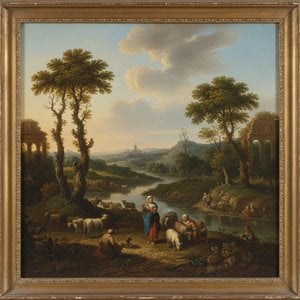
Classical Landscape


 Tovább olvasom
Giclée / Műnyomat
Múzeumi minőségű giclée vagy vászonnyomat, gyors gyártással és rugalmas finomítási lehetőségekkel. ( Kézzel festett másolat vásárlása Áttérés digitális képre)




P118B Ft10

P118H Ft10

P118W Ft10

P438Z Ft10

P508JH Ft12

P508YH Ft12

P805H Ft10

P805Z Ft10

P919BZ Ft10

P919G Ft10

P919XJ Ft10

P959ZH Ft10

P968JZ Ft12

W106C Ft8

W218G Ft10

W218JH Ft8

W218Y Ft10

W307PJ Ft10

W316G Ft10

W316PJ Ft8

W316Y Ft10

W398PJ Ft8

W4111J Ft10

W500HY Ft15

W500JH Ft15

W692G Ft12

W849H Ft8

W940BG Ft15

W953PJ Ft8




Válasszon előre meghatározott méreteink közül, amelyek megfelelnek a műalkotás eredeti arányainak.

Írja be a keretének vagy a falának megfelelő szélességet és magasságot. A nyomatot csak le lehet vágni, soha nem tehető nagyobbá, mint az eredeti kép, így egy eltérő alakú méretnél a kép egy része elveszik. Mielőtt bármit kinyatintanánk, küldünk egy digitális próbamodellt jóváhagyásra. Az oldalon látható kép nem tartalmazza a valós levágást — ezt csak a próbamodell mutatja meg.
Világszerte történő kiszállítás területére mindössze 2 hét alatt, a szokásos 4-5 hét helyett. (25 október)

Ingyenes globális expressz szállítás

Prémium minőségű len vászon

Teljes körű szállítási biztosítás

Vámvisszatérítési Garancia

Tökéletes színarányosság garancia

100 napos visszaküldési garancia (csak gyártási hibás termékek esetén)

100% pénzvisszatérítési garancia

Több darab vásárlásakor kedvezmény
 Az üvegkeretes opció csak 110 cm alatti méretben érhető el

Classical Landscape
Giclée / Műnyomat
Reprodukció méretei
-


Összesített ár
Ft 19844
Jean-Victor Bertin’s Classical Landscape: A Window Into Romantic Reverie
Jean-Victor Bertin (1767–1842) stands as a pivotal figure in the burgeoning landscape painting movement of late 18th and early 19th century France, bridging the gap between Neoclassicism’s rigid formalism and the emotive fervor of Romanticism. Unlike his contemporaries who primarily documented observable realities, Bertin embarked on a more ambitious endeavor: crafting immersive atmospheres steeped in classical allusion while simultaneously capturing the sublime beauty of the natural world.
His artistic journey began under the tutelage of Pierre-Henri de Valenciennes, a sculptor and landscape painter whose influence instilled in Bertin a meticulous approach to observation coupled with compositional rigor. Valenciennes championed the importance of accurately representing nature’s grandeur—a principle that would permeate Bertin's oeuvre throughout his prolific career.
Bertin’s training at the Académie royale de peinture et de sculpture solidified his understanding of artistic conventions, yet he swiftly diverged from established norms. He wasn’t merely replicating scenery; he was actively shaping it—transforming landscapes into canvases brimming with symbolic resonance and imbued with a palpable sense of emotion.
The Painting's Subject Matter: A Pastoral Ideal
“Classical Landscape” depicts a serene Baroque/Romantic scene centered around ruins and lush vegetation. Bertin’s vision isn’t simply a depiction of a picturesque vista; it’s an imaginative interpretation of classical pastoral ideals—a genre deeply rooted in Renaissance humanist thought.
The composition unfolds with deliberate care, guiding the viewer's eye through a cleft in ancient trees, beyond which a carefully ordered succession of distinct planes culminates in distant mountains. This masterful use of atmospheric perspective softens the contours of the landscape, creating an ethereal quality that evokes feelings of tranquility and contemplation.
Technique and Style: Precision Meets Emotion
Bertin’s technique is characterized by painstaking detail—a hallmark of Neoclassical painting—yet it's tempered with Romantic sensibilities. He employed oil paints on canvas to achieve remarkable luminosity and tonal gradation, capturing the subtle nuances of light and shadow.
The scene unfolds in a clearing dominated by two young women who hold up garlands of flowers, symbolizing fertility and renewal. At the center right, shepherds offer an homage to Pan—the ancient Greek god of shepherds and flocks—further enriching the painting’s symbolic tapestry.
Historical Context: Bridging Eras
“Classical Landscape” emerged during a period of significant artistic transformation. Bertin's work reflects the broader shift from the austere grandeur of Neoclassicism to the expressive dynamism of Romanticism, mirroring the intellectual currents of his time. The painting’s depiction of ruins serves as a poignant reminder of the passage of time and the enduring influence of classical mythology.
Bertin's meticulous rendering—combined with his masterful use of atmospheric perspective—solidifies his place as one of the foremost landscape painters of his era, leaving behind a legacy of breathtaking beauty and profound artistic insight. It exemplifies the Romantic ideal of capturing sublime emotion within meticulously crafted natural settings.
Gyakran Ismételt Kérdések
Hogyan találkoznak a korszak és a mű stílusa „Classical Landscape”, Jean-Victor Bertin alkotása alkotásban?
A „Classical Landscape”, Jean-Victor Bertin alkotása a Classical Reverie irányzat pripad, alkotójának Korai modern kor korszakából származva.
„Classical Landscape”, Jean-Victor Bertin alkotása erős kontrasztokat vagy lágy harmóniákat használ?
A „Classical Landscape”, Jean-Victor Bertin alkotása színelemzése egy Statement kontrasztot és egy Unified Palette harmóniát mutat be.
„Classical Landscape” művészeti alkotás mentes a szerzői jogoktól?
A „Classical Landscape”, Jean-Victor Bertin alkotása a joghallgatói schützenesség körébe tartozik – a szerzői jog lejártt státuszú mű. Ez a jogi státusz határozza meg, hogy a mű képmásolata hogyan reproduzható.
Hasonló műalkotások


A művész életrajza
Jean-Victor Bertin: A klasszicizmus és a romantika mestere
Jean-Victor Bertin, egy olyan név, amely talán nem annyira ismerős, mint egyes kortársaié, de jelentős és lenyűgöző helyet foglal el a 18. század végi és a 19. század eleji francia tájképfestészetben. Párizsban 1767-ben született Bertin művészi útja forradalmi viharok és változó esztétikai ideálok közepette bontakozott ki. Nem csupán a tájat örökítette meg, hanem lebilincselő atmoszférákat teremtett klasszikus utalásokkal átszőve, egyedi romantikus érzékenységgel átitatva. Vásznai nem egyszerűen látványok voltak, hanem kapuk képzeletbeli világokba, ahol az antikvitás nagysága visszhangzott a természetben.
Bertin formális tanulmányait Pierre-Henri de Valenciennes irányítása alatt kezdte, aki kulcsfontosságú szerepet játszott a tájképfestészet elismert műfajjá válásában a Francia Királyi Festészeti és Szobrászati Akadémián. Valenciennes szigorú megfigyelési és kompozíciós módszert tanított tanítványának, hangsúlyozva a közvetlen természetből való tanulmányozást – egy olyan gyakorlatot, amely Bertin módszerének központi eleme lett. 1785-ben tovább képezte magát Gabriel-François Doyen irányítása alatt, megerősítve akadémiai alapjait. Ez a korai képzés kulcsfontosságúvá vált, ahogy Bertin navigálta a Salon kiállítások versenyző világában, 1793-tól haláláig, 1842-ig rendszeresen részt vett rajtuk. Munkái következetesen bizonyították a technika mesterségét és a klasszikus elvek iránti töretlen elkötelezettséget, még akkor is, amikor az ízlés változni kezdett.
Hatások és művészeti fejlődés
Nicolas Poussin árnyéka erősen rávetül Bertin életművére. Poussin hatása nem csupán stilisztikai; egy filozófiai igazodást képvisel a klasszikus művészet rend, tisztaság és intellektuális szigor ideáljaihoz. Bertin átvette Poussin gondosan megkomponált kompozícióit, amelyek építészeti romokkal és elmélkedő tevékenységet folytató alakokkal népesültek be. Azonban Bertin nem egyszerűen utánozta elődjét. Poussin hűvös racionalitását egy kibontakozó romantikus érzékenységgel ötvözte – a természettel szembeni fokozott érzelmi reakcióval és a szublim iránti vonzalommal. Tájképfestményei nem hidegek vagy sterilak; atmoszférikus mélységük van, és egyfajta melankólia áthatja őket, amely előrevetíti a romantikus mozgalom érzelmeket és egyéni élményeket ünneplő ölelését.
Bertin utazásai, különösen Olaszországból merített inspirációja, kulcsszerepet játszottak művészi látásmódjának formálásában. Az olasz táj – az ősi romokkal, drámai fénnyel és lebilincselő atmoszférával – számos motívumot és témát kínált számára. Nem a táj egyszerű lemásolásán volt érdekelve; meg akarta ragadni ezeknek a helyeknek a *szellemét*, történelmi rezonanciával és érzelmi súllyal átitatva. Ez jól látható például a Paysage című művén, ahol római romok illeszkednek zökkenőmentesen egy hatalmas panorámába, időtállóságot és költői elmélkedést teremtve.
Elismerés és örökség
Bertin tehetségét életében elismerték, bár talán nem olyan mértékben, ahogy megérdemelte volna. 1799-ben egy ‘prix d'encouragement’-t kapott, majd 1808-ban első osztályú aranyérmet – ezek a kitüntetések megerősítették pozícióját a művészeti életben. 1822-ben a Légion d'honneurrel tüntették ki, ami bizonyítja hozzájárulását a francia művészethez. Ezeknek a megtiszteltetések ellenére Bertin anyagi nehézségekkel küzdött élete vége felé, festett és kiállított még akkor is, amikor körülményei egyre nehezebbé váltak.
Saját művészi eredményei mellett Bertin öröksége a tanári munkájában rejlik. Több jelentős művészt mentorált, akik formálták a francia festészet menetét, mint például Michallon, Cogniet, Boisselier és talán legjelentősebb tanítványa, Jean-Baptiste Camille Corot. Nemcsak technikai készségeket adott át diákjainak, hanem mély megbecsülést a klasszikus hagyomány iránt, valamint elkötelezettséget a közvetlen természetből való tanulmányozás iránt. Hatása látható munkáikban – a kompozícióra, az atmoszférára és a természeti világ tiszteletére helyezett közös hangsúly.
Tartós benyomás
Bertin festményei, mint például a Classical Landscape és a Le château de la Reine Blanche aux étangs de Commelles, továbbra is lenyűgözik a nézőket nyugodt szépségükkel és lebilincselő erejükkel. Pillantást engednek egy olyan világba, ahol a klasszikus ideálok harmonikusan együtt léteznek a romantikus érzékenységgel – bizonyíték Bertin egyedi művészi látásmódjának. Hídként szolgál két korszak között, megtestesíti a neoklasszicizmusból a romantikába való átmenetet, miközben szilárdan gyökerezik a francia tájképfestészet hagyományaiban. Munkája emlékeztet bennünket a művészet tartós erejére, amely képes más időbe és helyre szállítani minket, meghívva minket arra, hogy elmélyedjünk a körülöttünk lévő világ szépségében és rejtélyében.

Jean-Victor Bertin
1767 - 1842 , Franciaország
Gyors információk
- Artistic Movement Or Style: Neoklasszicizmus, Romantika
- Artists Or Movements Influenced By This Artist:
- Michallon
- Corot
- Artists Who Influenced This Artist: ['Nicolas Poussin']
- Date Of Birth: 1767
- Date Of Death: 1842
- Full Name: Jean-Victor Bertin
- Nationality: francia
- Notable Artworks:
- Festival of Pan
- Offering to Venus
- Place Of Birth (City And Country): Párizs, Franciaország
Kapcsolódó cikkek

John Constable 25 Mesterműve: A Természet Lényege Vászonon – ArtsDot.com
Fedezze fel John Constable 25 legszebb művészeti alkotását! Ismerje meg a romantika ikonikus tájképeit, Dedham Vale szépségét és a természet lenyűgöző ábrázolásait. Vászonkép reprodukcióinkkal eleganciát csempészhet otthonába – ArtsDot.com
Nicolaes Berchem: Dutch Golden Age Pastoralism & the Evolution of Landscape Painting
Explore the captivating world of Nicolaes Berchem, a leading Dutch Golden Age painter. Discover his idyllic landscapes, masterful technique & lasting influence on art history. Learn more at ArtsDot.

A Romantikus Tájképfestészet 10 Legikonikusabb Műalkotása – ArtsDot.com
Fedezze fel a romantikus tájképfestészet 10 legikonikusabb műalkotását! Caspar David Friedrich, J.M.W. Turner és más mesterek festményeinek története – inspiráló olajfestmények otthonába. ArtsDot.com: múzeumi minőségű reprodukciók és egyedi dekorációk online.

Nicolas Poussin: Classicism, Allegory & Order in 17th-Century French Painting
Explore the life & work of Nicolas Poussin, a master of French Classicism. Discover his allegorical paintings, Roman influences, and enduring impact on art history. Expert analysis & insights.

Evocations of Place: A Historical Journey Through Landscape Art
Explore the rich history of landscape art with ArtsDot. Discover renowned artists, movements like Impressionism & Romanticism, and expert guidance for collecting timeless pieces. Find your perfect serene escape today!