

 Megtekintés
 Küldés
 Megosztás
 Részletek
 Útmutató

 Letöltés
 Hasonló darabok
 X-ray felvétel
 Diavetítés
 Kérdések és válaszok
 Statisztika
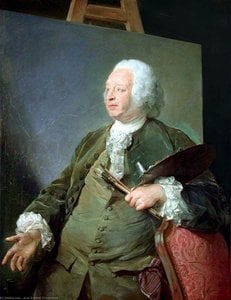
The monkey painter

 Összes részlet megjelenítése
Giclée / Műnyomat
Múzeumi minőségű giclée vagy vászonnyomat, gyors gyártással és rugalmas finomítási lehetőségekkel. ( Kézzel festett másolat rendelése Áttérés digitális képre)




P118B Ft10

P118H Ft10

P118W Ft10

P438Z Ft10

P508JH Ft12

P508YH Ft12

P805H Ft10

P805Z Ft10

P919BZ Ft10

P919G Ft10

P919XJ Ft10

P959ZH Ft10

P968JZ Ft12

W106C Ft8

W218G Ft10

W218JH Ft8

W218Y Ft10

W307PJ Ft10

W316G Ft10

W316PJ Ft8

W316Y Ft10

W398PJ Ft8

W4111J Ft10

W500HY Ft15

W500JH Ft15

W692G Ft12

W849H Ft8

W940BG Ft15

W953PJ Ft8




Válasszon előre meghatározott méreteink közül, amelyek megfelelnek a műalkotás eredeti arányainak.

Írja be a keretének vagy a falának megfelelő szélességet és magasságot. A nyomatot csak le lehet vágni, soha nem tehető nagyobbá, mint az eredeti kép, így egy eltérő alakú méretnél a kép egy része elveszik. Mielőtt bármit kinyatintanánk, küldünk egy digitális próbamodellt jóváhagyásra. Az oldalon látható kép nem tartalmazza a valós levágást — ezt csak a próbamodell mutatja meg.
Világszerte történő kiszállítás területére mindössze 2 hét alatt, a szokásos 4-5 hét helyett. (8 november)

Ingyenes globális expressz szállítás

Prémium minőségű len vászon

Teljes körű szállítási biztosítás

Vámvisszatérítési Garancia

Hiteles színarányosság garancia

100 napos visszaküldési lehetőség (csak hibás termékek esetén)

100% pénzvisszatérítési garancia

Több darab vásárlásakor kedvezmény
 Az üvegkeretes opció csak 110 cm alatti méretben érhető el

The monkey painter
Giclée / Műnyomat
Reprodukció mérete
-


Összesített ár
Ft 20530
Hasonló műalkotások



A művész életrajza
Jean Baptiste Deshayes de Colleville: Bridging Classical Grandeur and Romantic Emotion
Jean Baptiste Deshays de Colleville (1729 – 10 February 1765) stands as a pivotal figure in French Romanticism, yet his artistic legacy is rooted firmly within the stylistic conventions of the preceding Baroque and Neoclassical eras. Born in Colleville-sur-Mer, Normandy, Deshays’s early training under his father, Jean Dominique Deshays—a minor Rouen painter—established him on a path toward mastering traditional techniques while simultaneously absorbing influences from emerging artistic currents. This dual engagement is evident throughout his oeuvre, characterized by meticulous detail and compositional balance alongside expressive brushwork that anticipates the emotional intensity of Romantic painters like Eugène Delacroix.- Early Training & Influences: Deshays’s formative years included studies at Jean Baptiste Descamps' École Gratuite de Dessin in Rouen, where he honed his skills alongside fellow artists destined for prominence. Crucially, his time spent in Hyacinthe Collin de Vermont’s studio and Jean Restout II’s atelier exposed him to the grandeur of Jean Jouvenet’s Parisian school—a bastion of Neoclassical style—further solidifying his grounding in classical aesthetics.
- The Prix de Rome Competition: Deshays' ambition propelled him into the prestigious Prix de Rome competition in 1750, securing second prize with “Laban Giving His Daughter in Marriage to Jacob.” This monumental canvas exemplifies his mastery of historical painting—a genre favored by the Académie Royale de Peinture et de Sculpture—and showcases a deliberate effort to emulate Raphael’s idealized compositions. The subsequent award for “Job on the Dung-hill” cemented his reputation as a gifted artist and demonstrated his ability to convey profound emotion through carefully crafted imagery.
- Roman Artistic Development: Deshays' three-year residency at the École des Élèves Protégés under Carle van Loo proved invaluable, immersing him in the latest innovations of Flemish painting and fostering connections with influential artistic figures. However, his time spent at the Académie Royale de Peinture et de Sculpture—particularly under Charles Joseph Natoire—marked a decisive shift toward embracing Romantic ideals. He undertook numerous copies of Raphael’s masterpieces, meticulously studying the artist's techniques and stylistic choices, while simultaneously exploring the expressive potential of dramatic lighting and dynamic brushstrokes.
Major Achievements & Artistic Style
Deshays’s artistic style can be described as a harmonious blend of Neoclassical precision and Romantic fervor. He meticulously rendered architectural details and drapery folds with exacting accuracy—a hallmark of the École des Élèves Protégés—yet he infused his canvases with palpable emotion through subtle tonal variations and expressive brushwork. His paintings frequently depict biblical narratives and mythological scenes, imbued with moral seriousness and psychological depth. Notable works include “Visitation” and “Annunciation”—vast canvases commissioned for the monastery of the Visitation at Rouen—which exemplify his ability to execute monumental commissions while maintaining artistic integrity. Furthermore, his depiction of Hercules—a subject favored by Romantic painters—demonstrates a willingness to experiment with innovative compositional strategies and emotional intensity.Legacy & Historical Significance
Despite exhibiting only four times at official Salons during his lifetime—a relatively infrequent occurrence for artists of his stature—Deshays’s influence extended beyond the confines of Parisian artistic circles. His marriage to Boucher's daughter, Angelica Eliza Bouchier, secured a prominent position within the French aristocracy and ensured that his artistic legacy would endure. He became a full academician in 1758, solidifying his status as one of France’s leading painters. Jean Baptiste Deshayes de Colleville’s contribution to the development of Romantic art lies not merely in stylistic emulation but in establishing a precedent for blending classical refinement with emotional expression—a distinction that continues to resonate within the broader history of French painting. His meticulous technique and profound understanding of human psychology cemented his place as an artist who bridged the gap between two transformative artistic movements.
Jean Baptiste Deshays De Colleville
1729 - 1765 , France
Rövid információk
- Full Name: Jean Baptiste Henri Deshays
- Nationality: French
- Date Of Birth: 1729
- Date Of Death: 1765
- Place Of Birth: Colleville-sur-Mer, France
- Notable Artworks:
- Death of Hercules
- Laban Giving his Daughter in Marriage to Jacob
- Artistic Movement Or Style: Grand Style of French history painting
- Artists Who Influenced This Artist:
- Jean Jouvenet
- Carle van Loo
- Artists Or Movements Influenced By This Artist:
- Raphael
- Georges Lefebvre
Kapcsolódó cikkek

A Rokoko Mesterek: 10 alkotás, mely meghatározta a művészetet | ArtsDot.com
Fedezze fel a Rokoko művészet 10 legikonikusabb remekművét! Ismerje meg Watteau, Boucher és Fragonard festményeinek történetét. Elegáns dekorációk inspirációja – ArtsDot.com kínálatában megtalálható minden művészi nyomat. Explore the full collection online!

Illuminating the Enlightenment: A Comprehensive Exploration of 18th-Century Painting
Explore the captivating world of 18th-century painting! Discover Rococo's playful elegance & Neoclassicism’s Enlightenment ideals with expert insights into Fragonard, David, and more. A comprehensive guide for art enthusiasts.

The Rococo Aesthetic: Opulence, Rebellion & the Pursuit of Pleasure in 18th-Century Art
Explore the opulent world of Rococo art! Discover its origins, key artists like Watteau & Boucher, and lasting influence on design. Expert insights for collectors & enthusiasts.

The Allure of Elegance in Art: A Historical & Aesthetic Exploration of Refinement & Grace
Explore the exquisite world of Rococo art! Discover its history, masters (Watteau, Boucher & more), and defining elegance. Expert insights for collectors seeking museum-quality reproductions & custom portraits.

Jean-Baptiste Pater: Rococo Charm & Ephemeral Beauty of 18th-Century France
Explore the captivating world of Jean-Baptiste Pater, a master of Rococo painting. Discover his elegant *fête galante* scenes and shimmering portraits – a glimpse into 18th-century French aristocracy. Learn about his legacy & find high-quality reproductions.